Table of Contents
A lot of fashion fans are focusing on creative Muslim fashion startups that are causing a stir in the market. These up-and-coming labels are reinventing modest clothing by fusing traditional and modern designs. You will find a variety of styles that emphasize style and modesty while accommodating a wide range of interests. Provide distinctive items that appeal to a wide range of customers and capture the elegance of Islamic fashion. The lineup for this year has innovative new players who are changing the game, and keeping up with these entrepreneurs should inspire new fashion choices.
The Rise of Muslim Fashion: A Cultural Shift
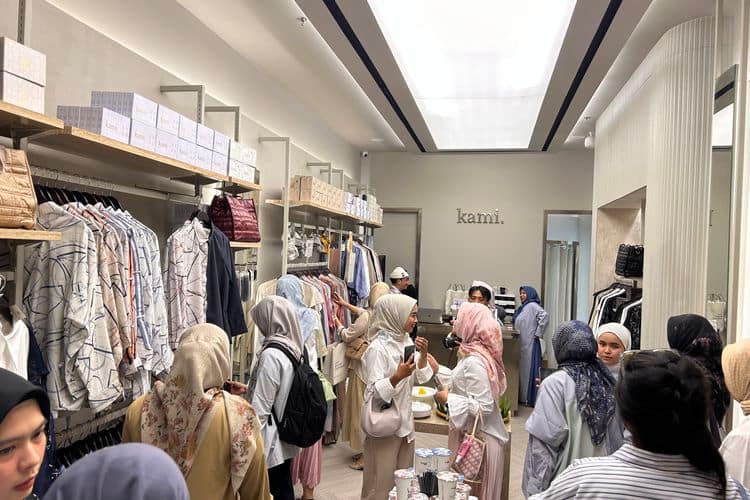
Increasing visibility and acceptance of Muslim fashion signify a profound cultural shift. Diverse designers are embracing their heritage while catering to a broader audience, leading to an emergence of styles that resonate well beyond religious boundaries. This movement showcases the rich tapestry of cultural influences within the Muslim world, pushing stereotypes to the background and allowing for personal expression through fashion. The empowerment of Muslim women, combined with contemporary aesthetics, is redefining what it means to blend tradition with modernity in the fashion landscape.
- The Intersection of Tradition and Modernity
Fashion designers today are masterfully blending traditional elements with modern trends, resulting in collections that celebrate heritage while appealing to contemporary tastes. This fusion enables women to express their identities authentically, showcasing everything from embroidered gowns that reference historical garments to minimalist pieces that reflect modern sensibilities. By harmonizing cultural narratives with innovative designs, these creatives are crafting attire that honors the past while looking toward the future.
- Global Influences Shaping Muslim Fashion Trends
The impact of globalization is palpable in the evolution of Muslim fashion, with diverse influences converging to create new trends that transcend geographical boundaries. Designers are taking inspiration from international fashion scenes, integrating bold prints and innovative fabrics that reflect a globalized identity while remaining respectful of cultural values. Social media platforms play a significant role in disseminating these trends, with influencers and fashion bloggers showcasing unique styles that resonate with a vast audience.
As Muslim fashion continues to evolve, global influences inspire creativity and collaboration among designers across continents. The exchange of ideas has led to vibrant collections that feature elements from various cultures, such as the use of Western tailoring alongside traditional Middle Eastern fabrics. Countries like Turkey, Indonesia, and the UAE are becoming fashion hubs, introducing vibrant colors and patterns that appeal to diverse audiences. This intermingling not only enriches the fashion landscape but also fosters a sense of unity and acceptance, as women embrace styles that reflect their individuality while paying homage to their roots.
Spotlight on Emerging Startups: Innovators to Follow
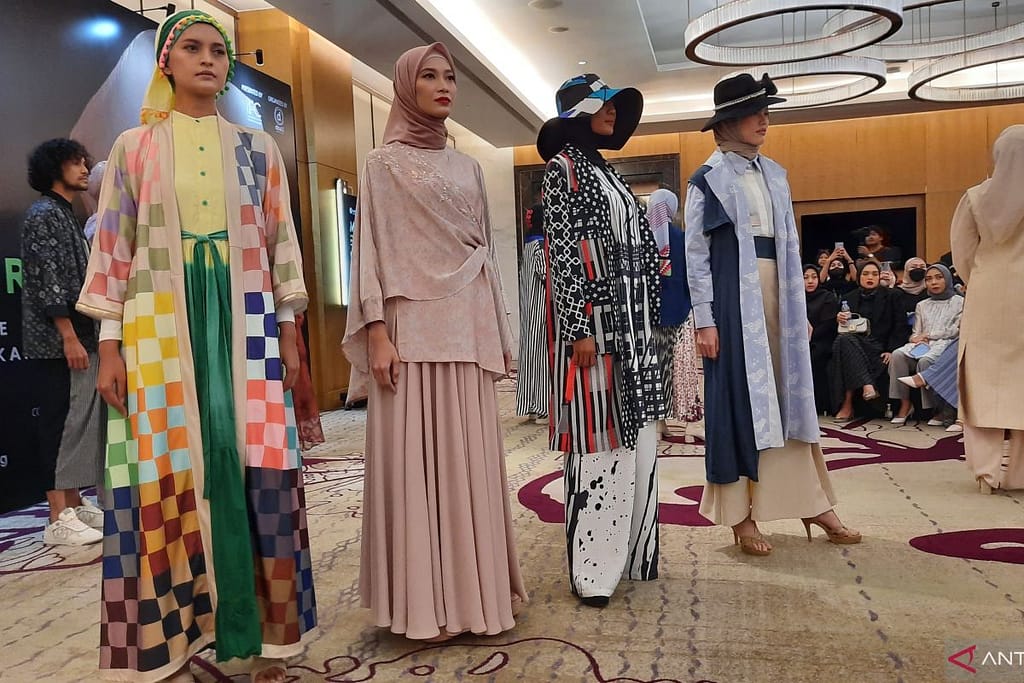
Emerging startups in the Muslim fashion space are not just adding variety but revolutionizing how modest apparel is perceived globally. These innovators are introducing unique styles and concepts that cater to the needs of modern Muslim consumers. They’ll capture attention not only for their creativity but also for their commitment to sustainability and inclusivity, driving forward a movement where modest fashion seamlessly integrates with contemporary trends and lifestyles.
- Game Changers Redefining Modest Apparel
Startups like Aab and Modanisa are transforming the landscape of modest fashion by offering chic, stylish, and versatile clothing options that resonate with young, fashion-conscious Muslims. They challenge the notion that modest clothing must be frumpy or conventional, showcasing designs that reflect current fashion trends while maintaining modesty. By providing tailored collections and utilizing bold prints, they encourage women to express their individuality through their wardrobe choices.
- Tech-Driven Solutions for Fashion Accessibility
Technology plays a pivotal role in enhancing fashion accessibility for Muslim consumers. Platforms like Haute Hijab and The Modist leverage e-commerce solutions to provide a wide range of modest fashion items easily accessible from anywhere in the world. Their websites feature user-friendly interfaces and augmented reality tools, allowing customers to visualize how pieces may look on them before making a purchase. These advancements not only eliminate geographical barriers but also create personalized shopping experiences that cater to diverse tastes and preferences.
Their commitment to tech-driven solutions exemplifies the evolving nature of the fashion industry as it adapts to the demands of its consumers. For instance, Haute Hijab employs advanced algorithms to recommend pieces based on individual styles and purchase history, making the shopping process smoother. Additionally, with mobile-optimized platforms, busy consumers can shop on-the-go, ensuring that modest fashion remains within reach no matter their location.
Sustainability in Muslim Fashion: A New Frontier
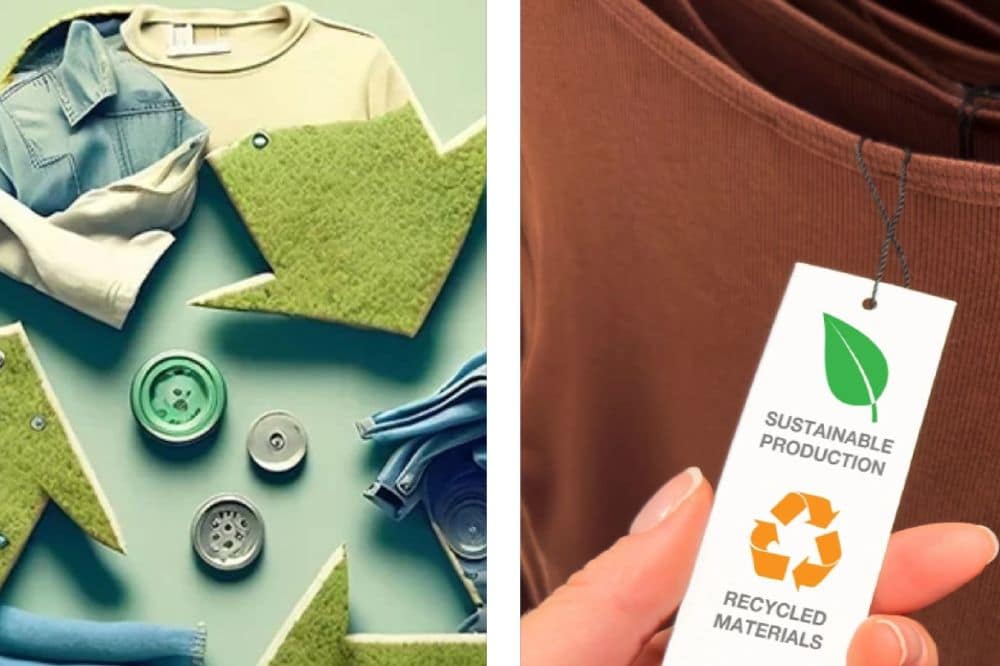
The conversation around sustainability is gaining significant traction within the Muslim fashion sector. With a growing awareness of environmental impact, many designers are embracing eco-friendly practices and materials, creatively blending cultural values with modern sustainability goals. Innovations in textiles and ethical manufacturing practices are emerging, highlighting the responsibility of the fashion industry to contribute to a healthier planet. As consumers become more conscientious, the demand for sustainable and stylish options will drive change in Muslim fashion, shaping a new frontier that aligns spiritual beliefs with environmental advocacy.
- Eco-Conscious Brands Leading the Charge
A few pioneering brands are stepping up to showcase sustainable practices in Muslim fashion. Names like Niswa Fashion and Modanisa are not only curating collections that use organic or recycled materials but also promoting transparency about their production processes. These brands are setting standards for eco-conscious choices, attracting environmentally-minded consumers who seek both style and sustainability in their wardrobes.
- The Importance of Ethical Sourcing and Production
Ethical sourcing and production in Muslim fashion are gaining recognition for their integral role in fostering a sustainable future. By prioritizing fair labor practices and environmentally friendly materials, brands create a positive impact on communities and ecosystems. Additionally, consumers increasingly favor companies that demonstrate social responsibility, resulting in brands that embrace ethical standards often standing out in a crowded market.
Understanding the dynamics of ethical sourcing and production is vital as it addresses both environmental concerns and social justice. Many brands are committing to partnerships with local artisans and craftspeople, ensuring fair wages and decent working conditions while blending traditional craftsmanship with modern aesthetics. This not only preserves cultural heritage but also empowers communities economically. The shift towards ethical practices resonates with consumers who seek more than just products; they desire to support brands whose values align with their own, contributing to a conscientious movement within the fashion industry.
The Role of Social Media in Muslim Fashion Expansion
Social media serves as a powerful engine driving the growth of the Muslim fashion sector. Platforms like Instagram, TikTok, and Pinterest enable designers and brands to showcase their offerings, attract a global audience, and foster discussions around modest fashion. With over 1.4 billion Muslims worldwide, these platforms effectively connect creators to diverse communities celebrating their culture while promoting inclusivity and modern fashion trends.
- Influencers and Their Impact on Brand Visibility
Influencers play a pivotal role in enhancing brand visibility within the Muslim fashion industry. By curating personal styles that resonate with their audiences, they introduce niche brands to thousands, if not millions, of potential customers. For instance, influencers like Noor Tagouri and Dina Tokio leverage their platforms to create meaningful conversations around modest fashion, helping emerging brands gain traction and drive sales.
- Community Engagement Through Digital Platforms
Digital platforms provide businesses with unprecedented opportunities to engage with their communities. By hosting live Q&A sessions, conducting virtual styling events, or facilitating discussions on fashion and identity, brands build a loyal following and strengthen customer relationships. This two-way communication not only fosters brand loyalty but also encourages user-generated content, allowing customers to become brand ambassadors in their own right.
Muslim fashion entrepreneurs can learn a lot about the tastes of their audiences by interacting with the community. Projects such as the hashtag campaigns #HijabFashion and #ModestStreetStyle have successfully brought people together throughout the world, presenting a variety of modest fashion interpretations and elevating voices that have not been heard. Because consumers identify with the narrative and values of the items they support, brands that take advantage of these digital connections frequently witness an increase in customer loyalty and organic growth.
The Future of Muslim Fashion: Trends to Anticipate
The future of Muslim fashion is set to embrace a fusion of cultural heritage and contemporary design. As designers leverage innovative textiles and sustainable practices, they create clothing that caters to the diverse aesthetic tastes of the modern Muslim consumer. Expect to see bold patterns, vibrant colors, and functional pieces that are tailored to the fast-paced urban lifestyle, fostering both style and cultural expression.
- Predictions for Designs and Consumer Behavior
Designs are expected to shift towards inclusivity, reflecting a broader spectrum of body types and personal styles. More brands are anticipated to incorporate modesty with contemporary trends, resulting in versatile clothing suitable for various occasions. Additionally, consumers are likely to prioritize eco-friendly options, encouraging brands to adopt sustainable practices and materials to meet this growing demand.
- Potential Market Growth and Opportunities
As demographic shifts influence purchasing power, particularly among the younger Muslim population, brands that prioritize engagement and adaptability will thrive. Urban centers across the globe are witnessing a surge in Muslim populations, providing fertile ground for niche markets. Collaborations with influencers and cultural ambassadors will further propel these brands into the spotlight, while tech integration in shopping experiences, such as virtual fitting rooms and personalized recommendations, offer new avenues for consumer engagement. Such dynamism in the market signals a robust future for Muslim fashion startups, positioning them as key players in the broader fashion industry landscape.
Summing up
Drawing together the rising influence of Muslim fashion startups, it is evident that they are redefining style while honoring cultural traditions. Offer innovative designs that reflect modern values while catering to diverse consumer needs. These startups are not only gaining traction within the Muslim community but are also making waves in the broader fashion industry. Observers should keep an eye on these emerging brands as they continue to push boundaries and reshape the landscape of modest fashion this year.