
Table of Contents
Today, a growing number of people in the fashion industry are mindful of how their clothing choices affect the environment and ethical standards. For those seeking Muslim attire that aligns with their values, sustainable and ethical brands offer an appealing solution. Find the elegance in responsibly sourced materials, while he appreciates the commitment to fair labor practices. Explore a variety of innovative designs of Muslim clothes for the eco-conscious that cater to modesty without compromising on environmental responsibility. This blog post provides insights into several brands that embody these principles and pave the way for an eco-conscious wardrobe.
The Intersection of Modesty and Sustainability
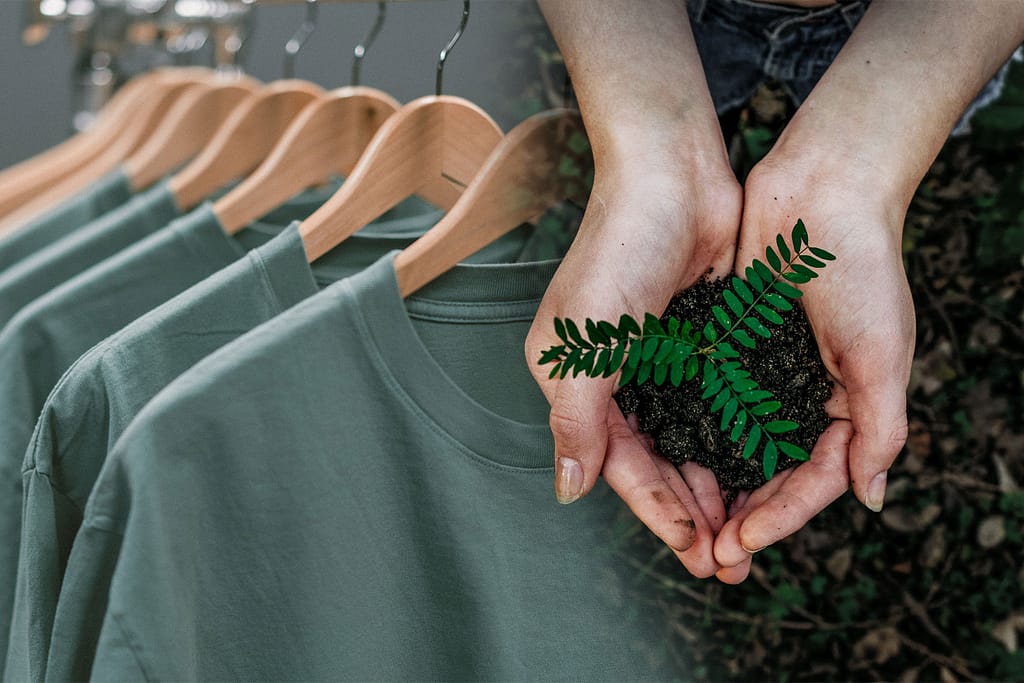
As the fashion landscape shifts towards more ethical practices, the fusion of modesty and sustainability becomes increasingly relevant. For many Muslim consumers, the clothing they choose not only reflects their personal style but also their values. Sustainable brands that prioritize ethical labor and eco-friendly materials are emerging, providing options that align with both modest fashion sensibilities and environmental responsibility, creating a harmonious balance between these two important aspects of modern life.
- Defining Modesty in Contemporary Fashion
Modesty in contemporary fashion encompasses a variety of styles and interpretations, shaped by cultural, religious, and individual preferences. For some, this means wearing clothing that covers the arms and legs, while others may emphasize loose-fitting garments that allow for comfort and movement. The diversity of interpretations reflects a broader understanding of modesty as personal, rather than a one-size-fits-all definition, which is increasingly being embraced in modern Muslim fashion.
- The Rise of Eco-Conscious Choices Among Muslim Consumers
With growing awareness about sustainability, many Muslim consumers are actively seeking eco-conscious clothing options that align with their ethical values. This shift is evident in the increasing popularity of brands that offer sustainable materials, ethical production processes, and transparency in their supply chains. As faith and environmental awareness intersect, more individuals are opting for garments crafted from organic fabrics, recycled materials, and those produced under fair trade conditions, seeking to make responsible choices that honor both their faith and the planet.
Recent studies indicate that approximately 70% of Muslim consumers prioritize ethical standards when shopping for clothing, illustrating a significant trend towards eco-conscious fashion. Many of these individuals participate in the slow fashion movement, investing in high-quality, durable pieces that reduce waste and promote longevity. By choosing brands that demonstrate a commitment to sustainability, they are taking concrete steps towards minimizing their environmental footprints while maintaining their traditional styles and values.
Breaking Down Sustainable Fabrics
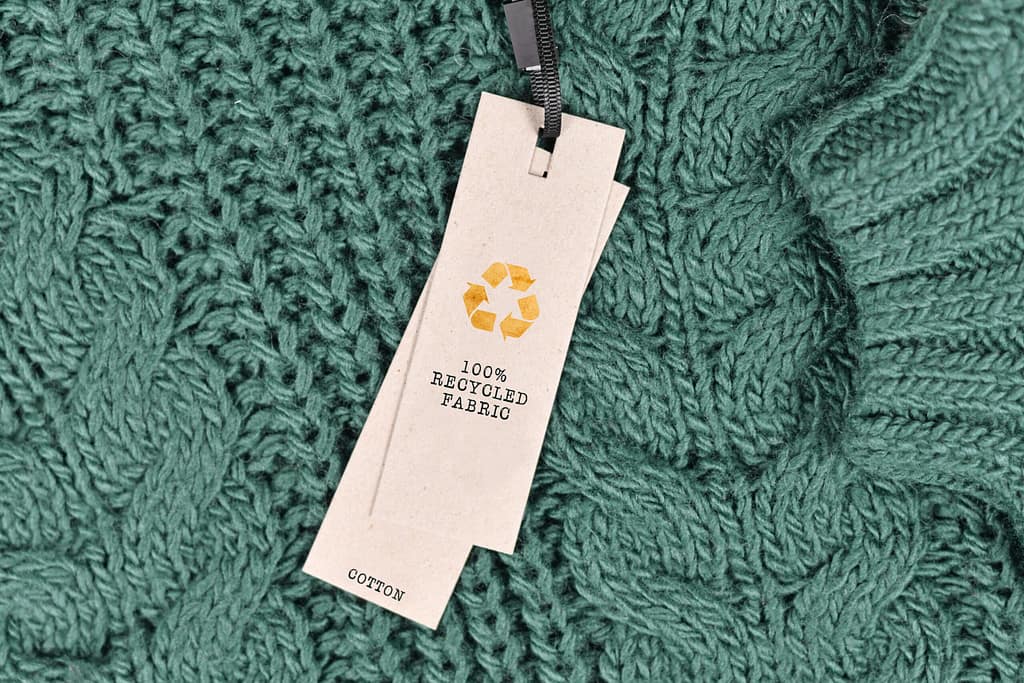
Sustainable fabrics play a vital role in reducing the environmental footprint of clothing. Natural fibers like organic cotton, Tencel, and hemp are celebrated for their minimal impact on ecosystems. Synthetic options like recycled polyester also emerge as eco-friendly alternatives, transforming plastic waste into durable textiles. These materials are not only better for the planet but often offer superior quality, longevity, and comfort, appealing to those who seek both style and sustainability in their wardrobe.
- Eco-Friendly Materials That Align with Islamic Principles
The fast fashion industry significantly contributes to environmental degradation, producing more than 92 million tons of textile waste annually. Synthetic fibers often shed microplastics, polluting oceans and harming marine life. Furthermore, the industry’s carbon emissions are massive, with estimates suggesting it accounts for about 10% of global greenhouse gas emissions. Supporting sustainable brands helps combat these alarming statistics and promotes ethical practices in fashion.
Fast fashion’s business model encourages rapid production cycles, leading to increased resource extraction, water use, and waste generation. For instance, the production of a single cotton T-shirt can require up to 2,700 liters of water, enough for one person to drink for three years. By fostering a throwaway culture, fast fashion not only depletes natural resources but also results in landfills overflowing with discarded clothing, highlighting the urgent need for a shift towards sustainable fashion practices.
Spotlight on Leading Ethical Brands
Heavily reshaping the landscape of Muslim fashion, several brands are now at the forefront of ethical and sustainable practices. Their commitment to eco-conscious methods not only addresses environmental concerns but also champions fair labor standards. Many of these brands prioritize transparency in their supply chains, ensuring customers know the origins of their garments. With innovative designs that appeal to modern aesthetics, these companies are proving that ethical fashion can be stylish and accessible, empowering consumers to make thoughtful purchasing decisions.
- Pioneering Muslim Fashion Labels Committed to Sustainability
Aims to highlight a few pioneering Muslim fashion labels that are leading the way in sustainability. Brands like Aab Collection and Ayesha Depala have taken significant steps to incorporate eco-friendly practices into their production cycles. They utilize organic cotton, recycled materials, and local artisanship, showcasing how modern Muslim fashion can align with personal values surrounding sustainability.
- How Traditional Craftsmanship Meets Modern Environmental Standards
They recognize that the fusion of traditional craftsmanship with modern environmental standards creates a unique space in the fashion industry. By reviving age-old techniques and pairing them with contemporary eco-friendly practices, brands can produce stunning, sustainable garments that honor cultural heritage. For instance, methods such as hand-weaving, natural dyeing, and block printing are being utilized in ways that reduce waste and emissions while celebrating authentic artistry.
This approach not only preserves the cultural significance of craftsmanship but also results in products that resonate with consumers seeking authenticity and environmental responsibility. Through collaborations with artisans and a commitment to ethical sourcing, brands can ensure their production practices align with sustainable principles. By emphasizing slow fashion, they encourage consumers to invest in high-quality pieces that stand the test of time, fostering a more sustainable cycle of consumption in the industry.
The Role of Consumer Advocacy and Awareness
Consumer advocacy and awareness are fundamental in shaping a sustainable fashion landscape. With increased visibility into the ethical standards of clothing brands, he, she, and they can make informed choices that support environmentally and socially responsible practices. Organizations and activists play a significant role by highlighting the importance of sustainability, urging consumers to demand transparency from brands regarding their production processes, materials used, and labor conditions.
- Educating Shoppers on Sustainable Choices
Shoppers benefit from educational initiatives that clarify what constitutes sustainable clothing. Workshops, online resources, and social media campaigns share insights about eco-friendly fabrics, ethical labor practices, and the long-term benefits of choosing sustainable products over fast fashion items. People often find that informed consumers are more likely to prioritize purchasing from brands committed to sustainable materials and practices.
- The Power of Community in Promoting Ethical Fashion
Community advocacy can significantly influence consumer behavior towards ethical fashion. Local groups advocate for sustainable clothing through events, shared knowledge, and collaboration with responsible brands. By gathering individuals with a common goal, they foster a sense of purpose that extends beyond personal choices to collective action. Together, they push for greater accountability in the fashion industry, promoting an environment where ethical practices thrive.
The success of community-driven initiatives can be observed in various local fashion events that feature eco-conscious designers, workshops on sustainable sewing techniques, and upcycling activities. These gatherings not only educate but also encourage participants to share their experiences, creating a positive feedback loop. As more consumers engage with the community, they amplify the call for brands to adopt ethical practices, creating a demand that can reshape industry norms and lead to a more sustainable future.
Practical Tips for Sustainable Muslim Wardrobe
Deciding to create a sustainable Muslim wardrobe involves mindful choices that not only benefit individual style but also the environment. Here are practical tips to help make thoughtful decisions:
- Opt for high-quality fabrics that offer durability and minimal environmental impact.
- Prioritize brands committed to ethical practices and transparent supply chains.
- Embrace second-hand shopping to reduce waste and extend the life of garments.
- Choose versatile pieces that can be styled in multiple ways.
Thou shalt consider sustainability in every choice made within the wardrobe.
- Building a Capsule Wardrobe with Thoughtful Choices
Creating a capsule wardrobe allows individuals to curate versatile pieces that reflect personal style while prioritizing sustainability. This approach encourages she or he to select a limited number of quality items that can be mixed and matched. Core pieces may include modest basics in neutral colors, allowing for effortless layering and diverse outfit combinations, reducing the need for excessive clothing purchases.
- Care and Maintenance for Longevity of Ethical Clothing
To ensure ethical clothing lasts, proper care and maintenance are necessary. Gentle washing methods, air drying, and appropriate storage can enhance the longevity of garments. By adjusting laundry habits and avoiding harsh chemicals, individuals contribute not just to individual sustainability but also to the larger environmental cause.
Ethical clothing deserves thoughtful care to maintain its integrity. Washing clothes in cold water and opting for natural detergents can extend their lifespan significantly, while air drying prevents unnecessary wear and tear caused by dryers. Additionally, considering the use of a garment steamer over ironing can further preserve fabric quality. Regularly checking for loose threads or minor damages allows them to be repaired promptly, preventing further deterioration. Through these practices, they demonstrate a commitment to sustainable fashion that values resources and reduces waste.
Summing up
Following this, those seeking sustainable and ethical Muslim clothing can find a variety of brands dedicated to eco-conscious practices. You may explore options that emphasize organic materials and fair labor, while he can support companies that prioritize sustainability in their production processes. They will discover that by choosing these brands, they are not only fulfilling their personal values but also contributing positively to the fashion industry’s shift towards environmental responsibility. Sustainable fashion offers an opportunity for individual expression while championing ethical practices in the garment industry.