Table of Contents
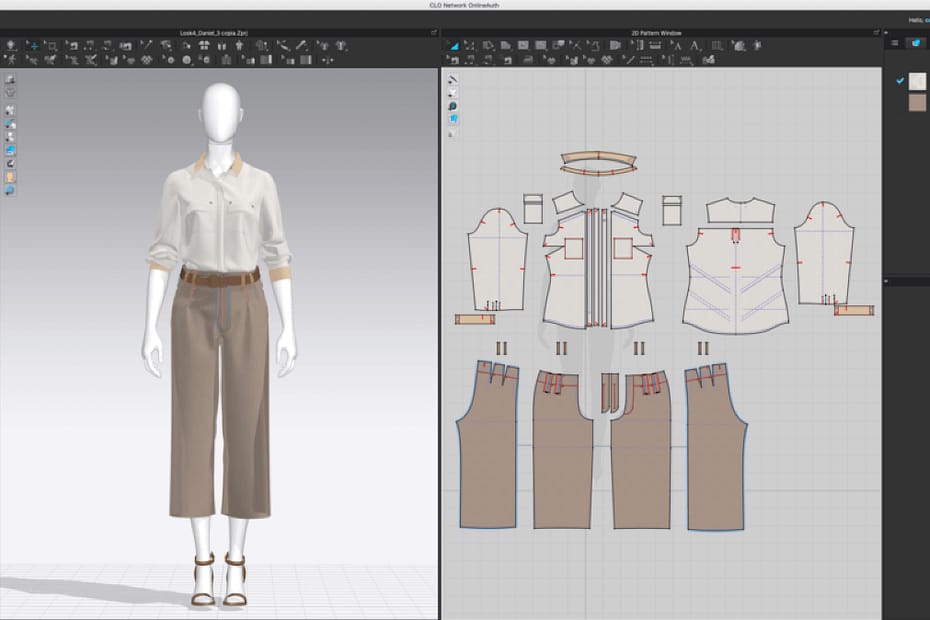
You may wonder how modest fashion brands are evolving in today’s tech-driven world. Increasingly turning to CLO 3D, a cutting-edge software that enables designers to create realistic digital garments. By utilizing this innovative technology, these brands can streamline their design processes, reduce waste, and enhance customer engagement. With virtual fittings and digital prototypes, the fashion industry is witnessing a transformation that caters to diverse cultural expressions while embracing sustainability. As modest fashion continues to carve its niche, technology plays a vital role in its growth and accessibility.
The Rise of Modest Fashion: Cultural and Economic Forces
Modest fashion has surged in popularity, driven by a blend of cultural awareness and economic factors. As more individuals seek styles that align with their values and beliefs, brands are responding to this demand with innovative designs that celebrate diversity. The modest fashion market is projected to reach $361 billion by 2025, reflecting the growing consumer base that prioritizes modesty in style without compromising on aesthetics.
- Demographic Shifts and Market Demand
Increasingly diverse demographics have shaped the demand for modest fashion. The rise of Muslim populations, as well as a broader acceptance of non-Western clothing, has led many companies to adapt their collections. By recognizing this shift, brands have tapped into new markets, leading to a surge in stylish, modest offerings across various platforms.
- The Impact of Social Media on Modest Fashion
Social media platforms have significantly influenced the modest fashion landscape, creating spaces for influencers and consumers to showcase their styles. Hashtags like #ModestFashion and #HijabFashion have garnered millions of posts, allowing niche brands to reach global audiences without traditional advertising channels. This visibility empowers women to express their identities, and brands that engage effectively benefit from this organic reach.
Through platforms such as Instagram and TikTok, modest fashion influencers have emerged, reshaping how women perceive and engage with styles. These influencers leverage their followings to highlight the intersection of style, culture, and personal beliefs, ultimately fostering a community of like-minded individuals. Brands that collaborate with these influencers are experiencing higher engagement levels, which leads to increased visibility and sales. The dialogue cultivated in the digital space allows women to explore modest fashion trends that resonate with them, reinforcing their choice to embrace style on their own terms.
Unleashing Creativity: How CLO 3D Is Transforming Design
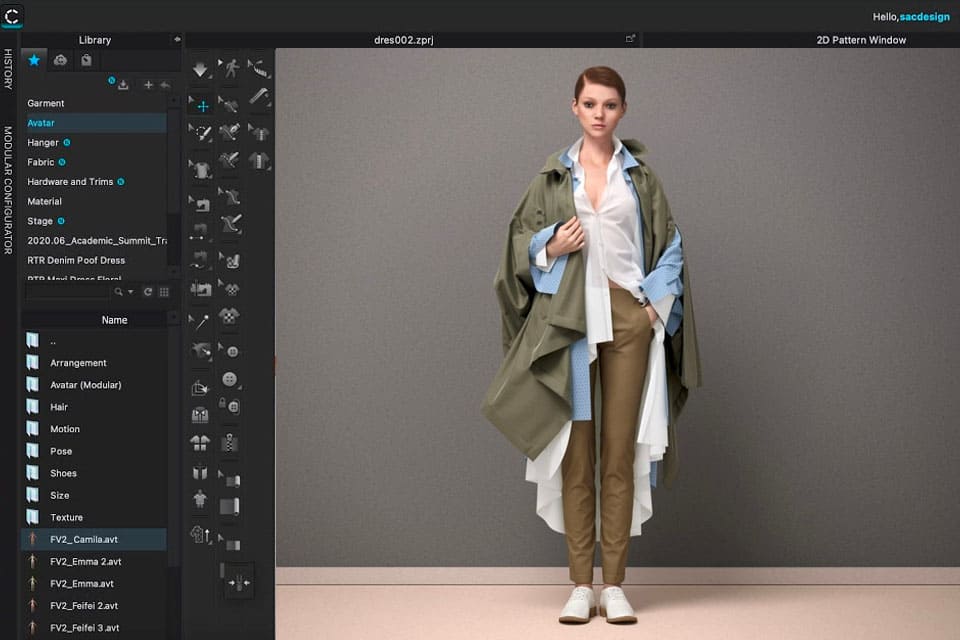
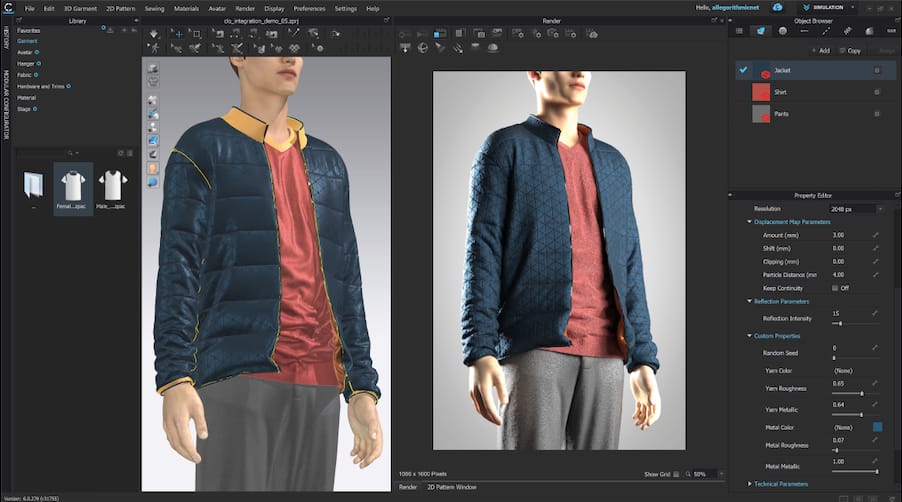
The advent of CLO 3D is revolutionizing the design landscape for modest fashion brands, offering an innovative digital platform where creativity knows no bounds. Designers are now empowered to explore intricate patterns, colors, and textures in a virtual environment, significantly reducing the time spent on physical prototypes. With its realistic rendering capabilities, CLO 3D allows for a more dynamic exploration of design ideas, leading to the creation of collections that resonate with diverse audiences.
- Redefining the Design Process with 3D Visualization
3D visualization through CLO 3D fundamentally alters the design process by enabling designers to see and modify their creations in real-time. They can create detailed garments with precise fit and drape features, allowing for alterations long before the first stitch is sewn. This method significantly cuts down on material waste and brings greater efficiency to the development timeline, thus enhancing productivity within modest fashion brands.
- Facilitating Customization and Personalization for Consumers
CLO 3D excels in allowing modest fashion brands to introduce customization options that meet consumer preferences. By bridging the gap between design and consumer interaction, brands can now offer customers the ability to choose fabrics, colors, and styles tailored specifically to their tastes. This level of personalization not only enhances the customer experience but also fosters brand loyalty as consumers feel more connected to the products they are purchasing.
As brands leverage the capabilities of CLO 3D, they can offer tailored collections that resonate with individuality. For instance, a modest fashion label might allow customers to visualize their chosen outfit with different sleeve lengths or fabric choices in real-time. This interactive experience not only engages consumers more deeply but also empowers them by making the design their own. Such customization enhances satisfaction and can lead to higher sales conversion rates, illustrating a significant shift in how brands approach consumer engagement in the fashion industry.
Streamlining Production: Efficiency Gains with High-Tech Solutions
With the integration of CLO 3D technology, modest fashion brands are experiencing significant enhancements in their production processes. This high-tech solution allows brands to create detailed digital garments, enabling them to refine their designs without the need for multiple physical prototypes. As a result, they are able to streamline workflows, reduce lead times, and allocate resources more effectively throughout the production process.
- Reducing Waste and Enhancing Sustainability Practices
By utilizing CLO 3D, modest fashion brands can dramatically reduce fabric waste associated with traditional sampling methods. With virtual fittings and simulations, designers can identify inefficiencies and adjust patterns before any physical production begins. This approach not only conserves materials but also supports brands in fulfilling their commitments to sustainability.
- Speeding Up Time-to-Market for Modest Fashion Brands
The impact of CLO 3D on time-to-market is profound. Modest fashion brands leveraging this technology can compress the design and development phases, allowing them to engage with trends and consumer demands more rapidly. By minimizing the time spent on revisions and physical prototypes, brands can swiftly transition from concept to shelf, ensuring that they meet the expectations of their evolving customer base.
For instance, a prominent modest fashion brand reported reducing its design cycle from eight months to just three with the implementation of CLO 3D. This acceleration allows designers to experiment with new styles and variations without the constraints of lengthy production timelines. Consequently, they not only keep pace with fast-changing fashion trends but also enhance their competitive edge in the ever-growing modest fashion market.
The Consumer Experience Revolution: Virtual Fitting Rooms and Beyond
With the implementation of virtual fitting rooms, modest fashion brands are redefining the consumer experience, allowing customers to try on garments without leaving their homes. This innovative technology leverages augmented reality to deliver a personalized shopping experience, making it easier for individuals to visualize how a piece would fit their unique body shape and style. The ripple effect is significant, as the potential to minimize returns and enhance customer satisfaction becomes increasingly appealing in the digital marketplace.
- Enhancing Customer Engagement through Technology
Technology significantly alters how modest fashion brands engage with their customers. Features like interactive size guides and 3D modeling allow shoppers to experiment with styles and fabrics—creating an immersive experience that fosters a deeper emotional connection to the brand. Such engagement reduces uncertainty, empowering customers to make informed purchasing decisions and ultimately increasing brand loyalty.
- Bridging the Gap Between Online and Offline Shopping
Bridging the gap between online and offline shopping is crucial for modest fashion brands seeking to enhance the consumer journey. By integrating virtual fitting rooms with physical store experiences, these brands create a seamless transition for customers. For instance, a shopper might use the virtual fitting room at home to select preferred outfits and then visit the store to make final purchases, experiencing the fabric and fit in person.
This blend of online exploration and offline tactile engagement maximizes convenience and minimizes hesitation. With 78% of consumers indicating a preference for buying clothing after trying items in person, brands implementing virtual fitting technologies are effectively driving foot traffic to their stores, enhancing overall customer satisfaction. As modest fashion continues to grow in popularity, this innovative approach plays a pivotal role in attracting a broader audience, making the shopping experience smoother and more enjoyable.
Challenges on the High-Tech Horizon: Navigating Adoption Barriers
Modest fashion brands face several challenges as they incorporate high-tech solutions like CLO 3D into their creative processes. From technical skill gaps to financial constraints, the road to digital transformation can be daunting. Navigating these barriers requires careful consideration and strategic planning to harness the full potential of this technology while maintaining their unique design ethos.
- Technical Learning Curves and Financial Constraints
The shift to CLO 3D involves a steep learning curve that can deter many modest fashion designers. Gaining proficiency in sophisticated software demands time and investment, which many smaller brands may struggle to allocate amidst tight budgets. Thus, a blend of financial resources and training initiatives becomes vital to ensure successful technology integration.
- Addressing Skepticism in Traditional Fashion Circles
Skepticism within traditional fashion circles presents another hurdle for modest fashion brands adopting CLO 3D. Many industry veterans are accustomed to conventional design methodologies, questioning the value of digital tools. This pushback can limit collaboration opportunities and stifle innovation, requiring brands to effectively communicate the tangible benefits of adopting such technology.
Addressing skepticism means actively demonstrating CLO 3D’s impact on design efficiency and product quality. For instance, highlighting case studies where brands reduced their design cycles or effectively minimized fabric waste can shift perceptions. Engaging with fashion insiders through workshops or webinars that showcase real-time modeling and prototyping capabilities also proves invaluable in mitigating doubts. By fostering a dialogue about technology’s role in modern design, modest fashion brands can bridge the gap between tradition and innovation.
Conclusion
Considering all points, modest fashion brands are increasingly adopting CLO 3D technology to enhance their design processes and improve customer engagement. Note that this high-tech approach allows them to create realistic garment simulations, enabling greater customization and reducing waste in production. She pointed out that the use of 3D design not only accelerates the development timeline but also optimizes fit for diverse body types, making modest fashion more accessible. They agree that this innovative tool is set to revolutionize the industry, merging technology with traditional values to fulfill modern consumers’ needs.