
Table of Contents
Many have recognized the influence of Muslim designers in the fashion industry as they skillfully blend modesty with high-end aesthetics. These pioneering creatives are reshaping perceptions of fashion by introducing designs that adhere to cultural and religious values while maintaining contemporary style. These influencers have successfully bridged the gap between tradition and modernity, showcasing that elegance and modesty can coexist seamlessly. Through their innovative collections, these Muslim designers marks are not only setting trends but also challenging stereotypes, ultimately leaving an indelible mark on the world of fashion.
Pioneering Trends: Where Modesty Meets Couture
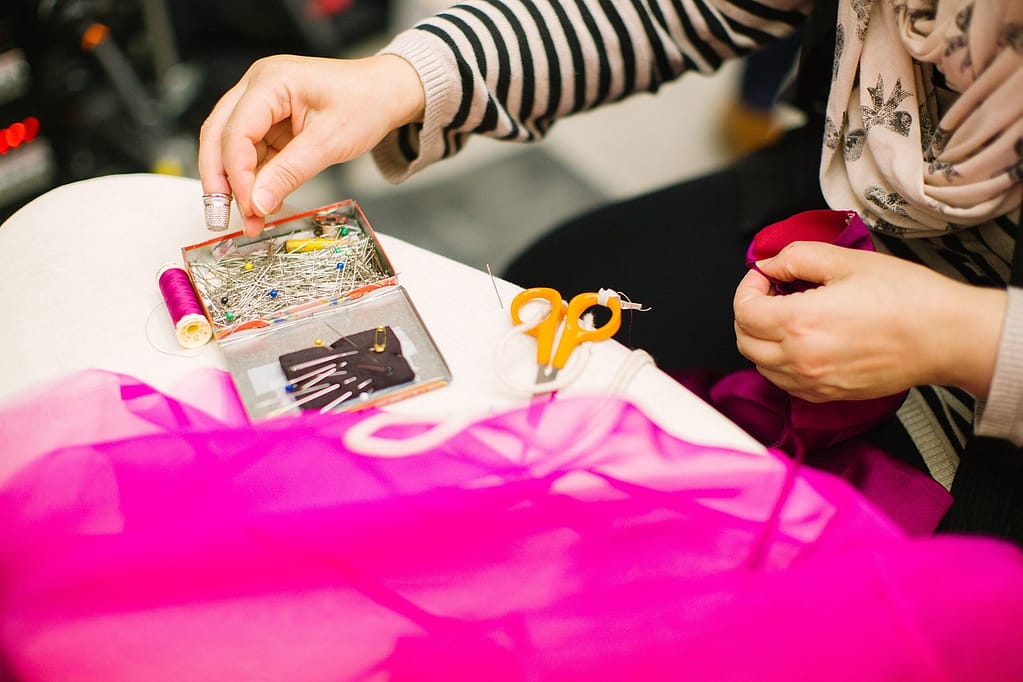
The latest luxury collections showcase how modesty can effortlessly blend with couture, offering fashion-forward options for those who prioritize both elegance and decency. Designers are embracing elaborate silhouettes, intricate embroidery, and high-quality fabrics, creating pieces that are both stylish and reflective of personal values. These trends demonstrate that modest fashion does not have to compromise on luxury, challenging the traditional perceptions of what high fashion can be.
- The Rise of Modest Fashion in High-End Circles
High-end fashion houses are increasingly recognizing the demand for modest clothing, incorporating longer hemlines and more coverage into their designs. This shift is fueled by a growing market of consumers seeking stylish yet conservative options, leading to collaborations that challenge the notion of exclusivity within the luxury sector. Successful modest collections have already been showcased on international runways, signifying a change in the industry’s approach to inclusivity.
- How Muslim Designers Marks: influencing the Fashion Landscape
Muslim designers are at the forefront of this movement, redefining beauty standards through their unique visions. Among them, designers like Hana Tajima have gained global recognition for their innovative aesthetics that merge tradition with contemporary flair. Their work illustrates that modest fashion can embody modernity while respecting cultural identities, enabling a broader audience to embrace these styles that transcend mere trends and resonate deeply with personal beliefs.
Notably, Hana Tajima’s collaboration with Uniqlo revolutionized modest streetwear, bringing practicality to the forefront without sacrificing design. Through their influential work, these designers not only pave the way for emerging talents but also educate the fashion world about the diverse narratives within the modest fashion industry, amplifying their presence in the global fashion scene.
Crafting Identity: The Cultural Narratives Behind Modest Design
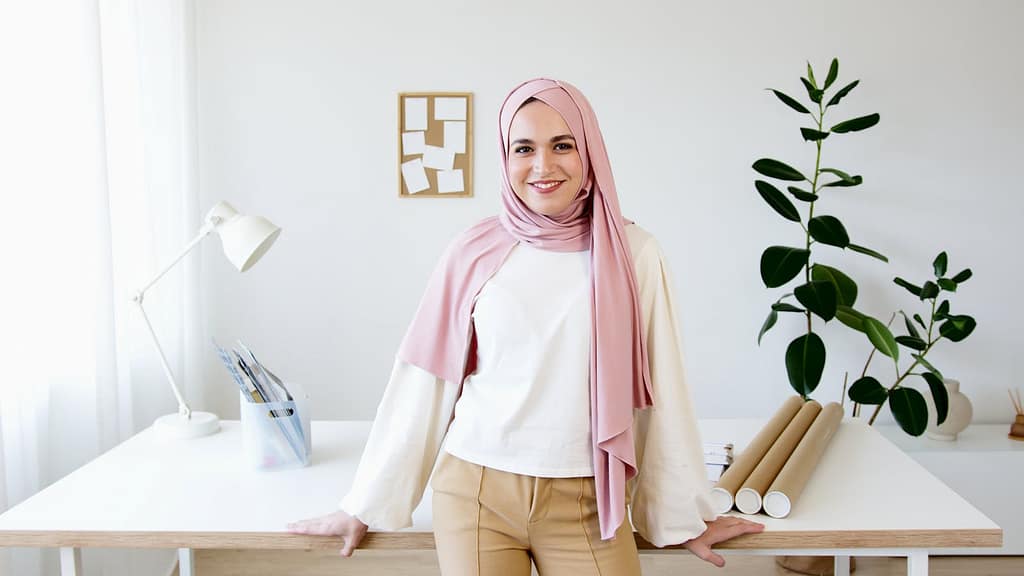
Modest fashion extends beyond aesthetics, embodying complex cultural narratives that shape individual identities. Through thoughtful design, Muslim designers integrate traditional elements and contemporary styles, allowing wearers to express their beliefs and unique stories. Each piece often reflects a rich history, blending diverse influences from varied cultural backgrounds, while fostering a sense of community among those who share similar values. This intentional narrative weaving is important in creating garments that resonate on a personal and social level, offering wearers a platform to showcase their identities proudly.
- Celebrating Heritage: Textiles and Patterns with Meaning
Textiles and patterns in modest fashion often carry deep cultural significance, drawing inspiration from ancestral roots. Designers creatively utilize materials and motifs that celebrate their heritage, such as intricate embroidery, traditional prints, and vibrant colors. For instance, the use of handwoven fabrics or regional patterns not only beautifies the garments but also connects wearers to their cultural lineage, fostering a profound appreciation for their backgrounds. This artistic incorporation of heritage speaks volumes about the designer’s commitment to honoring their traditions while innovating for modern wearers.
- Bridging the Gap: Addressing Misconceptions of Modesty
Misconceptions about modesty frequently stem from cultural stereotypes and misunderstandings of Muslim women’s motivations behind their fashion choices. Many non-Muslims may perceive modest clothing as restrictive, overshadowing the empowerment it can offer. By showcasing designs that blend elegance and individuality, Muslim designers challenge these stereotypes and provide alternate narratives. The misconception that modest fashion lacks vibrancy or creativity is debunked when designers like Azeeza Khan and Annahstasia create striking ensembles that exude confidence and style, encouraging a broader acceptance of diverse fashion expressions.
Addressing misconceptions about modest fashion is key in expanding public understanding. Designers actively engage in dialogue through their collections, highlighting the message that modesty is a personal choice made by women that reflects their beliefs, rather than a limitation. By presenting collections on platforms like New York Fashion Week, they demonstrate that modesty can be synonymous with trendsetting and modernity. The interaction between artistic expressions in the fashion world and the narratives of empowerment and choice creates a bridge, allowing a more nuanced conversation about identity and lifestyle.
The Business of Modesty: Economic Implications and Opportunities
The global modest fashion market is projected to reach $402 billion by 2024, showcasing significant economic opportunities for designers catering to modesty. Muslim designers are not only shaping a cultural movement, but they are also driving a lucrative segment of the fashion industry that resonates with a diverse clientele. As brands expand to include modest offerings, they unlock new revenue streams while promoting inclusivity in fashion.
- Market Demand: Understanding the Consumer Base
The consumer base for modest fashion extends beyond Muslim women; it includes individuals seeking stylish yet respectful attire across various cultures and demographics. Research indicates that 62% of non-Muslim women expressed interest in purchasing modest fashion items, highlighting a demand that transcends traditional boundaries. This growing interest reflects a shift in consumer values toward modesty and self-expression, which designers are keen to address.
- Brands and Collaborations: The Commercial Landscape
Innovative collaborations are reshaping the commercial landscape for modest fashion. Notable partnerships, such as that between H&M and the Muslim designer Hana Tajima, have demonstrated that mainstream brands can successfully integrate modest designs into their collections. Moreover, smaller brands like Modanisa have gained traction through exclusive collaborations with emerging designers, further establishing modest fashion within the retail framework.
In recent years, brands have increasingly recognized the potential of modest fashion, leading to collaborations that elevate both exposure and product variety. For instance, Uniqlo partnered with Muslim influencer and designer Amina Muaddi, illustrating how mainstream retailers are leveraging the insights of modest fashion specialists. These collaborations not only introduce fresh perspectives and designs to the market but also enable brands to tap into the growing consumer base that values modesty without compromising on style. As a result, many brands are now dedicating entire lines to modest wear, establishing themselves as leaders in this evolving sector.
Defying Stereotypes: The Role of Media and Representation

Media representation plays a pivotal role in challenging and redefining societal stereotypes surrounding Muslim individuals and their fashion choices. By showcasing diverse Muslim designers and models in prominent platforms, the narrative is shifting from one-dimensional portrayals to a more holistic view that highlights creativity, empowerment, and individuality in modest wear.
- Highlighting diversity in design aesthetics
- Featuring Muslim designers in mainstream fashion events
- Promoting positive narratives through storytelling
- Challenging misconceptions about modesty
- Inspiring young Muslims to express their identity
Knowing that visibility leads to acceptance and understanding, the importance of representation in media becomes increasingly apparent.
- Shifting Perceptions: How Fashion Shows are Adopting Inclusion
Fashion shows across the globe are gradually embracing inclusivity by featuring modest fashion collections, creating space for Muslim designers and models. This shift not only emphasizes representation but also showcases the rich diversity within the fashion industry. When leading brands integrate modest wear into their collections, they signal a broader acceptance of various cultural expressions, actively reshaping public perceptions of style and elegance.
- Social Media’s Impact: Muslim Influencers Changing the Narrative
Muslim influencers are harnessing social media platforms to redefine norms and advocate for modest fashion. These individuals effectively use visual storytelling to demonstrate that style and modesty can coexist, thus reshaping the conversation around fashion within their communities and beyond. By sharing their personal journeys and innovative looks, they inspire others to embrace their identity wholeheartedly.
The influence of Muslim social media personalities extends beyond mere aesthetic inspiration. With millions of followers, they create strong, engaged communities where modest fashion is celebrated. Through collaborations with brands and participation in campaigns, they challenge the status quo and encourage other fashion houses to be more inclusive. These influencers not only provide a space for dialogue surrounding modesty but also offer practical style tips, empowering their audience to embrace their identity through fashion. Their impact is evident in the growing prominence of modest wear in mainstream culture, fostering acceptance and appreciation for diversity in style.
- Fashion Forward: Innovations in Sustainable Modest Wear
As the conversation around sustainability becomes increasingly vital, the modest fashion sector has begun to embrace eco-friendly practices. Designers are combining aesthetic appeal with ethical responsibility, creating collections that resonate with global trends while ensuring a positive impact on the environment. This new wave prioritizes innovative techniques such as zero-waste design and regenerative farming of fabrics, leading the way to a more sustainable future in fashion.
- Eco-Friendly Materials: Pioneering a New Approach
Emerging modest fashion designers are taking significant strides towards sustainable practices by utilizing eco-friendly materials. Fabrics made from organic cotton, bamboo, and recycled textiles not only reduce environmental harm but also provide consumers with comfortable, breathable options. By infusing traditional craftsmanship with modern, sustainable materials, these designers are redefining what it means to wear modest clothing while prioritizing the well-being of the planet.
- The Future of Modest Fashion: Trends to Watch
Looking ahead, the future of modest fashion seems poised for vibrant growth as it embraces diversity and inclusivity. Styles are evolving to incorporate gender-neutral designs, further broadening appeal across various demographics. Additionally, collaborations between modest fashion brands and mainstream labels are becoming increasingly common, signaling a shift toward acceptance and acknowledgment of the market’s potential. With advancements in sustainable technology, modest garments are likely to feature innovative wrinkle-free, moisture-wicking materials that enhance wearer comfort.
Future trends will likely spotlight personalization, allowing consumers to tailor outfits expressing their unique styles while adhering to modesty guidelines. The increasing emphasis on functionality means that modest wear will incorporate practical elements, such as pockets and adjustable lengths. With the global market focusing on inclusivity and ethical practices, modest fashion will attract an audience that values sophistication, sustainability, and social consciousness—driving a strong bond between fashion sensibility and personal values.
To wrap up
With these considerations, it is evident that Muslim designers are reshaping the landscape of high fashion by merging modesty with contemporary elegance. They are not only challenging stereotypes but also creating inclusive spaces that celebrate cultural richness and personal expression. As they continue to gain recognition, their influence on the industry will likely expand, paving the way for a more diverse representation in fashion. She, he, and they are proving that modest fashion can be not only stylish but also a powerful statement of identity. The intersection of modesty and high fashion is a testament to innovation and cultural dialogue.