Table of Contents
Most people are becoming increasingly aware of the environmental impact of their clothing choices, and as someone who values modesty in fashion, you can embrace that awareness by opting for eco-friendly fabrics in your wardrobe. Sustainable materials like organic cotton, bamboo, and hemp not only provide comfort but also ensure that your clothing contributes positively to the planet. In this post, you’ll discover the benefits of choosing eco-conscious fabrics and learn how making mindful choices can align with your values of modesty and sustainability.
Understanding Eco-Friendly Fabrics
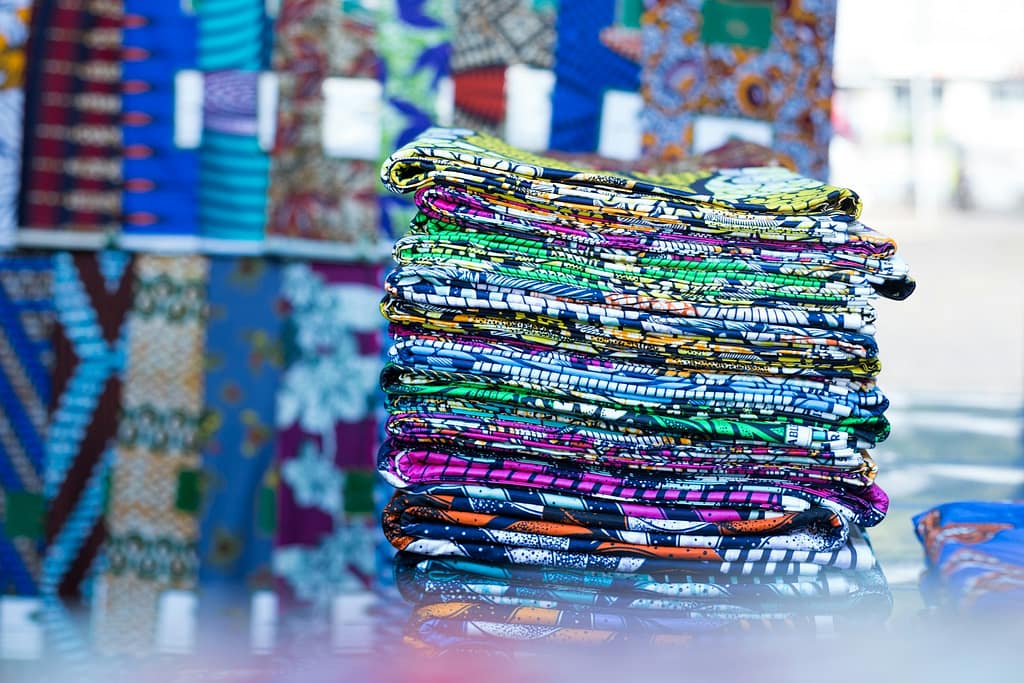
A growing awareness of environmental issues has led to a significant shift towards eco-friendly fabrics in the fashion industry. These sustainable materials not only minimize environmental impact but also resonate with the values of modesty and ethical fashion. By opting for eco-friendly fabrics in your wardrobe, you contribute to a healthier planet while enhancing your personal style.
Types of Sustainable Materials
Above are some popular sustainable materials you can consider:
| Bamboo | Biodegradable and naturally antibacterial. |
| Organic Cotton | Grown without harmful chemicals, ensuring soil health. |
| Linen | Made from flax, requires less water compared to traditional cotton. |
| Recycled Polyester | Utilizes plastic waste, reducing landfill impact. |
| Hemp | Durable and requires less water and pesticides. |
Knowing these materials allows you to make informed choices when shopping for sustainable Muslim clothing.
Benefits of Using Eco-Friendly Fabrics
Fabrics derived from sustainable sources offer numerous benefits, both for the environment and your personal well-being. They often reduce the use of harsh chemicals and lower energy consumption during production. This not only helps maintain a healthier ecosystem but also ensures that what you wear is safer for your skin.
Consequently, choosing eco-friendly fabrics means you are investing in quality and sustainability. These materials often have a longer lifespan, reducing the need for frequent replacements and encouraging a more thoughtful approach to fashion. By making this switch, you contribute to a positive impact on the planet while embodying the principles of sustainable modesty in your daily life.
Modesty in Muslim Clothing
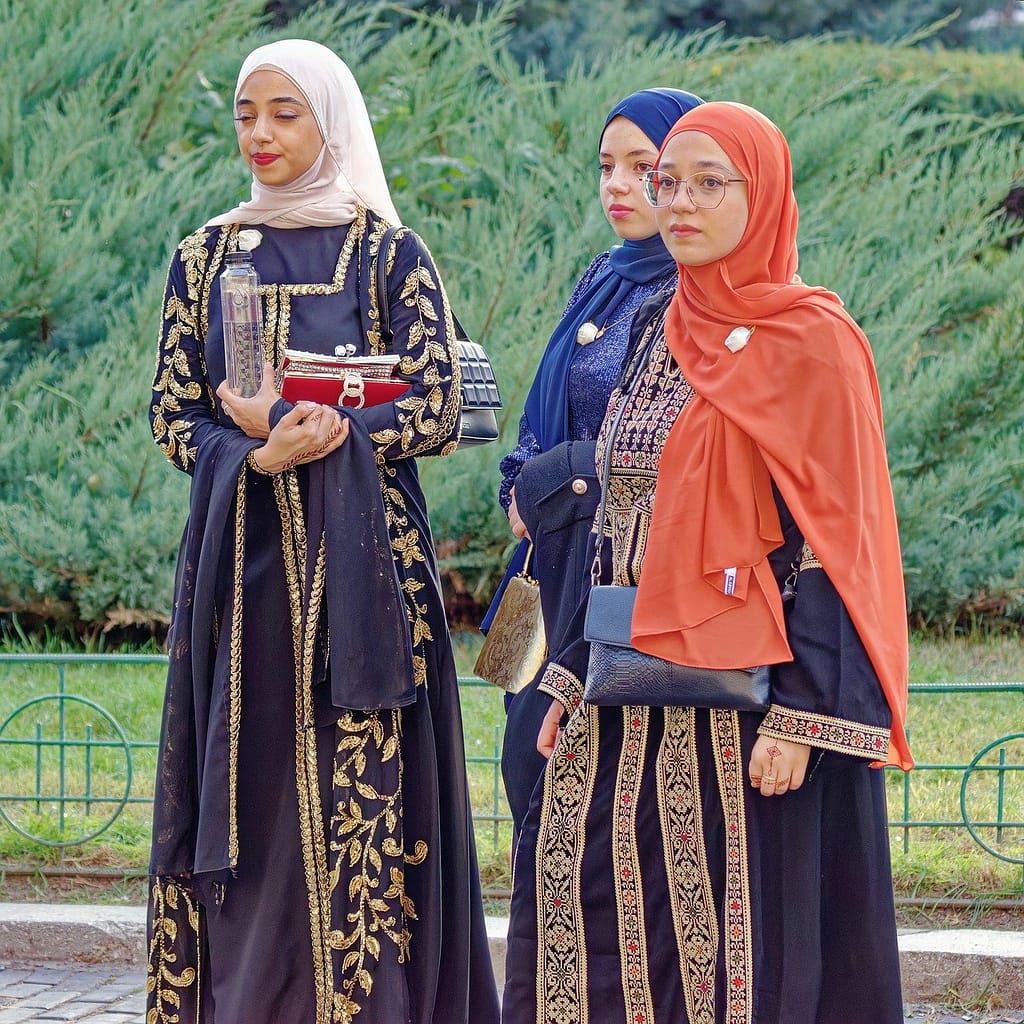
Any discussion about Muslim clothing begins with the concept of modesty. This principle is deeply rooted in Islamic teachings and emphasizes dressing in a way that respects oneself and the surrounding community. By prioritizing modesty, you not only align with your faith but also express your individuality through stylish and appropriate attire. This intersection of elegance and principle fosters a sense of empowerment and identity for Muslims globally.
Cultural Significance of Modesty
After delving into the concept of modest clothing, it becomes clear that it embodies a rich cultural significance. For many, modesty serves as a symbol of self-respect, dignity, and adherence to spiritual values. As you explore this aspect, you uncover how traditional garments carry stories and identities, reflecting the unique backgrounds and beliefs of individuals and communities.
Ethical Considerations in Fashion
An important aspect of today’s fashion landscape is ethical considerations, particularly for Muslim clothing. As you navigate your wardrobe choices, think about where your clothes come from and the impact they have on the people and the planet. Ethical fashion promotes fair labor practices, sustainable materials, and supports local artisans, allowing you to make informed choices that align with your values.
Considerations around ethical fashion extend beyond mere aesthetics; they encompass the treatment of workers and environmental sustainability. By opting for eco-friendly fabrics and brands that prioritize ethical practices, you contribute to a more just and responsible industry. This conscious approach not only enhances your wardrobe but also promotes positive change in the global fashion landscape, ensuring that your clothing choices reflect both modesty and integrity.
The Integration of Eco-Friendly Fabrics in Muslim Fashion
There’s a growing movement within Muslim fashion that embraces eco-friendly fabrics, blending sustainability with modesty. As you explore this trend, you will notice an increasing array of options made from organic cotton, linen, and bamboo, allowing you to enjoy stylish outfits without compromising on your values. This integration reflects a commitment to preserving the environment while celebrating cultural identity, ultimately promoting a more responsible approach to fashion that resonates with many modern consumers.
Innovative Designs and Patterns
Across the fashion landscape, designers are redefining Muslim clothing with innovative designs and patterns utilizing eco-friendly fabrics. You can find stunning pieces that feature intricate embroidery, bold prints, and contemporary silhouettes, all crafted to highlight sustainability. This artistic approach not only meets your modesty requirements but also champions creativity and individuality, giving you the freedom to express your unique style.
Leading Brands and Their Contributions
Their commitment to sustainability has paved the way for a more conscious fashion industry, as many brands are now prioritizing eco-friendly materials in their collections. You will find numerous labels that specialize in modest wear, reflecting the principles of Islamic fashion while using biodegradable and ethically sourced fabrics. This shift demonstrates an understanding of the importance of both your fashion choices and their impact on the planet.
Understanding the contributions of leading brands in the eco-friendly Muslim fashion space is vital for informed consumers like you. Brands such as Aab, Naayna, and Yara are setting benchmarks not only through their sustainable practices but also by creating beautiful clothing lines that cater to modest fashion needs. By selecting garments from these companies, you support a movement that champions ethical consumption while enjoying stylish, responsible options. With a range of choices available, you can align your fashion preferences with values that promote environmental well-being.
Challenges in Sustainable Modesty Fashion
All sustainable modesty fashion faces hurdles that can impact its growth and acceptance. The brand ethos of eco-friendly practices must align with traditional values while appealing to a diverse consumer base. Balancing these aspects requires strategic innovation and education, highlighting the importance of sustainability in modest fashion. As you navigate this landscape, understanding these challenges can empower you to make informed choices that promote both ethical and stylish wardrobe options.
Market Demand and Perception
After years of growth in the modest fashion industry, you may find that sustainable products still struggle to gain traction among mainstream consumers. Educating the market about the benefits of eco-friendly fabrics and shifting perceptions about sustainability being synonymous with quality can play a significant role. By highlighting how fashion can be both stylish and responsible, you can encourage others to embrace sustainable choices in their modest wardrobe.
Affordability and Accessibility
Any attempt to promote sustainable fabrics in modest fashion often faces challenges regarding their affordability and accessibility. High-quality eco-friendly materials can come with a higher price tag, making it difficult for you to justify the investment compared to fast fashion alternatives. It is vital to find solutions that address these barriers, empowering you to incorporate sustainability into your wardrobe without compromising your budget.
Accessibility to sustainable modest clothing varies by region, affecting your ability to find these options in stores or online. As you seek eco-friendly fabrics, consider supporting brands that prioritize inclusivity and fair pricing. Expanding your search to local artisans and small businesses can provide both ethically-made and affordable choices. By making conscious shopping decisions, you contribute to a more sustainable future while maintaining your commitment to modest style.
Case Studies: Successful Eco-Friendly Muslim Clothing Lines
Keep an eye on progressive Muslim clothing lines that are setting standards for eco-friendliness:
- Majlis House: Focuses on sustainable fabrics, reducing waste by 30% through upcycling.
- Junaid Jamshed (J.): Launched a sustainable collection, with 50% organic cotton and eco-friendly dyes.
- Amara: Uses recycled polyester, achieving a reduction of over 40% in carbon emissions per garment.
- Ella’s Closet: Committed to a zero-waste policy, donating excess fabric and reducing landfill waste significantly.
Regional Examples of Sustainable Fashion
Clothing brands across various regions are embracing ethical production practices. In the Middle East, platforms like Dubai Modest Fashion Week showcase eco-friendly designs, while Indonesia’s artisanal labels focus on natural fibers, promoting local craftsmanship. This regional diversity highlights the global push for sustainable fashion within the Muslim community.
Consumer Reactions and Adoption
Among the growing interest in eco-friendly Muslim clothing, consumers are increasingly seeking sustainable options. The shift towards environmentally conscious fashion reflects a deeper awareness of climate impact and social responsibility among shoppers.
This trend is evident in rising sales figures for eco-friendly Muslim clothing lines, as consumers actively choose brands that align with their values. Surveys indicate that over 70% of Muslim consumers prefer sustainable materials, leading to increased investments from brands aiming to meet this demand. Social media campaigns and word-of-mouth endorsements have further fueled interest, underscoring the desire for a modest wardrobe that is both stylish and sustainable.
Future Trends in Eco-Friendly Muslim Clothing
For those interested in sustainable fashion, the future of eco-friendly Muslim clothing holds great promise. As conscious consumerism continues to gain momentum, you can expect to see a surge in innovative designs that blend modesty with environmentally responsible practices. This trend not only enhances the aesthetic of traditional outfits but also emphasizes the importance of ethical fashion choices that align with your values and beliefs.
The Role of Technology and Innovation
By incorporating advanced technologies and innovative materials, the landscape of eco-friendly Muslim clothing is rapidly evolving. Designers are now exploring options such as biodegradable fabrics and water-saving production methods, enabling you to enjoy beautiful attire that minimizes environmental impact. The marriage of tradition and modernity is set to redefine how you perceive modest fashion.
The Impact of Consumer Awareness
Innovation in eco-friendly fabrics is closely linked to your awareness as a consumer. Your growing interest in sustainability is prompting brands to rethink their practices and develop clothing that prioritizes the planet.
Even small shifts in consumer awareness can lead to significant changes in the fashion industry. When you actively choose sustainable Muslim clothing, you not only support brands committed to ethical practices, but you also inspire others to become more conscious of their purchasing decisions. As your knowledge of eco-friendly options expands, you play a vital role in driving the demand for sustainable solutions in the Muslim fashion market, ultimately fostering a brighter, greener future.
To wrap up
The choice of eco-friendly fabrics in Muslim clothing offers you a sustainable way to embrace modesty without compromising on environmental values. By selecting materials that are both ethically sourced and biodegradable, you can enhance your wardrobe responsibly while promoting a healthier planet. As you explore various options, keep in mind that your choices can make a significant impact on sustainability, allowing you to express your personal style while fostering a more eco-conscious lifestyle.