Table of Contents
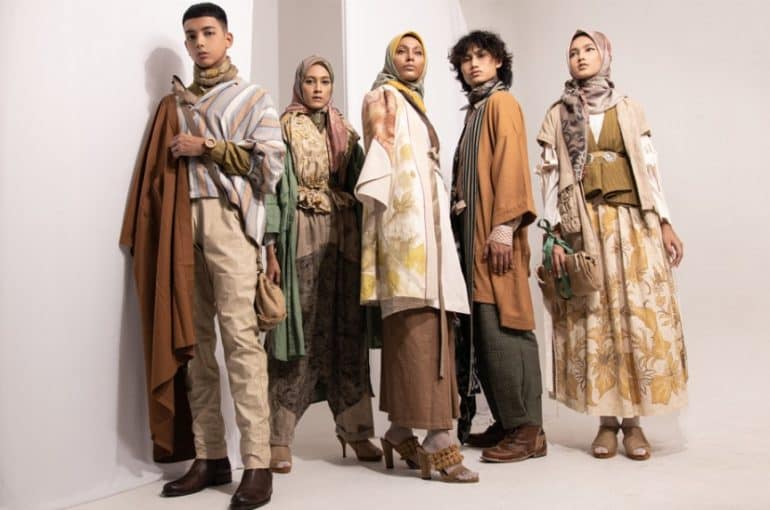
Most individuals interested in fashion and cultural heritage are increasingly recognizing the significance of traditional Muslim clothing and its intricate craftsmanship. This blog post explores how artisans are dedicating themselves to reviving these time-honored garments, ensuring that the skills and techniques passed down through generations are preserved, and all about reviving traditional Muslim clothing. By highlighting the meticulous work that goes into each piece, you can illuminate the stories behind the fabrics and designs, fostering a deeper appreciation for cultural identity within contemporary contexts. Shedding light on this revival, invite readers to better understand the artistry involved in traditional Muslim attire.
The Artisanship Behind Traditional Muslim Garments
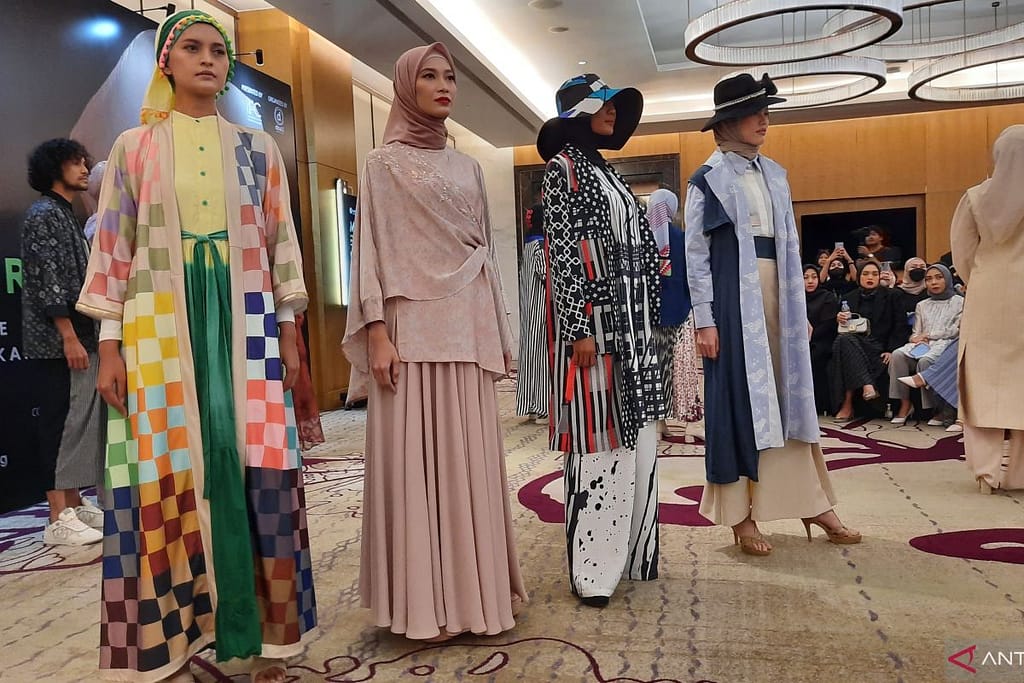
In the world of traditional Muslim clothing, artisanship thrives through a blend of age-old techniques and modern innovation. You may be found in bustling marketplaces, where time-honored practices are passed down from generation to generation, imbuing each garment with a sense of identity and cultural heritage. Their craftsmanship transcends mere fabric, embodying stories and beliefs that have shaped communities throughout the centuries. This dedication to quality and meticulous attention to detail transforms each piece into a work of art, encapsulating the rich narrative of Muslim identity in every stitch.
- Mastery of Techniques: Stitches That Tell a Story
Advanced stitches, such as the intricate kantha in Bengali garments or elaborate zardozi embroidery in South Asian attire, offer a glimpse into the cultural significance of each piece. These artisans dedicate years to honing their skills, ensuring that each stitch resonates with purpose and meaning. They incorporate symbols representing protection, love, and strength, which can transform a simple garment into a powerful vessel of tradition and storytelling.
- The Role of Materials: From Silk to Cotton – Weaving Culture into Fabric
Materials play a pivotal role in the creation of traditional Muslim garments, with choices often reflecting local customs and climatic conditions. Luxurious silks are favored for formal occasions, conveying elegance and finesse, while breathable cotton is commonly used in everyday attire for comfort and practicality. Each material is not only chosen for its aesthetic qualities but also for its cultural relevance, connecting wearers to their heritage and environment.
In regions such as Indonesia, handwoven ikat designs are deeply tied to the local identity, representing historical narratives and spiritual connections. In contrast, in the Middle East, lightweight cotton blends are chosen for their comfort and adaptability to the arid climate, reflecting the practical demands of daily life. Artisans are attuned to the properties of various textiles, understanding how silk, cotton, and other materials can aesthetically and functionally support the diverse range of traditional clothing styles. Each fabric choice underscores a dialogue between the wearer and their cultural background, weaving memories and aspirations into the very fibers of their attire.
Revitalizing Heritage through Design Innovation

Through innovative design, traditional Muslim clothing is experiencing a resurgence that not only preserves heritage but also appeals to a modern audience. Designers are harnessing the beauty of traditional craftsmanship while incorporating contemporary elements, allowing for a unique fusion that maintains cultural significance. This revival is marked by a growing appreciation for authentic techniques, evidenced by collaborations between seasoned artisans and progressive designers who aim to redefine the identity of Muslim fashion for today’s consumers.
- Blending Tradition with Modern Aesthetics: A New Era for Designers
Designers are seamlessly merging traditional motifs with modern silhouettes, creating garments that speak to both heritage and contemporary style. By experimenting with fabrics, cuts, and colors, they cater to diverse tastes while respecting the cultural roots of the clothing. This balance between old and new not only enhances the appeal of traditional attire but also invites younger generations to embrace their heritage in a stylish manner.
- Sustainable Practices: Crafting a Future with Eco-Friendly Materials
The push for sustainable practices within the fashion industry is gaining momentum, influencing how traditional Muslim clothing is produced. Designers are increasingly opting for eco-friendly materials, such as organic cotton, linen, and recycled fabrics, which not only promote environmental responsibility but also artisanship. By investing in sustainable practices, they ensure that the creation of traditional garments leaves a minimal ecological footprint, supporting both the artisans and the planet.
Utilizing materials such as organic cotton and bamboo, designers are minimizing the environmental impact associated with traditional garment production. For instance, some labels are partnering with local artisans to create unique pieces that not only preserve traditional techniques but also use dyes derived from natural sources. This approach not only highlights the craftsmanship behind the garments but also educates consumers on the importance of sustainability in fashion.
Fashioning Identity: The Social Significance of Traditional Attire
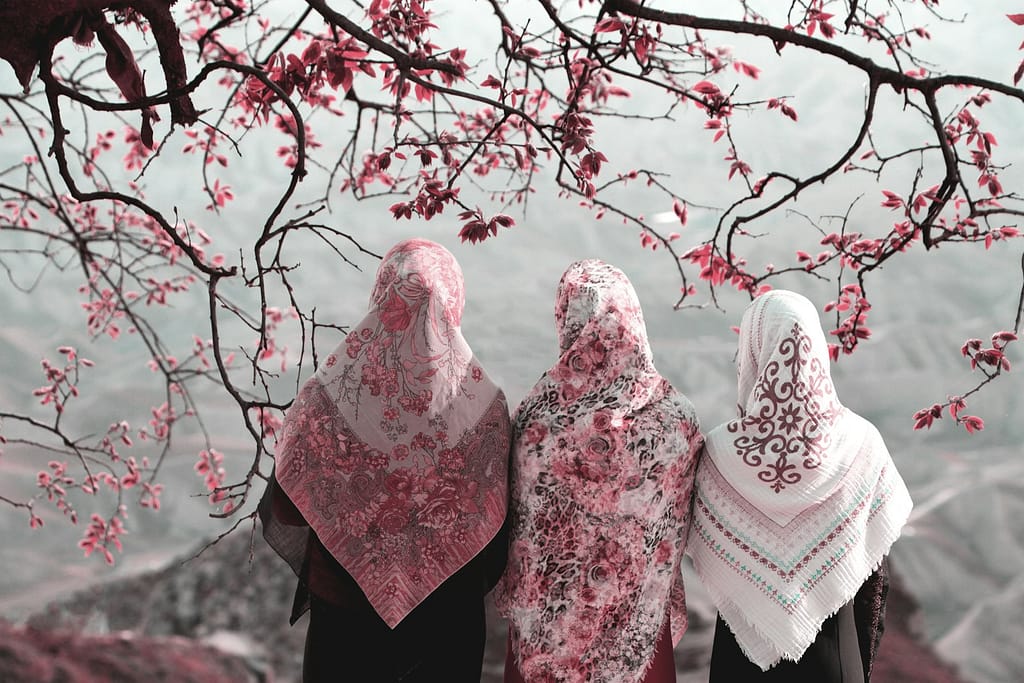
Traditional attire extends beyond mere fabric and thread; it embodies a rich tapestry of identity within Muslim communities. Each garment not only conveys personal style but signifies cultural affiliations, religious beliefs, and social status. As individuals traditional clothing, they assert their values and beliefs while fostering connections with their heritage and community, reinforcing the cultural narratives that shape their everyday lives.
- Cultural Pride: How Clothing Reflects Heritage and Belonging
Cultural pride is deeply interwoven with traditional clothing, as garments often carry historical significance and familial connections. For many, wearing a beautifully crafted abaya or a vibrant kaftan is an assertion of belonging that honors ancestral legacy. These pieces are not merely clothing; they represent a link to the past, allowing individuals to showcase their heritage with pride, especially during significant cultural celebrations and gatherings.
- Global Influence: The Rise of Muslim Fashion in the International Scene
The rise of Muslim fashion on the international scene showcases a blend of traditional garments with modern aesthetics. Designers are now captivating global audiences by infusing modest fashion with contemporary styles, bringing attention to Islamic fashion’s diversity and creativity. Fashion weeks are increasingly featuring collections that highlight modesty while being trendsetting, elevating Muslim designers into the limelight.
Major fashion events, such as New York and London Fashion Weeks, now frequently showcase Muslim designers, featuring styles that emphasize elegance while upholding cultural values. These developments indicate that Muslim fashion is not solely a niche market but a growing force in the global fashion industry, attracting attention from influential fashionistas and creating a vibrant dialogue about modest attire’s relevance in today’s world.
Challenges to Preservation: Navigating Modernity and Tradition
Heeding the call of modernity, traditional Muslim clothing faces numerous challenges as artisans strive to uphold their cultural heritage. The tension between embracing contemporary fashion trends and preserving authentic designs creates a complex landscape for those dedicated to traditional craftsmanship. Navigating this space requires a delicate balance where respect for tradition must coexist with the demands of a rapidly changing market driven by globalization and evolving consumer preferences.
- The Risk of Commercialization: Authenticity vs. Market Demand
The commercialization of traditional Muslim clothing poses significant risks to its authenticity. As designers respond to market demand, there is a tendency to simplify or alter traditional patterns and techniques for broader appeal. This often results in a diluted form of cultural expression, as the essence of craftsmanship can be overshadowed by mass production and profit-driven motives, leading to an erosion of genuine artistry.
- Education and Training: Ensuring Skills Survive for Future Generations
Training and education play pivotal roles in preserving the intricacies of traditional Muslim clothing craftsmanship. Many artisans are nearing retirement age without younger apprentices to carry on their skills, leaving a potential gap in knowledge transfer. Institutions and community-run workshops are stepping in to offer training programs that emphasize traditional techniques and cultural significance, ensuring that these vital skills are not lost.
Part of this initiative involves creating structured apprenticeship programs that connect seasoned artisans with young learners, allowing them to absorb the nuanced techniques that define traditional garments. For instance, workshops in various regions offer hands-on experiences in embroidery, weaving, and dyeing, often rooted in community practices. By integrating these educational frameworks, they are not only preserving craftsmanship but fostering a renewed appreciation for cultural identity among younger generations.
Supporting Local Artisans: The Economic Impact of Traditional Clothing
Reviving traditional Muslim clothing significantly impacts local economies by generating sustainable livelihoods for artisans and fostering a deeper appreciation for cultural heritage. By investing in handmade garments, consumers create demand that directly benefits skilled craftsmen, helping to sustain their communities and encourage the preservation of cultural practices. Through the promotion of these textiles, not only is the economic framework bolstered, but a sense of identity and pride is also nurtured within the artisans’ communities.
Community Empowerment: Jobs and Growth in Artisan Markets
Community empowerment emerges as local markets flourish through the demand for traditional clothing, as artisans find their skills highly valued. Women, often the backbone of these artisan groups, gain financial independence and confidence, which leads to enhanced participation in community affairs. They create not only garments but also jobs, contributing to a cycle of growth that uplifts entire families and neighborhoods.
- Promoting Local Economies: The Ripple Effect of Traditional Craftsmanship
Traditional craftsmanship fosters local economies in multifaceted ways, encouraging a ripple effect that extends beyond individual artisans. Local shops experience increased foot traffic, and surrounding businesses benefit from heightened interest as community events centered around traditional clothing occur. Moreover, as artisans embrace collaborations with restaurants, hotels, and cultural organizations, their reach expands, generating additional income streams and enhancing the overall economic landscape.
Evidence shows that regions heavily invested in traditional craftsmanship have witnessed substantial economic improvements. For instance, in areas like Morocco, artisan-focused markets boost not just garment sales but also tourism, creating a vibrant ecosystem around cultural appreciation. As markets grow, artisans often source materials from local suppliers, further strengthening ties within the community. This interconnectedness illustrates that investing in traditional crafts leads to a flourishing economy that benefits many sectors and promotes resilience against external market fluctuations.
Final Words
The revival of traditional Muslim clothing emphasizes the importance of craftsmanship, honoring rich cultural heritage while adapting to contemporary tastes. You can embraces this movement not only respects time-honored techniques but also supports artisans dedicated to their craft. They contribute to a broader understanding of identity and fashion, ensuring that traditional garments remain relevant in a modern context. By prioritizing quality and authenticity, you can pave the way for a renewed appreciation of Muslim attire that bridges generational gaps and showcases the artistry involved in its creation.