
Table of Contents
The global Islamic Clothing Market size is expected to grow USD 59.2 billion from 2025-2029, expanding at a CAGR of 9.1% during the forecast period. People are witnessing a dramatic change in the retail scene as the number of Muslim customers rises and their awareness of modest fashion grows. In addition to changing traditional apparel lines, this growing industry is drawing significant investment prospects for companies who are prepared to meet the needs of many cultural groups. The Muslim clothing industry is a thriving sector of global fashion that is worth investors’ attention as the demand for fashionable, modest clothes increases and they see the industry’s potential for sustainability and profitability.
The Rapid Growth of the Muslim Fashion Market
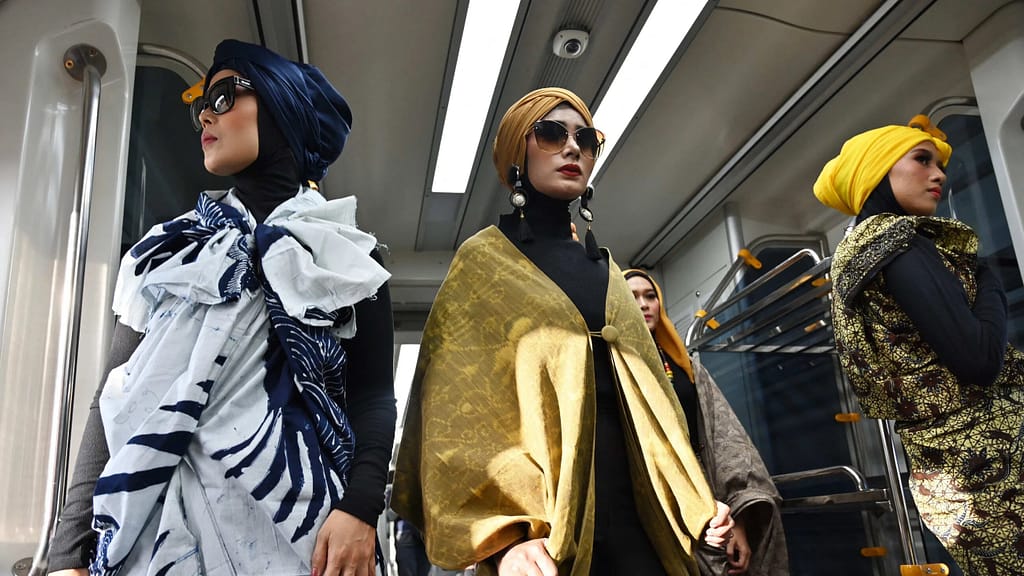
The Muslim fashion market has witnessed an unmistakable surge in growth, driven by an increasing global Muslim population and a shift toward modest clothing. Fashion designers and brands are now capitalizing on this unique niche, creating stylish yet culturally appropriate options that appeal to Muslim consumers. This transformation has led to an explosive rise in market engagement and accessibility, encouraging both established and new entrants to participate.
- Statistics Showcasing Industry Expansion
Religious observance is no longer the only aspect of the modest fashion trend. Among the main elements driving demand are Muslims Population Growth: The primary consumer base continues to be the world’s Muslim population, which is predicted to reach 2.2 billion by 2030. Adoption by the mainstream. Customers who are not Muslims are adopting modest clothing because of its adaptability, style, and coziness. A 2024 McKinsey report found that 35% of modest fashion buyers in the U.S. and Europe identify as non-Muslim. Inclusivity Movement: To increase their appeal, brands are accommodating a range of body shapes, cultural preferences, and gender-neutral fashions.
- Factors Driving Increased Demand
- Social media influencers play a significant role in shaping consumer preferences.
- The diversification of the clothing market has allowed for more options in style and affordability.
- Increasing acceptance of modest fashion culture within mainstream fashion sectors.
- Assume that many fashion houses are now producing collections that cater specifically to this demographic.
- A growing global appetite for ethical and sustainable fashion, often aligning with modest clothing principles.
- Collaboration between mainstream designers and Muslim fashion brands driving innovation.
- Emerging markets are providing a fertile ground for niche brands to address local preferences.
- Assume that educational initiatives are increasingly being organized to promote understanding and acceptance of modest fashion globally.
Shifting Consumer Preferences and Ethical Considerations
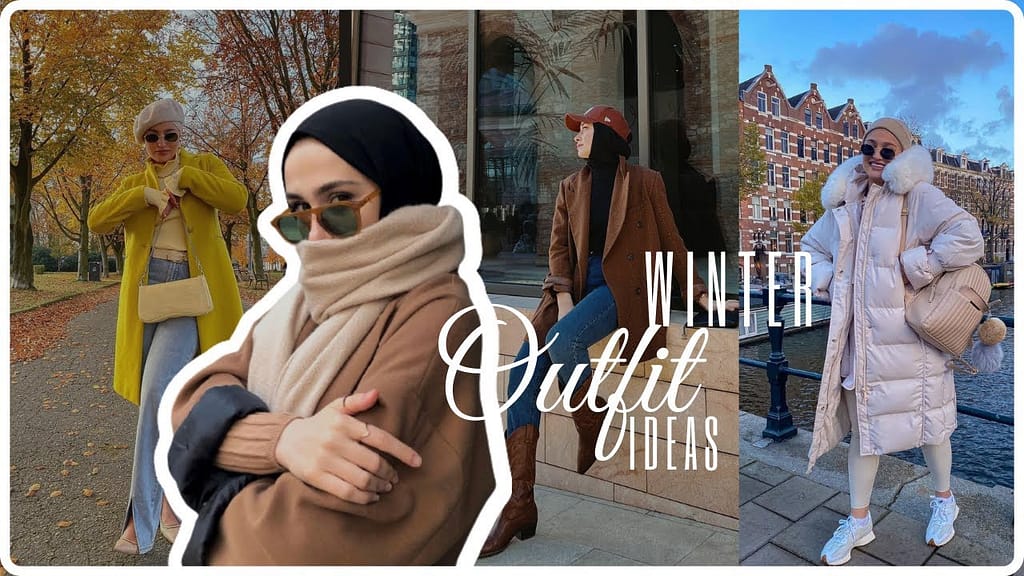
As individual tastes evolve, the demand for ethical and modest fashion is increasingly prioritized by consumers. This shift in preferences is founded on a deeper understanding of the socio-cultural values associated with clothing choices. Many individuals are now searching for attire that reflects their personal beliefs while being fashionable, leading to a convergence of modesty and contemporary style.
- The Rise of Modest Fashion Trends
Modest fashion has transformed from a niche market to a global phenomenon, attracting attention from both mainstream labels and independent designers. The growing visibility of social media influencers advocating for modest attire contributes significantly to this trend, as they offer innovative styling ideas that appeal to a younger generation. Retailers are responding by incorporating modest lines into their collections to cater to this expanding consumer base.
It was difficult for Muslim women to find loose, opaque, and suitably covering modest attire in department stores about ten years ago. Apart from that, the Muslim woman was constantly policed and deliberately excluded. A 2018 study by DinarStandard and Thomson Reuters found that Muslim consumers spent $270 billion on modest clothing in 2017. According to the report, the sector is predicted to grow by 4.8 percent annually, with revenues reaching $402 billion by 2024. Fashion brands have therefore taken notice of this expanding trend and hurried to serve this largely unexplored billion-dollar worldwide market.
- Sustainability and Ethical Sourcing in Muslim Clothing
Consumers are increasingly seeking brands that align with their values, emphasizing sustainable practices and ethical sourcing. This demand compels the Muslim fashion industry to adopt eco-friendly materials and transparent supply chains, ensuring that products not only meet aesthetic needs but also ethical criteria. Ethically sourced apparel can “compete” to some extent because it can be produced far more cheaply than consumers have come to anticipate from ethical fashion. Employ traditional and indigenous craft techniques, property is shared equitably, and designers don’t overcharge for their design.
Sustainability in the Muslim clothing sector is reshaping the industry landscape, as brands now prioritize eco-friendly textiles such as organic cotton, linen, and recycled polyester. Ethical sourcing practices are also on the rise, with many companies ensuring fair labor conditions and environmentally responsible production processes. Recognizing the importance of aligning profit and principles, several Muslim fashion brands have launched initiatives to educate consumers about the environmental impact of clothing production, leading to a broader dialogue around sustainable consumption. This commitment to ethical practices not only enhances brand loyalty but also positions these companies competitively in the global market.
Financial Opportunities and Market Potential
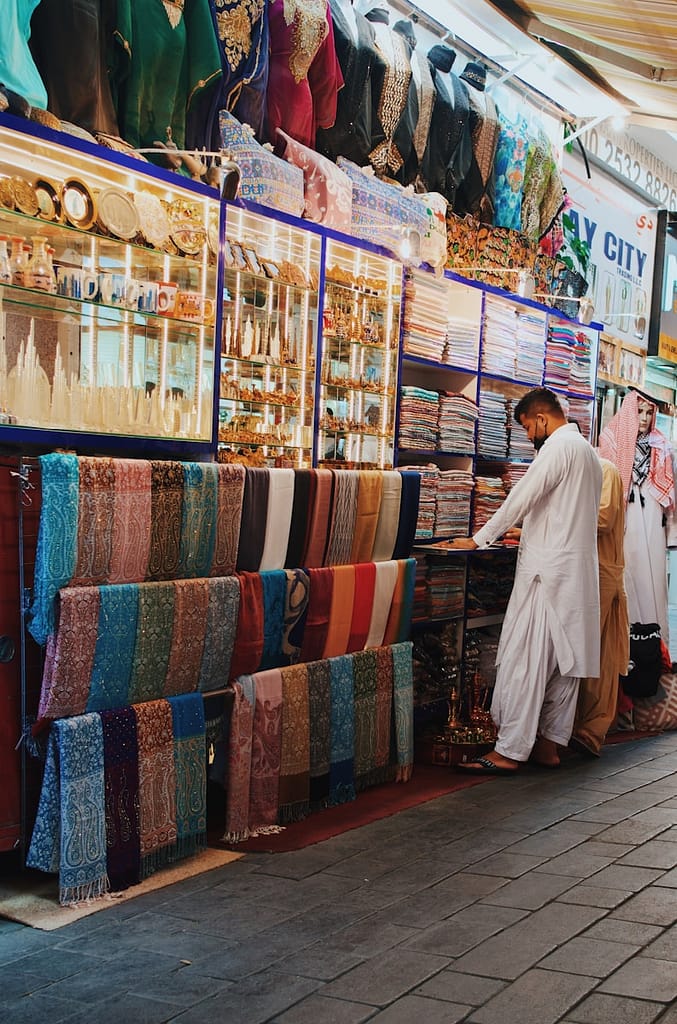
The financial prospects in the Muslim clothing industry are vast, with the global market projected to reach over $373 billion by 2024. This growth reflects an increasing number of consumers seeking stylish and modest options, which is driving demand across nearly all age demographics. Investors are keenly aware of this potential, recognizing that tapping into this niche not only promises profitability but also addresses the rising need for representation and inclusivity in fashion.
- Investment Trends in Muslim Apparel Ventures
Recent years have seen a marked uptick in investments targeting Muslim apparel brands, with venture capitalists and private equity firms eager to back innovative companies that cater to the modest fashion market. Reports indicate that funding in this sector rose by over 30% in just two years, as established brands and start-ups alike combine traditional styles with contemporary trends to attract a broader audience.
- The Role of E-commerce in Expanding Accessibility
E-commerce has revolutionized the Muslim clothing industry by breaking geographical barriers, allowing brands to reach customers around the globe. Online shopping platforms offer a diverse range of modest fashion, enabling buyers to access unique, culturally relevant apparel from anywhere with an internet connection. This shift not only boosts sales for retailers but also enhances customer experiences, creating a more inclusive environment for those seeking stylish options that align with their values.
The impact of e-commerce on the Muslim clothing market is profound. Many brands have optimized their online presence through user-friendly websites and targeted social media marketing, effectively engaging consumers who prefer convenience and variety. For instance, platforms dedicated to modest fashion are experiencing significant traffic growth. Furthermore, global shipping options and localized marketing strategies allow brands to cater to distinct cultural preferences, making it easier for consumers to find attire that resonates with their identities while contributing to the overall expansion of the market.
Cultural Influences Shaping the Industry
Within the Muslim clothing industry, cultural influences play a significant role in shaping fashion trends and consumer preferences. Traditional designs often blend with contemporary aesthetics, reflecting a synthesis of heritage and modernity that appeals to diverse audiences. This fusion is evident in various garments, where regional styles and textiles are incorporated into everyday wear, creating a vibrant and dynamic fashion landscape.
- The Impact of Globalization on Muslim Fashion
Globalization has significantly transformed Muslim fashion, introducing new styles and ideas while enabling cross-cultural exchanges. With access to international markets and online platforms, designers are now able to showcase their creations to a global audience. This exposure not only broadens brand reach but also encourages the adoption of diverse styles that resonate with younger consumers who seek to express their identity through fashion.
- Collaborations Between Traditional and Contemporary Designers
The intersection of traditional and contemporary designers has led to innovative collections that challenge conventional boundaries. Various collaborations manifest in runway shows, pop-up shops, and exclusive lines that reimagine modest clothing, appealing to both hajj and hijab fashion enthusiasts. By marrying craftsmanship with modern silhouettes, these partnerships create unique fashion statements that resonate across cultural divides.
Collaborations between traditional and contemporary designers have gained considerable traction in the Muslim clothing industry, breathing new life into age-old practices. For instance, notable partnerships like that of luxury brand Ralph Lauren and Muslim designer Hana Tajima illustrate how traditional motifs and craftsmanship can be elegantly incorporated into mainstream fashion lines. This approach not only preserves cultural authenticity but also speaks to a broader demographic, fostering a sense of global community while remaining true to individual heritage. Such initiatives underscore the importance of inclusivity and innovation in a rapidly evolving marketplace, exciting both investors and consumers alike.
The Role of Innovative Marketing Strategies
Innovative marketing strategies have become vital in positioning Muslim clothing brands within a competitive fashion landscape. By implementing approaches that resonate with values like sustainability and inclusivity, brands can appeal to their target demographics effectively. Utilizing storytelling and cultural narratives helps to create a deeper connection with consumers, allowing brands to stand out in an intensely saturated market. The fusion of traditional heritage with modern aesthetics enhances their relevance, driving interest among potential buyers.
- Engaging with Millennial and Gen Z Consumers
Millennials and Gen Z consumers, known for their strong values around identity and ethics, are being effectively engaged by Muslim fashion brands through relatable messaging and authentic storytelling. By aligning their offerings with the values of these generations—such as inclusivity, sustainability, and cultural pride—brands can create memorable experiences that foster loyalty and encourage sharing within these communities. This approach not only drives sales but also cultivates a sense of belonging among consumers.
- Leveraging Social Media to Expand Reach
Social media platforms serve as powerful tools for Muslim clothing brands, enabling them to connect with diverse audiences across the globe. These platforms facilitate direct engagement, allowing brands to showcase their designs, share customer testimonials, and promote cultural stories that resonate with a broader audience. As visual content thrives online, brands intelligently utilize platforms like Instagram and TikTok to create eye-catching campaigns that appeal to younger consumers, encouraging user-generated content and organic brand advocacy.
By harnessing the visual nature of social media, brands create dynamic content that elevates their visibility and appeal. Engaging influencers from the Muslim community helps to amplify their message, reaching followers who trust their recommendations. For example, brands such as Modanisa and Aab have leveraged partnerships with popular influencers to showcase their collections, leading to spikes in engagement and sales. Additionally, interactive campaigns that invite consumer participation—from hashtag challenges to photo contests—further enhance engagement, creating a buzz around modest fashion.
Summing up
The rising interest of investors in the Muslim clothing industry reflects a keen awareness of the expanding global market driven by increasing demand for modest fashion. As they recognize the diverse and lucrative opportunities that cater to a growing Muslim consumer base, investors are strategically positioning themselves to capitalize on this trend. They understand the importance of cultural authenticity and quality, which is vital for success in this niche market. With a positive growth trajectory, the Muslim clothing sector presents a promising avenue for financial ventures and brand development.