Table of Contents
Social media has transformed the retail landscape, particularly in the niche market of Muslim clothing sales. You can observe how platforms like Instagram and Facebook allow brands to connect directly with consumers, showcasing diverse styles of modest fashion. Through targeted marketing and influencer collaborations, businesses leverage social media to enhance brand visibility and engage with their audience. As trends shift and consumer preferences evolve, understanding the influence of these digital platforms on Muslim clothing sales is imperative for both established retailers and emerging designers.
The Intersection of Culture and Fashion

Understanding the relationship between culture and fashion reveals the uniqueness of Muslim clothing. Muslim women often blend traditional attire with contemporary styles, creating a fusion that respects cultural values while celebrating individuality. Designers are increasingly showcasing their collections on social media platforms, where they can reach diverse audiences eager for culturally resonant fashion. This interplay between cultural identity and fashion choices not only empowers wearers but also elevates modest fashion to an important category in the global marketplace.
- Cultural Significance of Modest Fashion
Modest fashion carries profound cultural significance, often reflecting the historical and religious values of the Muslim community. It serves as a means for individuals to express their identity and beliefs while adhering to guidelines of modesty. As this fashion trend evolves, it continues to reclaim narratives around women’s empowerment, transcending mere clothing to become a statement of cultural pride and agency.
- Evolving Trends in Muslim Clothing
Recent years have seen a shift in Muslim clothing trends, with an increased demand for stylish yet modest options. Greater access to social media has ushered in an era where influencers play a vital role in shaping these trends. Brands are now employing innovative fabrics, colors, and designs that cater to the modern woman’s wardrobe, balancing aesthetics with modesty. This evolution not only reflects changing consumer preferences but also showcases an embrace of cultural diversity, with some brands even collaborating with non-Muslim designers to expand their offerings.
As the demand for Muslim clothing continues to grow, designers are experimenting with silhouettes, layering, and textures that blend tradition with modern styles. Collections now often include vibrant colors and bold patterns, appealing to younger audiences who want to express their personal style while remaining modest. Social media platforms like Instagram and TikTok serve as marketing avenues where these evolving trends gain traction, particularly through user-generated content and influencer endorsements that shape public perception and drive sales. Brands that adapt quickly to these changes are seeing significant growth in their customer bases and sales figures, illustrating the dynamic nature of Muslim fashion in today’s retail environment.
Social Media: The Game-Changer for Retail
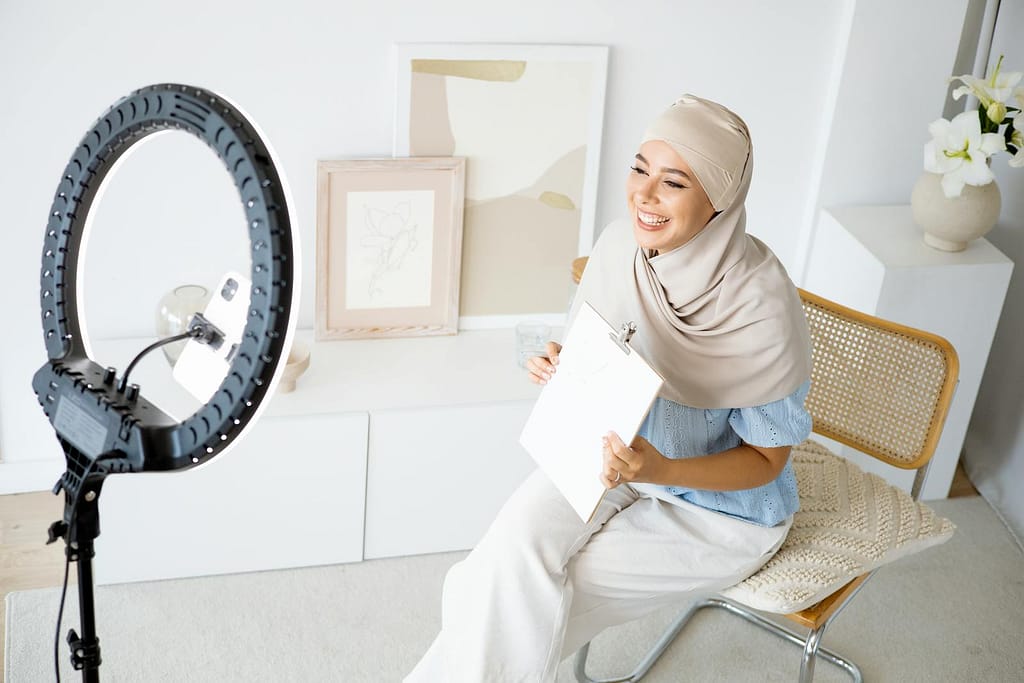
Social media has fundamentally transformed the retail landscape, particularly within the niche of Muslim clothing. By providing brands a platform to connect and engage with their target audience on a personal level, social media has significantly increased brand awareness and customer loyalty. The ability to showcase products in real-time allows retailers to generate buzz and drive sales directly through these channels, effectively turning social media into a virtual storefront. Notably, brands focusing on Muslim attire have seen remarkable growth by leveraging stories, posts, and advertisements tailored specifically to cultural preferences and community values.
- Platforms Driving Engagement: A Deep Dive
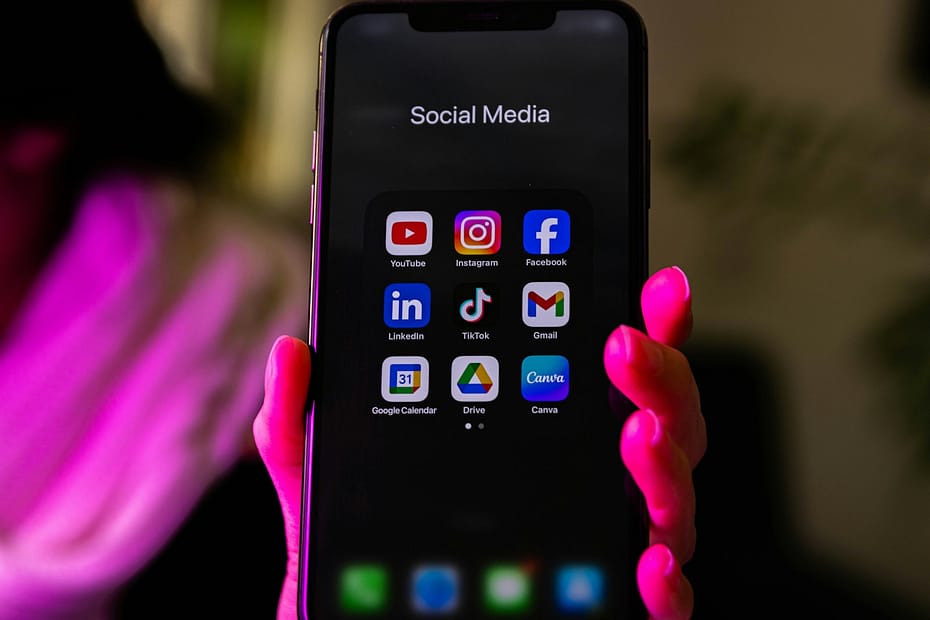
Instagram, Facebook, and TikTok are the primary platforms shaping engagement levels for Muslim clothing retailers. Each platform offers unique tools that cater to visual storytelling, allowing brands to create captivating content that resonates with their audience. For instance, Instagram has evolved into a marketplace where users expect aesthetically pleasing posts and influencer partnerships that reflect their personal style and values. Meanwhile, TikTok’s emphasis on short, catchy videos presents opportunities for brands to showcase outfits in dynamic and entertaining ways, ultimately driving traffic to their e-commerce sites.
- The Power of Visual Storytelling in Marketing
Visual storytelling serves as a potent marketing strategy that effectively captures attention and fosters emotional connections with customers. Through a combination of compelling imagery, relatable narratives, and cultural symbolism, brands can convey their messages uniquely and memorably. Muslim clothing brands that utilize visual storytelling often highlight the versatility of their garments, showcasing them in diverse settings—from casual outings to formal events—thereby appealing to a broader audience and enriching their market reach.
Influencer Collaborations: A New Age of Promotional Strategies
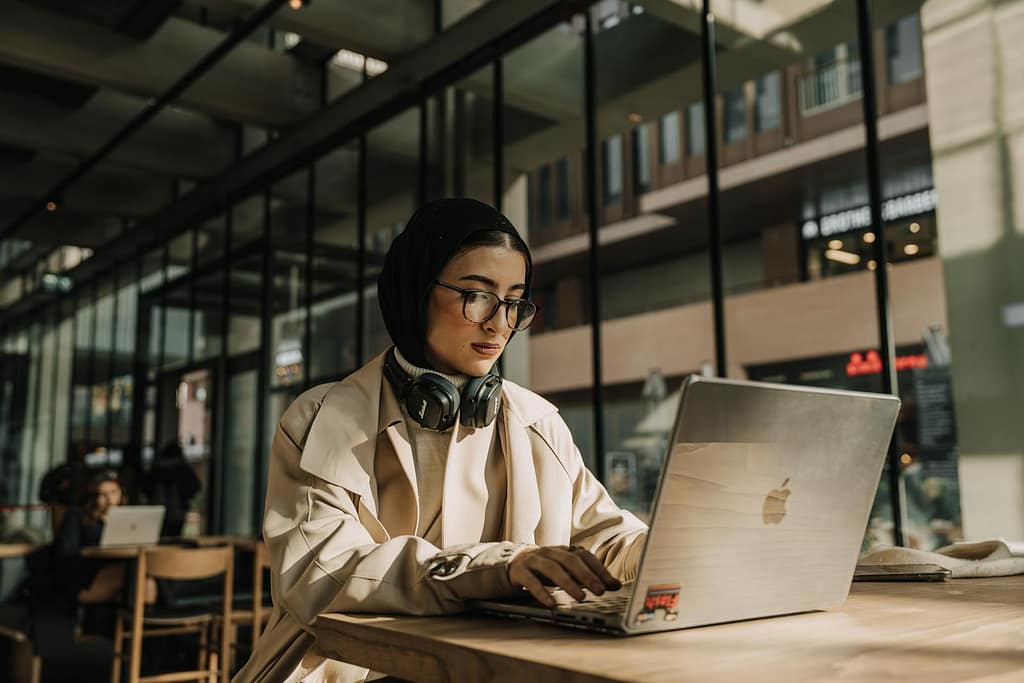
Influencer collaborations have become a pivotal strategy in marketing Muslim clothing, allowing brands to tap into highly engaged communities. By partnering with influential figures who resonate with their target audience, clothing brands can reach potential customers authentically and effectively. Influencers bring unique creativity to promotions, showcasing clothing in an aspirational yet relatable manner, which can lead to increased brand awareness and sales, as they often have audiences that trust their recommendations.
- Identifying Key Influencers within the Community
Brands must identify influencers who genuinely represent their values and aesthetics. This means looking for individuals who not only have a considerable following but also actively engage with their community. The best candidates are those who reflect the diversity within the Muslim community, catering to different styles and preferences, thus creating a meaningful connection with potential buyers.
- Strategies for Effective Partnerships in the Fashion Space
Effective partnerships in the fashion space can hinge on creating authentic collaboration frameworks. Brands may benefit from co-designing capsule collections with influencers or hosting joint events that appeal to their shared audiences. Collaborations can also include product giveaways, style challenges, and exclusive discount codes, enabling influencers to drive immediate traffic and sales. Furthermore, utilizing data analytics to track engagement rates and conversion statistics helps refine strategies for future partnerships.
A successful strategy for partnerships involves thorough planning and alignment of goals between the brand and the influencer. Mapping out mutual objectives—such as increasing engagement or driving sales—can streamline efforts and create a cohesive marketing message. By ensuring both parties have clearly defined roles and leveraging each other’s strengths, brands can foster long-lasting relationships that benefit both sides. Frequent communication and feedback loops will further enhance the collaboration’s effectiveness, leading to campaigns that resonate deeply with audiences while boosting brand credibility.
Data-Driven Decisions: Metrics and Analytics for Growth
Implementing data-driven decisions allows Muslim clothing brands to make informed strategic choices that enhance their market presence. By leveraging analytics, retailers identify trends and tailor their offerings to meet customer preferences. Real-time insights help brands understand which products resonate with their audience, ultimately driving sales and improving customer satisfaction.
- Measuring Engagement and Conversion Rates
Tracking engagement and conversion rates provides valuable feedback for Muslim clothing brands. Metrics such as click-through rates, likes, shares, and comments offer insight into how effectively their content connects with audiences. Analyzing the conversion rate, which reflects the percentage of engaged users who make a purchase, can pinpoint successful campaigns and highlight areas needing improvement.
- Utilizing Insights to Adapt Marketing Strategies
Insights gained from social media metrics empower brands to adapt their marketing strategies in real time. Recognizing patterns in customer behavior and preferences enables retailers to optimize content, refine their messaging, and target specific demographics, ensuring campaigns are both relevant and appealing.
Brands that effectively adapt their marketing strategies based on insights from analytics often see significant increases in sales. For example, if data reveals that a specific style of hijab garners higher interaction during certain times of the year, brands can curate promotional content around that timeline. Similarly, understanding which social channels yield the highest engagement allows brands to focus their advertising spend more efficiently, maximizing their return on investment. This proactive approach not only enhances customer experience but also fosters brand loyalty, as customers appreciate the tailored offerings aligned with their tastes and needs.
Building Community Through Brand Authenticity
Brand authenticity fosters a sense of belonging among consumers who share similar values and cultural identities. Muslim clothing brands achieve this by showcasing genuine representation of their heritage and beliefs, which helps create a loyal customer base. By sharing stories about their designs, sourcing ethical materials, and engaging with their audiences in meaningful ways, brands can enhance their credibility and deepen relationships within the community.
- Fostering Connection with Target Audiences
Effective communication and engagement strategies are vital for fostering connections with target audiences. Muslim clothing brands often use social media platforms to share their customers’ stories, celebrate cultural milestones, and invite feedback. By creating an open dialogue, they empower their audience, encourage participation, and build a strong community that resonates with their brand values.
- The Role of Social Responsibility in Brand Loyalty
Social responsibility plays an imperative role in cultivating brand loyalty among consumers. Brands that actively advocate for social causes, whether related to environmental sustainability or community empowerment, resonate deeply with shoppers who prioritize ethics in their purchasing decisions. This alignment not only enhances the brand image but also solidifies a loyal customer base that feels invested in the brand’s mission.
Focusing on social responsibility can significantly influence customer engagement and loyalty. For instance, Muslim clothing brands that contribute a portion of their sales to charitable organizations or engage in community service projects often see a boost in brand perception. Customers appreciate brands that reflect their values, leading to repeat purchases and word-of-mouth referrals.
Final Words
Hence, social media has become a powerful tool in enhancing the visibility and sales of Muslim clothing brands. Recognize its ability to connect with a diverse audience, showcase unique styles, and promote cultural identity. By leveraging platforms like Instagram and Facebook, brands can engage directly with customers, fostering a community around their products. This digital interaction not only drives sales but also encourages brand loyalty, making social media an necessary component in the growth strategy of Muslim clothing retailers.