
Table of Contents
It’s a testament to the rich cultural tapestry of the Middle East that contemporary abaya designs are making waves in the fashion world. Shedding light on the evolution of these traditional garments, you will explore how modern interpretations blend heritage with current trends. This blog will showcase various styles of trendy abaya designs that pay homage to Middle Eastern artistry while appealing to today’s fashion sensibilities, highlighting the significance of color, fabric, and intricate embellishments. By understanding this artistic fusion, one can appreciate how abayas continue to inspire and influence global fashion discourse.
Reviving Traditional Motifs: The Art of Abaya Design

Palette selections and fabric choices play a dynamic role in the revival of traditional motifs in abaya design. Designers are increasingly weaving intricate historical patterns into contemporary silhouettes, allowing for a unique blend of heritage and modernity. This fusion not only respects the origins of these designs but also makes them accessible and appealing to a broader audience. In a world where cultural identity is often at risk of being overshadowed, the thoughtful revival of these concepts has become a way for designers to celebrate and preserve their ancestral roots.
- Historical Significance of Patterns
Patterns used in abaya designs often carry deep historical significance, representing various tribes, regions, and cultural stories. For centuries, motifs such as floral designs and geometric shapes have symbolized beauty, protection, and heritage. Each stitch and weave can tell a unique story, connecting generations through art and identity. Many designers look to these traditional patterns not just for aesthetics, but as a tribute to their rich ancestral backgrounds that have shaped modern wear.
- Modern Interpretations of Trendy Abaya Designs
Contemporary designers breathe new life into classic abaya designs by incorporating modern elements while staying true to their roots. The use of innovative materials, vibrant colors, and varied cuts allows these timeless pieces to appeal to the modern consumer. For instance, high-low hemlines or asymmetrical cuts introduce a fresh edge while still honoring traditional embroidery techniques. These reimagined styles showcase the seamless integration of age-old craftsmanship with the current fashion landscape.
By merging traditional designs with contemporary aesthetics, designers are able to appeal to a diverse audience seeking both authenticity and modern flair. For example, the recent emergence of cropped abayas adorned with intricate beadwork combines the elegance of heritage with the style sensibilities of today’s women. This trend is not just about fashion; it’s about empowering wearers to express their cultural identity in a modern context. As designers continue to innovate, the future of abaya fashion looks to uphold historical significance while embracing the changing tides of style.
The Cultural Palette: Colors that Define Abayas
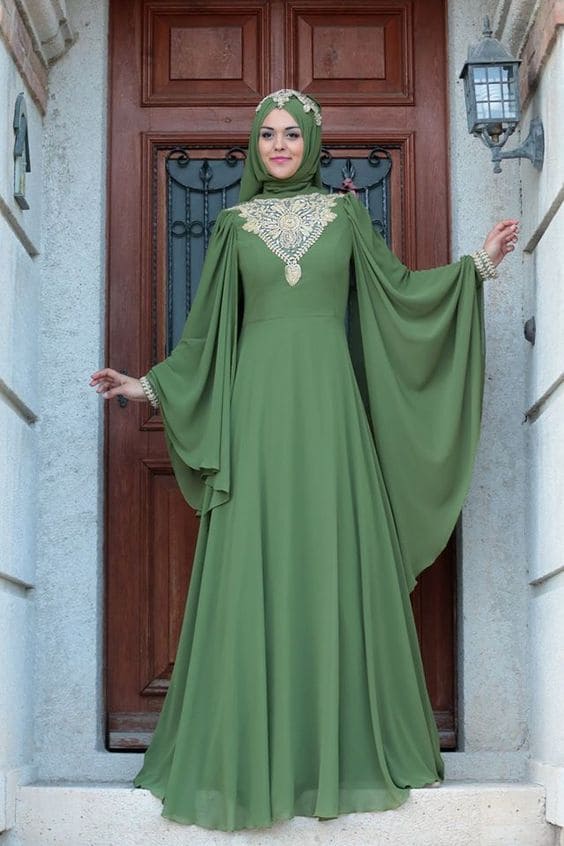
Color plays an vital role in defining the elegance and uniqueness of abayas. From deep, rich hues to soft pastels, the selection of color often reflects personal style, cultural significance, and seasonal trends. Contemporary abayas showcase a diverse range of shades, allowing wearers to express their identity while maintaining the garment’s traditional roots. Traditional colors such as black and white are often accompanied by vibrant accents, providing a perfect balance between modesty and modernity.
- Symbolic Meanings Behind Color Choices
Color choices in abayas often carry deep symbolic meanings rooted in Middle Eastern culture. For example, black represents elegance and sophistication, making it a classic choice. Blue, associated with tranquility and wisdom, has emerged as a popular alternative, while shades of green symbolize hope and renewal. Additionally, warm colors like red reflect passion and energy, allowing wearers to convey their emotions through their attire.
- Current Trends in Color Combinations
Today, fashion-forward abaya designs incorporate an array of stunning color combinations, reflecting a modern aesthetic while honoring tradition. Soft pastels often mingle with bold, darker shades to create an eye-catching contrast. For instance, a blush abaya may feature royal blue embroidery, enhancing its vibrancy. Additionally, layering of complementary colors has become a prominent trend, allowing wearers to mix and match seamlessly. This playful use of color not only highlights individual personality but also redefines the overall abaya silhouette.
The current trend of color combinations is rich in variety and creativity, allowing designers to explore uncharted territories. Popular pairings include dusty pinks with powerful navy blues or muted greens alongside gold accents, merging tradition with contemporary vibes. Combining textures and patterns further elevates these looks, transforming the abaya into a statement piece suitable for various occasions.
Fabrics and Textures: The Essential Materials
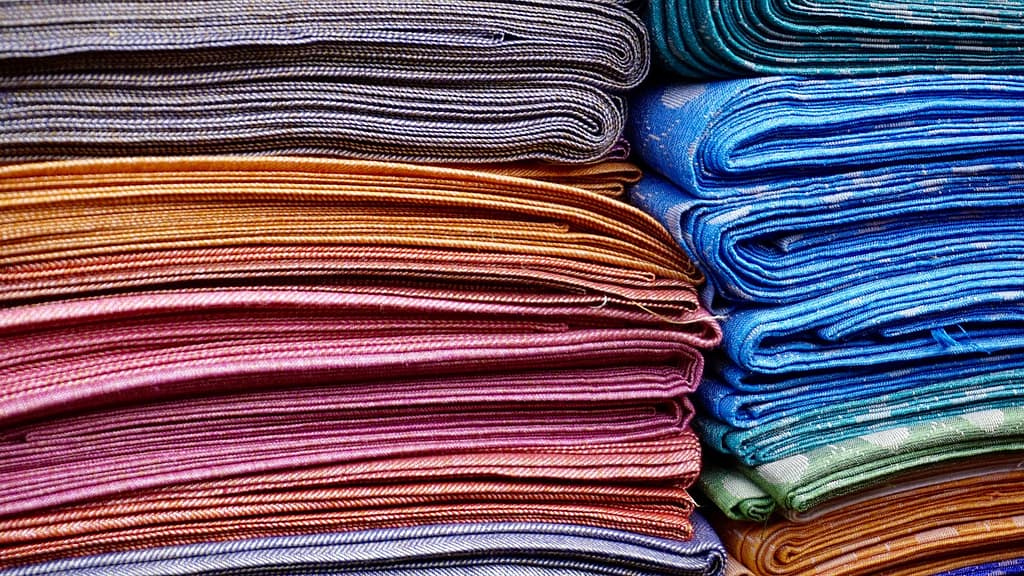
Fabrics and textures serve as the backbone of any abaya design, playing a pivotal role in their comfort and aesthetic appeal. Traditional materials like silk and cotton provide a luxurious feel and breathability, while contemporary designers explore various innovative fabrics that enhance the garment’s silhouette and drape. The fusion of heritage and modern techniques elevates abayas, making them a fashionable choice for diverse occasions.
- Traditional Versus Contemporary Fabrics
Abayas have historically embraced traditional fabrics like crepe, chiffon, and velvet, which contribute to their elegant and flowing appearances. Contemporary designers often merge these classic materials with synthetic alternatives or eco-friendly textiles, allowing for innovative styles that remain true to cultural roots yet appeal to modern sensibilities. This evolution in fabric choice reflects a growing interest in sustainability alongside aesthetics.
- Innovative Textures Making Waves
Emerging trends incorporate innovative textures, such as jacquard, brocade, and even 3D elements, pushing the boundaries of traditional abayas. These textures add depth and dimension, transforming a simple piece into a statement garment. Designers are leveraging technology to create unique patterns and tactile experiences, allowing women to express individuality and creativity through their attire.
Recent collaborations between fashion designers and textile engineers have led to remarkable advancements in fabric technology specifically for abayas. These innovations include lightweight, breathable materials with moisture-wicking capabilities and wrinkle-resistant textures, ensuring style without sacrificing comfort. As a result, modern abayas now boast versatile designs suitable for both day and night, appealing to a contemporary audience that values both heritage and practicality in their wardrobe choices.
Beyond Fashion: Abayas as Statements of Identity
Abayas represent more than mere garments; they embody profound cultural significance, often reflecting personal beliefs and societal values. For many women, choosing to wear an abaya is an expression of identity and pride in their heritage. It serves as a symbol of empowerment, highlighting individuality and autonomy while allowing women to navigate various social contexts with grace. As a canvas for artistry, the abaya becomes a dialogue on tradition and modernity, where women assert their right to define their own style within the framework of their cultural narrative.
The Role of Abayas in Feminine Empowerment
Abayas serve as a powerful tool for feminine empowerment, offering women the freedom to express their identity on their own terms. This garment allows them to navigate public spaces comfortably, balancing modesty with style. In many cases, women have harnessed the abaya as a means to challenge societal norms, combining traditional elements with contemporary designs that reflect their unique personalities. By embracing the abaya, they send a strong message: that fashion can coexist with empowerment and freedom of choice.
- How Regional Variations Influence Design Choices
Regional variations play a significant role in determining the aesthetic elements of abaya designs, infusing them with distinctive cultural influences. In the Gulf states, for example, intricate embroidery and embellishments often reflect the rich heritage of Bedouin artistry. Conversely, in North Africa, vibrant colors and diverse fabrics showcase the influence of local traditions, such as Berber motifs or Andalusian patterns. These regional nuances allow for a personalized interpretation of the abaya, making it not just a garment, but a rich tapestry of history and cultural resonance.
Specific regional designs can be seen in the use of materials and color palettes. In Saudi Arabia, abayas are frequently made from lightweight fabrics adorned with sequins and beads, reflecting the opulence of the culture, while residents of the UAE might opt for flowing silhouettes with bold prints and modern cuts. Meanwhile, the Moroccan abaya incorporates elements like the hood and tassels, showcasing craftsmanship unique to the region. Such variations not only celebrate local artisanship but also reinforce cultural identity, enabling women to wear their heritage with pride.
The Future of Abaya Fashion: Sustainability and Innovation
The future of abaya fashion is leaning towards a blend of sustainability and innovation that reflects a growing awareness of environmental responsibility. Designers are exploring materials and practices that minimize ecological impact while still delivering the elegance and sophistication that abayas are known for. This shift is influencing new collections, showcasing how traditional elegance can coexist with a contemporary ethos focused on sustainability.
- The Shift Towards Eco-Friendly Practices
More designers are prioritizing eco-friendly materials in their collections, utilizing organic cotton, recycled fabrics, and innovative textile technologies. This shift not only reduces waste but also aligns with a global movement towards sustainable fashion. With increasing consumer awareness, brands that actively embrace sustainability are attracting a new generation of fashion-forward individuals eager to make environmentally conscious choices.
- Integration of Technology and Modern Design
The integration of technology in abaya design is transforming the fashion landscape, allowing for a unique blend of aesthetics and functionality. Designers are experimenting with 3D printing, smart textiles, and digital fabric printing, which not only enhance the design process but also offer customization options previously unheard of in traditional abaya fashion. For example, some brands are creating temperature-regulating fabrics, making abayas versatile for different climates while retaining their cultural significance.
Final Words
The exploration of trendy abaya designs inspired by Middle Eastern heritage showcases the rich tapestry of culture and craftsmanship. You can appreciate how these contemporary styles blend traditional elements with modern aesthetics, reflecting both elegance and individuality. As designers continue to innovate, the abaya remains a powerful symbol of identity, allowing wearers to express their heritage while staying fashionable. The evolution of these garments not only honors the past but also embraces the future of fashion in a global context.