
Table of Contents
It’s a fascinating time for fashion as traditional Muslim garments are being reinterpreted to resonate with contemporary youth culture. People are increasingly blending age-old styles with modern aesthetics, creating unique looks that celebrate heritage while embracing individual expression. This blog post explores how today’s designers and young fashion enthusiasts are infusing vibrant colors, innovative cuts, and versatile accessories into traditional attire, making it relevant for a new generation. The result is a stylish fusion that not only honors tradition but also empowers young people to define their fashion identities.
Cultural Heritage Meets Modern Aesthetics
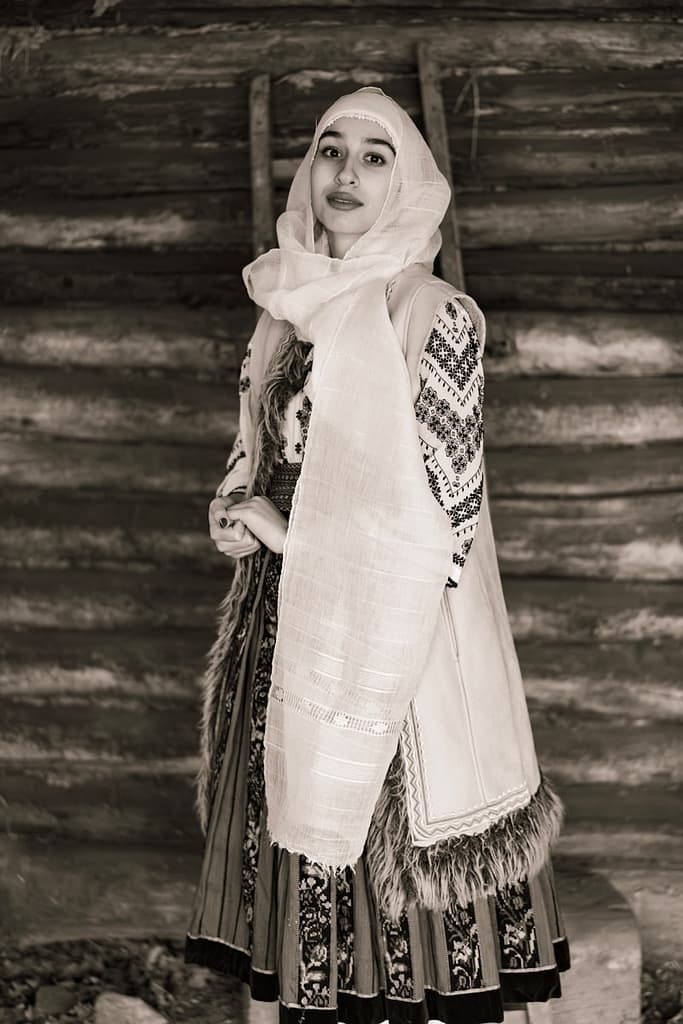
This fusion of traditional Muslim garments with contemporary styles creates a dynamic and vibrant fashion movement among youth. Designers are merging rich cultural heritages with modern aesthetics, allowing young individuals to express their identities while honoring their roots. The blend of traditional fabrics, intricate patterns, and youthful silhouettes showcases a progressive approach to personal style, celebrating both culture and contemporary influences.
- The Historical Significance of Traditional Muslim Attire
Traditional Muslim attire is steeped in historical significance, often embodying centuries of cultural exchanges and religious expressions. From the intricate embroidery of the kaftan to the flowing silhouettes of the abaya, these garments tell stories of heritage, identity, and belonging. Each piece has origins that reflect the rich tapestry of Muslim societies around the world, uniting diverse communities through shared fashion traditions.
- Modern Adaptations: How Designers are Reimagining Classics
Today’s designers infuse fresh perspectives into classic Muslim garments, incorporating contemporary fabrics, bold colors, and innovative cuts. By experimenting with structure and tailoring, they breathe new life into traditional pieces. For instance, designers like Atika Zaid are redefining the hijab using playful prints and textures, ensuring it resonates with young fashion enthusiasts. Others explore the versatility of the thobe, creating styles perfect for both casual outings and formal events, thus appealing to a broader audience.
Designers are taking traditional garments and incorporating elements like streetwear influences and sustainable fabrics, capturing the interest of the eco-conscious youth. For example, layering techniques using modern materials transform the classic kimonos and jilbabs into trendy statement pieces. Metallic threads, asymmetrical hemlines, and stylish accessories are being introduced, allowing young Muslims to navigate their cultural identity with flair. By showcasing these adaptations in runway shows and fashion week events, they have successfully created a buzz, attracting a younger demographic eager for style that honors their heritage while embracing modern fashion sensibilities.
The Youth Market: Bridging Tradition and Trend
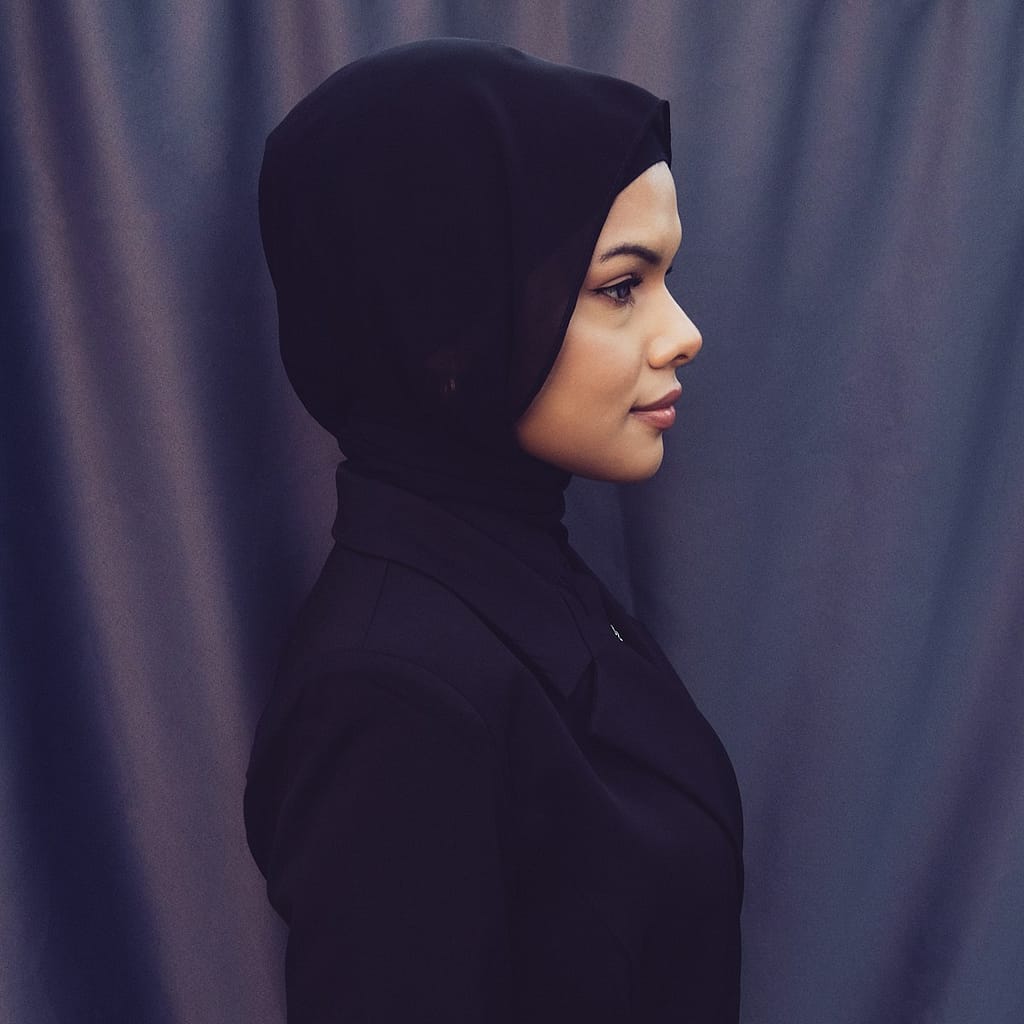
The youth market is rapidly evolving, melding traditional Muslim garments with contemporary fashion trends. This dynamic intersection allows young consumers to embrace their cultural heritage while expressing individuality. As a result, designers are focusing on creating pieces that resonate with youth values, such as sustainability and self-expression, creating a new wave of fashion that honors the past while looking to the future.
- Identifying Key Styles Popular Among Young Consumers
Younger audiences gravitate toward styles that balance modesty and modernity, favoring oversized silhouettes, vibrant colors, and unique layering techniques. Traditional elements like kaftans and abayas are being adapted with unexpected cuts and playful patterns, appealing to a demographic that seeks comfort and style. Additionally, streetwear influences have led to the rise of athleisure-inspired looks.
The Role of Social Media in Shaping Youth Fashion
Social media platforms are pivotal in shaping trends among young consumers, enabling the rapid spread of fashion ideas. Influencers often showcase traditional garments through creative styling, bringing them into mainstream consciousness. This democratization of fashion allows young followers to discover and adopt sustainable and culturally rich designs, fostering a unique blend of tradition and contemporary flair.
Platforms like Instagram and TikTok serve as visual marketplaces where young individuals share their takes on traditional garments, often using hashtags to create viral trends. Recent statistics show that 70% of Gen Z consumers are influenced by trends they encounter online, illustrating the significant impact social media has in redefining how they view and wear traditional apparel. By curating a community around these styles, young users not only find personal expression but also contribute to a larger movement honoring their cultural roots in modern fashion contexts.
Fabric Innovations: Blending Comfort and Style
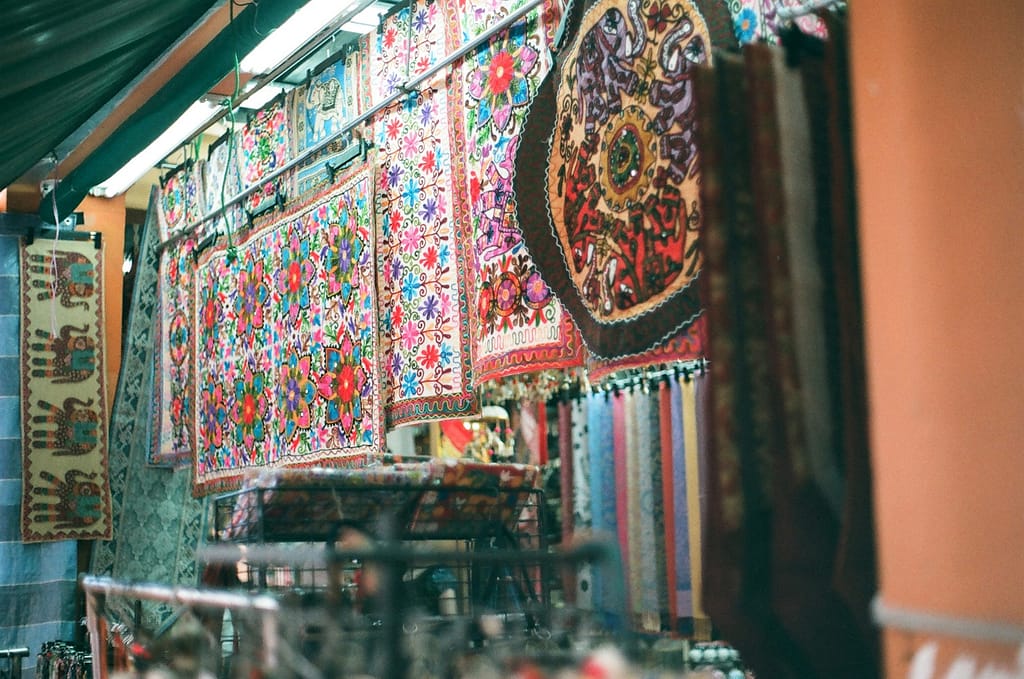
Recent developments in fabric technology have transformed traditional Muslim garments into stylish yet comfortable options perfect for youth. Innovative materials like lightweight cotton blends and breathable microfibers have gained popularity, allowing for ease of movement while still adhering to modesty guidelines. These advancements help bridge the gap between functional wear and modern aesthetics, providing young Muslims with garments that reflect their personal style while ensuring comfort throughout their day-to-day activities.
- Sustainable Materials in Contemporary Muslim Fashion
The rise of sustainability in fashion has led many designers to explore eco-friendly fabrics in contemporary Muslim apparel. Materials such as organic cotton, hemp, and recycled polyester are becoming increasingly mainstream, providing stylish alternatives that minimize environmental impact. Brands focusing on this aspect not only appeal to eco-conscious youth but also advocate for ethical practices and transparency in the fashion industry, aligning their offerings with the values of their consumers.
- Technical Fabrics: Function Meets Fashion
Technical fabrics have emerged as a game-changer in Muslim fashion, merging cutting-edge textiles with design. These fabrics, equipped with moisture-wicking properties, UV protection, and stretch capabilities, cater to the multifaceted lifestyles of young Muslims. By prioritizing functionality alongside aesthetic appeal, brands can attract a new generation seeking outfits that perform well in dynamic settings without compromising their cultural identity.
For example, garments made from technical fabrics are becoming staples for young Muslims engaged in sports or outdoor activities. Such materials enhance performance by regulating temperature and allowing for movement, while still adhering to modest fashion standards. A leading brand recently launched an athleisure line that incorporates engineered fabrics designed for breathability and quick-drying, capturing the interest of youth who want both style and practicality.
The Influence of Globalization on Muslim Youth Fashion
Globalization has profoundly changed how Muslim youth approach fashion, blending traditional attire with modern styles. With access to online platforms and worldwide communication, young Muslims embrace a diverse range of influences, creating unique styles that reflect their cultural identities while resonating with global trends. The internet plays a critical role, allowing them to share their fashion statements and collaborate with designers across different cultures, solidifying a new era of fashion that celebrates both individuality and cultural heritage.
- Cross-Cultural Inspirations and Collaborations
Cross-cultural inspirations are driving a wave of creativity among Muslim youth designers. Collaborations with international fashion houses and influencers bridge the gap between tradition and contemporary aesthetics, producing garments that are both culturally significant and stylish. Designers draw from a myriad of global styles, incorporating elements from streetwear, high fashion, and local craftsmanship, resulting in collections that appeal to a diverse audience and reflect a new cosmopolitan identity.
The Impact of Western Fashion Trends
Western fashion trends have made a significant imprint on Muslim youth’s clothing choices. The blend of Western styles with traditional garments is increasingly evident, with items like oversized shirts, streetwear silhouettes, and athleisure wear infusing everyday outfits with a fresh perspective. This fusion allows young Muslims to express their identities while staying attuned to global fashion standards, showcasing how globalization fosters a dynamic dialogue between cultures.
The incorporation of Western fashion trends into Muslim youth attire has also seen the rise of hijabs featuring modern prints or styled with casual outfits, creating a striking juxtaposition. Young designers, like Hana Tajima, have revolutionized the perception of modest fashion by merging urban aesthetics with traditional elements. This intersection of styles not only enhances the visibility of Muslim fashion on global platforms but also encourages a sense of belonging among youth who seek to resonate with broad contemporary fashion movements while staying true to their roots.
Challenges and Opportunities: Navigating Identity in Fashion
Pursuing personal style within the framework of traditional garments presents unique challenges and opportunities for Muslim youth. As they strive to express their individual identities, they often grapple with societal expectations, cultural norms, and the desire to fit in with contemporary fashion trends. This balancing act can lead to increased creativity, resulting in innovative designs that pay homage to their heritage while appealing to modern sensibilities.
- The Role of Influencers and Celebrity Endorsements
Influencers and celebrities play a significant role in shaping fashion trends within the Muslim community, often serving as powerful ambassadors for traditional garments reimagined for modern tastes. Their reach extends beyond mere promotion, as they inspire young people to embrace their cultural heritage while exploring new styles. This visibility encourages greater acceptance of diverse fashion choices, ultimately empowering youth to define their own narratives.
Social media platforms have amplified this phenomenon, with many influencers showcasing their styling of traditional garments on platforms like Instagram and TikTok. For instance, figures such as Halima Aden and Noor Tagouri have not only made headlines for redefining modest fashion but also for collaborating with mainstream brands, further promoting inclusivity. By sharing their journeys and personal styles, they foster a sense of community and connection, motivating young Muslims to embrace both their cultural identity and modern fashion innovations in their own wardrobes.
Summing up
Ultimately, reimagining traditional Muslim garments for youth fashion trends provides a dynamic approach to celebrating cultural heritage while appealing to modern aesthetics. Designers blend innovative styles with age-old pieces, allowing young individuals to express their identity. They incorporate contemporary elements such as bold patterns and diverse silhouettes, effectively bridging tradition and modernity. As a result, these garments not only resonate with the youth but also promote appreciation for their cultural roots. This trend showcases how he, she, and they can embrace their identity through fashion without compromising tradition.