Table of Contents
You might be surprised to learn how Muslim clothing has transformed over the years, moving from modesty to luxury and fashionable interpretations. People in fashion has witnessed this evolution not just as a reflection of individual expression but also as a response to changing cultural and social dynamics. They play a pivotal role in reimagining how modest fashion can coexist with modern trends, creating a unique blend that resonates with both identity and innovation. This blog post researches into the journey of Muslim clothing and its impact on today’s global fashion landscape.
The Cultural Roots of Muslim Clothing
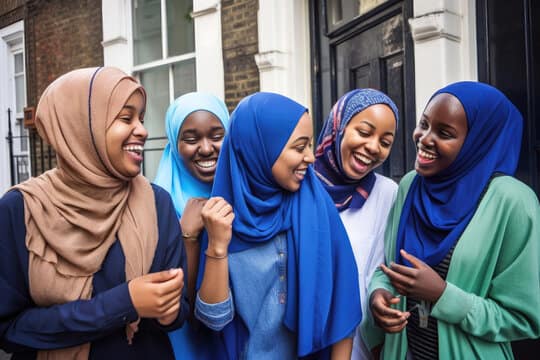
Muslim clothing reflects a rich tapestry of cultural heritage, influenced by historical events, regional practices, and social norms. Each garment often tells a story unique to its geographical origin, interweaving traditions with the important principles of modesty and practicality. Over centuries, these clothing styles evolved through trade, migration, and cultural exchange, resulting in a diverse array of styles that still uphold the core tenets of Islamic dress while allowing for personal expression.
- Historical Significance and Traditional Garments
Traditional garments such as the Abaya, hijab, and Kaftan showcase the historical significance of Muslim clothing. Often crafted from locally sourced fabrics, these items play important roles in communal gatherings and religious ceremonies. For example, the Abaya symbolizes modesty while also being a staple in countries like Saudi Arabia, where it serves as a marker of identity amid modern influences.
- Religious Interpretations and Dress Codes
Religious interpretations significantly influence dress codes within the Muslim community, establishing guidelines that vary from one cultural context to another. While the Quran and Hadith provide foundational principles of modesty in dress, cultural practices dictate how these guidelines are visually represented in different societies.
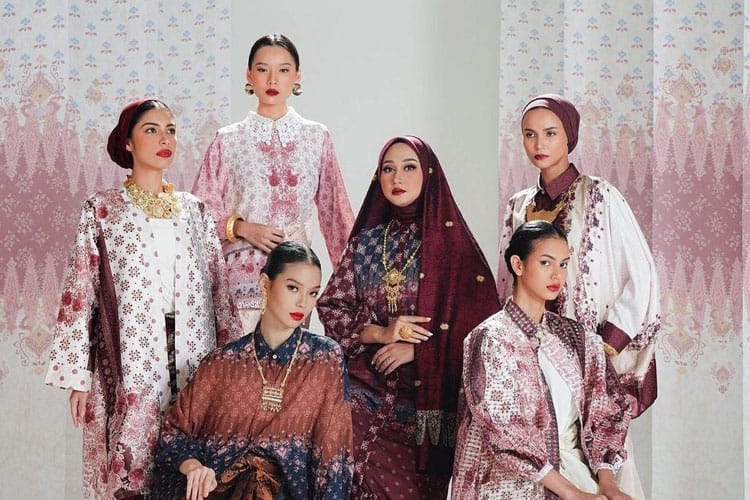
These interpretations often result in variations in clothing styles that align with regional customs while adhering to religious expectations. For instance, women in Indonesia may wear a batik hijab alongside a modest blouse and skirt, while in Turkey, the trend may lean towards modern cuts and fabrics like silk and chiffon. Men, too, express their identities through altered versions of traditional kurta or thobe based on local fashion influences. Ultimately, the fusion of religious tenets with personal and cultural expression highlights the dynamic nature of Muslim dress codes, illustrating how they adapt and evolve in contemporary society.
The Shift in Fashion Paradigms
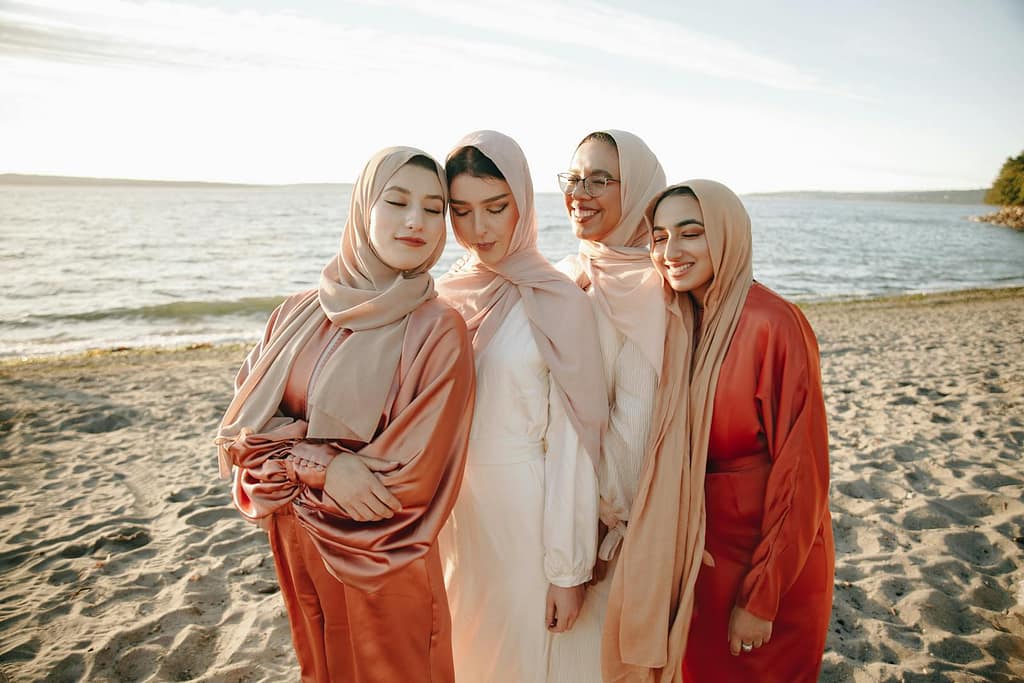
The evolution of Muslim clothing signifies a profound shift in fashion paradigms that transcends mere aesthetics. Designers have increasingly embraced creative freedoms, leading to garments that blend traditional modesty with modern trends. This shift is not just about appearance but reflects a deeper assertion of identity and self-expression among Muslim individuals in diverse societies.
- From Simple Attire to Trendsetting Designs
Modest fashion has evolved from basic garments to stylish collections that challenge conventional fashion norms. Designers like Hana Tajima and brands such as Aab have pioneered this transformation, showcasing how elegance and modesty can coexist, resulting in trendsetting designs that appeal to a wide array of consumers.
- Influences of Globalization on Muslim Fashion Choices
Globalization has opened new avenues for the Muslim fashion industry, allowing for cross-cultural exchanges and innovations. Iconic designers now draw inspiration from various cultural aesthetics, leading to the birth of diverse collections that resonate with modern sensibilities while honoring cultural heritage.
This remarkable influence of globalization on Muslim fashion choices has seen an influx of Western styles being adapted to maintain modesty. For instance, popular figures like the fashion influencer Numa or the luxury brand Tada & Toyo embrace diverse motifs that reflect global trends while adhering to Islamic values. Collaborative platforms and social media have paved the way for Muslim designers to showcase their work to a broader audience, fostering a vibrant community.
Luxury in Modesty: The Rise of Premium Brands
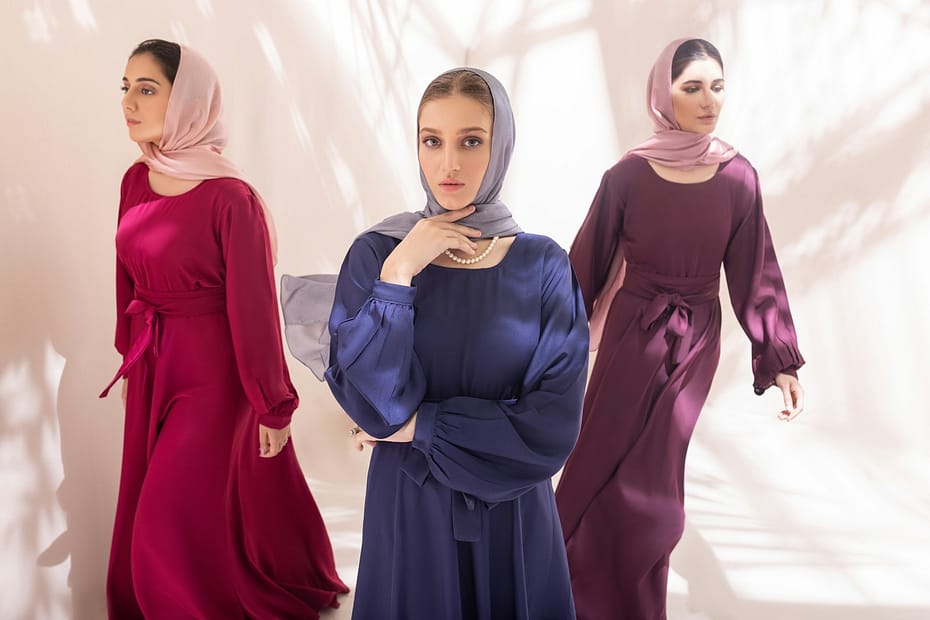
Within the modern fashion landscape, premium Muslim brands are paving the way for luxury in modesty. These labels combine elegant designs with high-quality materials, catering to a clientele that desires both style and adherence to faith. Exceptional craftsmanship and attention to detail elevate traditional garments into luxurious statements, showcasing that modesty does not equate to compromise. Many designers are now successfully merging premium aesthetics with cultural authenticity, signifying a promising shift in the perception of modest fashion.
- The Intersection of Style and Faith in High-End Fashion
High-end fashion has found a unique intersection with faith, as designers create collections that resonate with the values of Islamic culture. This blending of style and spirituality is evident in designs that respect modesty while offering sophisticated silhouettes and luxurious fabrics. Fashion becomes a medium for self-expression, allowing believers to showcase their identity through elegant attire that upholds their principles without sacrifice.
- Successful Muslim Designers and Their Impact
Muslim designers have significantly impacted the fashion industry, inspiring a global trend toward modest luxury. Pioneers like Iman Abdulmajid and Hana Tajima have expanded the narrative of Muslim clothing. They create captivating collections that resonate with diverse audiences while emphasizing cultural elements. This progressive approach not only champions inclusivity but also elevates the visibility of modest fashion, fostering acceptance in mainstream markets.
The success of Muslim designers speaks volumes about the growing demand for stylish yet modest clothing. For example, brands like Les Jumelles and Haute Hijab have carved niches that attract fashion-forward consumers seeking contemporary elegance. They blend traditional elements with modern trends, offering pieces like tailored blazers, chic maxi dresses, and sophisticated accessories. Their influence reaches beyond just Muslim clientele, appealing to anyone who values quality and style, ultimately reshaping the fashion landscape and encouraging a more inclusive view on modesty in luxury fashion.
Representation and Identity in Modern Muslim Fashion
In contemporary society, Muslim fashion serves as an expression of identity for many individuals. Designers incorporate cultural motifs alongside modern aesthetics to create garments that reflect both personal beliefs and contemporary trends. This evolution highlights the fusion of heritage with individuality, allowing Muslims to embrace their identities boldly and stylishly.
- How Social Media Transformed Fashion Accessibility
Social media has democratized fashion accessibility, enabling Muslim influencers and brands to reach wider audiences. Platforms like Instagram and TikTok showcase diverse styles, allowing individuals to discover and connect with fashion that resonates with their values while also being trendy. This flow of information has transformed how styles are shared and adopted across cultures.
- Navigating Stereotypes: The Role of Representation
Representation in fashion plays a pivotal role in combating stereotypes surrounding Muslim individuals. When designers highlight diverse body types, skin tones, and cultural backgrounds, they challenge typical narratives often portrayed in mainstream media. This shift promotes a broader understanding of Muslim identity and fosters acceptance and appreciation of diverse lifestyles, making the fashion world more inclusive.
- The visibility of various Muslim styles contributes to a more nuanced understanding of cultural identity.
| Positive Representation | Challenges Stereotypes |
| Diverse Models | Breaking Monolithic Narratives |
| Inclusive Design | Celebrating Diversity |
| Cultural Fusion | Reducing Prejudice |
| Authentic Narratives | Encouraging Dialogue |
By showcasing authentic narratives and embracing a spectrum of representations, the fashion industry can influence public perception positively. This is crucial for Muslim communities, who often encounter misrepresentation. Representation matters as it encourages dialogues around diversity and helps dismantle longstanding biases, ultimately leading to a more accepting society.
- The representation within fashion shapes societal attitudes towards Muslim individuals.
| Improved Visibility | Enhanced Acceptance |
| Innovation in Design | Challenge to Norms |
| Social Media Influence | Empowering Communities |
| Consumer Awareness | Broader Market Reach |
| Cultural Celebrations | Strengthened Identity |
Sustainable Fashion Practices Among Muslim Brands
Muslim fashion brands are increasingly adopting sustainable practices, demonstrating a commitment to both the environment and ethical production standards. By prioritizing eco-friendly materials, ethical labor practices, and minimal waste, these brands are reshaping perceptions of modest fashion. Notable efforts include the use of organic textiles, recycled fabrics, and transparent supply chains, allowing consumers to make informed choices about their purchases.
- Eco-Friendly Approaches to Modest Fashion
Several Muslim fashion labels are embracing eco-conscious strategies, opting for natural fabrics like organic cotton and bamboo. Brands like KISUA and Mayyaz are leading the charge, producing lines that not only adhere to modesty requirements but also encourage sustainable consumption. This approach not only caters to environmentally conscious consumers but also champions a shift toward responsible fashion in the broader market.
- Consumer Demand and Ethical Fashion Trends
Growing awareness among consumers has propelled the demand for ethically produced clothing, particularly within the modest fashion sector. With an increasing number of shoppers prioritizing sustainability, brands are responding by aligning with ethical practices and showcasing their commitment to social responsibility. This shift reflects a broader trend where mindful consumption is becoming a significant factor in purchase decisions.
The surge in consumer demand for ethical fashion is substantiated by studies indicating that more than 60% of shoppers now consider a brand’s sustainability practices before making a purchase. This trend is particularly evident among younger demographics, who actively seek brands that resonate with their values, further driving Muslim fashion labels to innovate and adopt sustainable practices. By amplifying their eco-friendly initiatives, these brands can capture a dedicated customer base and pioneer a transformative movement within the industry.
Summing up
Presently, the evolution of Muslim clothing from modesty to luxury illustrates a significant cultural transformation influenced by globalization, fashion trends, and personal expression. They are increasingly blending traditional elements with contemporary styles, leading to diverse interpretations of modest fashion. Find innovative garment designs that respect cultural values while offering enhanced aesthetics and comfort. Highlights this shift as a reflection of broader societal changes, showcasing how luxury and modesty can coexist harmoniously, allowing individuals to express their identities without compromising their beliefs.