Table of Contents
It’s crucial to explore the Modest Fashion Movement, a rapidly growing segment that emphasizes style without compromising personal beliefs. This movement reflects a diverse array of cultural and religious values, as designers and consumers alike embrace attire that prioritizes modesty. They have contributed to this shift, influencing not only the aesthetics of contemporary fashion but also its inclusivity and sustainability. By examining its impact on the global fashion landscape, one can appreciate how this movement reshapes industry dynamics and consumer behavior, paving the way for more thoughtful and varied fashion choices.
The Cultural Resonance of Modest Fashion
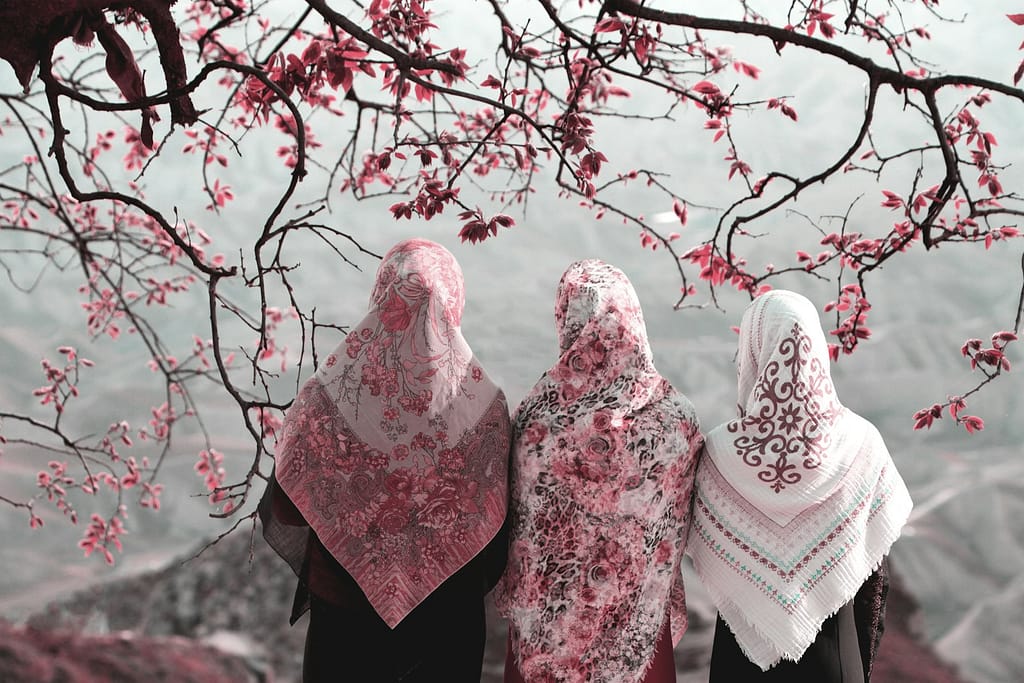
Modest fashion reflects a rich tapestry of cultural beliefs, traditions, and personal expressions, resonating deeply within communities worldwide. It transcends mere clothing choices, embodying values of faith, self-identity, and empowerment, especially for women. As this movement grows, its impact is visible across various cultures, with wearers embracing styles that allow them to express their individuality while adhering to their cultural or religious practices.
- Historical Context and Its Evolution
Historically, modest fashion has roots in various religious and cultural practices, often serving as a means of expressing one’s beliefs and social status. From the hemlines of Victorian dresses to the adoption of hijabs in Islamic cultures, the evolution of modest wear has mirrored shifts in societal norms. Over the decades, this fashion motif has adapted to changing landscapes, influencing and inspiring designers to integrate modesty into contemporary fashion.
- Global Influences and Diverse Interpretations
Global influences have propelled modest fashion into a diverse arena, where interpretations vary widely across continents and cultures. In the West, modesty often intersects with trends in sustainable and ethical fashion, while Middle Eastern designers may embrace bold colors and luxurious fabrics. This blending of styles encourages creative expression amid shared values of modesty, enabling designers to cater to an international audience, as evidenced by events like Modest Fashion Weeks in various cities.
From the runway to street style, the manifestation of modest fashion can take many forms based on cultural context and personal interpretation. For instance, while a long, flowing dress might symbolize modesty in one culture, in another, it could be represented by tailored suits or layered outfits. This diversity invites women to reinterpret modest fashion according to their societal norms and personal tastes, resulting in an expansive and inclusive interpretation of what modesty means across different cultures. Additionally, organizations like the Sisterhood Collection showcase how modest fashion can be both a reflection of cultural identity and a powerful tool for women’s empowerment, further contributing to the global dialogue on diversity and inclusion in style.
Market Dynamics: The Economic Forces Driving Modest Fashion

The modest fashion sector has witnessed remarkable growth, propelled by several economic factors. With a market projected to reach over $300 billion by 2024, brands are increasingly recognizing the diverse consumer base that seeks stylish yet modest apparel. The rise of global connectivity and e-commerce has also facilitated wider reach, allowing modest fashion brands to retain competitive edges in both local and international markets. Moreover, changing societal norms around modesty and increased acceptance of diverse fashion expressions significantly influence market dynamics.
- Consumer Demographics and Buying Behavior
Consumers in the modest fashion market represent a broad demographic, ranging from Muslim women seeking clothing that aligns with their cultural and religious values to fashion-conscious individuals who appreciate the aesthetics of modest styles. Studies indicate that consumers prioritize both quality and affordability, often valuing sustainability in their purchasing decisions. This evolving understanding of modesty—the fusion of cultural identity and personal style—shapes their buying behavior, fostering loyalty to brands that resonate with their values.
- The Role of Social Media and Influencer Marketing
Social media serves as a powerful platform driving the modest fashion movement, with influencers playing a pivotal role in shaping trends. They bridge the gap between brands and consumers, showcasing how modest dressing can be both stylish and modern. Brands like Modanisa and Aab have successfully collaborated with influencers to reach niche audiences, effectively using Instagram and TikTok to promote their collections. Statistics reveal that influencer marketing generates an average return on investment of $5.78 for every dollar spent, validating its impact in the modest fashion sector.
With the rise of platforms such as Instagram and TikTok, the affordability and accessibility of influencer marketing have transformed how modest fashion is marketed. Influencers not only model clothing but also share personal experiences, fostering authenticity that resonates with their followers. For instance, using hashtags like #modestfashion, influencers curate looks that inspire their audiences while encouraging engagement through comments and shares.
The Intersection of Modesty and Sustainability
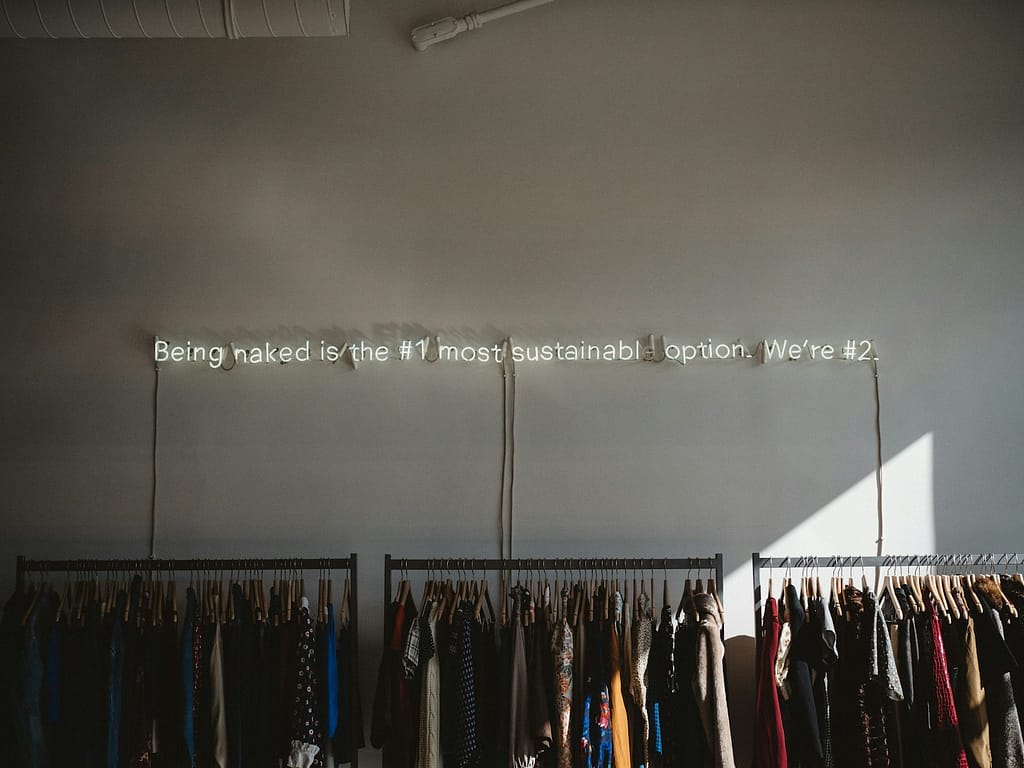
The modest fashion movement aligns itself with the sustainability ethos by prioritizing eco-conscious practices without sacrificing style. Designers increasingly recognize that consumers are searching for garments that are not only fashion-forward and culturally appropriate but also environmentally responsible. This intersection encourages a shift toward sustainable materials and ethical production, helping to reshape the fashion landscape into one that values long-term environmental health alongside personal expression.
- Eco-Friendly Fabric Innovations
Innovations in eco-friendly fabrics are at the forefront of the modest fashion movement, offering alternatives that appeal to environmentally-conscious consumers. Brands are adopting materials such as organic cotton, Tencel, and recycled polyester, which require fewer resources and generate less waste during production. These fabrics are not only sustainable but also provide comfort and durability, catering to the needs of those who prioritize both style and ethics in their wardrobe choices.
- Ethical Production Practices in Modest Apparel
Ethical production practices are important in modest apparel, emphasizing fair labor conditions and transparency. Many modest fashion brands are committed to sourcing from manufacturers that prioritize workers’ rights, ensuring safe working environments and fair wages. This focus attracts a conscientious consumer base that values ethical practices as much as aesthetic appeal.
Many brands within the modest fashion niche actively seek to foster ethical supply chains. For instance, companies such as Hi-Style Apparel and Modanisa collaborate with artisans from various communities, enabling them to showcase their craftsmanship while earning livable wages. This method not only supports local economies but also preserves traditional fabric craft techniques, contributing to a more sustainable fashion cycle. As the demand for modest apparel rises, the commitment to ethical production practices may potentially redefine industry standards, placing pressure on conventional brands to embrace fairness and sustainability in their operations.
Breaking Stereotypes: Modest Fashion in the Media
The presence of modest fashion in media platforms has the potential to shatter long-held stereotypes and foster greater inclusivity. Shedding light on diverse narratives, modest fashion seeks to represent a spectrum of fashion choices that transcend geographical and cultural boundaries. The following highlights key aspects of this movement:
- Showcases diverse cultural expressions
- Encourages representation in mainstream media
- Promotes body positivity and self-acceptance
- Supports ethical and sustainable practices
- Thou must acknowledge the power of visibility in shaping perceptions.
| Key Representation Strategies | Examples in Media |
| Celebrity endorsements | Amina Muaddi and her fashion influence |
| Diverse casting in campaigns | H&M’s modest collection featuring varied models |
| Documentary features | “Modest Fashion” series showcasing different styles |
| Influencer collaborations | Huda Kattan promoting modest fashion lines |
- Representation and Visibility in Fashion Campaigns
Fashion campaigns increasingly emphasize representation, leading to a more inclusive landscape for modest fashion. Believe that this shift paves the way for visibility, empowering women from diverse backgrounds to see themselves reflected in mainstream advertising, promoting a sense of belonging and validation. Brands that integrate modest styles in their advertising are breaking down barriers and setting new standards in the fashion industry.
Influential Figures and Their Impact on Public Perception
Influential figures play a vital role in shaping public perception around modest fashion. They often challenge existing paradigms and offer new narratives that resonate with a broader audience. Their involvement brings attention to the significance of modest attire while empowering women to embrace their identity with pride. Through social media presence and influential partnerships, these figures bridge the gap between traditional norms and contemporary fashion sensibilities.
A notable example is Halima Aden, a Somali-American model, who became the first hijab-wearing model to feature in high-profile campaigns for brands like Prada and Yeezy. Her journey represents a significant cultural shift, showing that modesty can coexist with high fashion. This paradigm has influenced many brands to rethink their marketing strategies, leading to a greater commitment to diversity and encouraging women to embrace their fashion choices without compromising personal beliefs. By amplifying these influential voices, the media can further destigmatize modest fashion and allow a richer dialogue about personal expression in the fashion world.
Future Trajectories: What’s Next for the Modest Fashion Movement?
The modest fashion movement continues to evolve, promising engaging directions that reflect both cultural shifts and consumer demands. As designers and brands adapt to a global audience seeking ethical attire, there is an opportunity for innovation in styles and marketing. The burgeoning intersection of technology and fashion, including virtual reality shopping and influencer-driven campaigns, could further amplify the reach of modest fashion, paving the way for a dynamic future that celebrates diverse expressions of identity.
- Emerging Designers and Trends to Watch
New designers are emerging from various cultural backgrounds, each bringing unique interpretations of modesty that range from contemporary streetwear to elegant evening wear. Brands such as Aab and Haute Hijab are pioneering trends that blend cultural heritage with modern aesthetics, tapping into a market hungry for stylish yet modest options. The inclusivity of body shapes and sizes has also become a focal point, as these designers lead the charge toward offering fashion-forward pieces that cater to a wider audience.
- The Potential for Inclusivity Beyond Modesty
The modest fashion movement showcases a growing commitment to inclusivity that transcends traditional boundaries. By embracing diverse cultural perspectives and body types, it encourages brands to expand their definitions of beauty and style. This potential is evident in the incorporation of adaptive clothing lines and plus-size fashionable options, creating a more welcoming space for all individuals. The push for inclusivity also opens dialogues around comfort, accessibility, and personal expression in fashion.
Brands are increasingly recognizing that inclusivity can resonate with a broader consumer base. For instance, collaborations with plus-size models and adaptive designers are becoming more common, signaling a shift towards a more holistic approach to fashion that honors individual identity beyond modesty. This focus on representation challenges the industry to rethink its standards—demonstrating that fashion can be both stylish and accessible regardless of size, ability, or cultural background.
Summing up
As a reminder, understanding the modest fashion movement reveals its significant influence on the global fashion industry. She highlights how this movement not only challenges traditional fashion norms but also promotes inclusivity and diversity in style. They underscore the importance of catering to a wider audience, leading brands to reconsider their designs and marketing strategies. Knowing that the impact of modest fashion extends beyond aesthetics, fostering cultural dialogue and respect. Ultimately, the modest fashion movement is reshaping consumer expectations and pushing the industry towards more thoughtful and representative practices.