Table of Contents
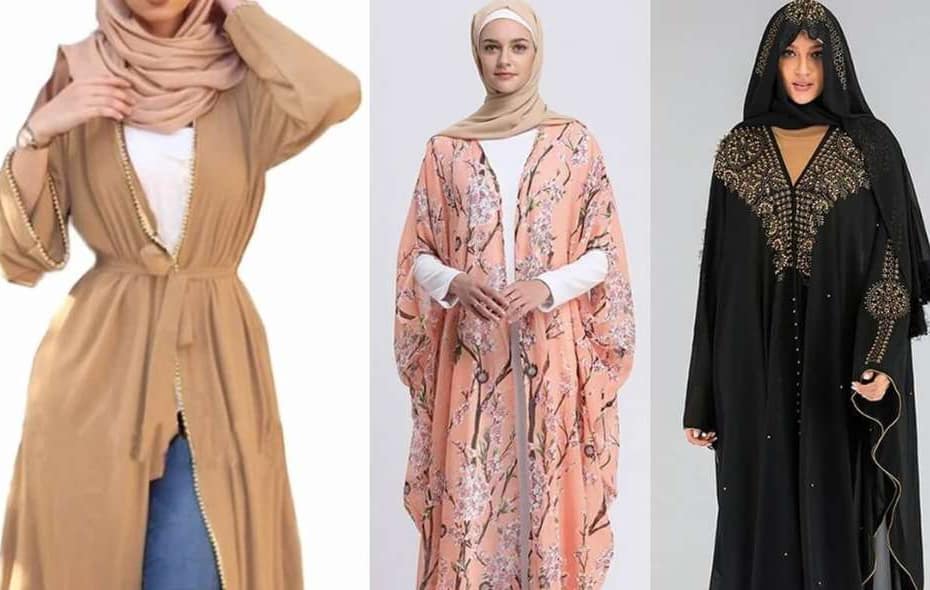
There’s a dynamic shift happening in the fashion world, and it’s time for you to pay attention to how impact of arab culture is influencing international trends. From bold designs to vibrant colors, the rich heritage and innovative styles from the Arab world are reshaping what you see on runways and in stores around the globe. You’ll discover how these elements are merging with global fashion, creating a fusion that speaks to authenticity and diversity, urging you to embrace and celebrate this exciting evolution.
The Cultural Foundations of Arab Fashion
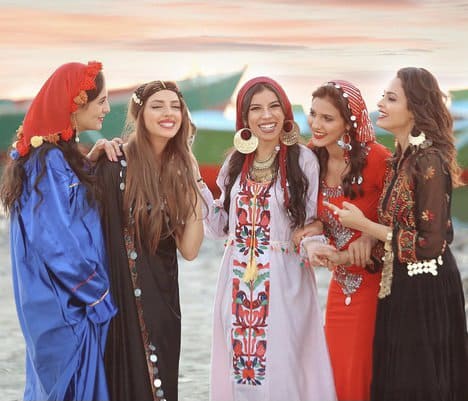
Arab fashion is deeply rooted in historical narratives, social customs, and regional characteristics that shape not only individual style but also influence global fashion dynamics. You’ll notice that traditional garments often reflect a blend of practicality, artistry, and cultural symbolism, with each piece telling a rich story of heritage and identity. This foundation fosters a unique identity that resonates in contemporary fashion trends, making it crucial to explore these cultural underpinnings in depth.
- The Historical Significance of Traditional Attire
Traditional garments like the abaya, thobe, and kaftan serve as more than just clothing; they embody centuries of culture and craftsmanship. Each piece varies by region, representing local artistry and historical significance. For instance, intricate embroidery and patterns often hold meanings tied to specific tribes or families, solidifying their role in social identity and community pride. This heritage continues to inspire today’s fashion designers, merging the past with modern aesthetics.
- The Role of Religious and Social Norms in Fashion Choices
In many Arab communities, religious beliefs and social customs significantly shape fashion choices. You might see that clothing often adheres to modesty standards, reflecting core Islamic values. This influence determines not only what is worn but also how styles evolve over time. As younger generations seek to balance tradition with contemporary expression, the interplay between faith and fashion creates a fascinating dichotomy.
Marrying tradition with modernity isn’t just a trend; it’s a necessity born out of the desire for self-expression within the confines of cultural norms. You’ll find that many designers aim to reinterpret modest fashion while respecting religious guidelines. This blending results in vibrant collections that maintain integrity and authenticity, appealing to a global audience seeking both style and substance. Examples like Dubai’s modest fashion week showcase how local designers push boundaries while upholding crucial values, proving that your fashion choices can be both stylish and culturally enriched.
Arab Aesthetics and Their Influence on Global Designers
Styles steeped in Arab aesthetics are making waves across runways, creating an immersive narrative where traditional elements meet modern flair. The intricate patterns, vibrant colors, and luxurious fabrics speak volumes and invite global designers to infuse authenticity into their collections. You see these influences in diverse forms, from the bold motifs of Arabian art to the flowing silhouettes customary in Middle Eastern attire, bridging past and present in an exciting fusion that elevates contemporary fashion.
- Key Elements of Arab Design in Contemporary Fashion
Rich textiles, ornate embroidery, and vibrant color palettes are hallmarks of Arab design in today’s fashion. You spot these elements not only in evening gowns but also in casual wear, where the craftsmanship behind details like beading and intricate patterns turns everyday attire into wearable art. Layering remains a prevalent technique, echoing the traditional styles while catering to modern sensibilities through innovative draping and styling.
- Rising Arab Designers Making Waves on the International Scene
Emerging Arab designers are reshaping the fashion landscape with fresh perspectives and a unique take on cultural heritage. You might already know names like Rabih Kayrouz, whose work elegantly blends Lebanese craftsmanship with contemporary aesthetics, or Elie Saab, celebrated for his glamorous evening wear that captivates global red carpets. Their designs resonate with a broader narrative, showcasing the beauty of Arab culture in ways that resonate universally.
While Rabih Kayrouz and Elie Saab often steal the spotlight, several other designers deserve your attention. For instance, the Dubai-based Ahmed Talfit’s designs challenge traditional norms by embracing streetwear aesthetics while incorporating Arab cultural motifs. Similarly, Tunisian designer Azzedine Alaïa pioneered the body-conscious dress long before it hit mainstream trends, proving the time-honored techniques can innovate. Today, fresh faces like Yasmine Yeya and Hanan Al-Najjar are gaining recognition for their skillful interpretations of Arab heritage, merging it with avant-garde designs that leave a lasting impact on international audiences. Each designer’s work not only reflects their roots but also invites a global dialogue on identity, art, and fashion, making their contributions invaluable in the industry today.
Textiles and Techniques: Craftsmanship that Inspires
Arab craftsmanship shines through its textiles and techniques, influencing designers worldwide. Traditional methods like weaving, embroidery, and dyeing add layers of cultural richness to modern fashion, making each piece a story. The intricate patterns and bold colors, often reflective of centuries-old practices, inspire international collections and push boundaries. You see this heritage merging seamlessly with contemporary styles, creating garments that resonate across various markets.
- The Use of Heritage Fabrics in High Fashion
Heritage fabrics, such as silk, brocade, and cotton, play a pivotal role in high fashion, adding authenticity and luxury. Designers are increasingly sourcing these materials to connect with their roots and offer unique textures that elevate their creations. You might notice pieces that showcase rich, ornate designs that tell a story, beautifully blending modernity with tradition.
- Preserving Traditional Techniques in Modern Production
Today’s fashion houses are finding innovative ways to incorporate traditional techniques into their production processes. This fusion not only preserves these practices but also adds a unique value to contemporary designs. The use of hand-embroidery, artisanal dyeing, and traditional weaving methods in modern collections helps you appreciate the artistry behind each garment while ensuring these skills aren’t lost to time.
Brands like Dior and Gucci have embraced traditional artisan techniques, collaborating with local craftsmen to create exclusive collections. By engaging artisans who possess these time-honored skills, companies are not only ensuring the continuation of cultural practices but also enhancing their brand storytelling. As a result, each product becomes a blend of nostalgia and innovation, appealing to conscientious consumers who value authenticity and craftsmanship in their fashion choices.
The Role of Fashion Weeks and International Exhibitions
Fashion weeks and international exhibitions serve as vital platforms for showcasing the intercontinental dialogue between Arab culture and global fashion. They bring together designers, influencers, and industry leaders, creating a synergy that propels new trends into the spotlight. This dynamic interaction not only garners attention for emerging Arab talents but also encourages collaborations that redefine fashion narratives across borders, embodying a fusion of tradition and modernity.
- How Arab Fashion Weeks Are Shaping Trend Narratives
Arab Fashion Weeks are revolutionizing trend narratives by highlighting local designers who blend rich cultural heritage with contemporary aesthetics. Events in cities like Dubai and Beirut showcase innovative designs that resonate globally, offering a fresh perspective on fashion that transcends mere clothing. This exposure not only elevates regional talent but also challenges and diversifies mainstream fashion dialogues.
- Collaborations Between Western Brands and Arab Influencers
Collaborations between Western brands and Arab influencers are redefining marketing strategies within the fashion industry. By harnessing the reach and cultural insight of key Arab figures, brands can connect authentically with diverse audiences, bringing forth a blend of Western sensibilities and Arab traditions that enriches their offerings.
These collaborations often involve Arab influencers launching capsule collections with Western names or participating in high-profile campaigns that celebrate Arab culture. For instance, Ramadan-themed lines by luxury fashion houses have gained traction, with influencers promoting these collections on social media and at fashion events, resulting in increased global interest. As a result, you see a melding of styles that reflects the aesthetic diversity of the Arab world while simultaneously appealing to a broader consumer base. This synergy not only boosts brand visibility but also fosters a deeper appreciation and understanding of Arab cultural nuances in the fashion landscape.
Beyond Aesthetics: The Economic Impact of Arab Fashion
Arab fashion is not only setting trends but also driving significant economic growth. The Middle Eastern fashion market is estimated to reach $50 billion by 2025, highlighting your potential to tap into this lucrative sector. Brands that recognize the cultural nuances and preferences of Arab consumers will find themselves well-positioned to capture this expanding market, transforming artistic expression into economic opportunity.
- Investment and Global Partnerships: Expanding Reach
Investment and strategic partnerships are crucial for expanding your footprint in Arab fashion markets. Major Western fashion houses are increasingly collaborating with Middle Eastern designers, opening flagship stores in the region. This trend isn’t just about sales; it’s an opportunity for cross-cultural dialogue that enriches both parties and creates unique products.
High-profile collaborations between luxury brands and Arab designers, like Dior’s partnership with Tunisian designer Azzedine Alaïa, exemplify how these alliances can blend Western innovation with traditional craftsmanship. By engaging in such partnerships, you’re not only enhancing your brand’s appeal but also embracing a wealth of local insights that can lead to innovative collections tailored for Arab consumers. The influx of investment in regional fashion weeks and trade shows further underscores the commitment to fostering talent and elevating the fashion industry, driving mutual growth and establishing long-term brand loyalty.
Conclusion
Considering all points, you can see that Arab culture is a powerhouse influencing global fashion trends. Your appreciation for this rich heritage not only enhances your style but also connects you to a broader narrative of cultural exchange. Embrace these influences, blend them with your unique flair, and watch your fashion game elevate. Your wardrobe can tell stories that resonate globally and reflect the dynamic fusion of cultures that is shaping the future of fashion.