Table of Contents
Fashion is evolving, and the modest fashion industry is no exception as it begins to embrace the transformative power of AI and technology. The future of modest fashion, included, the designers, retailers, and consumers alike are discovering innovative ways to enhance creativity, streamline production, and tailor shopping experiences. You may explore how artificial intelligence assists in trend forecasting, while he considers how digital marketplaces are reshaping access to diverse styles. Investigate into the impact of technology on sustainable practices, accessibility, and consumer preferences, ultimately reshaping the landscape of modest fashion for years to come.
Algorithms and Aesthetics: Designing for Modesty
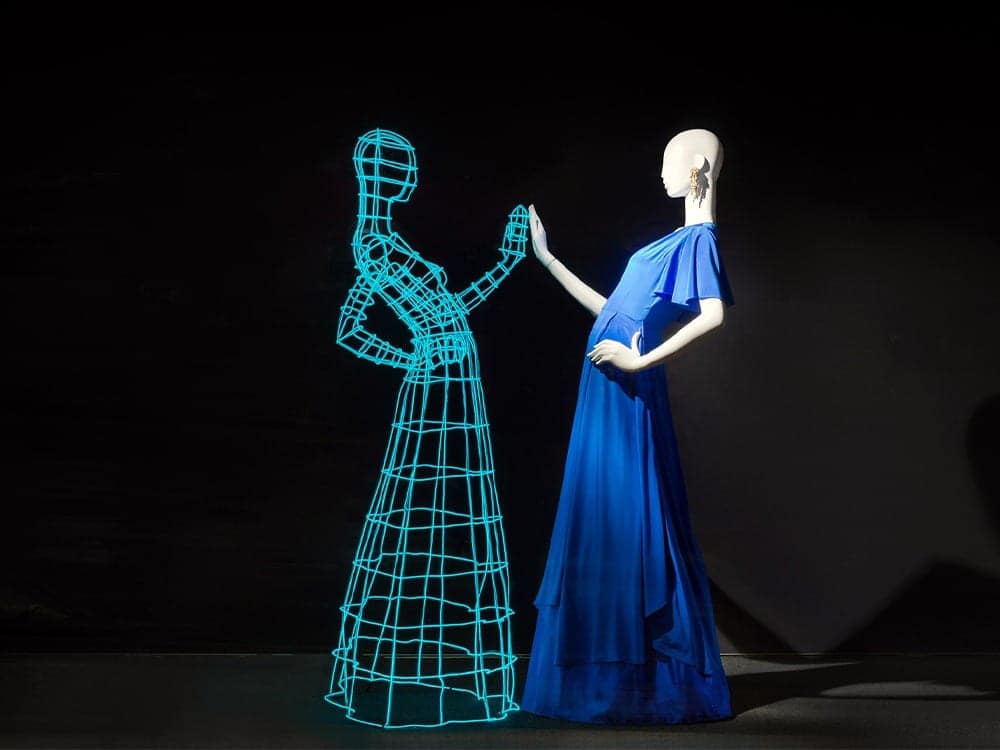
As the modest fashion sector gains momentum, algorithms play a pivotal role in tailoring designs that resonate with consumers. Sophisticated AI tools analyze vast amounts of data, identifying trends that reflect cultural values and aesthetics tied to modesty. By harnessing insights from social media and consumer behavior, designers can create collections that align with targeted demographics, ensuring that garments are both stylish and appropriate.
- The Role of AI in Fashion Design
AI has revolutionized fashion design by streamlining the creative process. Designers leverage AI algorithms to predict trends, generate design ideas, and even assist in fabric selection. Utilizing machine learning, AI can analyze previous collections’ performance and consumer feedback, allowing designers to create more appealing and commercially viable modest wear. This technology reduces the time needed for research and ideation while enhancing creativity and innovation.
- Tailoring Modest Fashion to Diverse Cultural Preferences
Diverse cultural preferences play a significant role in shaping the modest fashion landscape. By understanding various regional styles and religious guidelines, designers can craft garments that honor traditions while maintaining contemporary appeal. For instance, a brand might create long-sleeved dresses adorned with intricate embroidery, targeting markets with specific cultural expectations while simultaneously appealing to a global audience. Through this cultural sensitivity, brands not only expand their market reach but also foster inclusivity.
For instance, while Western modest fashion may emphasize layering and muted palettes, Middle Eastern customers might prefer brightly patterned fabrics that allow for self-expression within modest guidelines. Successful brands often conduct research through surveys and focus groups to grasp the nuances of cultural preferences, ensuring their designs resonate with diverse audiences. This commitment to tailoring fashion to cultural expectations enhances customer loyalty and broadens appeal, making modest fashion more accessible worldwide.
Virtual Dressing Rooms: Changing the Shopping Experience

Virtual dressing rooms are revolutionizing how consumers engage with modest fashion brands. These advanced platforms allow shoppers to try on garments in a virtual space, minimizing the guesswork often associated with online purchases. By simply uploading an image or using body measurement tools, individuals can visualize how a piece will look and fit without stepping into a physical store. This technology not only enhances convenience but also significantly reduces return rates, benefiting both buyers and retailers.
- Enhancing Customer Engagement through AR Technology
Augmented reality (AR) technology enriches the shopping experience by creating interactive environments where customers can personalize clothing choices. Through AR, shoppers can overlay digital garments onto their own bodies using their smartphones, enabling them to experiment with different styles, colors, and sizes. This immersive experience not only keeps customers engaged for longer periods but also facilitates informed buying decisions, which ultimately drives sales for modest fashion retailers.
- The Impact of 3D Modeling on Fit and Style
3D modeling technology is transforming how fashion brands approach design and sizing. By accurately simulating garments on virtual avatars that reflect diverse body types, designers can create recommendations that cater to various customer needs. This precision ensures a better fit and allows for exploration of style variations without the limitations of physical samples. As the adoption of 3D modeling becomes mainstream, the modest fashion industry stands to benefit from increased customization and efficiency in production.
With 3D modeling, designers gain the ability to visualize how fabrics behave and drape in real-time, which aids in crafting tailored pieces that appeal to different body shapes. This technology allows for iterative designs, meaning adjustments can be made quickly based on consumer feedback. Additionally, brands can produce garments in smaller batches, minimizing waste while catering to niche markets. This sophisticated approach not only enhances the overall shopping experience but also supports sustainable practices within the industry, aligning with the values of many conscientious consumers.
Sustainable Practices: Tech Innovations Driving Ethics
Technology is redefining sustainability within the fashion industry, focusing on ethical practices that prioritize both the planet and the consumer. Advances in artificial intelligence and machine learning enable brands to optimize their supply chains, reducing waste and energy consumption. Many brands now utilize digital tools to assess environmental impacts, helping them to align with eco-conscious goals while satisfying an increasingly aware consumer base. This innovative approach not only enhances brand reputation but also establishes a meaningful connection with sustainability-minded consumers.
- Eco-friendly Fashion Through Smart Manufacturing
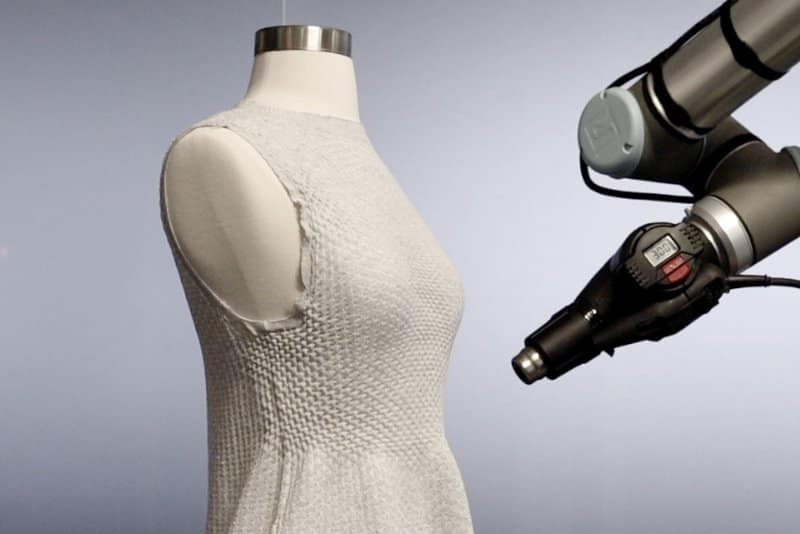
Smart manufacturing has revolutionized the approach to eco-friendly fashion, employing technologies like robotics and IoT to minimize resource consumption. For instance, brands implement automated cutting and sewing processes that reduce fabric waste significantly. By harnessing data analytics, designers are better informed on sustainable materials that can be utilized in production, and they can swiftly adapt designs based on environmental impact assessments, ultimately crafting garments that are as sustainable as they are stylish.
- Transparency and Traceability in Supply Chains
Transparency and traceability in supply chains are becoming vital components in the sustainable fashion narrative, driven by technology. Companies are increasingly adopting blockchain to track the journey of materials from source to consumer, ensuring every step adheres to ethical standards. This level of transparency empowers consumers to make informed choices, fostering a greater sense of accountability among brands.
Blockchain technology, for example, provides a tamper-proof ledger that tracks the lifecycle of a garment from raw materials to retail. This enables customers to verify claims about organic materials or fair labor practices directly. Brands like Everlane have set the example by showcasing their factories online, demonstrating commitment to ethical labor and production standards. Tools like these fulfill consumer demand for more information and allow brands to build trust through verified stories about how and where their products are made. As technology evolves, the potential for enhanced transparency will reshape consumer expectations and industry standards alike.
Social Media and Influencer Culture: The New Fashion Gatekeepers
In the evolving landscape of modest fashion, social media platforms have emerged as pivotal arenas where trends are born and shaped. Influencers serve as the new gatekeepers, bringing visibility and relatability to a once niche market. Through curated content, they connect with diverse audiences, showcasing how modest fashion can be both trendy and accessible. Brands now rely heavily on these digital tastemakers to establish authenticity, creating partnerships that resonate with consumers seeking personal style and community validation.
- How AI Curates Influencer Partnerships in Modest Fashion
AI technology plays a significant role in identifying and forming influencer partnerships tailored for modest fashion brands. Algorithms analyze engagement metrics and audience demographics, allowing brands to select influencers whose values align with their own. This data-driven approach not only enhances marketing effectiveness but also ensures that the collaborations genuinely reflect the brand’s identity, creating more authentic connections with potential customers.
- Navigating Trends: Balancing Tradition and Modernity
Balancing tradition and modernity is vital in the modest fashion sphere, where cultural heritage intertwines with contemporary style. Brands are challenged to respect traditional aesthetics while innovatively catering to new consumer desires. This duality can be seen in collections that incorporate classic silhouettes adorned with modern textiles or contemporary cuts that respect traditional guidelines. Modest fashion signifies more than just clothing; it embodies a lifestyle that honors cultural roots while embracing the dynamic shifts of today’s fashion landscape.
The interplay between tradition and modernity in modest fashion illustrates a more profound narrative about identity. Designers often reflect cultural storytelling through their collections, integrating traditional prints and tailoring techniques with daring silhouettes and fabrics. For instance, some brands might use vibrant, contemporary patterns while maintaining classic long hemlines or layering styles, showcasing how versatility and individual expression can coexist.
The Intersection of Personalization and Inclusivity
As the modest fashion industry evolves, blending technology with inclusivity is vital for creating a more diverse fashion landscape. Personalized shopping experiences enable consumers from various cultural backgrounds to find clothing that not only fits well but also aligns with their values and aesthetics. By harnessing data analytics, brands can cater to the unique preferences of their customers, ensuring that everyone feels represented and engaged in the design process.
- Customizing Features for Individual Needs
Advanced technology facilitates the customization of clothing features tailored to individual needs. Online platforms now allow consumers to modify dimensions, select fabrics, and choose colors based on their personal preferences. This level of personalization empowers individuals to express their identity through fashion while also addressing the functional requirements specific to modest styles.
- Bridging Gaps: Engaging Underrepresented Voices
Engaging underrepresented voices in the modest fashion sector is vital for fostering inclusivity. Fashion brands are increasingly collaborating with influencers from diverse cultural backgrounds, enabling them to bring unique perspectives and designs to the table. This collaborative approach not only enriches the creative process but also ensures that diverse audiences feel seen and appreciated in the evolving landscape of modest fashion.
Brands that focus on elevating underrepresented voices benefit from innovative collaborations and authentic storytelling. For instance, partnerships with designers from marginalized communities have resulted in collections that incorporate cultural motifs and narratives seldom seen in mainstream fashion. This engagement not only challenges the traditional fashion narrative but also broadens the market, creating spaces where a multitude of experiences and styles can flourish.
Final Words
With this in mind, the future of modest fashion appears promising as AI and technology continue to innovate the industry. They enable designers to create personalized experiences while ensuring accessibility and sustainability. Furthermore, state that consumers are leaning toward brands that embrace inclusivity and ethical practices. As they navigate this evolving landscape, it is evident that technology will play a pivotal role in defining trends, enhancing customer engagement, and reshaping traditional retail paradigms. Together, these factors will shape the next chapter for modest fashion in a rapidly changing world.