Table of Contents
It might surprise you to hear that the Muslim apparel industry has a lot of supply chain issues, from logistics of distribution to sourcing materials. Look at the challenges of negotiating international trade constraints, while investigates how cultural and religious sensibilities affect design and production processes. Look for creative ways to improve supply chain efficiency, like implementing technology and cultivating regional alliances. Stakeholders should strive toward a more robust and responsive Muslim clothing market by being aware of these important problems and possible solutions.
Cultural Nuances Shaping Demand
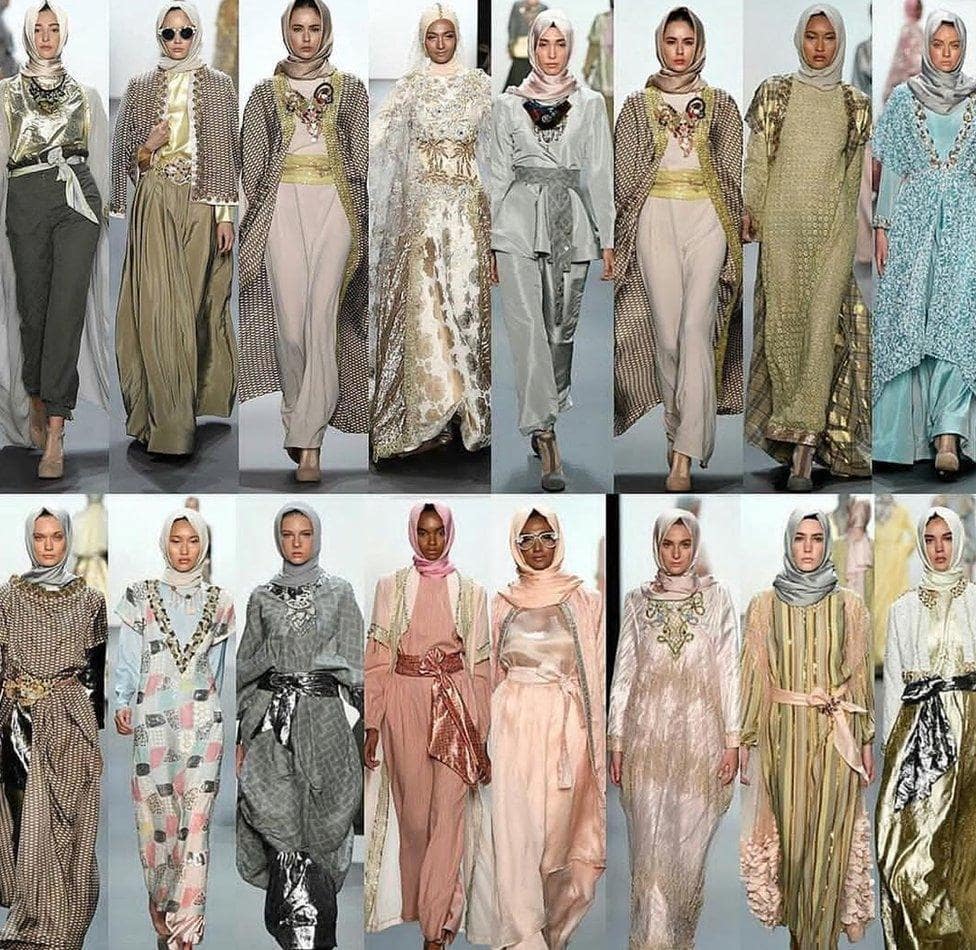
Cultural nuances heavily influence demand within the Muslim apparel industry, dictating not only styles but also fabrics and colors preferred by different communities. For instance, while some cultures embrace traditional garments like abayas and hijabs, others are more inclined towards contemporary fashion that incorporates modest design elements. Seasonal festivities, religious observances, and regional ethnic backgrounds contribute to a complex tapestry of consumer preferences, making it imperative for brands to adapt their offerings accordingly for effective market penetration.
- Diverse Cultural Interpretations and Sizing Challenges
Diverse cultural interpretations deeply affect sizing and fit within the Muslim apparel sector. Each community has distinct preferences that dictate everything from length to drape. For example, what might be considered an appropriate size for a hijab in one culture could vary drastically in another. This leads to challenges for retailers attempting to standardize sizes across markets. Accurate size charts that account for regional variations are critical to ensure that garments meet customer expectations and provide satisfaction.
Specific sizing challenges arise from varying interpretations of modesty and body shapes across different cultures. In South Asian markets, for instance, consumers often prefer looser, flowing designs that offer ample coverage, which may lead to requests for larger sizes than western counterparts. Conversely, in Middle Eastern countries, tailored silhouettes may be more favored, complicating the development of a universal sizing standard. Furthermore, retailers must stay attuned to the influx of new customers from diverse backgrounds, each with unique sizing requirements that can strain supply chains if not effectively addressed. The solution often lies in investing in local research and utilizing technology to offer customizable sizing options that cater to these varied expectations.
Navigating Regulatory Compliance and Ethical Sourcing

Compliance with various regulations ensures that businesses in the Muslim apparel industry not only meet market demands but also adhere to ethical standards. The landscape is complex, with guidelines that vary by country and region, affecting everything from fabric sourcing to labor practices. Companies must remain informed about local laws and international trade agreements that can impact their supply chain operations. By prioritizing regulatory adherence, they can foster trust and build a responsible brand reputation.
- Import and Export Regulations Specific to Muslim Markets
Specific regulations often govern the import and export of apparel catering to Muslim consumers, particularly in regions with strict customs procedures. For instance, items that contravene local Islamic customs could face heavy restrictions, while compliance with certifications that authenticate the halal status of certain fabrics is important. This can significantly affect sourcing patterns and market entry strategies for businesses targeting Muslim-majority markets.
- Ensuring Ethical Labor Practices in Production
Ensuring ethical labor practices within production facilities is imperative for companies in the Muslim apparel industry. Many consumers prioritize brands that demonstrate social responsibility, advocating for fair wages and humane working conditions. With the rise of certifications like Fair Trade and initiatives focused on sweatshop-free manufacturing, businesses are prompted to audit their suppliers and verify compliance with labor standards. Transparency in these practices can significantly elevate a brand’s reputation and foster consumer loyalty.
Engaging with ethical labor practices requires a proactive approach. Companies often need to implement rigorous supplier audits and collaborate with third-party organizations to ensure that human rights are upheld in the production process. This can involve conducting regular inspections and requiring suppliers to provide documented evidence of compliance with labor laws. By adopting these measures, they not only mitigate risks of reputational damage but also empower workers, creating a more sustainable and equitable industry environment.
The Impact of Global Supply Chain Disruptions

Global supply chain disruptions have profoundly affected the Muslim apparel industry, with significant delays in production and transportation leading to inventory shortages. Factors such as the COVID-19 pandemic and geopolitical tensions have caused a ripple effect especially on apparel business, prompting brands to seek alternative manufacturing locations or diversify their supplier base. Consequently, retailers have also grappled with rising costs, which they often pass on to consumers, thereby impacting sales and brand loyalty.
- How Political Instability Affects Procurement
Political instability can severely hinder procurement processes within the Muslim apparel industry, often resulting in unexpected delays, increased costs, and diminished access to imperative raw materials. Countries afflicted by conflict or regulatory uncertainties face disruptions that prevent timely shipments, compelling brands to scramble for alternatives. In some cases, suppliers may become unavailable, forcing retailers to rethink their entire supply chain strategy and adapt to an unpredictable global landscape.
- Adapting to Global Crises: Lessons Learned from Recent Events
Recent global crises have prompted the Muslim apparel industry to reassess its operational strategies, highlighting the need for resilience in supply chains. Businesses that swiftly adapted by leveraging technology, such as data analytics and artificial intelligence, were able to better forecast disruptions and mitigate risks. Many retailers also embraced multi-sourcing strategies, deliberately engaging suppliers across diverse regions, which enabled them to remain operational during crises and better serve their customer base.
In learning to navigate these challenges, brands discovered that agility is critical. For instance, during the peak of the COVID-19 pandemic, companies that quickly transitioned to e-commerce platforms were able to maintain their market presence, while many traditional retailers faced significant declines. The shift towards sustainable sourcing also gained momentum, with manufacturers investing in local production to reduce dependency on global suppliers. By prioritizing long-term relationships with reliable local partners, these businesses not only enhanced supply chain integrity but also bolstered their brand’s commitment to ethical practices.
Innovations in Sustainable Practices within the Industry
Sustainable practices in the Muslim apparel industry have gained momentum as brands seek to reduce their environmental footprint while meeting the demands of conscious consumers. Innovations in technology and design are leading the charge, with companies investing in eco-friendly production methods and materials that align with the values of their clientele. The industry is witnessing a shift towards transparency, allowing consumers to make informed choices that reflect their commitment to sustainability.
- Eco-Conscious Materials That Meet Demand
The rise of eco-conscious materials is transforming the Muslim apparel landscape. Brands are now exploring organic cotton, sustainable bamboo, and recycled polyester to create comfortable and stylish garments. By utilizing these materials, they not only cater to growing consumer demand for sustainable fashion but also minimize the impact on the environment. This commitment to sourcing responsibly creates a win-win scenario for both the industry and its eco-minded consumers.
- Circular Fashion Initiatives: Reducing Waste in Muslim Apparel
Circular fashion initiatives aim to combat waste in the Muslim apparel sector by promoting the reuse and recycling of garments. Innovative brands are launching take-back programs and upcycling initiatives, encouraging customers to return old clothing for recycling or repurposing. This approach not only lessens landfill contributions but also fosters a culture of sustainability within the community.
Circular fashion in the Muslim apparel industry has proven effective in reducing waste by extending the lifecycle of garments. For instance, brands like Modanisa have implemented take-back schemes, allowing customers to send back their worn-out clothes, which are then either refurbished or recycled. This initiative not only aids in minimizing textile waste but also enhances customer loyalty through participation in sustainable practices. By encouraging consumers to rethink their purchasing habits, the industry moves toward a more sustainable future, aligning perfectly with the principles of preserving the planet for future generations.
Technology’s Role in Enhancing Efficiency
Technology serves as a cornerstone for improving efficiency within the Muslim apparel industry, facilitating streamlined operations and robust supply chain management. Automation, machine learning, and data analytics provide vital tools to optimize production processes, reduce waste, and enhance customer satisfaction through faster delivery times.
- Supply Chain Visibility Through Advanced Analytics
Advanced analytics equip companies with real-time insights into their supply chains, helping them understand and respond to fluctuations in demand, inventory levels, and supplier performance. This visibility leads to more informed decision-making and improved responsiveness to market changes.
- Enhanced tracking of inventory throughout the supply chain
- Improved forecasting accuracy using historical data
- Ability to identify bottlenecks and inefficiencies
- Real-time updates on order status and delivery
- Data-driven insights for strategic planning
| Insight | Impact |
|---|---|
| Real-time inventory management | Reduces stockouts and excess inventory |
| Predictive analytics | Strengthens demand forecasting methods |
| Supplier performance metrics | Improves supplier selection and relationship management |
- The Promise of Blockchain in Ensuring Transparency
Blockchain technology presents a transformative solution for increasing transparency in the Muslim apparel supply chain. By establishing a decentralized ledger, stakeholders can trace the origin and journey of each garment, ensuring ethical sourcing and compliance with halal standards.
This technology enhances trust among consumers and producers alike, as each transaction is securely recorded and immutable. For instance, companies integrating blockchain can verify that materials are sourced from verified suppliers and that labor practices meet ethical standards. As consumers become more conscientious about sourcing, leveraging blockchain can serve as a unique selling proposition, differentiating brands in a crowded market. Ultimately, this transparency not only builds trust but can also lead to increased customer loyalty and market share.
Conclusion
Following this examination, it is evident that supply chain challenges in the Muslim apparel industry require strategic approaches and innovative solutions. They face issues ranging from sourcing materials to ensuring ethical production standards. By adopting technology, improving supplier relationships, and focusing on sustainability, they can enhance their supply chain resilience. Ultimately, these strategies not only address current challenges but also position the Muslim apparel industry for future growth and success in an increasingly competitive market.