Table of Contents
It’s fascinating to explore how Kashmiri embroidery enhances Muslim clothing, creating exquisite pieces that showcase both artistry and culture. You will discover that this intricate craft combines vibrant colors and detailed patterns, each telling a story of Kashmir’s rich heritage. From the delicate stitch work to the symbolism embedded in designs, understanding these elements will deepen your appreciation for the garments that have adorned generations. Join us as we explore into the traditional techniques and their significance in modern fashion, enriching your knowledge of this remarkable art form.
Historical Background of Kashmiri Embroidery
While Kashmiri embroidery boasts a rich heritage that dates back to the 16th century, it was primarily developed under the influence of Mughal artisans. Over time, this artistry became a hallmark of the region’s cultural identity, symbolizing the fusion of Persian and indigenous styles. The intricate designs and techniques you see today reflect centuries of craftsmanship passed down through generations, making it a vital part of Kashmiri Muslim clothing.
Origins and Evolution
One can trace the origins of Kashmiri embroidery to ancient threads that wove through various dynasties, each leaving a distinct mark. Initially, it was used to embellish royal garments, with patterns inspired by nature, which later evolved in complexity and popularity among the masses.
Cultural Significance
Among the many elements that define Kashmiri culture, embroidery occupies a prominent place, reflecting your community’s history, traditions, and artistry. It transcends mere decoration, representing a language of identity and belonging.
It serves not only as a means of self-expression but also as a symbol of social status and artistic achievement within your community. The motifs and techniques often narrate stories from local folklore, religious beliefs, and natural surroundings, showcasing the deep connection between the people and their environment. This profound cultural significance makes Kashmiri embroidery a vibrant testament to your heritage, allowing you to embrace and share its beauty and meaning through your clothing.
Techniques and Styles of Kashmiri Embroidery
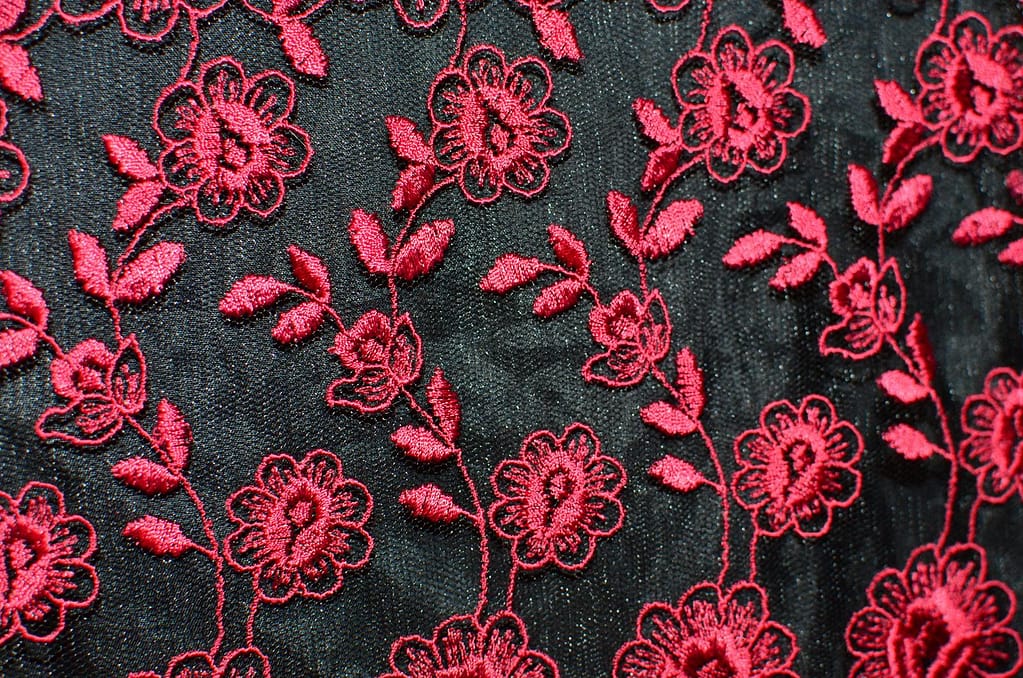
There’s a fascinating array of techniques and styles that define Kashmiri embroidery, each imbued with rich cultural significance. You will discover that the artistry often reflects the history and traditions of the region, with intricate patterns and vibrant colors telling unique stories. Whether it’s the delicate strokes of Sozni or the bold designs of Aari work, each stitch is a testament to the skill and dedication of the artisans, drawing you into the beauty of this remarkable craft.
Sozni and Aari Work
Any embroidery enthusiast would appreciate the elegance of Sozni and Aari work, both distinguished by their unique techniques. Sozni, known for its fine needlework, creates stunning motifs that can transform any piece of fabric into a masterpiece. Aari work, on the other hand, involves a hooked needle that creates bold, textured patterns, making it a favorite for more vibrant designs. Each technique offers you the chance to embrace the intricate artistry of Kashmiri textiles.
Phiran and Shawl Designs
Across the beautiful landscapes of Kashmir, Phiran and shawls epitomize the region’s embroidery heritage, merging tradition with practicality. You’ll find that these garments are not just clothing but also canvases for artistic expression, showcasing elaborate designs that often symbolize nature and spirituality.
Techniques used in Phiran and shawl designs vary widely, often incorporating elements from both Sozni and Aari work. You may encounter intricate floral patterns, paisley motifs, and geometric shapes that dominate the landscape of Kashmiri textiles. Each Phiran or shawl speaks volumes about the craftsmanship behind it, as the artisan’s skill and imagination intertwine. The luxurious textures and personalized designs invite you to appreciate the detailed craftsmanship that has been passed down through generations.
Materials Used in Kashmiri Embroidery
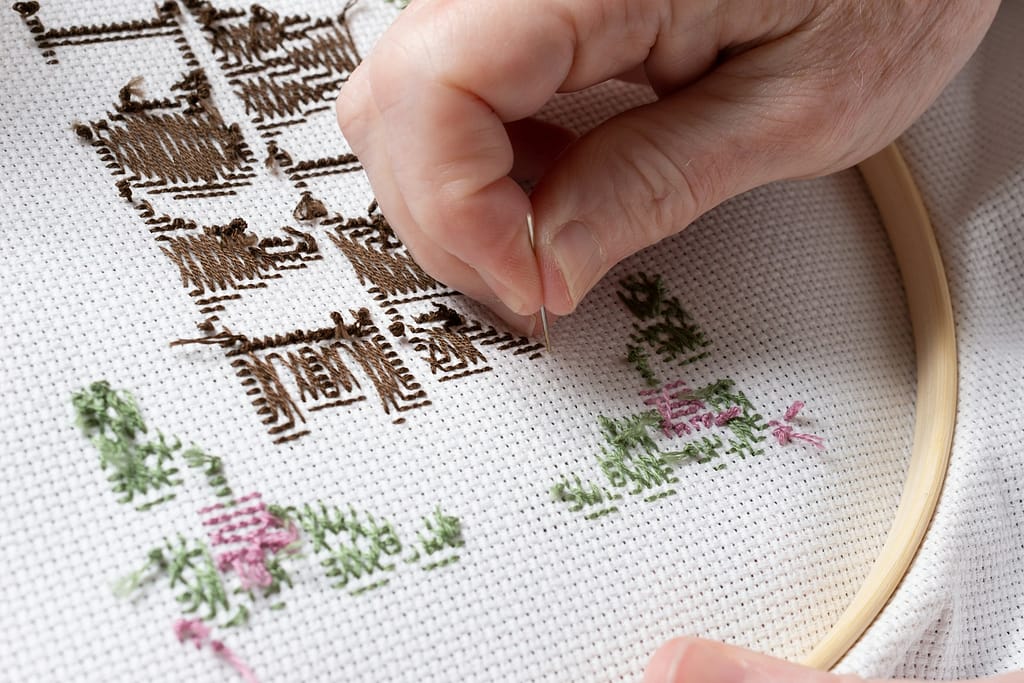
You might be surprised by the rich variety of materials that play a significant role in Kashmiri embroidery. From luxurious fabrics to vibrant threads, each element contributes to the aesthetic appeal and durability of the artwork. Silk, cotton, and wool are among the primary fabrics used, while the threads are often made from fine wool or silk, allowing for intricate designs that showcase the craftsmanship of this traditional art form.
Fabrics and Threads
Any type of fabric can serve as a canvas for Kashmiri embroidery, but the most favored choices are silk, cotton, and pashmina. These materials not only enhance the beauty of the designs but also add softness and warmth to the finished pieces. Additionally, threads made from fine wool and silk are commonly used to create detailed patterns, allowing artisans to demonstrate their skill and creativity effectively.
Natural Dyes vs. Synthetic Dyes
Dyes play an necessary role in determining the final look of the embroidered fabric, and their origins can vary widely. Natural dyes, derived from plants, minerals, and insects, have been traditionally used in Kashmiri embroidery, providing rich, earthy tones that age beautifully. Alternatively, synthetic dyes offer a broader spectrum of colors and can be more consistent in application, but may lack the same depth or character as their natural counterparts.
Considering the impact of dyes, many artisans still advocate for the use of natural options in Kashmiri embroidery. Natural dyes not only promote a sustainable approach to fabric production but also enhance the unique characteristics of each piece. Furthermore, these dyes often possess better color fastness over time, adding to the longevity of the embroidered fabric. However, with the introduction of synthetic dyes, artisans can experiment with bolder colors while achieving a level of uniformity that is often sought after in modern design. The choice between natural and synthetic ultimately reflects the artisan’s commitment to traditional craftsmanship versus contemporary trends.
The Role of Kashmiri Embroidery in Muslim Clothing
Keep in mind that Kashmiri embroidery plays an imperative role in enhancing the beauty and cultural significance of Muslim clothing. This intricate art form not only embellishes garments but also encapsulates centuries of tradition, representing the rich heritage of the Kashmiri people. By incorporating delicate patterns and vibrant colors, Kashmiri embroidery transforms simple fabrics into exquisite pieces that reflect your personal style while preserving a rich history.
Traditional Attire
Beside its aesthetic appeal, traditional Kashmiri embroidery has deep-rooted cultural significance. It adorns classic garments like the pheran and shawls, which are integral to the Kashmiri Muslim wardrobe. Each stitch tells a story of artistic expression and communal identity, allowing you to connect with the region’s history and values through your attire.
Contemporary Fashion Trends
Clothing trends today have evolved, blending traditional Kashmiri embroidery with modern styles. You can see this fusion in contemporary pieces like dresses, tunics, and even accessories, effectively merging age-old craftsmanship with current fashion sensibilities. The incorporation of Kashmiri motifs into mainstream fashion allows you to embrace your heritage while also enjoying the versatility of modern outfits.
To truly appreciate contemporary fashion trends, it’s imperative to explore how designers are reimagining Kashmiri embroidery for today’s market. By pairing traditional techniques with modern silhouettes, artisans create stunning pieces that resonate with younger generations. As you navigate today’s fashion landscape, you can find unique garments that embody the beauty of Kashmiri craftsmanship while fitting effortlessly into your wardrobe, making a statement that connects past and present.
Challenges Facing Kashmiri Embroidery
Unlike other traditional crafts, Kashmiri embroidery faces numerous challenges that threaten its survival. The art form, rich in history and cultural significance, is increasingly overpowered by mass production and changing consumer preferences, which often neglect the uniqueness and value of handcrafted items. As a result, artisans struggle to keep this age-old craft alive, leading to a potential loss of not just livelihoods, but also a significant aspect of cultural heritage.
Economic Pressures
Before entering into the artistry, it’s necessary to understand the economic pressures that artisans face. With the rise of cheap, machine-made textiles, many skilled workers find it hard to compete, leading to diminished earnings and fewer opportunities for creativity. This economic strain often forces talented artisans to abandon their craft, resulting in a decline in the unique craftsmanship that defines Kashmiri embroidery.
Preservation of Craftsmanship
With the changing market dynamics, the preservation of craftsmanship becomes increasingly vital. You may find that many traditional techniques are at risk of being forgotten as younger generations gravitate towards more commercially viable careers. The intricate skills honed over years are not merely skills; they represent a cultural lineage that deserves to be safeguarded.
Consequently, initiatives that promote the art of Kashmiri embroidery emerge as imperative for sustaining its heritage. Workshops and mentorship programs can connect experienced artisans with eager learners, ensuring that the rich history behind each stitch is thoughtfully transmitted. Supporting local cooperatives and promoting ethical buying can also play a critical role in maintaining the livelihood of these craftsmen. By advocating for the appreciation of artisanal work, you become an ally in reinforcing the value of this exquisite art form.
Conclusion
Considering all points, you can appreciate that Kashmiri embroidery holds a significant place in Muslim clothing, showcasing intricate craftsmanship and cultural heritage. This unique art form not only enhances the beauty of garments but also tells stories of tradition and identity. By understanding its history and techniques, you gain a deeper connection to the craftsmanship involved in your clothing, making each piece more than just an item of wear—it’s a celebration of artistry and cultural significance.