Table of Contents
Fashion plays a significant role in conveying cultural identity, and for many, Islamic calligraphy serves as a profound expression within Muslim attire. They incorporate intricate calligraphic designs that reflect spirituality, heritage, and artistry, transforming garments into wearable art. Understand that each stroke of the pen tells a story, merging tradition with modernity. Observe how the art of Islamic calligraphy not only beautifies clothing but also serves as a medium for conveying messages of faith and devotion. Together, they explore the enchanting world of Islamic calligraphy and its vibrant influence on contemporary Muslim fashion.
The Historical Significance of Islamic Calligraphy in Fashion
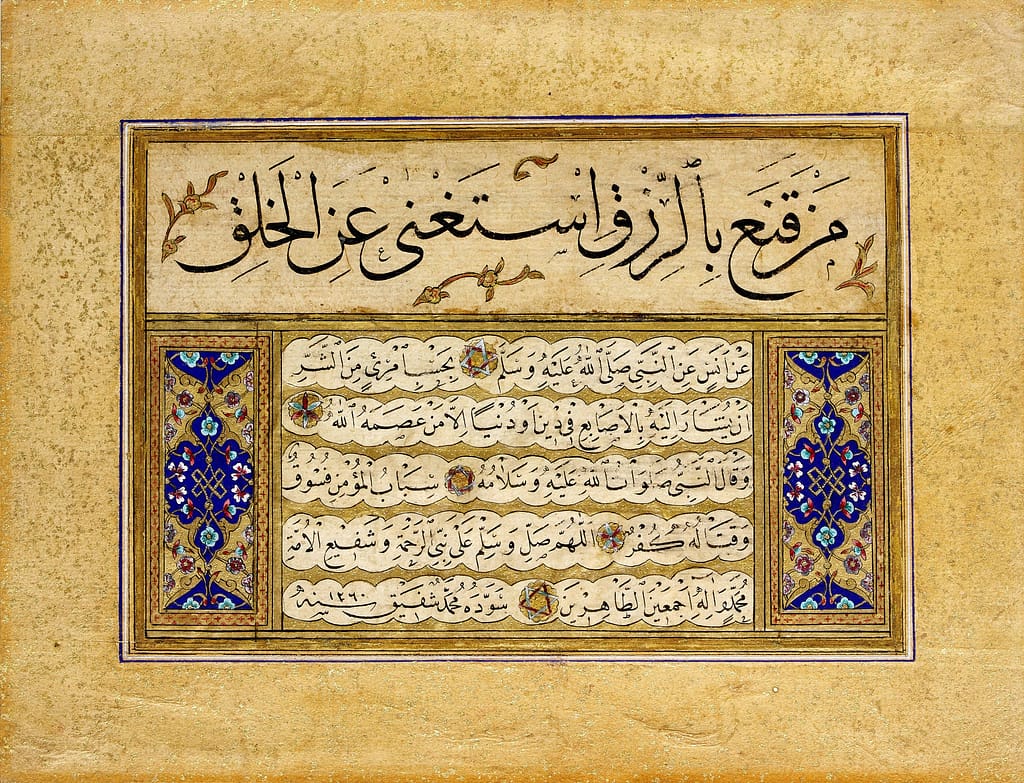
Islamic calligraphy has woven itself into the fabric of Muslim fashion, reflecting a rich historical significance that transcends mere aesthetics. Designers utilize calligraphic forms not only as ornamental elements but also as vessels for spiritual and philosophical messages. This synchronization of art and wear exemplifies how clothing transcends its practical function, becoming a canvas for cultural dialogue and identity reinforcement.
- Calligraphy as a Divine Art Form
Regarded as a divine art form, Islamic calligraphy is steeped in reverence and spirituality. Its origins trace back to the Quran, where the beauty of the written word symbolizes God’s nature. Calligraphers often infuse their works with devotion, whether inscribing verses from sacred texts or crafting intricate designs that embody divine attributes, thereby elevating the art to a sacred level that influences fashion.
- Cultural Evolution and Regional Variations
Cultural evolution has shaped Islamic calligraphy, leading to diverse regional variations that enrich its expression in fashion. Each culture interprets and employs calligraphy differently, from the complex tulut script of the Ottoman Empire to the flowing Naskh style prevalent in North Africa. These variations reveal how local aesthetics and traditions influence the incorporation of calligraphy into clothing designs, showcasing a vibrant tapestry of style that resonates with collective identity.
The interplay between cultural evolution and regional variations in Islamic calligraphy highlights how these traditions adapt over time. For instance, in South Asia, calligraphic fashion often merges with local embroidery techniques, creating pieces that reflect both Islamic heritage and cultural specifics. In contrast, Middle Eastern designs may showcase the boldness of Arabic script through contemporary cuts and fabrics. These adaptations result in innovative designs that honor tradition while appealing to modern sensibilities, ensuring that Islamic calligraphy remains relevant in today’s fashion landscape.
Analyzing Contemporary Trends: Calligraphy Meets Fabric
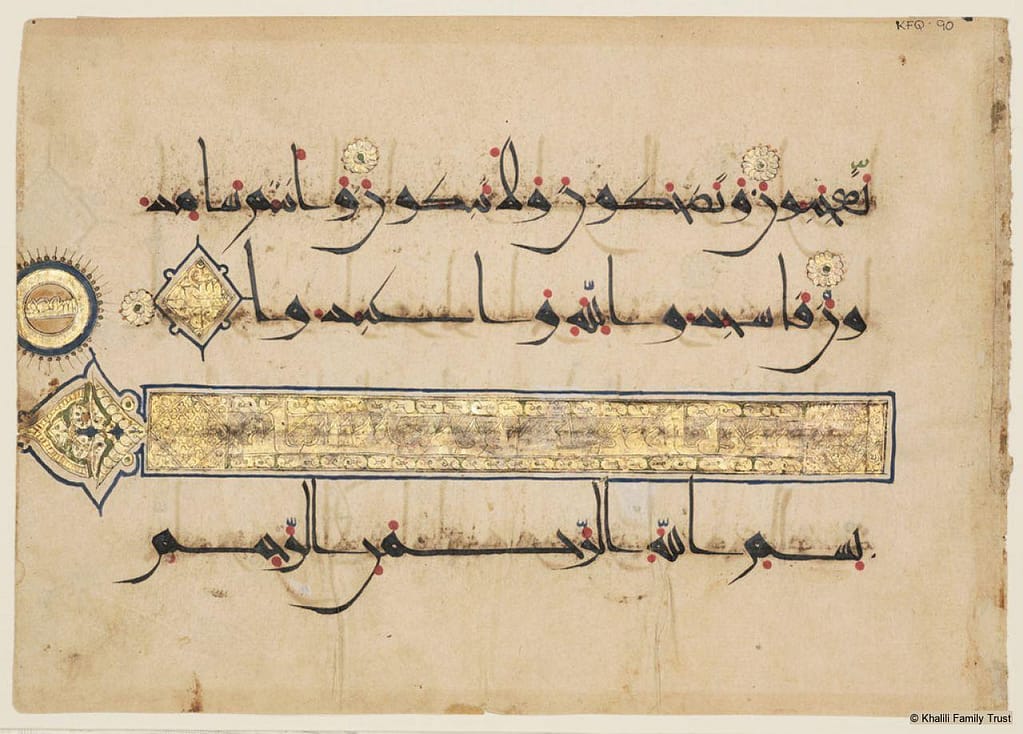
Contemporary fashion designers are increasingly embracing the art of Islamic calligraphy, seamlessly blending traditional scripts with modern aesthetics. This synergy not only revives interest in an age-old practice but also caters to diverse audiences seeking to incorporate cultural identity into their wardrobes. From high fashion runways to streetwear collections, calligraphic elements adorn a myriad of garments, highlighting a renaissance of cultural expression in Muslim fashion.
- Integration of Calligraphic Designs in Modern Garments
Contemporary garments often feature calligraphic designs that add a unique layer of meaning and artistry. Designers, such as Oumou Sy and Hana Tajima, utilize Arabic script to convey messages of love and peace, transforming everyday attire into profound statements of identity. These designs range from bold, graphic prints to intricate embroidery, which draw attention while honoring the history of Islamic calligraphy.
- Influences of Traditional Scripts on Contemporary Fashion Design
The resurgence of traditional calligraphic scripts in current fashion trends illustrates the enduring impact of heritage on modern aesthetics. Designers tend to reinterpret classical styles, employing calligraphy to create visually striking pieces that resonate with both younger and older generations. This melding of the past with contemporary sensibilities showcases a rich tapestry of cultural identity that transcends mere adornment.
Exploring the effects of traditional scripts on contemporary fashion reveals a transformative journey between cultures and time. Designers often draw inspiration from classic texts and manusscript styles, melding them with today’s silhouettes. For instance, the use of Naskh or Thuluth scripts in t-shirts and flowing kaftans not only pays homage to calligraphic heritage but also communicates messages significant to modern Muslim identity. This unique approach fosters dialogue between generations, allowing contemporary fashion to become a canvas for storytelling while serving as a bridge between cultural traditions and current fashion trends.
Crafting Identity through Calligraphy in Fashion
Fashion becomes a canvas for individual and collective identity when intertwined with Islamic calligraphy. Designers such as Ikram Abdul and Hana Sadiq utilize calligraphy to create bespoke pieces that resonate deeply with wearers, allowing them to express their personal narratives. Custom garments, often adorned with meaningful verses, enable individuals to showcase their beliefs and values, transforming clothing into a powerful symbol of identity and pride.
- The Role of Personalization and Individual Expression
Personalization transforms fashion into a reflection of one’s inner self. By offering customization options, designers empower individuals to select calligraphic styles that resonate with their personal experiences or spiritual beliefs. This approach fosters a deeper connection between the garment and the wearer, as each piece becomes a statement of both style and individuality.
- How Calligraphy Reflects Cultural Heritage
Calligraphy serves as a visual representation of cultural heritage within Islamic fashion. Each swirl and stroke reflects historical narratives, regional styles, and religious significance, forming a tapestry of tradition that is visually stunning. This legacy is evident in how contemporary designers draw from classical scripts, blending ancient art forms with modern aesthetics, thus preserving and honoring their cultural roots.
The interplay between calligraphy and cultural heritage manifests in various styles throughout the Islamic world. For instance, Arabic scripts like Naskh and Diwani are frequently incorporated into clothing designs, showcasing their beauty while conveying religious texts or poetry. This blend of art and fashion not only honors the past but also educates wearers and observers about the rich histories embedded in their garments, celebrating diversity within the Muslim community while encouraging a sense of belonging and pride in one’s heritage.
Sustainability and Innovation: The Future of Calligraphic Fashion
As the fashion industry increasingly prioritizes sustainability, the marriage of Islam’s intricate calligraphic designs with eco-conscious practices paints an optimistic picture for the future. Designers who embrace sustainability are not only preserving traditional art forms but are also redefining modern fashion. By weaving together innovation and respect for the environment, they ensure that Islamic calligraphy will grace garments for generations to come.
- Eco-Friendly Materials and Ethical Production Practices
Innovative designers are sourcing eco-friendly materials like organic cotton, bamboo, and recycled fabrics to create garments that reflect Islamic calligraphy without compromising the planet’s health. By advocating for ethical production practices, they ensure that their operations bring fair wages to artisans and reduce waste through thoughtful design choices. This alignment with sustainability enhances the value of their creations, resonating deeply with culturally conscious consumers.
- Technological Advancements and Their Impact on Calligraphic Designs
Technological advancements are revolutionizing the way Islamic calligraphy is integrated into fashion. Digital printing, 3D design software, and automated embroidery techniques allow designers to experiment with more intricate patterns and larger fabric areas than ever before. The use of virtual reality in textile design is creating immersive experiences that influence design options, enabling her to push the boundaries of artistic expression while maintaining rich traditional elements.
Through the lens of technology, the potential for Islamic calligraphy in fashion is expanding. Digital printing enables seamless reproduction of calligraphic designs on a variety of materials, reaching a broader audience beyond traditional means. Designers can utilize software to visualize and manipulate calligraphy in unprecedented ways, facilitating unique styles that blend cultural heritage with modern aesthetics. This convergence not only increases accessibility but also democratizes the art form, inviting new generations to appreciate and engage with Islamic calligraphy in their everyday fashion choices.
Bridging Gaps: Calligraphy as a Thread Connecting Generations
Islamic calligraphy serves as a mesmerizing connection between generations, blending the wisdom of the past with contemporary interpretations. Artists often draw inspiration from historical scripts, passing down techniques and styles while using modern materials and fashion contexts to create relevance. This intergenerational dialogue fosters appreciation for heritage among younger audiences, who may find deeper meaning in their cultural roots through these artistic expressions.
- Engaging Younger Audiences with Traditional Art
Younger audiences are increasingly drawn to Islamic calligraphy as it integrates with modern aesthetics and fashion. Through social media platforms and online workshops, they discover the beauty of this age-old craft and its relevance in today’s world. Innovative collaborations between traditional calligraphers and modern designers result in fresh, appealing fashion pieces that resonate with a new generation while preserving their cultural significance.
- Interfaith and Cross-Cultural Collaborations in Fashion
Collaborations that span across faiths and cultures are becoming a compelling aspect of modern fashion, where Islamic calligraphy plays a pivotal role in mutual understanding and appreciation. By intertwining diverse traditions and narratives, designers are creating clothing that not only embodies aesthetic beauty but also fosters dialogue. Projects such as the ‘Unity in Diversity’ collection showcase pieces that blend Arabic and Western calligraphy, bringing together artisans from various backgrounds to engage in meaningful creative exchanges.
This innovative approach encourages designers to explore shared values and narratives, enhancing the fashion world with their unique perspectives. Not only does this result in stunning collections, but it also cultivates a sense of belonging among diverse communities. Events that feature cross-cultural fashion shows, where Islamic calligraphy is prominently featured, highlight the deep-rooted connections between different cultural heritages while inviting in a broader audience to appreciate the intricacies of Islamic art in contemporary design. These collaborative efforts not only elevate the status of Islamic calligraphy but also empower emerging talents, demonstrating art’s potential to unite and bridge divides across generations and cultures.
To wrap up
Now, the integration of Islamic calligraphy into Muslim fashion demonstrates a profound respect for cultural heritage while embracing contemporary styles. Through intricate designs and meaningful verses, designers celebrate the artistry of calligraphy, allowing individuals to express their faith and identity. Note that as Muslim fashion evolves, the marriage of traditional calligraphic elements with modern aesthetics not only enriches the garments but also fosters a deeper appreciation for the significance of the script. She observes that this fusion is a testament to the enduring legacy and relevance of Islamic art in today’s world.