Table of Contents
Muslim attire in South Asia is heavily influenced by culture, which creates identities. Together, examine how traditional dress represents the complex tapestry of regional customs, materials, and artistic expression in addition to religious beliefs. Look at how the clothing has changed throughout the years, demonstrating how traditional designs like the shalwar kameez and dupatta have been given cultural meaning. Discover how faith and heritage interact in South Asian culture as a Muslims’ fashion choices by examining materials, trends, and historical settings.
Cultural Narratives: The Roots of Muslim Clothing in South Asia

In South Asia, the roots of Muslim clothing are deeply entwined with the region’s rich tapestry of cultural narratives. Traditional attire reflects a synthesis of Islamic principles and local customs, shaping the identity of Muslim women and men. They often adopt styles that not only comply with religious tenets but also resonate with regional aesthetics, leading to a vibrant blend of fabrics, colors, and designs unique to each community. This cultural narrative has evolved over centuries, revealing how clothing practices serve as a means of both expression and adherence to faith.
- Historical Context: The Interweaving of Religion and Culture
Historically, South Asia has been a crossroads of diverse cultures where the spread of Islam influenced local customs, leading to a unique amalgamation in clothing styles. The arrival of Muslim dynasties introduced new textiles, techniques, and design philosophies, which locals incorporated into their clothing. This resulted in garments that not only adhered to Islamic modesty guidelines but also showcased regional flair through use of local materials and artistry, revealing a narrative of coexistence and cultural fusion.
- Influential Texts and Teachings Affecting Dress Codes
Islamic teachings and various religious texts significantly impacted dress codes in South Asia, providing guidance on modesty and appropriateness. The Quran and Hadith serve as foundational sources, advocating for garments that cover the body while allowing room for individual expression. Scholars throughout history have interpreted these texts, leading to different understandings of modest clothing, which are reflected in the diverse styles seen across South Asian Muslim communities. Interpretation of these texts allows for variations among various sects and cultural backgrounds, demonstrating the breadth of influence on traditional attire.
Key texts encourage adherence to modesty not just as a physical requirement but as a reflection of piety and inner spirituality. For instance, interpretations of the Hadith vary, leading to different practices regarding how much skin should be covered and what types of fabrics are acceptable. While some might emphasize loose-fitting, opaque clothing, others may integrate contemporary styles that still adhere to the fundamental principles of modesty. The diversity in interpretation underscores the dynamism of Muslim clothing in South Asia, creating a living tradition that continues to adapt while respecting deeply rooted values.
Fabric and Form: The Materials Shaping Muslim Attire

In Muslim attire, the choice of fabric plays a quiet imperative role in both functionality and expression. Heavily influenced by local climates and cultural practices, textiles vary from the lightweight cottons of India and Pakistan to the luxurious silks of Central Asia. Each material not only serves aesthetic purposes but also aligns with the cultural significance embedded in clothing traditions.
- Traditional Textiles and Their Significance
Traditional textiles, such as silk, cotton, and wool, hold profound significance in the context of South Asian Muslim clothing. For instance, handwoven fabrics like Khadi represent not only a commitment to artisanal craftsmanship but also cultural pride and independence. Furthermore, the intricate patterns and techniques reflect the diverse heritage of various communities, showcasing regional identities through attire.
- Modern Fabric Innovations and Sustainability
Contemporary innovations in fabric technology have led to sustainable practices that accommodate a growing demand for eco-friendly materials in Muslim clothing. They incorporate organic cotton, bamboo, and recycled fibers while maintaining elegance and modesty standards. This intersection of tradition and modernity establishes a new paradigm for Muslim fashion that aligns with ethical values.
Recent breakthroughs in textile science have encouraged the development of sustainable fabrics that are not only environmentally friendly but also enhance the functionality of garments. For example, the rise of moisture-wicking and antimicrobial materials is particularly beneficial in hot climates, providing comfort without compromising on modesty. Brands are now looking to combine these innovative materials with traditional designs, creating versatile pieces that respect cultural heritage while appealing to modern sensibilities. This approach not only preserves the intricate artistry of South Asian textiles but also addresses pressing environmental concerns, paving the way for a more sustainable future in fashion.
Patterns of Belief: Symbolism and Aesthetics in Muslim Fashion

Within Muslim fashion, symbolism and aesthetic appeal play an integral role, reflecting individual beliefs, cultural heritage, and communal identity. The intricacies of design not only showcase artistry but also carry deep meanings linked to Islamic teachings and personal faith. Geometric patterns, floral motifs, and calligraphic elements are frequently incorporated, each imbued with significance that speaks to spirituality and the rich tapestry of cultural narratives. Clothing often acts as a canvas, where personal stories and collective values converge to narrate profound spiritual connections and cultural pride.
- The Role of Color and Design in South Asian Traditions
Color and design are pivotal in South Asian traditions, with each hue often symbolizing specific emotions, seasons, or cultural significance. Bright golds, deep reds, and lush greens dominate the landscape, embodying festive joy, prosperity, and vitality. Fabrics may feature intricate embroideries or block prints, with designs passed down through generations, thereby encapsulating historical narratives and regional artistry. As they adorn themselves, individuals embrace an array of traditional motifs reflecting personal style while simultaneously honoring their cultural legacies.
- The Impact of Festivals and Celebrations on Clothing Choices
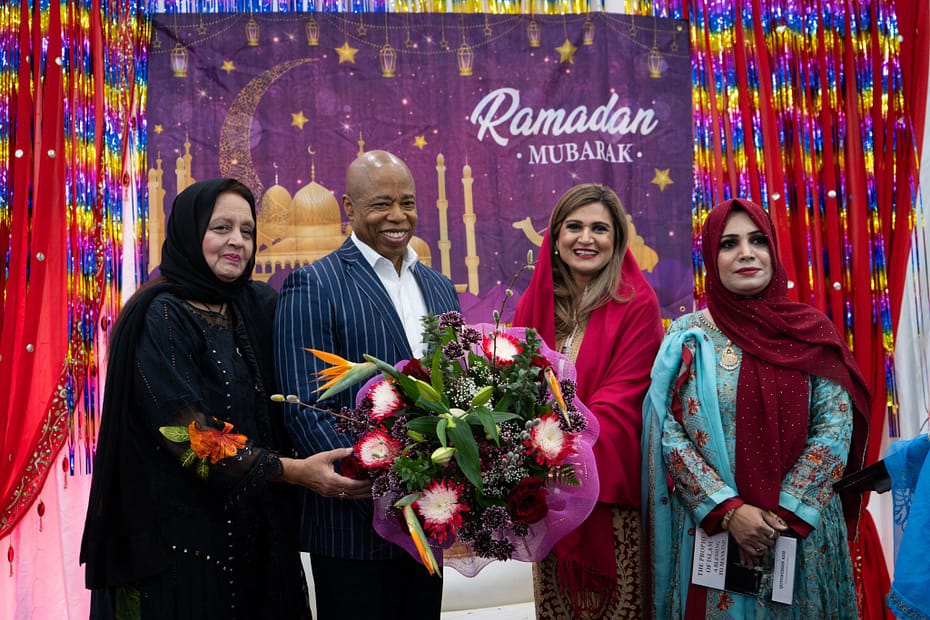
Festivals and celebrations significantly influence clothing choices among South Asian Muslims, as attire often embodies the essence of the occasion. Events such as Eid, Diwali, and weddings prompt the selection of vibrant and ornate garments that reflect cultural pride and individual style. During Eid, for instance, families might invest in new silk kurtas and beautifully embellished lehengas, showcasing a blend of contemporary and traditional fashions.
This connection to festivals is not merely about aesthetics; it serves a deeper purpose in fostering communal bonds. Dressing up in traditional clothing during celebrations allows individuals to express authenticity and cultural ties, reinforcing identity within the community. For example, during Eid, vibrant ensembles become a medium for social interaction; families come together in colorful attire, sharing in the day’s festivities and renewing their spiritual commitments.
Generational Shifts: Looking at the Evolution of Style
Over the decades, South Asian Muslim clothing has undergone a remarkable transformation, influenced by both cultural heritage and modern trends. Younger generations increasingly embrace contemporary styles while blending traditional elements, creating a unique fashion narrative. This shift reflects broader societal changes where traditional figures in the family, often the mothers and grandmothers, pass down the principles of modesty while encouraging individuality and creativity in personal expression.
- Traditional Garments vs. Contemporary Interpretations
Traditional garments, such as the shalwar kameez and dupatta, remain staples in Muslim women’s wardrobes, often being adapted into contemporary interpretations. These adaptations may include innovative cuts, contemporary fabrics, and vibrant colors that reflect current fashion sensibilities while upholding modesty. Designers are increasingly merging time-honored techniques with modern aesthetics, allowing wearers to celebrate their heritage and personal style simultaneously.
- The Influence of Global Fashion Trends on Local Attire
Global fashion trends significantly shape local attire, as designers draw inspiration from international runways and current trends. With the proliferation of social media, fashion movements from around the world rapidly infiltrate South Asian Muslim wardrobes, encouraging a fusion of styles. Young women often find themselves blending Western influences with traditional attire, incorporating trends such as oversized fits or minimalist designs into their everyday outfits.
This influence is particularly evident in urban areas, where the convergence of cultures creates a vibrant fashion landscape. Collaborations between local designers and international names, like Zara or H&M, further amplify this trend. For example, a Pakistani designer might reinterpret a Western silhouette with South Asian embroidery, appealing to those wanting to honor their roots while staying fashionable. As a result, the line between traditional and contemporary continues to blur, embodying a dynamic cultural exchange that enriches Muslim fashion across the region.
Gender Perspectives: The Diverse Experiences of Muslim Women and Men
Gender perspectives within Muslim communities illustrate varying clothing experiences shaped by cultural, social, and economic factors. Men and women navigate their identities differently, reflecting personal beliefs, interpretation of religious tenets, and contemporary influences. While the hijab or burqa can represent modesty for women, men often wear traditional garments like kurta or shalwar kameez, signifying cultural pride. Their respective choices reveal layers of personal autonomy and communal expectations, offering insights into the dynamics of modern Islamic practices in South Asia.
- Varied Expressive Styles Across Different Regions
Distinctive clothing styles emerge across South Asian regions influenced by local customs, climate, and history. For instance, in northern Pakistan, women may don richly embroidered shalwars with intricate patterns, while in southern India, cotton sarees paired with dupattas are prominent. These variations highlight not only aesthetic preferences but also regional identities, showing how Muslims across South Asia adapt traditional garments to fit their cultural landscape.
- The Intersection of Tradition, Autonomy, and Modern Identity
In the evolving landscape of South Asian Muslim fashion, traditional norms intersect with individual autonomy and modern identity. Women increasingly blend traditional styles with contemporary trends, opting for outfits that encompass both cultural significance and personal expression. Many now embrace environmentally conscious textile choices or local artisanship, showcasing how they balance cultural legacies with modern-day values. Men, too, adapt their attire to reflect contemporary sensibilities, incorporating Western styles while still honoring their heritage.
This intersection is particularly evident in urban areas, where the influence of global fashion markets sparks innovative interpretations of traditional clothing. Younger generations advocate for personal choice in style, leading to a vibrant mix of influences, such as the fusion of Western silhouettes with South Asian fabrics. Through platforms such as social media, individuals share their unique styles, fostering a broader appreciation for the diverse ways Muslim identity is expressed and continuously redefined. Ultimately, this dynamic convergence of tradition and modernity encapsulates the ongoing journey of self-exploration for many, reflecting the vibrant tapestry of South Asian Muslim culture.
Summing up
Examining how South Asian culture has influenced Muslim attire reveals a diverse range of customs and behaviors that influence expression and identity. It should be noted that different designs, materials, and embellishments demonstrate a close relationship between cultural heritage and religious observance. Take note of how these fashion choices frequently uphold Islamic values while emphasizing both personal and collective identities. They emphasize that comprehending this influence promotes discussion about culture and religion in modern society in addition to improving appreciation for various dress customs.