Table of Contents
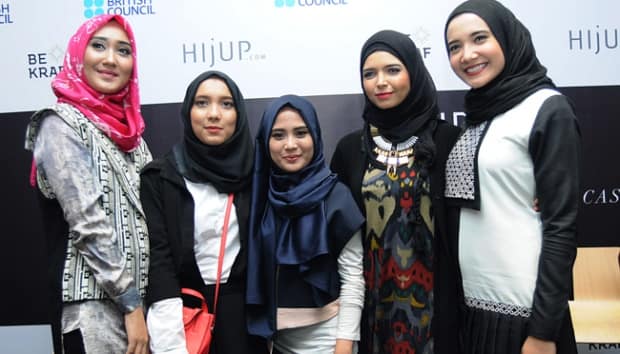
It’s evident that Indonesian Muslim fashion designers have begun to shape the global fashion landscape with their unique blend of cultural heritage and modern aesthetics. They are not only creating stylish and modest apparel but also promoting diversity and inclusivity within the industry. By incorporating traditional motifs and contemporary designs, these designers resonate with a wider audience, inspiring counterparts worldwide. Through fashion shows and collaborations, they demonstrate the potential of Muslim fashion to transcend borders, ultimately influencing global trends and fostering appreciation for Indonesian artistry.
The Cultural Fusion: Where Tradition Meets Modernity
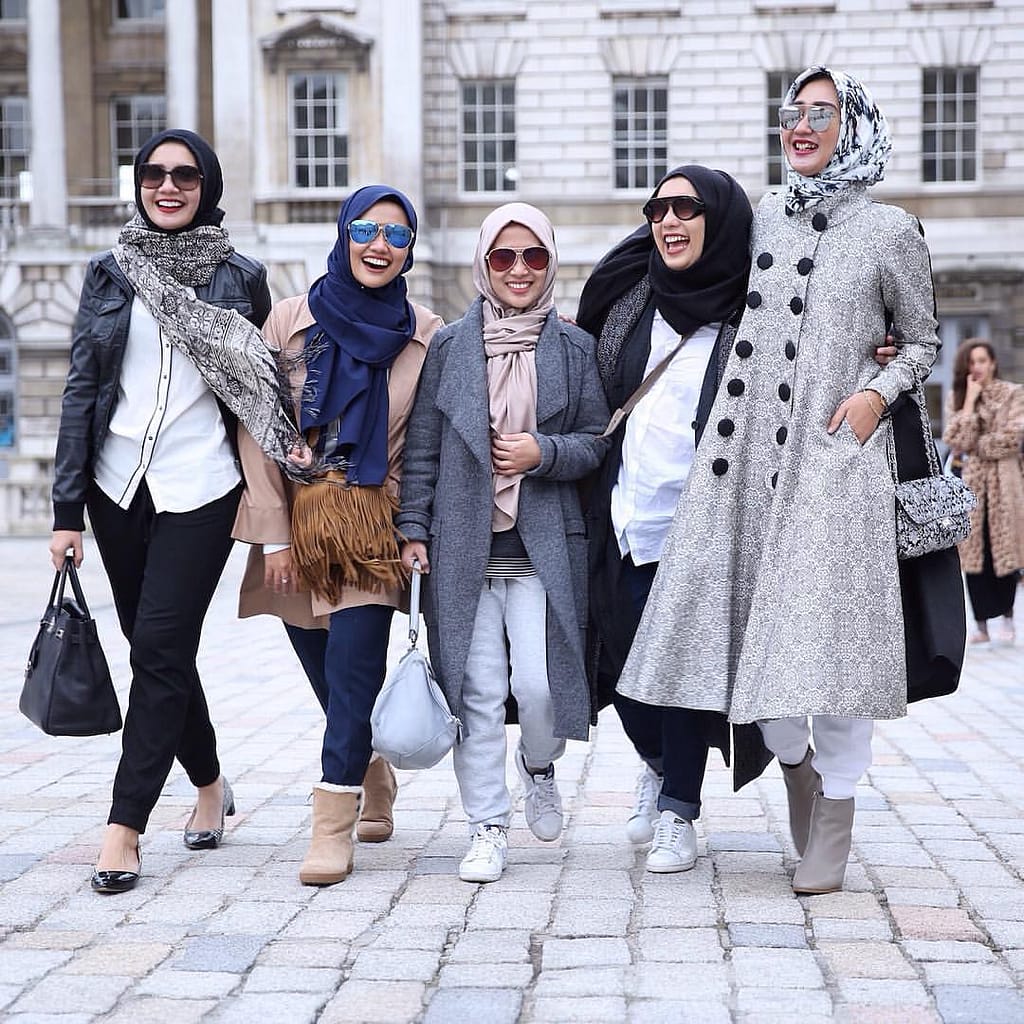
Indonesian Muslim fashion designers demonstrate a remarkable ability to intertwine traditional elements with contemporary aesthetics. They excel at taking age-old cultural symbols and techniques, reimagining them within the context of modern fashion. This fusion creates unique pieces that resonate with both local and international audiences, allowing designers to celebrate their heritage while appealing to the current global fashion narrative.
- Reviving Ancient Textiles in Contemporary Fashion
Crafting a dialogue between the past and present, many Indonesian designers incorporate ancient textiles such as batik and ikat into their collections. By utilizing these techniques, they not only breathe new life into traditional fabric but also promote sustainable practices within the fashion industry. This emphasis on historical textiles fosters a deeper appreciation for Indonesia’s rich cultural heritage.
Bridging Local Heritage with Global Trends
Indonesian Muslim designers showcase their ability to merge local cultural elements with global fashion trends, resulting in innovative, trendsetting creations. This dynamic relationship highlights how they navigate the complexities of modern style while remaining rooted in their cultural identity. The unique aesthetics offered by these designers often set the stage for new market trends, thereby influencing international fashion perspectives.
Through their creative integration of local patterns, silhouettes, and textiles with contemporary practices, Indonesian Muslim fashion designers are making significant strides in the global market. Collections inspired by community stories and rich traditions appeal to international consumers seeking authenticity and freshness. Design houses such as OSO by Didiet Maulana and Ria Miranda exemplify this approach by crafting garments that are both modest and fashion-forward. Furthermore, their participation in international fashion events provides exposure and opportunities for collaboration, effectively bridging the gap between local heritage and the global fashion scene.
Economic Contributions: Boosting Local and Global Markets
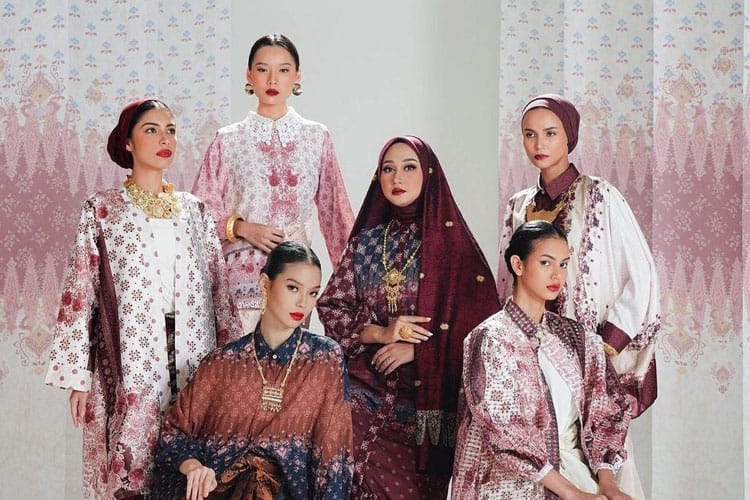
Indonesian Muslim fashion designers significantly boost both local economies and the global market through their unique creations that appeal to diverse consumer bases. By fostering craftsmanship and generating employment within the community, these designers not only create a steady income stream but also contribute to the vibrancy of Indonesia’s cultural economy. Moreover, the success of their collections on international platforms enhances Indonesia’s reputation as a hub for innovative and modest fashion.
- Growth of Indonesia’s Fashion Industry
The fashion industry in Indonesia has experienced remarkable growth, driven by the rise of Muslim fashion designers who adeptly blend contemporary styles with traditional elements. The growth is evidenced by a surge in local fashion weeks, increased participation in international trade shows, and an influx of investment in fashion startups. This dynamic sector has positioned Indonesia as a rising star in the global fashion arena.
- Export Dynamics and International Reach
Export dynamics are pivotal in extending the reach of Indonesian Muslim fashion designers beyond domestic borders. With a focus on international markets, these designers are increasingly exporting their garments to countries such as the United States, the United Kingdom, and Australia, where the demand for modest fashion continues to grow. This trend not only enhances Indonesia’s economic stature but also showcases the nation’s diverse cultural heritage on a global stage.
In recent years, several Indonesian brands have successfully entered international retail markets, illustrating the export potential of their unique designs. For instance, collaborations with global retailers and participation in international fashion exhibitions have opened doors for widespread recognition. Such efforts have led to a notable 30% increase in export sales year on year, solidifying Indonesia’s position as a key player in the modest fashion sector globally. This international reach not only amplifies the brand stories of these designers but also promotes sustainable practices, paving the way for future growth in the industry.
Social Impact: Empowering Communities Through Fashion
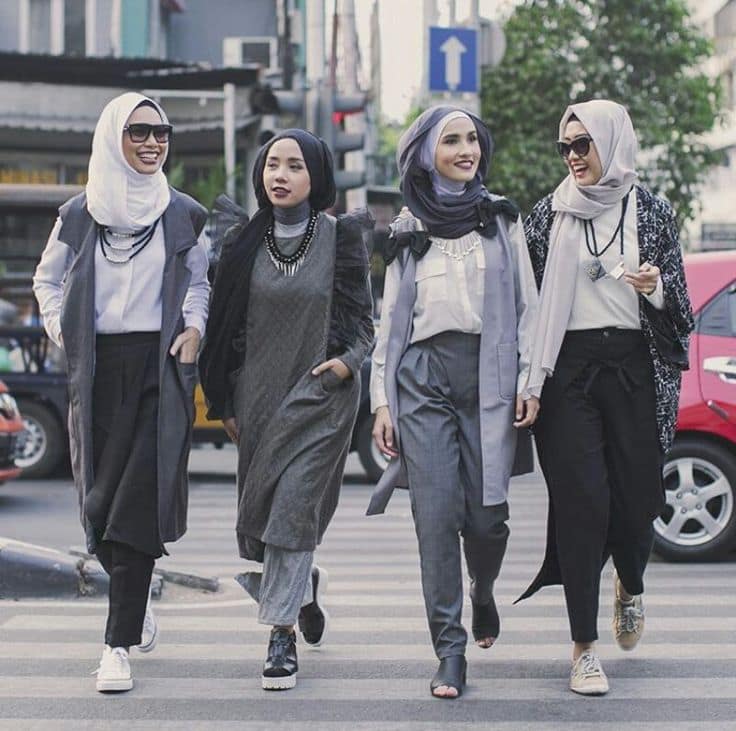
Indonesian Muslim fashion designers are not just influencing style; they are also playing a pivotal role in empowering local communities. By utilizing traditional craftsmanship and sustainable practices, these designers foster social change, prioritizing ethical production methods and community involvement, which leads to a positive ripple effect throughout society.
- Supporting Women’s Entrepreneurship
Many Indonesian Muslim fashion designers actively support and uplift women by creating platforms for female entrepreneurship. They provide training and resources that enable women to start their own businesses, fostering independence and self-sufficiency. As a result, this not only enhances women’s livelihoods but also promotes gender equity within the fashion industry.
- Creating Jobs in Local Economies
Arts and crafts in the Indonesian fashion sector drive job creation in local communities. As designers collaborate with skilled artisans, they ensure that traditional techniques are preserved while providing income opportunities. This model helps sustain local economies, reinforcing the importance of cultural heritage and community engagement.
Creating jobs in local economies through fashion is a powerful strategy employed by Indonesian Muslim designers. By partnering with local artisans, brands not only uplift traditional crafting methods but also create sustainable employment opportunities. For instance, collaborations with rural seamstresses and embroidery specialists have emerged, where a single designer can create dozens of jobs, significantly impacting families. These initiatives not only improve living standards but also foster a sense of pride and identity within the community, as they celebrate and preserve cultural heritage in the face of modernization. Such endeavors signal a significant move towards economic resilience for marginalized groups.
Visibility on the World Stage: Indonesian Designers Breaking Barriers
Indonesian designers are increasingly gaining visibility on the global fashion stage, transcending geographical and cultural boundaries. They represent not just their heritage but also the evolving landscape of modest fashion, showcasing creativity that resonates with a diverse audience. This newfound recognition allows these designers to challenge stereotypes and promote a broader understanding of contemporary Muslim fashion.
- Showcasing at International Fashion Weeks
Participation in prestigious fashion weeks has placed Indonesian designers in the spotlight. Events in cities like Paris, New York, and London have seen designers like Dian Pelangi present their collections, garnering critical acclaim and international attention. Their unique blend of traditional motifs and modern designs captures the essence of Indonesia’s rich culture while appealing to the global market.
- Collaborations with Global Brands
Partnerships with renowned global brands have further propelled Indonesian designers into the limelight. Collaborating with international fashion giants enables them to reach broader audiences and showcase the depth of their cultural narratives. For instance, designers like Ria Miranda have combined their aesthetics with global brands like Uniqlo, leading to a fusion of sustainable luxury and accessible fashion.
Collaborations with global brands not only amplify the reach of Indonesian Muslim fashion but also foster cultural exchange. These partnerships help create a dialogue between different fashion philosophies, enriching the global fashion arena with Indonesia’s textiles, craftsmanship, and storytelling. As they navigate through partnerships with prominent brands, Indonesian designers are positioning themselves as key contributors to the global tapestry of fashion, urging a greater appreciation for modest design elements infused with cultural identity.
Sustainability in Indonesian Muslim Fashion: Challenging the Norms
Indonesian Muslim fashion designers are beginning to redefine sustainability in their creations, pushing the boundaries of traditional practices. By integrating eco-conscious methods into their work, they are not only innovating within the industry but also challenging societal standards regarding consumption and fashion trends. This shift reflects a growing awareness of the environmental impact of the fashion sector and the potential for ethically-produced clothing to make a positive change.
- Eco-Friendly Practices in Design and Production
Numerous Indonesian designers are prioritizing eco-friendly practices in their design and production processes. They are increasingly opting for organic fabrics, like bamboo and Tencel, that boast reduced environmental footprints. Many have adopted natural dyes, which minimize harmful chemical usage and promote biodiversity. By implementing low-waste patterns and sourcing material locally, these designers not only lessen the impact on the environment but also support local economies.
- Shaping a Sustainable Fashion Movement
Indonesian Muslim fashion is at the forefront of a vibrant sustainable fashion movement, captivating global audiences with its emphasis on ethical sourcing and responsible production. Designers are collaborating with artisans to preserve traditional skills while ensuring modern methodologies are used for sustainability. This movement also champions the importance of fair trade practices, allowing local communities to thrive economically while promoting environmental stewardship in fashion.
Building a sustainable fashion movement in Indonesia transcends mere eco-friendly practices; it involves a collective acknowledgment of the social responsibility within the fashion industry. Designers are increasingly participating in workshops and conferences to share knowledge and highlight best practices in sustainability. Moreover, many are leveraging social media to advocate for ethical choices, educating consumers on the benefits of sustainable fashion. Local fashion weeks now incorporate segments dedicated to showcasing sustainable collections, further igniting interest and demand for eco-conscious clothing.
Conclusion
Presently, Indonesian Muslim fashion designers are significantly influencing the global fashion landscape by seamlessly blending traditional elements with contemporary styles. They demonstrate not only their cultural heritage but also their commitment to inclusivity, catering to diverse audiences across the world. Through international collaborations and participation in global fashion events, they elevate the profile of modest fashion, showcasing that elegance and style can transcend geographical and cultural barriers. Ultimately, their contributions foster a greater appreciation for Indonesian artistry in the global market.