Table of Contents
Fashion has evolved to embrace diversity, and among the most influential figures are Muslim women who redefine style through modesty. Muslim fashion icons, she showcases how traditional garments can merge with contemporary trends, creating a unique aesthetic that inspires countless followers. Represent a dynamic shift in the fashion industry, challenging stereotypes while promoting cultural values. From global icons to local influencers, these women have successfully transformed modest fashion, empowering others to express their identity and beliefs through their attire. This blog post explores the lives and contributions of notable Muslim fashion icons.
Trailblazers of Modest Fashion
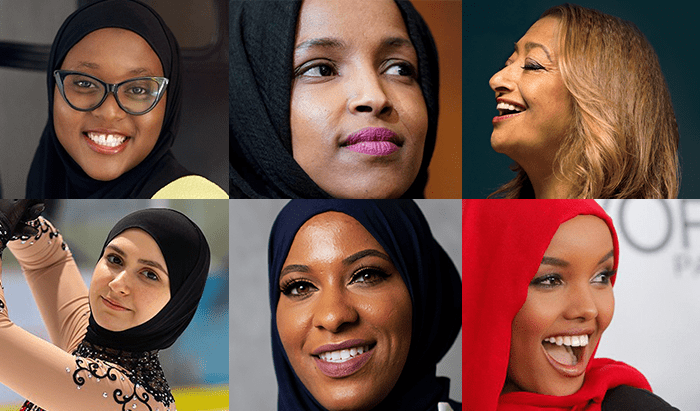
As the fashion world evolves, several women have emerged as trailblazers in modest fashion. These icons have redefined style standards, showcasing that modesty and modernity can coexist beautifully. By blending cultural heritage with contemporary trends, they have inspired countless individuals to embrace modest clothing without sacrificing aesthetics.
- Pioneering Style: The Cultural Significance of Modesty
Modesty in fashion transcends mere clothing; it symbolizes cultural identity and personal expression. For many women around the globe, choosing modest attire reflects their values, spirituality, and roots. From traditional garments to modern interpretations, these clothing choices resonate deeply, representing not only individuality but also a commitment to heritage.
- Pivotal Figures: Women Who Changed the Fashion Narrative
Innovative figures like Halima Aden, who made history by being the first model to wear a hijab at the Miss Minnesota USA pageant, are instrumental in reshaping the fashion narrative. By daring to challenge stereotypes, Aden and others have paved the way for a diverse representation of beauty that embraces modest dressing. Their influence is far-reaching, empowering women worldwide to embrace their identities through fashion.
Women such as Ibtihaj Muhammad, an Olympic fencer who wears the hijab, further exemplify this progression by showcasing how modest attire can fit seamlessly into various professional arenas, including sports. These pivotal figures not only inspire but also challenge the industry to embrace inclusivity, allowing for a richer narrative that honors diversity while celebrating modesty.
Style Evolution Through the Decades
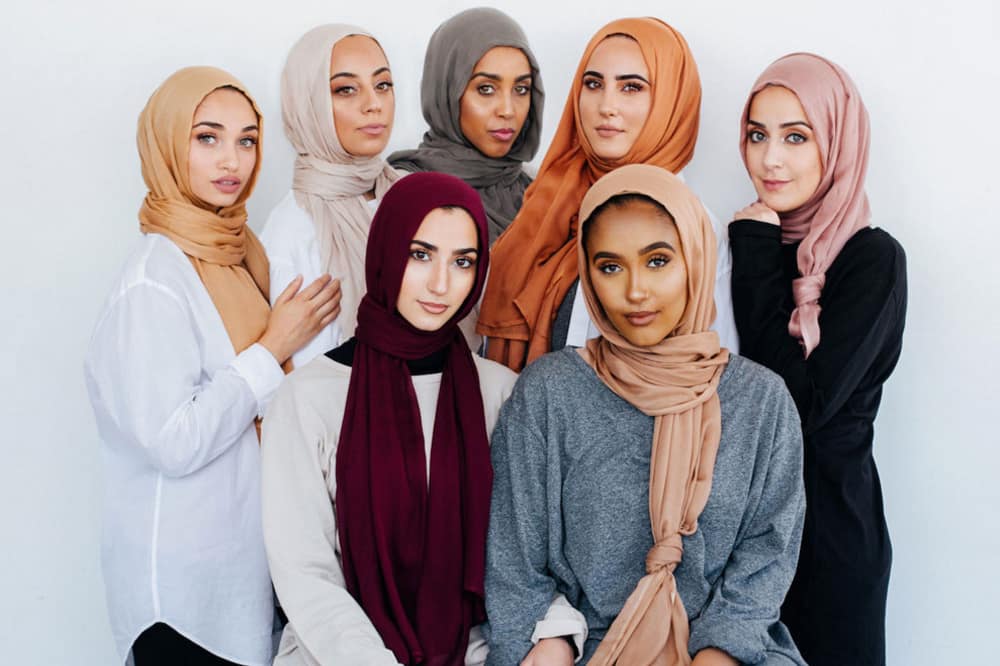
Over the years, modest fashion has undergone significant transformations, reflecting broader societal changes and the evolving roles of Muslim women. The 1920s and 30s spotlighted stylish yet conservative silhouettes influenced by Western fashion trends, while the 1960s and 70s saw a resurgence of traditional garments like the kaftan and hijab. By the late 90s, the modest fashion movement gained momentum, spearheaded by influential figures who showcased how contemporary designs could marry tradition with modern aesthetics. Today, designers are challenged to innovate while respecting cultural heritage, allowing for a seamless blend of style and modesty.
- Shifts in Public Perception: How Muslim Women Influenced Fashion Trends
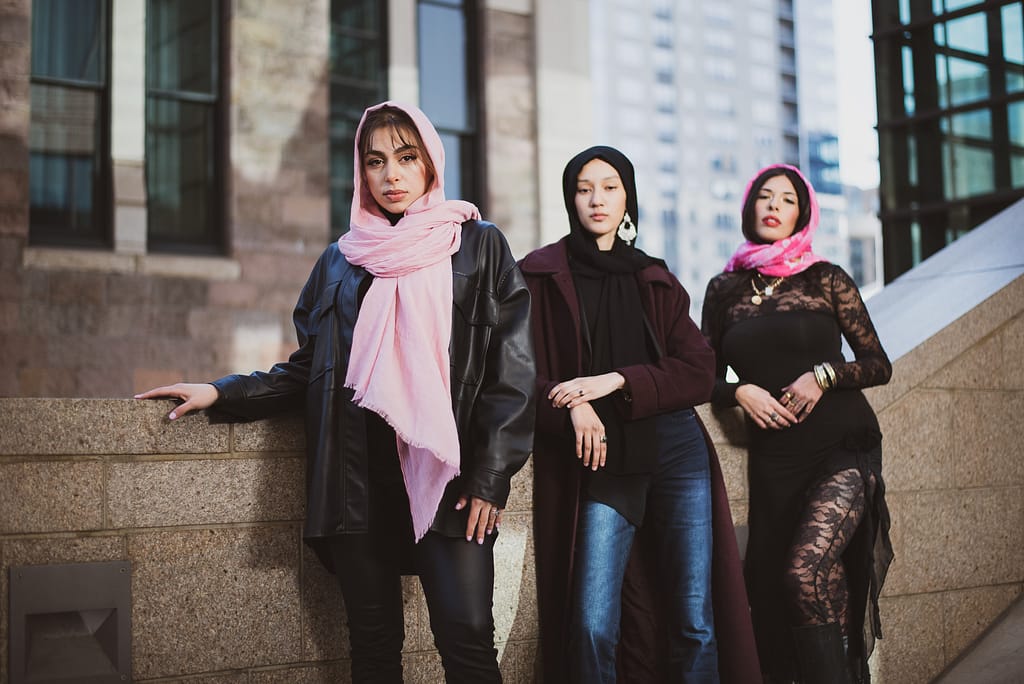
Muslim women have played a transformative role in shifting public perception about modest fashion, showcasing their unique styles on global platforms. From the rise of high-profile influencers who advocate for modesty in contemporary fashion to well-known celebrities incorporating hijabs into their wardrobes, these women have normalized and celebrated diverse expressions of beauty. Their presence has encouraged brands to recognize the market potential of modest clothing, resulting in collections that highlight inclusivity and innovation.
- Iconic Looks: Defining Moments in Modest Fashion History
Iconic looks in modest fashion have left lasting impressions, illustrating how individuality and cultural expression can merge beautifully. The introduction of the high-fashion hijab in runway shows by labels like Dior and Chanel marked a paradigm shift in the industry, whilst figures like Malala Yousafzai brought global attention to the elegance of modest dress at international events. Fashion shows and collaborations have given rise to collections that celebrate this style, inviting more women to embrace modesty without compromising on high fashion aspirations.
Specific defining moments include the 2017 headlining of the first hijab-wearing model, Halima Aden, at New York Fashion Week, which sparked discussions around representation in fashion. Additionally, the 2019 launch of Nike’s Pro Hijab catered directly to Muslim athletes, reinforcing the belief that modesty can coexist with performance wear. These pivotal events not only uplift the conversations surrounding modest fashion but also demonstrate its capacity to inspire future generations of women, blending cultural expression with contemporary design in ways that are both stylish and meaningful.
The Intersection of Faith and Fashion
Fashion serves as a canvas for individuals to express their beliefs and identities in today’s global society. Muslim women are redefining contemporary fashion through their unique interpretations of modesty. By merging faith-based principles with modern styles, these icons showcase that adherence to personal beliefs need not compromise individuality or creativity. With every outfit, they convey messages that celebrate both their heritage and contemporary fashion, fostering a deeper understanding of how faith can harmonize with personal expression.
- Personal Expressions: How Modesty is Interpreted Worldwide
Modesty manifests differently across cultures and regions, as seen in the fashion choices of Muslim women worldwide. In Southeast Asia, vibrant colors and intricate batik designs often characterize modest attire, while Middle Eastern styles may incorporate flowing abayas, emphasizing simplicity and elegance. Each region’s cultural nuances inform how women express their faith through fashion, illustrating the rich tapestry of modest style that transcends geographical boundaries.
- Fashion as Activism: How Icons Promote Inclusivity and Diversity
Many Muslim fashion icons leverage their platforms to advocate for diversity and inclusivity within the fashion industry. By embracing their identities and challenging stereotypes, they encourage discussions that center on representation. This activism not only uplifts underrepresented voices but also fosters a more inclusive dialogue around beauty standards, bridging gaps among various cultures and promoting acceptance in an increasingly globalized world.
Through campaigns, social media influence, and collaborations with designers, these icons spotlight the importance of visibility in fashion. They actively challenge conventional beauty norms that often exclude diverse bodies and backgrounds. Initiatives led by individuals like Halima Aden and Iman Abdulmajid have helped create spaces where modest fashion can thrive while embracing inclusivity. By modeling for high-profile brands and participating in major fashion events, they underline the necessity for an industry that honors and celebrates all forms of expression, thereby paving the way for future generations to thrive in a more equitable environment.
Contemporary Influencers and Their Impact
Today, contemporary Muslim fashion influencers are reshaping the landscape of modest style, combining cultural heritage with modern aesthetics. They challenge conventional beauty standards and promote self-expression through innovative fashion choices, sparking conversations about diversity and inclusivity in the fashion industry. Icons like Halima Aden and Ascia AKF are at the forefront, inspiring countless followers to embrace and celebrate their identities through clothing.
- Social Media Breakthroughs: The Role of Digital Platforms in Modest Fashion
Digital platforms have revolutionized how modest fashion is perceived and consumed. Influencers utilize Instagram and TikTok to showcase their unique styles, share styling tips, and build supportive communities around modest dressing. The authenticity and relatability offered by these platforms enable followers to access a diverse range of styles and perspectives, fostering a global appreciation for modest fashion trends.
- Emerging Designers: The New Voices Driving Islamic Fashion Movement
Emerging designers are pivotal in steering the Islamic fashion movement toward greater innovation and accessibility. With a fresh perspective, they blend traditional elements with contemporary designs, catering to modern tastes without compromising on modesty. This new wave includes talent such as Haute Hijab and Aab, which have gained recognition for their stylish, versatile collections that resonate with young, fashion-forward Muslim women.
These emerging designers are not just creating garments; they are reshaping narratives around modest fashion by integrating technology and sustainability into their practices. For instance, brands like Modanisa and Alsubaiee Fashion focus on ethical production methods while offering trendy pieces that appeal to a global audience. By challenging stereotypes and providing fashionable options, they foster inclusivity and empower women to express their individuality without sacrificing their principles. Collectively, these designers are redefining modest clothing, making it a dynamic and vibrant part of the global fashion conversation.
The Future of Modest Fashion
The modest fashion landscape is evolving rapidly, driven by a growing global consciousness towards inclusivity and diversity in style. As more brands and designers embrace modesty in their collections, a robust future is expected where cultural expression and personal identity can be authenticated through fashion choices. This evolution will likely elevate the visibility of modest style on international runways and in mainstream media.
- Trends on the Horizon: Predictions for Modest Style Innovation
Upcoming trends in modest fashion are anticipated to embrace sustainable practices and innovative materials, creating a fusion of ethical production with chic designs. Brands are likely to experiment with technology, such as smart textiles that adapt to various climates, offering sophisticated options that meet the dynamic needs of modern modest dressers.
- Cross-Cultural Collaborations: The Blending of Global Fashion Aesthetics
Cross-cultural collaborations are redefining the contours of modest fashion, allowing artisans and designers from diverse backgrounds to merge their distinct styles. This fusion leads to unique concepts that celebrate heritage while catering to contemporary tastes. The collaboration between Western and Eastern design principles creates a vibrant tapestry that resonates with a global audience.
For instance, the partnership between Middle Eastern designers and Western street style has given rise to collections that infuse traditional silhouettes with urban cuts and colors. Notable brands are launching lines that incorporate African prints alongside classic Middle Eastern abayas, resulting in eye-catching garments that tell stories of interconnectedness and shared cultural heritage. These collaborations not only broaden the appeal of modest fashion but also foster deeper appreciation for the rich traditions behind each garment, paving the way for a more inclusive fashion future. With designers increasingly drawing from a global palette of influences, modest fashion is set to thrive at the intersection of diverse aesthetics.
Conclusion
With these considerations, it is clear that Muslim fashion icons play a significant role in shaping contemporary modest style. They inspire women worldwide by skillfully blending tradition with modern trends, showcasing that modesty can be both fashionable and empowering. Their influence extends beyond clothing, as they challenge societal norms and redefine beauty standards. By celebrating their creativity and individuality, these women highlight the importance of diversity in the fashion industry, encouraging others to express their identities through style.