Table of Contents
Ensuring the longevity of your Indonesian Muslim garments requires a bit of love and attention. From batik sarongs to kebayas, these traditional pieces deserve proper care to preserve their beauty and quality. In this guide, we will provide you with necessary tips and tricks to keep looking fresh and stylish for years to come.
Understanding Your Garments
Identifying Different Types of Fabrics
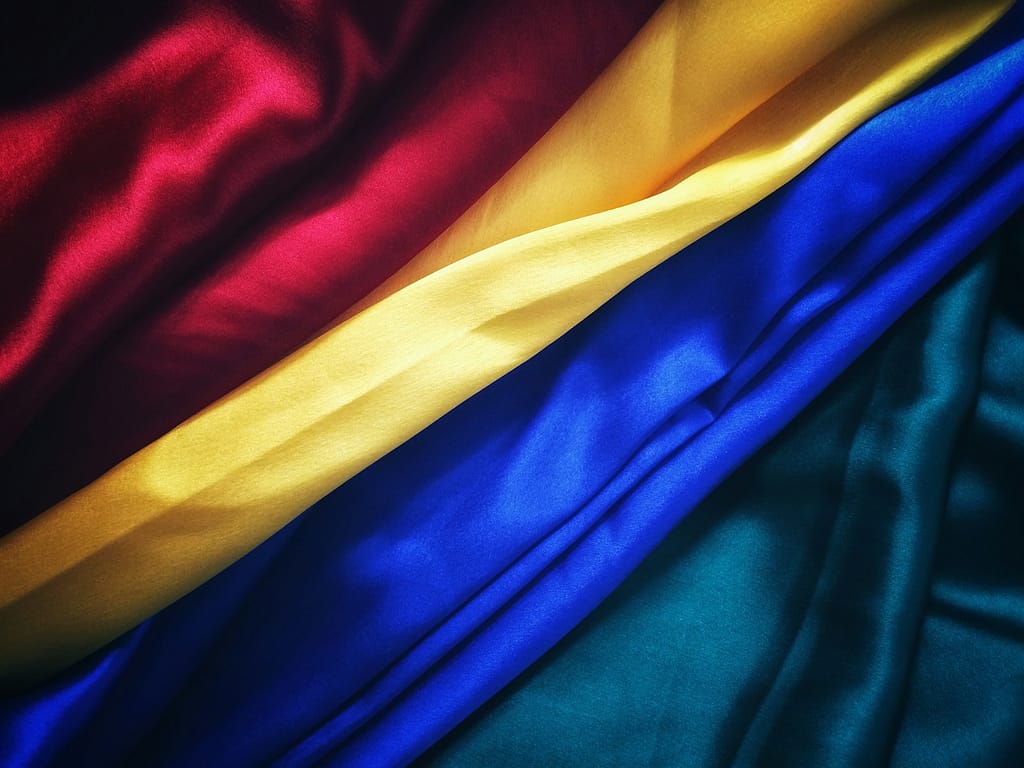
The first step in caring is to identify the different types of fabrics they are made from. Knowing what materials are made of will help you determine the best way to care for them and ensure they last longer. Now, let’s take a look at some common fabrics used in Indonesian Muslim attire:
| Cotton | Silk |
| Rayon | Chiffon |
| Polyester | Linen |
| Brocade | Velvet |
| Jersey | Denim |
- Identify the fabric by looking at the label or feeling the texture.
- Research the specific care instructions for each type of fabric.
- Some fabrics may require handwashing, while others can be machine-washed.
- Avoid using harsh chemicals or hot water on delicate fabrics.
- Assume that proper care will help maintain the color and quality of your garments.
Cultural Significance and Proper Usage
Your Indonesian Muslim garments are not just pieces of clothing, they hold significant cultural value and are worn with respect for religious and traditional reasons. Understanding the importance of these garments will help you appreciate them even more. Now, let’s probe deeper into the cultural significance and proper usage of these garments.
Understanding the cultural significance of your Indonesian Muslim garments will help you wear them with more respect and appreciation. It is important to follow cultural norms and guidelines when wearing these, as they are not just a fashion statement but a symbol of religious and cultural identity. By honoring the traditions, you show respect for the Indonesian culture and its rich heritage.
Everyday Care Tips
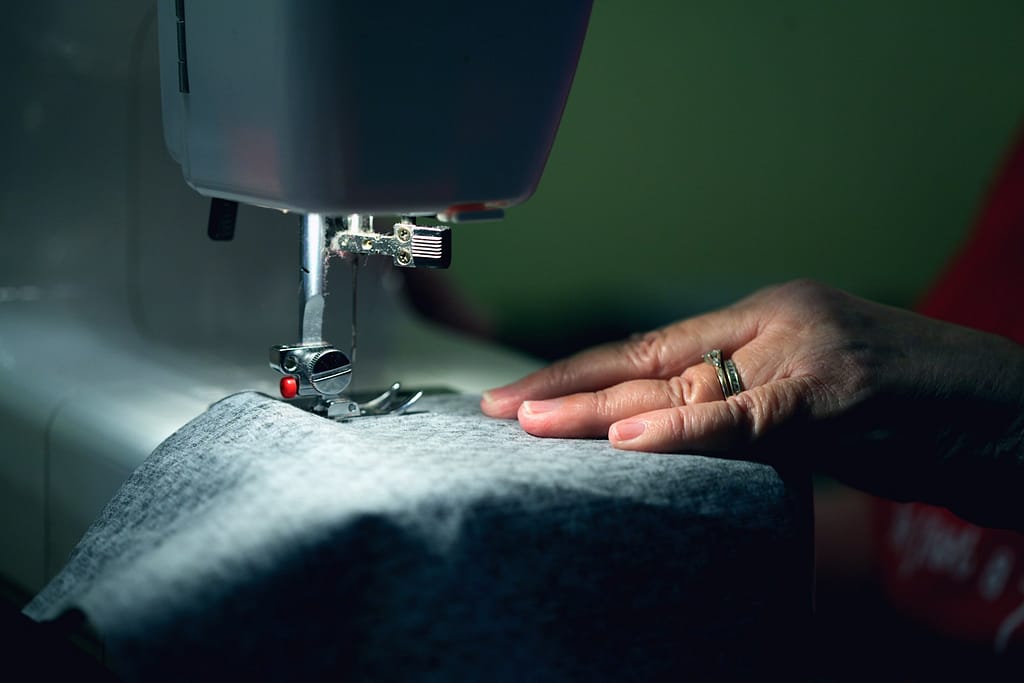
Any garment requires proper care to ensure longevity and maintain its pristine appearance. Here are some daily care tips to keep your Indonesian Muslim garments in top condition:
- Avoid excessive exposure to direct sunlight, as it can cause colors to fade over time.
- Store your garments in a cool, dry place to prevent mold and mildew growth.
- Always follow the care instructions on the garment’s label for washing and ironing.
- Avoid using harsh chemicals or bleach when cleaning your garments, as they can damage the fabric.
Assume that proper care and attention will significantly extend the lifespan, allowing you to enjoy them for years to come!
How to Clean Your Garments Effectively
Your Indonesian Muslim garments need gentle care when it comes to cleaning. Always hand wash them in cold water with mild detergent to preserve the fabric and intricate details. Avoid scrubbing the fabric vigorously to prevent damage. Once cleaned, gently squeeze out excess water and lay the garment flat to dry.
To maintain the vibrancy of the colors and intricate designs, consider adding a cup of white vinegar to the final rinse water. This will help set the colors and prevent them from bleeding or fading over time.
The Do’s and Don’ts of Drying and Ironing
Clean based on according to the instructions provided on the label to avoid any damage to the fabric. Once washed, gently squeeze out excess water and avoid wringing the garment to prevent stretching. Lay the garment flat on a towel to dry naturally, away from direct sunlight.
Garments should be ironed inside out on a low heat setting to preserve the delicate embroidery and embellishments. Avoid ironing directly on any beads or sequins to prevent them from melting or losing their shine. Always use a pressing cloth to protect the fabric from direct heat.
Garments require special care and attention to ensure they remain beautiful and intact for a long time. By following these do’s and don’ts of drying and ironing, you can maintain the quality and appearance. Recall, a little extra care goes a long way in preserving these precious pieces!
Long-term Maintenance Strategies
Indonesian Muslim clothing requires specific care and attention to ensure its longevity and quality. If you’re looking for tips on how to maintain your Indonesian Muslim garments, it’s crucial to understand the long-term maintenance strategies involved. For detailed instructions on how to clean your Thobe, you can refer to Thobe Care: How to Clean Your Thobe for guidance.
Handling and Storage Factors for Preservation
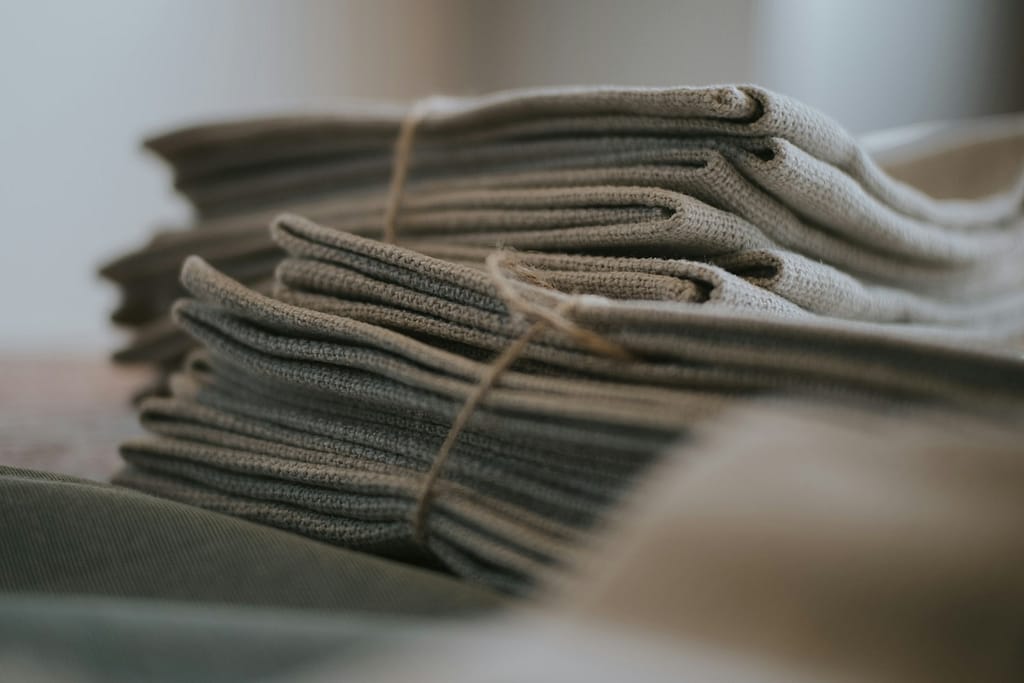
One of the key factors in preserving your Indonesian Muslim garments is how you handle and store them. Always check the care label for specific instructions on washing and ironing. When storing, make sure clean and completely dry to prevent any mold or mildew growth.
- Avoid hanging heavy garments on flimsy hangers as this can cause stretching and misshaping over time.
It’s important to fold your garments neatly and store them in a cool, dry place away from direct sunlight to maintain their color and fabric integrity.
Mending Techniques and When to Seek Professional Help
One crucial aspect of long-term maintenance is knowing how to mend your Indonesian Muslim garments when needed. Simple techniques such as sewing on loose buttons or fixing minor tears can help prolong the life of your clothing. However, if you’re unsure about a repair or if it’s a more significant issue, it’s best to seek professional help.
Storage. Factors like delicate embroidery or intricate beadwork may require specialized skills to mend effectively. Don’t hesitate to reach out to a professional tailor or repair service for assistance in preserving the quality.
Enhancing the Lifespan of Your Garments
Not only do Indonesian Muslim garments serve as a beautiful expression of faith and culture, but they also hold sentimental value. To ensure they stay in top condition for longer, it’s necessary to care for and maintain them properly. By following some simple guidelines, you can enhance the lifespan of your garments and continue to enjoy wearing them for years to come.
Regular Inspection and Preventative Measures
Lifespan Regular inspection of your Indonesian Muslim garments is key to spotting any potential issues before they worsen. Check for loose threads, missing buttons, or signs of wear and tear. By addressing these minor problems early on, you can prevent them from developing into more significant issues that may be harder to fix. Additionally, dry place with proper ventilation can help prevent mold or mildew growth.
Overcoming Common Issues with Delicate Fabrics
Regular When dealing with delicate fabrics like silk or chiffon often used, it’s important to handle them with care. To overcome common issues such as wrinkles or snags, consider using a steamer or iron on the lowest setting with a pressing cloth to avoid damaging the fabric. When storing these delicate garments, opt for padded hangers to prevent stretching or misshaping.
Fabrics Remember that each fabric may require specific care instructions, so always refer to the garment’s label for guidance on washing and ironing. By taking the time to understand, you can maintain their quality and keep them looking pristine for longer.
Final Words
Now that you have learned some helpful tips for caring for and maintaining your Indonesian Muslim garments, you can ensure they stay in excellent condition and last for a long time. By following these suggestions, you can continue to enjoy wearing your beautiful garments with pride.
Note, proper care and maintenance will keep your clothing looking fresh and vibrant, allowing you to showcase your style effortlessly. For additional tips on maintaining your overall look while wearing Islamic garments, check out this article on How to care for your hair if you wear a hijab. Take care of your garments, and they will take care of you!
FAQ
Q: How often should I wash my Indonesian Muslim garments?
A: It is recommended to wash after every 2-3 wears to keep them clean and fresh.
Q: How should I store my Indonesian Muslim garments?
A: Store your Indonesian Muslim garments in a cool, dry place away from direct sunlight to prevent any discoloration or damage. You can also hang them on padded hangers to maintain their shape.
Q: Can I iron my Indonesian Muslim garments?
A: Yes, you can iron your Indonesian Muslim garments, but make sure to use a low heat setting and place a cloth between the iron and the garment to avoid any direct contact. It is also a good idea to iron them inside out to prevent any shine or marks on the fabric.