Table of Contents
You can take advantage of the intriguing interaction that is currently taking place between Muslim fashion and migration. People carry their distinct styles and cultural influences with them when they relocate, resulting in a dynamic fashion tapestry that cuts across conventional lines. You’ll learn how migration patterns blending your individual style while also redefining identity. This movement, which reflects the varied experiences of a worldwide community, is about more than just clothing. Let’s look at how migration is changing the fashion industry and your closet.
Cultural Influences: Migration Patterns The Mosaic of Muslim Fashion
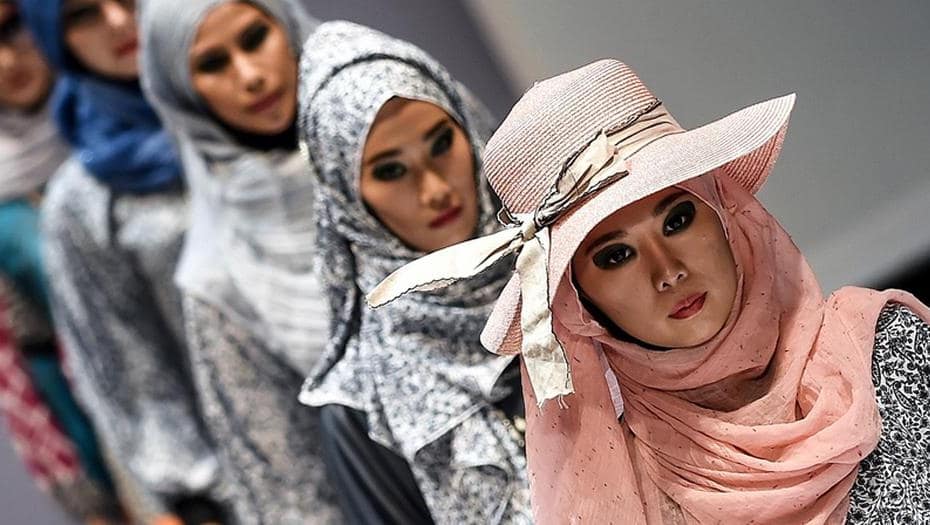
What is modest fashion, exactly? It’s a general term. Fundamentally, it describes fashion choices that emphasize comfort and coverage, frequently expressing ethnic customs, religious convictions, or just personal taste. This can include anything from looser shapes and the use of head coverings like turbans or hijabs to longer sleeves and hemlines. The adaptability of modest clothing is what makes it so lovely.
Across the globe, Muslim fashion reflects a tapestry of cultural exchanges, merging traditional roots with modern expressions. Each region adds its unique flair, contributing to a vibrant marketplace of styles that resonate with diverse communities. As you navigate this mosaic, you’ll see how the blending of heritage and contemporary trends creates a rich and dynamic landscape in Muslim fashion that goes beyond mere clothing.
- Historical Context: Traditional Attire in Regions of Origin
Traditional attire in Muslim-majority regions showcases deep cultural significance, often rooted in history and religious customs. For instance, the intricately woven fabrics of North Africa contrast with the bold patterns found in South Asia. Each garment tells a story, reflecting the values, climate, and lifestyle specific to its origin, enriching your understanding of what defines Muslim identity through fashion.
North African
North African women choose layered gowns with intricate details, takchitas, and vibrant kaftans. Particularly for occasions like weddings or Eid, belted waists, silver buttons (aqad), and gold thread embroidery (sfifa) combine modesty and elegance. Over the years, these traditional clothes have impacted global fashion design and are still proudly worn today.
South Asia (India, Bangladesh, and Pakistan)
South Asia, which is home to hundreds of millions of Muslims, has some of the most vibrant and varied traditions of modest dress. The most popular everyday outfit for both men and women is the shalwar kameez. While women’s clothes are lavishly embellished with embroidery, sequins, or lace and frequently coupled with a dupatta (scarf), men’s versions are typically more straightforward, consisting of a long tunic and tapered pants.
One of the main components of Friday or Eid dress is the jubba, or long overgarment, which is particularly worn by religious experts and imams. During prayer, many males also don topis, or caps, or turbans. Global modest fashion has been influenced by South Asia’s textile heritage, particularly its hand-embroidered textiles, block prints, and exquisite silks.
- Global Trends: How Cultural Exchange is Redefining Styles
Cultural exchange has sparked a renaissance in Muslim fashion, leading to fresh interpretations that blend traditional elements with contemporary aesthetics. Designers from diverse backgrounds influence each other, resulting in innovative styles that appeal to a global audience. You’ll find hijabs paired with athleisure, abayas featuring modern cuts, and rich color palettes inspired by global fashion trends.
Take, for example, the rise of modest streetwear that transcends borders. Brands such as Haute Hijab or Aab are marrying classic Islamic dress with the edgy flair of urban trends. This fusion not only captures the attention of younger generations but also builds a community celebrating inclusivity, diversity, and creativity. Social media plays a pivotal role here; platforms like Instagram and TikTok serve as launchpads for influencers who showcase styles that resonate with various cultural backgrounds, enabling you to embrace a fashion identity that’s both personal and globally connected.
The Role of Social Media in Fashion Evolution
Social media has become a powerful catalyst in the evolution of fashion, especially within the Muslim community. Platforms like Instagram and TikTok allow for instant sharing and the rapid spread of ideas, inspiring new trends and styles that appeal to diverse audiences. Creatives leverage these platforms to showcase innovative designs, pushing the boundaries of traditional fashion while making it accessible to a global audience, ultimately transforming how you engage with and perceive Muslim fashion.
- Influencers and Their Impact: Shaping Perceptions and Trends
Influencers play a pivotal role in changing how the world views Muslim fashion. By sharing their personal styles and cultural heritage, they not only elevate modest fashion but also create a relatable image that resonates with followers. Brands partner with these influencers to showcase collections, leading to collaborations that redefine aesthetics and elevate cultural narratives, making fashion feel more inclusive and vibrant for you.
- Online Communities: Fostering Global Conversations on Modesty and Fashion
Online communities thrive on shared experiences and dialogue about modesty in fashion. You can find a plethora of forums and social media groups where individuals discuss trends, style tips, and cultural significance, fostering a sense of belonging. These platforms amplify voices from various backgrounds, enabling you to engage with perspectives that enrich your understanding of how modest fashion evolves through cultural intersections.
Within these online communities, discussions often highlight the importance of balancing personal identity with cultural expectations in fashion choices. Members share their unique interpretations of modesty, from street style to high fashion, encouraging experimentation and adaptation. Notably, hashtags like #MuslimFashion and #ModestFashion have generated millions of posts, creating virtual spaces where you can connect with others exploring similar challenges and inspirations, reinforcing the global conversation around modesty that transcends borders.
Economic Forces: The Rise of the Muslim Fashion Industry
The global Muslim fashion industry is experiencing unprecedented growth, fueled by demographic shifts, increasing disposable income, and the worldwide surge in demand for modest clothing. This evolving marketplace is not just a niche; it’s projected to reach over $361 billion by 2023, compelling brands to innovate and cater specifically to this diverse consumer base. With cities like Dubai, Jakarta, and London blossoming as fashion hubs, it’s clear that the influence of economic forces is propelling Muslim fashion into the mainstream.
Market Growth: Key Statistics and Regional Insights
- Demographic Shifts: By 2030, Muslims are expected to make up around 25% of the world’s population, which is driving up demand for apparel that embraces current style while upholding religious principles.
- Modest Fashion Revolution: Previously limited to a niche market, the idea of modest fashion is becoming a worldwide trend. The elegance and adaptability of modest attire are drawing in customers from a wide range of cultural backgrounds, bringing Islamic design into the mainstream.
- Boom in E-Commerce: Islamic apparel companies are discovering new methods to connect with consumers throughout the world as a result of the growth of internet purchasing. The market reach is increased by e-commerce platforms, which make modest fashion easily accessible even in areas with little physical shop presence.
- Consumer Behavior: What Modern Muslim Shoppers Want
You want quality, style, and cultural authenticity in your fashion choices. Modern Muslim shoppers prioritize modesty without sacrificing contemporary aesthetics. They seek brands that understand their needs, offering versatile pieces that fit seamlessly into both professional and social settings. With the rise of social media, you also expect brands to align with your values, emphasizing sustainability and ethical production, while still delivering on trends.
As you navigate your shopping experience, it’s evident that you crave a blend of tradition and trend. You love brands that offer not just attire but also a narrative—pieces that reflect your identity, satisfy your style standards, and support ethical practices. Engaging with companies that foster community and inclusivity speaks to your desire for connection and empowerment within the fashion landscape. The market is listening; your voice has power, and brands are evolving to meet your demands.
Innovative Designers and Their Transformative Vision
Fashion is undergoing a transformative shift, driven by visionary designers who recognize the need for creativity within the parameters of modesty. You’ll see bold colors, unique silhouettes, and innovative textiles coming together to redefine perceptions of Muslim attire. This new wave of designers is reshaping wardrobes worldwide, ensuring that elegance and cultural identity coalesce, offering styles that resonate across various demographics and geographies.
- High Fashion Meets Modesty: Notable Designers Leading the Way
You’re witnessing a revolution where high fashion seamlessly integrates with modest styling, thanks to trailblazers like Anifa Mvuemba and Rabia Z. These designers craft collections that embody luxury while honoring the principles of modest fashion. Their work attracts a diverse audience, proving that elegance and traditional values can coexist without compromise.
- Sustainable Practices: The New Frontier in Muslim Fashion
Sustainability is a vital aspect of the fashion industry, and Muslim fashion is stepping up. Designers prioritize eco-friendly materials and ethical production practices, aligning trendy styles with environmental consciousness. Your wardrobe can reflect your values, as brands increasingly leverage sustainable practices to cater to the environmentally aware consumer.
As you explore sustainable practices in Muslim fashion, it becomes clear that the industry’s commitment extends beyond aesthetics. Brands are utilizing organic fabrics like hemp and bamboo, which reduce carbon footprints, while also emphasizing fair labor conditions. Reports indicate that 70% of consumers prefer brands with transparent supply chains. Designers are collaborating with artisans to produce unique, handcrafted pieces, which not only promote cultural heritage but also reduce waste through limited collections. This transformative approach makes fashion not just a style statement, but a platform for positive change in the world. Embracing sustainability isn’t just a trend; it’s a new standard for what fashion can and should be.
The Intersection of Faith and Fashion: Navigating Identity
Your sense of style speaks volumes about your identity and beliefs. For many Muslims, fashion is more than just clothing; it’s a reflection of their faith and cultural heritage. Brands are beginning to embrace this intersection, creating garments that respect religious guidelines while allowing you to express your unique personality. This blending of faith and fashion helps you navigate your identity in a diverse world, offering you the freedom to showcase both your cultural roots and contemporary influences.
- Personal Expression: The Role of Fashion in Individual Belief Systems
Individual belief systems are shaped and expressed in large part through fashion. Many people view clothes as a significant extension of their cultural identity, spiritual beliefs, and personal values rather than merely something that is utilitarian or aesthetically pleasing. Without using words, people can express elements of their worldview, morals, and faith through their clothing choices.
For example, a dedication to spiritual teachings and moral behavior is shown in modest clothing in many religions. Similar to this, the rising demand for eco-friendly apparel is consistent with ideas of social responsibility, sustainability, and environmental stewardship. These fashion choices frequently reflect deeper beliefs about following religious teachings, protecting the environment, or using fair labor practices.
- Cross-Generational Perspectives: How Fashion Choices Vary Among Ages
Since each age group expresses identity and beliefs in a unique way, fashion choices frequently reflect opinions from different generations. Bold, trendy, and experimental styles that are influenced by global culture and social media are typically adopted by younger generations.
Older generations, on the other hand, might place more value on classic styles, coziness, and religious or cultural customs. In order to achieve sophistication without sacrificing their personal values or lifestyle requirements, middle-aged customers frequently strike a balance between practicality and contemporary trends. These variations demonstrate how priorities, experiences, and life stages all influence fashion. However, shared influences—like cultural heritage and sustainability—can unite generations and establish age-neutral fashion tastes.
Conclusion
Drawing together the threads of migration and culture, you see how Muslim fashion is evolving on a global stage. You’re part of a movement where tradition meets modernity, and personal expression becomes the norm. As people from diverse backgrounds influence styles, you witness the creation of a vibrant tapestry that reflects not just identity but also the blending of ideas. Embrace these changes; they aren’t just trends, they’re your opportunity to connect with a broader community and redefine what fashion means in your world.