Table of Contents
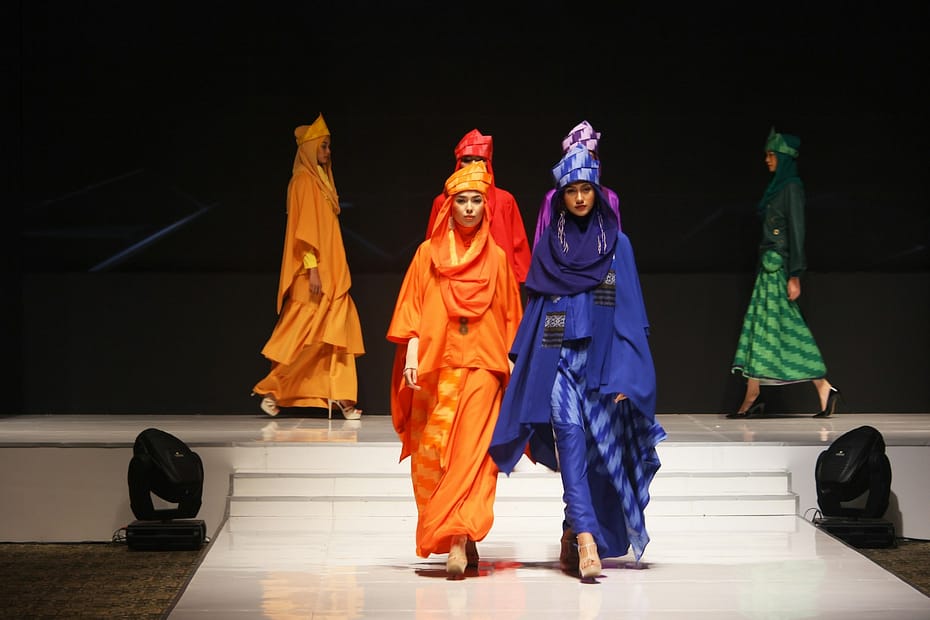
As fashion evolves at a rapid pace, looking ahead to the future of Muslim fashion in 2030, it is crucial to anticipate what lies ahead. The global halal fashion market size was estimated at USD 407.3 billion in 2023 and is projected to reach USD 571.4 billion by 2030, growing at a CAGR of 5.0% from 2024 to 2030. Your choices of style will be influenced not only by tradition but also by a combination of innovation, technology, and personal expression. You’ll encounter stunning designs that honor cultural heritage and challenge limits. Prepare to welcome change, as your wardrobe is about to undergo an exciting transformation that embodies the diversity and dynamism of the Muslim community.
Cultural Shifts Shaping Muslim Fashion
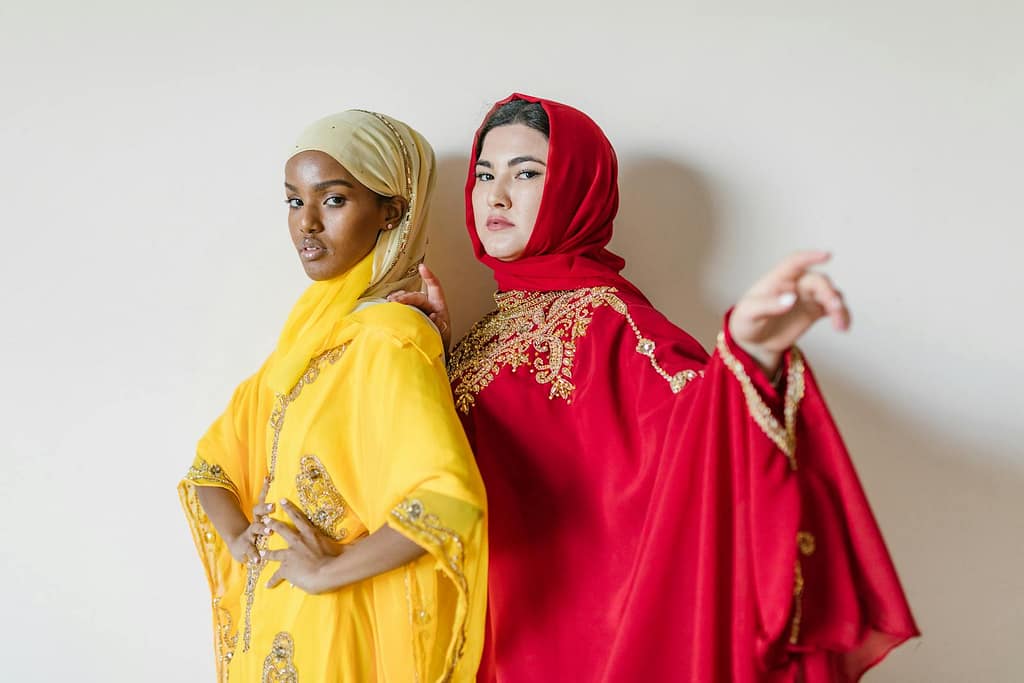
Cultural dynamics are redefining the landscape of Muslim fashion, blending tradition with modern aesthetics. As younger generations assert their identities, they’re seeking styles that resonate both personally and collectively. You’ll see a rise in designs that celebrate cultural heritage while being adaptable to contemporary life, pushing boundaries and inviting creativity. The fusion of traditional garments with global fashion influences is creating a vibrant tapestry, ensuring that Muslim fashion remains relevant and appealing to diverse audiences.
- The Impact of Globalization on Style Choices
Globalization has transformed your wardrobe choices, merging regional styles with international trends. Exposure to global fashion markets allows you to blend traditional pieces with contemporary styles effortlessly. This melting pot of influences means that Islamic fashion is no longer limited by geographic boundaries; you can combine cultural elements from various regions, creating unique statements that reflect your personal journey and aesthetic.
The impact of globalization on style choices in Muslim fashion has been substantial, merging global trends with conventional modest attire. When exposed to a variety of cultures and markets, new fabrics, cuts, and design inspirations emerge, resulting in Muslim clothing that caters to both traditional and contemporary preferences. This integration enables modest fashion to uphold its cultural identity even as it welcomes innovation. Consequently, the realm of Muslim fashion transforms into a multifaceted industry that mirrors worldwide creativity and provides consumers with fashionable, inclusive choices that echo throughout various communities.
- How Social Media Influences Trends and Preferences
Social media platforms are revolutionizing how you discover, share, and adopt fashion trends. Influencers from diverse backgrounds showcase styles that resonate with your values, making it easier to connect with the fashion narrative. Hashtags and platforms like Instagram and TikTok offer a window into how Muslim fashion evolves, allowing you to engage with real-time trends and personalize your choices. This instant access to global influencers creates a sense of community and drives your purchasing decisions, making trends more democratic and widespread.
Social media isn’t just about pretty pictures; it’s the heartbeat of your fashion evolution. You’ll find styles that inspire you daily as influencers share innovative ways to wear hijabs, layer outfits, and mix patterns. The comments and shares contribute to a feedback loop that influences designers and brands, clamoring to cater to your preferences. This means that the voice of everyday fashionistas shapes trends just as much as high-fashion runways, making your engagement paramount in directing the course of Muslim fashion. The immediacy of social platforms means you’re not just a consumer; you’re a key player in shaping the future of the industry.
Sustainability’s Role in Future Fashion
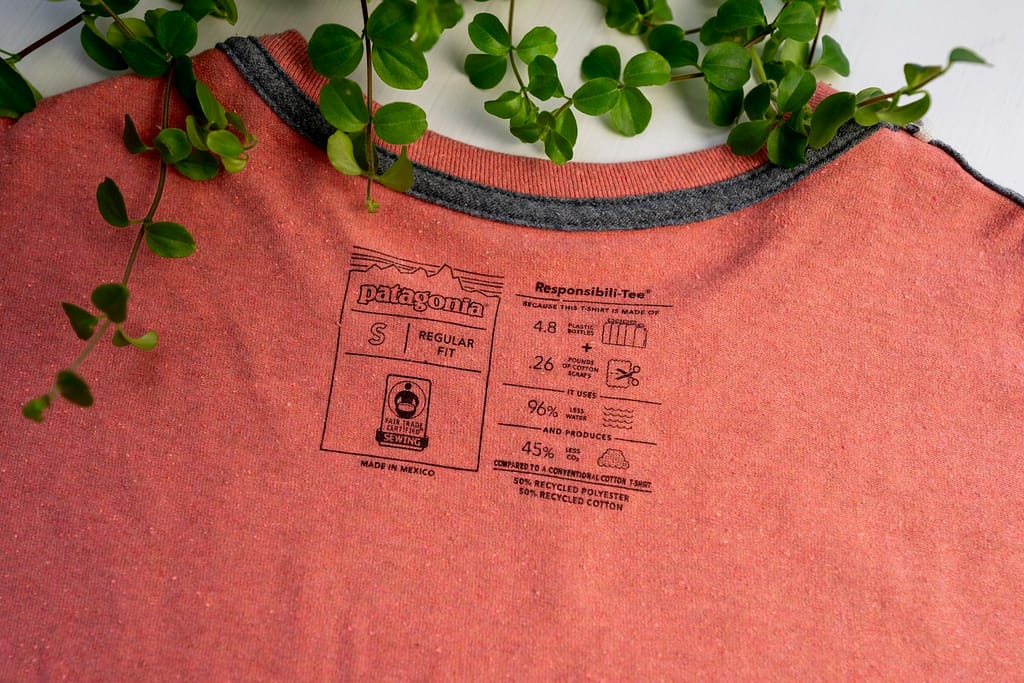
Sustainability is no longer a buzzword; it’s a necessity in the evolving landscape of fashion. Based on research, consumers are demanding transparency and environmental responsibility, pushing brands to adopt eco-conscious practices on Muslim fahsion. By 2030, you can expect sustainable fashion to become integral to your wardrobe, with an emphasis on reducing waste and minimizing environmental impact. Brands that embrace sustainability will not only capture your attention but also build long-lasting loyalty in an increasingly aware market.
- Eco-Friendly Fabrics: The Materials Revolution
Your fabric choices are about to undergo a massive transformation as eco-friendly options gain traction. Innovations such as organic cotton, hemp, and recycled polyester will dominate collections, offering sustainable alternatives without compromising style. Brands that prioritize these materials will appeal to your eco-conscious mindset, creating fashionable pieces that resonate with your values.
- Ethical Fashion Practices: A Competitive Advantage
Ethical fashion is emerging as a key differentiator in the crowded market. Brands committed to fair labor practices and transparency are attracting discerning consumers like yourself, who prioritize social responsibility in their fashion choices. This shift towards ethical practices will reshape collaborations and supply chains, fostering a more equitable industry.
By 2030, ethical fashion practices will set brands apart in a landscape where consumer awareness is at an all-time high. With many shoppers willing to pay up to 20% more for ethically produced goods, your support for fair labor, sustainable sourcing, and community engagement will resonate louder than ever. Brands implementing ethical practices not only win your trust but also drive higher revenue, creating a powerful feedback loop that encourages widespread adoption across the industry. You’ll see transparency in sourcing, worker treatment, and material choices as standard practice, shaping a future where the ethics of fashion are as vital as its aesthetics.
Technology’s Transformative Power in Fashion Design

Technology is redefining the landscape of fashion design, particularly within the Muslim sector. Cutting-edge innovations streamline production processes, enhance sustainability, and empower designers to create bold, culturally resonant pieces. For you as a consumer, this means access to unique styles that resonate with your identity while being produced via methods that minimize environmental impact. Companies leveraging technology are setting the stage for a future where fashion feels personal and aligned with values.
- Innovative Design Techniques: 3D Printing and Beyond
3D printing is revolutionizing how garments are conceptualized, enabling intricate designs that were once impossible with traditional techniques. Imagine wearing a one-of-a-kind piece tailored precisely to your preferences, capturing your personal story through material and style. This tech not only slashes production waste but also allows for rapid prototyping, meaning quicker responses to emerging trends and consumer demands. The future of Muslim fashion is bound to embrace such innovative design techniques that emphasize individual expression.
- The Rise of Personalization: Customizable Fashion
Customizable fashion is becoming increasingly popular, giving you the freedom to shape your wardrobe according to your unique tastes and values. With apps and online platforms, brands offer tailored options ranging from fabric choices to design elements, putting control in your hands. You can now create a hijab or dress that mirrors your distinct personality, empowering you to make bolder fashion statements while feeling genuinely represented.
This shift toward personalization isn’t just a trend; it’s a movement led by consumer demand for authenticity. Brands like Unmade and Converse’s “Custom” initiative allow you to design products from scratch or modify existing designs. The statistics back this: according to McKinsey, nearly 70% of consumers express interest in buying personalized products. By 2030, expect more brands to harness advanced technologies, making customizable options mainstream in Muslim fashion, allowing you to celebrate your identity like never before.
The Business Landscape: Opportunities and Challenges Ahead
The Muslim fashion industry offers significant growth potential, fueled by a diverse consumer base and shifting cultural narratives. Innovative designs and modern interpretations of traditional garments are gaining traction, creating an appealing landscape for new entrants. However, competition is fierce, and brands must differentiate themselves through sustainability, ethical practices, and unique storytelling. Understanding regional differences and consumer preferences will be vital for capitalizing on these opportunities while navigating market challenges.
- Emerging Markets for Muslim Fashion Entrepreneurs
Emerging markets like Southeast Asia, Africa, and the Middle East present lucrative avenues for Muslim fashion entrepreneurs. With a growing middle class and increasing disposable income, these regions are ripe for innovative products tailored to local tastes. Savvy entrepreneurs can leverage social media and influencer marketing to tap into these dynamic markets, addressing specific needs and preferences that have long been overlooked by mainstream fashion brands.
- Navigating Supply Chains in a Post-Pandemic World
Post-pandemic realities require a reimagined approach to supply chain logistics in the Muslim fashion sector. Brands must embrace digital transformation to streamline processes, enhance transparency, and ensure ethical sourcing. Adapting to fluctuating consumer demand, brands need robust contingency plans to address disruptions and collaborate with local suppliers to minimize lead times and support community economies.
Navigating supply chains in a post-pandemic world involves integrating technology to enhance efficiency and adaptability. Utilizing tools such as real-time tracking and data analytics can significantly improve inventory management and forecasting. Brands are increasingly focusing on building relationships with local artisans and manufacturers, fostering resilience within supply chains while supporting local economies. Ensuring sustainability throughout the process not only meets consumer demands but also aligns with the growing consciousness around ethical fashion, presenting a solid competitive advantage.
The Fusion of Tradition and Modernity in Wardrobe Choices
The seamless blend of tradition and modernity in Muslim fashion is transforming how you approach your wardrobe. Designers are incorporating classical elements into contemporary styles, creating a unique fashion narrative that resonates with both young and mature audiences. This fusion not only preserves cultural heritage but also ensures that your fashion choices remain relevant and stylish in today’s fast-paced world.
- Blending Traditional Garments with Contemporary Trends
Your wardrobe adaptations reflect a growing appetite for garments that honor tradition while embracing modern aesthetics. Long tunics paired with tailored trousers, or classic hijabs designed with bold prints and textures, showcase how you can enjoy the best of both worlds. This hybridization is not just about fashion; it’s an expression of identity, letting you navigate various settings with ease.
- The Role of Fashion Icons and Influencers in Shaping Preferences
Fashion icons and influencers play a pivotal role in guiding your style preferences within Muslim fashion. Their reach and relatability mean they can effectively merge traditional aesthetics with cutting-edge trends, making them powerful trendsetters. By showcasing how to wear traditional pieces with a modern twist, they inspire you to experiment with your style, enhancing your personal brand while honoring your cultural roots.
In the dynamic world of Muslim fashion, influencers have become necessary in shaping your identity and preferences. With millions of followers, these individuals introduce you to various styles, showcasing everything from casual wear to high fashion. Their collaborations with designers often result in exclusive collections that resonate with your desire for both authenticity and trendiness. Social media platforms amplify their influence, allowing you to see real-life applications of fashion tips, making it easier to envision how to incorporate elements of tradition into your modern wardrobe.
Final Thoughts on the Path Forward for Muslim Fashion by 2030
Your journey in the Muslim fashion landscape drives you toward a future brimming with opportunities. By 2030, expect to see a fusion of cutting-edge technology and traditional designs, creating unique garments that respect cultural heritage while attracting younger, diverse consumers. With online platforms surpassing physical retail in reach, consider leveraging social media influencers to expand your brand’s visibility. As sustainability becomes a priority, focusing on eco-friendly materials and ethical production will resonate deeply with conscious shoppers, forging a path to not only profit but also lasting impact.