Table of Contents
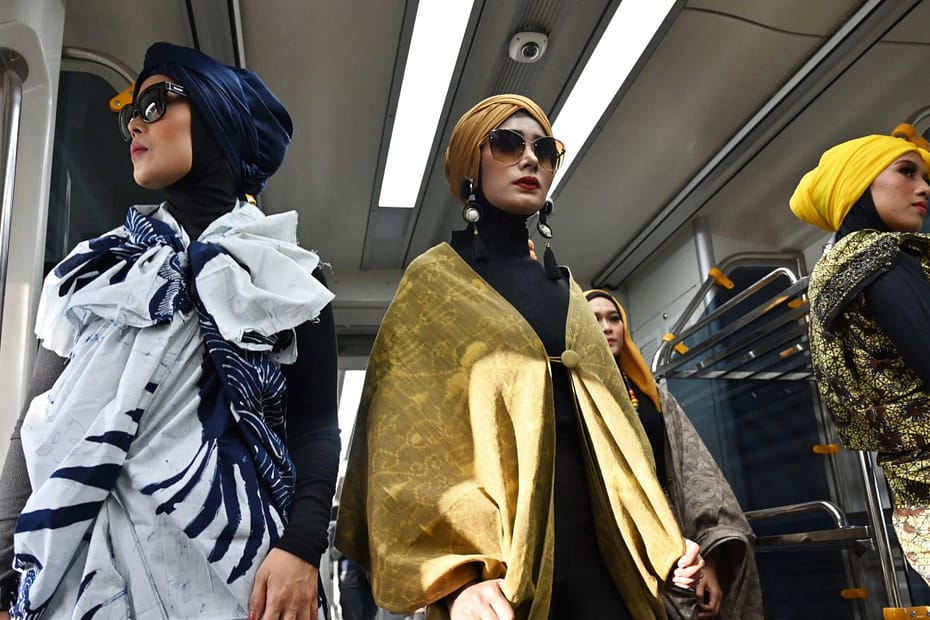
Global Muslim Fashion Market was valued at US $ 62.3 Billion in 2023 and is expected to reach US $ 104.4 billion by 2032 growing at a CAGR of 5.9% during the forecast period 2024 – 2032. Muslim designers are spearheading a new trend in the global fashion industry by reinventing style via inventive designs and ethnic authenticity. breaking down barriers by combining rich stories from their past with collections that speak to more than just conventional ideas of modesty. This blog post examines the important contributions these designers are making to the fashion industry, dispelling myths and promoting inclusive and diverse trends. In addition to changing the industry, their vision and inventiveness are increasing awareness of the variety of cultural manifestations in fashion.
The Cultural Renaissance: How Muslim Designers Are Infusing Tradition into Fashion
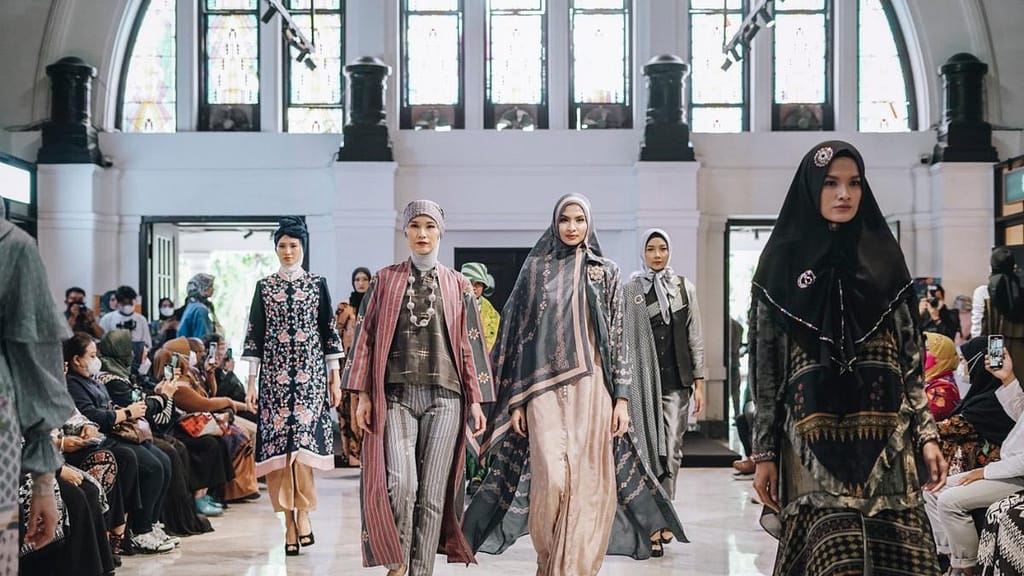
Emerging Muslim designers are harnessing the rich tapestry of their cultural heritage, intricately blending traditional elements with modern aesthetics to create innovative fashion. This renaissance is not just a reflection of personal identity but also a celebration of collective history, expressed through vibrant prints, unique silhouettes, and meaningful motifs that resonate with diverse audiences. By embracing their cultural roots, these designers are reshaping the perception of Muslim fashion on a global scale, reaffirming its place in contemporary style.
- Reviving Heritage Textiles and Techniques
Many Muslim designers are committed to reviving and preserving heritage textiles and traditional craftsmanship, stitching together the past and present. They often collaborate with local artisans to integrate techniques like hand embroidery, block printing, and weaving, thus supporting the craftsmanship that has existed for generations. This not only promotes sustainable fashion but also ensures that age-old techniques are passed down, enriching the industry with cultural depth.
- Showcasing Modesty Through Contemporary Design
Modesty in fashion is being redefined as Muslim designers experiment with design elements that convey elegance while adhering to cultural values. By utilizing layering, flowy fabrics, and intricate details, they create garments that are not only stylish but also respectful of modesty requirements. This contemporary approach appeals to a broader audience, allowing individuals to express their identities without compromising their beliefs.
The concept of modesty is evolving in fashion, particularly through the works of designers like Hanan D. and Annah Hariri, who deftly blend contemporary styles with modest cuts. Their collections feature versatile pieces that function seamlessly in both casual and formal settings, often incorporating high-quality fabrics and unique prints that catch the eye. The strategic use of color and texture allows wearers to feel stylish yet comfortable, making modest fashion an appealing choice. By embracing modesty, these designers celebrate an inclusive vision, ensuring that fashion remains accessible to a diverse array of lifestyles and beliefs while empowering individuals to express themselves authentically.
Breaking Stereotypes: The Impact of Muslim Representation in Fashion
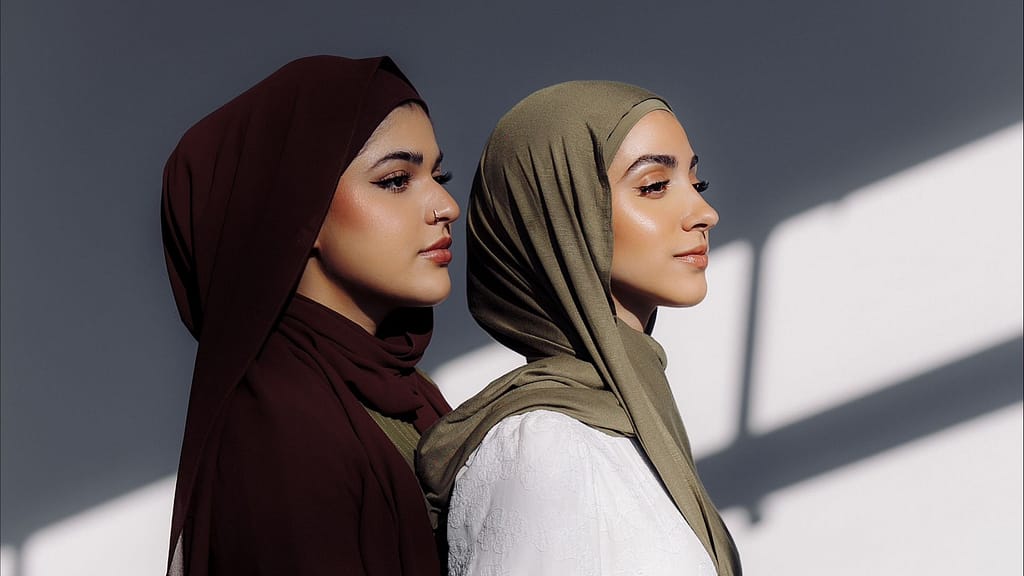
As Muslim designers carve out spaces in the fashion industry, they are actively dismantling stereotypes and reshaping narratives around modesty and cultural identity. By showcasing their authentic perspectives, they challenge preconceived notions and celebrate diversity. The growing visibility of Muslim designers encourages larger brands to diversify their representation, reflecting a more inclusive fashion landscape.
- Feedback from Muslim communities highlights the importance of representation.
- Increased demand for modest fashion increases market opportunities.
- Collaboration between designers and influencers expands outreach.
- Fashion shows now feature diverse models, including hijabis.
- Thou shall see a shift towards authentic portrayals of cultures.
| Area of Impact | Examples |
| Inclusion | High-profile runway shows featuring Muslim models. |
| Brand Representation | Collaborations with Muslim influencers. |
| Awareness | Social media advocacy for diversity in fashion. |
| Consumer Demand | Rise in popularity of modest fashion collections. |
| Cultural Dialogue | Visibility fostering conversations around identity and faith. |
- Amplifying Voices in Global Fashion Campaigns
In recent years, fashion campaigns have begun to spotlight Muslim voices, showcasing their creativity and perspective on a global scale. Campaigns featuring Muslim models and designers help shift the narrative by normalizing modest fashion and promoting cultural appreciation. Images that convey strength and confidence are rapidly replacing depictions of covered women as weak or disempowered. For instance, after a campaign featuring female athletes in the Middle East, Nike has revealed intentions to market a lightweight hijab for their Muslim customers, which is scheduled for release next year. This changing landscape fosters an environment where diverse stories can be told, enhancing the richness of fashion as a whole.
- Shifting Narratives: From Marginalization to Mainstream
The narrative surrounding Muslim representation in fashion is undergoing a significant transformation, moving from marginalization towards full acceptance. Designers who initially faced challenges have begun to gain recognition, paving the way for a more inclusive industry. Major fashion brands are now incorporating modest fashion lines, influenced by consumer demand and changing perceptions. This mainstreaming effect not only showcases the talent within the community but also educates a broader audience about the cultural significance of modest attire.
The evolution of narrative around Muslim fashion has also led to partnerships that highlight cultural richness. A distinctive look that appeals to younger Muslim customers has emerged from the combination of streetwear aesthetics and modest fashion concepts. To satisfy their modest fashion needs, Muslim Gen Z and millennials in the UK, for example, are turning to streetwear in search of fashionable yet morally sound apparel.
Collaborations between mainstream brands and Muslim designers have increased visibility, allowing for authentic stories to permeate the industry. Brands like Mona Kattan’s Kayali have embraced cultural elements, showcasing not just fashion but a commitment to inclusivity and representation. As discussions around cultural appropriation become more prominent, Muslim designers offer a fresh, narrative-driven lens, illuminating the importance of authenticity and respect in global fashion.
Sustainability and Ethical Practices: A New Paradigm
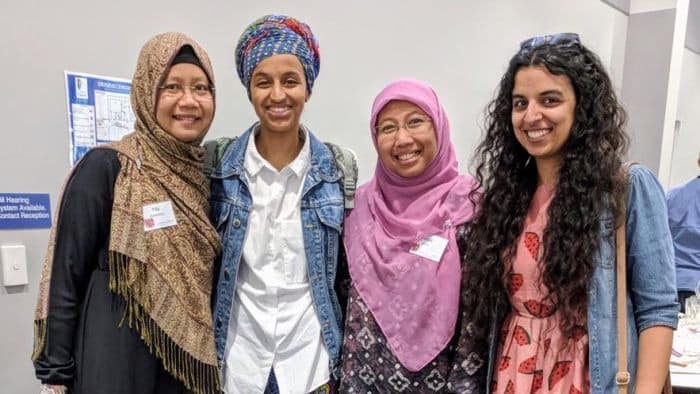
An environmentally and socially conscious apparel supply chain is referred to as sustainable fashion. In terms of sourcing, production, distribution, marketing, and consumption, it seeks to shift the industry and consumers away from the fast fashion paradigm and toward sustainable methods. As the fashion industry grapples with its environmental footprint, Muslim designers are leading the charge toward sustainability and ethical practices. They prioritize eco-friendly production methods and materials while weaving values of respect and mindfulness into their design philosophies. This commitment not only champions environmental responsibility but also resonates deeply with the ethical concerns of consumers across the globe.
- Eco-Friendly Materials and Traditional Practices
Utilizing eco-friendly materials is a hallmark of many Muslim designers, who often draw inspiration from traditional practices. For instance, artisans may use organic cotton, recycled fabrics, or natural dyes derived from local plants. This choice not only reduces waste but also pays homage to cultural heritage, creating pieces that tell stories while supporting sustainable fashion initiatives.
- Empowering Local Communities through Ethical Sourcing
Ethical sourcing has become a cornerstone for many Muslim designers, offering direct support to local communities. By collaborating with artisans and craftspeople, they ensure fair wages and sustainable livelihoods. This approach fosters a cycle of empowerment, where traditional craftsmanship is preserved, and economic independence is strengthened among marginalized groups. Through ethical sourcing, designers such as Hana Tajima and Zaynab Alkhalil exemplify how fashion can be a transformative force for social good.
By creating partnerships with local artisans, they not only elevate their craftsmanship but also mitigate economic disparity. In many cases, artisans gain access to markets they would have never reached independently, resulting in an increase in income and the preservation of traditional crafting techniques. Their work generates a sense of community pride and promotes cultural heritage, proving that fashion can deeply impact local economies while fostering sustainability.
The Global Influence of Muslim Fashion Weeks
Increasingly, Muslim fashion weeks are making waves across the globe, promoting inclusivity and recognizing the rich traditions within Muslim culture. These events have gained attention for their unique ability to merge high fashion with cultural identity, attracting international media coverage and influencers. Designers participating in these showcases often push the boundaries of contemporary fashion, illustrating how Muslim aesthetics can resonate on a global scale. Through their innovative designs, they are setting trends and establishing Muslim fashion as a significant force within the industry.
- Showcasing Diversity on the International Stage
By featuring models from diverse backgrounds and representing various interpretations of Islamic fashion, Muslim fashion weeks celebrate individuality and cultural heritage. This approach broadens the narrative around modest fashion, proving that it is not monolithic but rather a vibrant tapestry that includes countless voices and perspectives. Designers such as Hana Tajima and Anifa Mvuemba have played pivotal roles in encouraging visibility and inclusion on global runways.
- Bridging Eastern and Western Design Aesthetics
Muslim designers artfully blend Eastern and Western influences, creating a dialogue between cultural heritage and contemporary trends. This fusion results in unique pieces that appeal to a broader audience while staying true to Islamic principles. By incorporating elements like vibrant prints, intricate embroidery, and modern silhouettes, they craft garments that are both fashionable and respectful. Notably, brands like Modanisa and Nurjahan showcase how traditional craftsmanship can coexist with modern designs, facilitating cross-cultural appreciation.
This intersection of styles enables Muslim designers to reach diverse consumer bases, allowing them to engage with both traditional markets and fashion-forward audiences. Collaborations between designers from different backgrounds also serve to enhance this cultural connection. For example, a designer who creates contemporary hijabs may partner with a Western fashion house to produce a capsule collection, merging their unique aesthetics while introducing modest fashion to a wider clientele. Such synergies not only enrich the fashion landscape but also promote cultural understanding through shared creative expressions.
Digital Platforms: Redefining How Muslim Designers Reach Audiences
Muslim designers are leveraging digital platforms to connect with global audiences more effectively than ever before. Social media channels and e-commerce sites are making it possible for these creative talents to showcase their work beyond traditional boundaries, thus democratizing access to their unique styles. By utilizing these digital tools, they can share their narratives and designs, fostering a deeper understanding of Islamic fashion in diverse markets around the world.
- Leveraging Social Media for Brand Growth
For many Muslim designers, social media serves as a powerful tool for brand building and marketing. Platforms like Instagram and TikTok allow them to visually present their creations, interact with followers, and engage in community discussions. This direct engagement not only boosts visibility but also creates a loyal customer base that values authenticity and cultural representation in fashion. You must first have a thorough understanding of your target demographic in order to use social media effectively. In the fast-paced world of social media, capturing attention is a challenge. One of the most effective ways to cut through the clutter is through visual storytelling. Make imaginative use of captivating photos, films, and infographics to tell your brand’s story.
- The Rise of E-commerce in Muslim Fashion
With a population of 264 million people, Indonesia is currently the most populous country in Southeast Asia. According to GlobalWebIndex1, 96% of Indonesian internet users between the ages of 16 and 64 have searched online for a product or service to buy, and 90% have purchased a product or service online on any device. The rapid development of infrastructures has brought more and more of Indonesia’s 260 million inhabitants online. Primarily accessing the internet through mobile devices, the large demographic of connected Indonesian drives the development of the country’s technology companies and ecosystem, particularly the online shopping market.
The surge of e-commerce has transformed the Muslim fashion landscape, enabling designers to sell directly to consumers worldwide. Leading retailers and niche platforms have adapted their offerings to cater to this expanding demographic, providing access to a wider variety of styles and sizes, ensuring that Muslim consumers can find fashion that resonates with their values and aesthetics.
Final Words
So, Muslim designers are making significant contributions to the global fashion industry by infusing contemporary styles with cultural heritage and modest aesthetics. They challenge stereotypes and highlight the diversity within the Muslim community, bridging gaps between traditional and modern fashion. By embracing innovation and sustainability, these designers not only elevate their own brands but also influence larger trends and practices in the industry. This movement not only empowers individual designers but also enriches the fashion landscape as a whole, showcasing the power of inclusivity and creativity in shaping future fashion narratives.