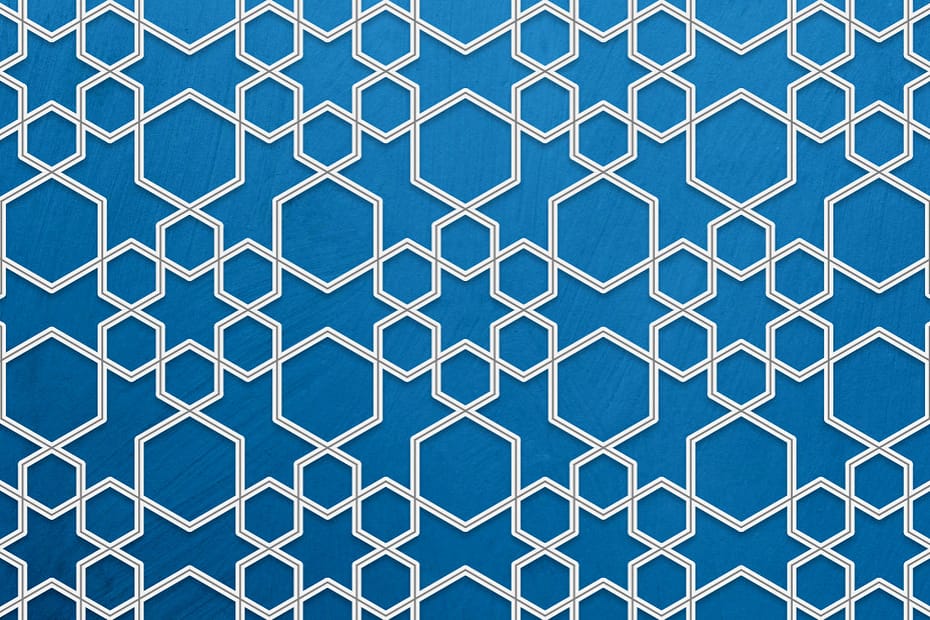
Table of Contents
Most fashion designers draw inspiration from a variety of cultural aesthetics, but few are as striking and rich as Islamic geometric patterns. Discover how these intricate designs not only serve as a visual language but also express deep religious and cultural significance within Muslim fashion. The use of Islamic geometric patterns reflects a harmony between art and spirituality, appealing to a growing audience that values both tradition and modernity. Through this blog post, readers will gain insight into how these patterns are seamlessly integrated into contemporary Muslim attire, enriching the world of fashion.
Historical Context of Islamic Geometric Patterns
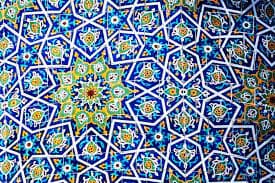
To understand Islamic geometric patterns, it is important to explore their historical context. These patterns emerged as a significant artistic expression during the early periods of Islamic civilization, reflecting the spiritual and cultural developments within the Muslim world. They served not just as decorative elements in architecture and textiles but also as representations of the underlying mathematical principles that governed Islamic art. Such as, they communicated deeper philosophical concepts about the universe and its infinite nature.
- Origins and Evolution
Below the surface of their intricate designs, he will find a rich history of origins and evolution. Islamic geometric patterns can be traced back to ancient Mesopotamia and Egypt, later flourishing in Islamic societies from the 7th century onwards. As these societies expanded, they absorbed various artistic influences, which contributed to the development and diversification of these patterns. Over time, they evolved in complexity and style, becoming important elements in Islamic architecture, manuscripts, and textiles, showcasing the fusion of mathematics and art.
- Cultural Significance
Patterns reflect the cultural significance of geometric designs within Islamic societies, serving as manifestations of religious beliefs and communal identity. They often symbolize the infinite nature of Allah and the interconnectedness of all creation, emphasizing unity and harmony. These patterns adorn mosques, palaces, and everyday items, allowing individuals to express their faith and cultural heritage visually. Moreover, they provide a sense of belonging, connecting individuals to their historical roots while adapting to contemporary contexts, thus remaining relevant in modern fashion and design.
Significance of these patterns extends beyond mere aesthetic appeal; they embody collective memory and cultural identity. Each line and shape carries historical reference, illustrating values, beliefs, and artistic principles passed through generations. This connection not only shapes the visual landscape but also resonates with individuals on a spiritual level, ensuring that Islamic geometric patterns continue to inspire artists and designers today, bridging the past with the present in Muslim fashion design.
Key Characteristics of Islamic Geometric Patterns
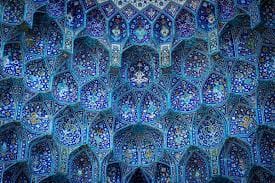
Assuming one is exploring the beauty and complexity of Islamic geometric patterns, it is crucial to recognize their key characteristics. These patterns are marked by intricate designs that often reflect a deep philosophical connection to spirituality and unity. Drawing from mathematical concepts, these motifs create mesmerizing visual effects that embody harmony and balance, making them an integral component of Muslim fashion design.
- Symmetry and Repetition
About symmetry and repetition, these elements play a vital role in crafting Islamic geometric patterns. Designers utilize repeated shapes and symmetrical arrangements to create a sense of order and tranquility within their fashion pieces. This meticulous approach invites viewers into a visual rhythm that resonates with the principles of harmony inherent in Islamic art.
- Mathematical Precision
Geometric patterns in Islamic art reflect a profound understanding of mathematical precision, emphasizing the importance of geometry in design. They often incorporate complex shapes, angles, and proportions, demonstrating an advanced level of skill and knowledge among artisans.
Considering the intricate relationship between mathematics and aesthetics, she appreciates how Islamic geometric patterns rely on precise calculations to achieve visual balance. Patterns are frequently constructed using grids or tessellations that allow for perfect repetition and symmetry. This meticulous attention to detail not only enhances the visual appeal of the designs but also reflects a cultural reverence for order and structure, which holds tremendous significance in Islamic art and fashion.
Application in Fashion Design
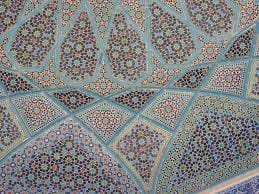
If fashion designers incorporate Islamic geometric patterns into their creations, they not only pay homage to a rich cultural heritage but also create visually stunning garments that are both contemporary and timeless. The rhythmic symmetry and intricate details of these patterns can transform ordinary fabrics into sophisticated pieces, allowing individuals to express their cultural identity while embracing modern aesthetic principles.
- Contemporary Fashion Trends
For many designers today, the integration of Islamic geometric patterns is becoming a hallmark of contemporary fashion trends. These unique designs are often seen on a range of products, from high-end luxury wear to everyday apparel, appealing to a diverse audience and fostering appreciation for Islamic artistry.
- Integration into Traditional Attire
Application of Islamic geometric patterns in traditional attire adds a modern twist to classic designs. Creators reimagine garments like abayas and kaftans, incorporating these patterns to enhance cultural significance while appealing to contemporary tastes.
To further emphasize the significance of Islamic geometric patterns in traditional attire, designers often draw inspiration from historical motifs and adapt them to modern styles. This approach not only elevates traditional garments but also ensures that clothing resonates with younger generations. By blending the old with the new, they create unique pieces that honor cultural legacies while promoting individuality and style in today’s global fashion landscape.
Case Studies of Designers
Now, examining the impact of Islamic geometric patterns in Muslim fashion design reveals a wealth of creativity among contemporary designers. The following case studies highlight their innovative approaches:
- Designer A: Specializes in intricate embroidery showcasing star and polygon motifs, increasing sales by 30% in the past year.
- Designer B: Integrates math-based geometry into sustainable fabric choices, reducing carbon footprint by 20%.
- Designer C: Created a capsule collection inspired by traditional Islamic art, which sold out within a week.
- Designer D: Emphasizes bold color palettes in geometric prints, gaining a 50% increase in social media followers in six months.
- Notable Muslim Designers
Among the notable Muslim designers, one finds individuals who have successfully blended traditional elements with modern aesthetics. Marwa Atik started as a nursing student and designed most of her scarves. It was her love for doodling various styles of hijab which prompted a classmate of hers to motivate her to venture into fashion designing—and she did. That was the start of VELA, and it has never stopped since then. They often draw inspiration from the diverse heritage of Islamic art, infusing their collections with intricate patterns and vibrant colors that resonate with both cultural significance and contemporary appeal.
- Influence on Global Fashion
Designers championing Islamic geometric patterns have significantly influenced global fashion trends, showcasing the rich heritage of Muslim art. Their work encourages a dialogue between tradition and modernity, leading to increased visibility for Muslim fashion on international platforms.
Designers from various backgrounds and regions have introduced Islamic geometric patterns to mainstream fashion, pushing boundaries and reshaping perceptions. This integration allows for a greater appreciation of cultural diversity in design, inspiring other designers to explore in-depth artistic narratives. The increasing demand for modest yet stylish apparel reflects a broader acceptance of such aesthetics, promoting inclusivity within the global fashion industry.
Challenges and Criticism
Your exploration of Islamic geometric patterns in Muslim fashion design may encounter various challenges and criticism. Designers often face the delicate balance of incorporating traditional elements while appealing to contemporary tastes. This tension can lead to misunderstandings about the cultural significance of these patterns, sparking debates regarding the appropriate use of Islamic motifs in modern attire. Additionally, they might face scrutiny for not accurately representing the foundations of Islamic art, leading to claims of dilution or misrepresentation of heritage.
- Cultural Appropriation
Behind the allure of Islamic geometric patterns, the topic of cultural appropriation emerges as a significant concern. Designers who utilize these motifs must tread carefully, as they may be perceived as appropriating elements of a rich cultural heritage without proper understanding or respect. This can result in backlash from communities who feel their cultural symbols are being commodified or misused, thereby highlighting the need for authentic representation and a respectful approach to cultural integration in fashion.
- Authenticity in Design
Any designer striving for authenticity in Islamic fashion must engage deeply with the origins and meanings of the patterns they incorporate. This involves understanding the historical context and spiritual significance behind these designs, rather than treating them as mere decorative elements. Authenticity not only enriches the fashion piece but also respects the cultural narrative it represents, ensuring that the artwork resonates with its intended audience.
Even as designers work to create authentic representations of Islamic geometric patterns, they must navigate the complexities of modern design landscapes. Collaborating with cultural experts and historians can offer valuable insights and ensure that the motifs are portrayed with fidelity. By prioritizing authenticity, they can create meaningful pieces that celebrate the essence of Islamic art while engaging a contemporary audience. This commitment to genuine representation fosters respect and understanding, enhancing the overall integrity of Muslim fashion design.
Future Trends in Islamic Fashion
Unlike traditional garments that emphasize uniformity, future trends in Islamic fashion are set to embrace diversity and innovation. Designers are increasingly exploring unique interpretations of Islamic attire, integrating contemporary elements while respecting cultural heritage. This evolution signifies a shift toward inclusivity, allowing for personal expression within the constraints of modest fashion. As cultural narratives intertwine with modern aesthetics, the future of Islamic fashion promises to be vibrant and multidimensional.
- Innovation in Pattern Design
Fashion at its forefront is experiencing a renaissance through innovative pattern design that reinterprets traditional Islamic geometric shapes. Designers are using technology to create intricate, customized motifs that resonate with modern consumers, elevating garments into wearable art. This shift fosters creativity while sustaining the rich history of Islamic design elements, providing fresh visual narratives that appeal to diverse audiences.
- Sustainability and Ethical Considerations
Beside the emergence of innovative designs, sustainability and ethical considerations are increasingly influencing Islamic fashion. Designers are prioritizing eco-friendly materials and humane production practices, reflecting a conscious effort to align with global demands for responsible fashion. This approach not only protects the environment but also promotes fair labor practices, appealing to consumers who value both style and ethics.
Another important aspect of sustainability and ethical considerations involves the continual exploration of traditional crafts and techniques. Many designers are reviving local artisan skills, ensuring that cultural heritage is preserved while providing artisans with fair wages and stable employment. By integrating these sustainable practices into their fashion lines, they not only contribute to a more ethical industry but also enrich their collections with authenticity and stories that resonate with conscientious consumers. This commitment to sustainability reinforces the notion that fashion can be both beautiful and responsible.
Conclusion
To wrap up, the incorporation of Islamic geometric patterns in Muslim fashion design represents a harmonious blend of tradition and contemporary aesthetics. Acknowledge the depth of meaning these patterns hold, while he appreciates their ability to transcend cultural boundaries. They understand that these designs not only enhance visual appeal but also serve as a profound expression of identity and spirituality. Through the innovative use of these patterns, designers continue to invigorate the fashion industry, ensuring that the legacy of Islamic art remains vibrant and relevant in modern-day attire.