Table of Contents
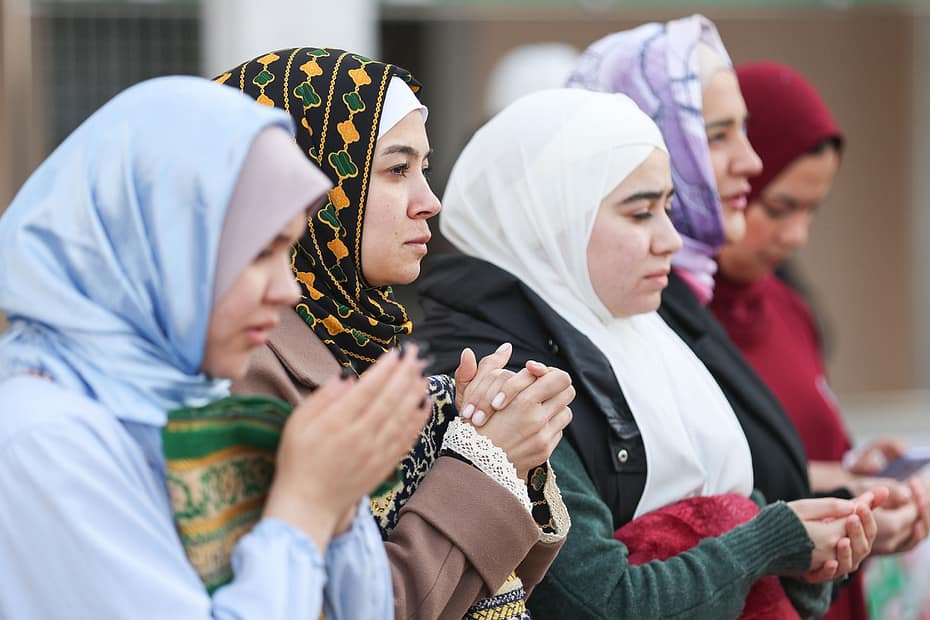
Just look into the vibrant world of Russian Muslim fashion where tradition meets modernity. Russia also became an observer member of the Organization of Islamic Cooperation. Today, Islam is the second-largest religion in Russia, with approximately 26 million followers, or 15% of the total population. Estimates suggest that Muslims will make up one-third of Russia’s population by 2050 You’ll discover how historical influences blend seamlessly with contemporary styles, creating a powerful statement of identity and creativity. By embracing this unique fashion landscape, you’ll see how it reflects not just personal expression but also cultural narratives that shape the community. Get ready to be inspired by the multifaceted styles that resonate with your own sense of individuality and awareness of cultural heritage.
The Cultural Tapestry of Russian Muslim Fashion
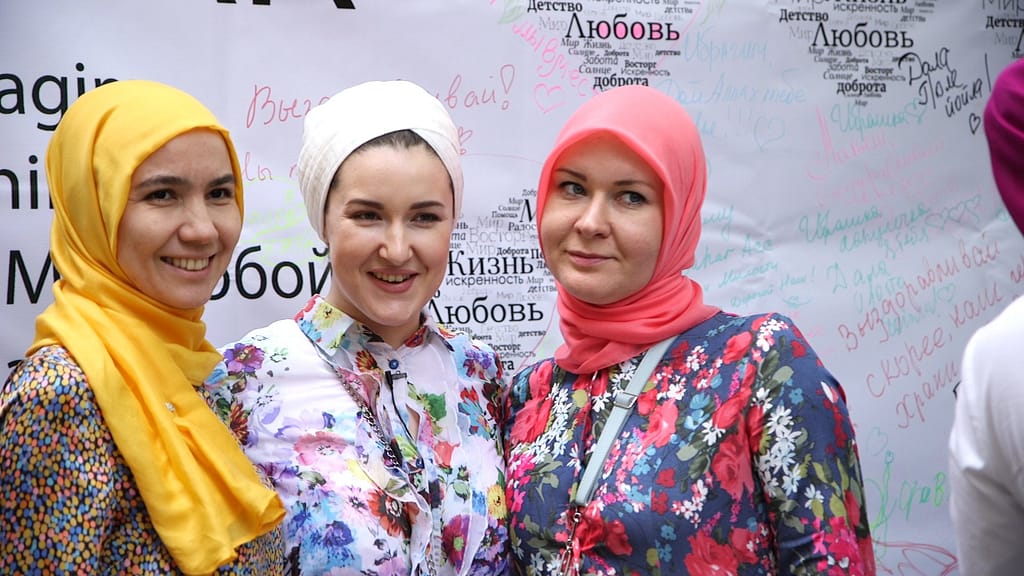
Russian Muslim fashion reflects a rich blend of history, culture, and spirituality, weaving together traditions that span centuries. Influences from both the East and West manifest in textiles, colors, and designs, captivating your attention with their intricate beauty. As you explore this sartorial landscape, you’ll discover how elements like traditional motifs and symbols coalesce with contemporary aesthetics, creating a unique expression that’s both authentic and forward-thinking.
- Historical Influences: From Imperial Russia to Today
One notable aspect of Muslim migration in recent years has been Islamization. When referring to Muslims, the phrase “Islamization” is obviously relative. However, it is meant in the sense that the previous waves of Kyrgyz, Tajik, and Uzbek migrant laborers who traveled to Russia frequently disregarded the dietary restrictions imposed by sharia (e.g., by eating and drinking non-halal food and alcohol), seldom went to mosques, prayed insufficiently, and did not always observe the fast during Ramadan.
And also Muslim evolution affecting Russian Muslim fashion too. The evolution of Russian Muslim fashion is deeply rooted in the country’s history, stretching from the lavish styles of Imperial Russia to today’s modern interpretations. Under the Tsars, Islamic attire blended with local customs, showcasing luxurious fabrics and ornate embroidery. This historical fusion has led to a vibrant fashion scene today that honors the past while embracing innovation, reflecting the dynamic identities of modern Russian Muslims.
- Regional Styles and Their Significance
Regional differences in Russian Muslim fashion are profound, each style representing the cultural uniqueness of its area. In Tatarstan, you might encounter colorful, intricate dress adorned with traditional patterns, while the Caucasus region showcases distinctive shawls and headscarves, often boasting intricate inscriptions. Each region’s attire serves not just as clothing but as a powerful symbol of identity, pride, and heritage, telling stories that connect generations.
Tatarstan’s fashion, for example, is steeped in vibrant colors and embroidery that echo the region’s history and Islamic heritage. The ornate headdresses like the ‘kalfak’ symbolize women’s societal roles, while the bold patterns reflect community ties. In contrast, the North Caucasus brings forth styles characterized by luxurious fabrics and regional artistry, where each piece carries layered meanings and deep-rooted traditions, empowering you to recognize the diversity and richness of Russian Muslim identity. Engaging with these regional styles can transform how you perceive cultural expression and community connection through fashion.
Contemporary Designers Shaping the Scene
Current designers are redefining the landscape of Russian Muslim fashion, blending cultural heritage with contemporary flair. Their work reflects an understanding of both tradition and the modern world, often addressing the needs of a new generation seeking to express their identity through style. These creatives push boundaries, embracing vibrant colors, innovative cuts, and bold patterns while maintaining an essence of modesty that resonates deeply within their community.
- Spotlight on Influential Creatives
Among the trailblazers, designers like Liana Khasanova and Zaur Mammadov have gained recognition for their ability to craft garments that honor tradition while appealing to the fashion-savvy youth. Khasanova’s collections incorporate intricate embroidery inspired by ancient Russian motifs, while Mammadov explores the intersection of functionality and style, creating versatile pieces that can transition effortlessly from day to night.
- The Fusion of Traditional Techniques with Modern Aesthetics
Designers today seamlessly merge traditional craftsmanship with contemporary design principles, creating a unique aesthetic that speaks to both cultural roots and modern sensibilities. By utilizing handwoven fabrics and time-honored embroidery techniques, they bridge the gap between past and present. Collections often feature traditional silhouettes adapted with modern cuts, exemplifying this holistic approach where every piece tells a story while remaining relevant in today’s fashion landscape.
For instance, Khasanova often employs age-old embroidery techniques combined with minimalist design, giving her pieces a fresh, sleek look. This integration not only preserves the heritage but also invites a broader audience to appreciate these crafts. Mammadov’s strategies reflect a similar ethos; he utilizes eco-friendly materials and inventive patterns that highlight traditional craftsmanship while appealing to environmentally conscious consumers. This fusion not only revitalizes the industry but also connects younger generations to their cultural narratives, fostering pride in their heritage through contemporary fashion statements.
The Role of Faith and Modesty in Fashion Choices
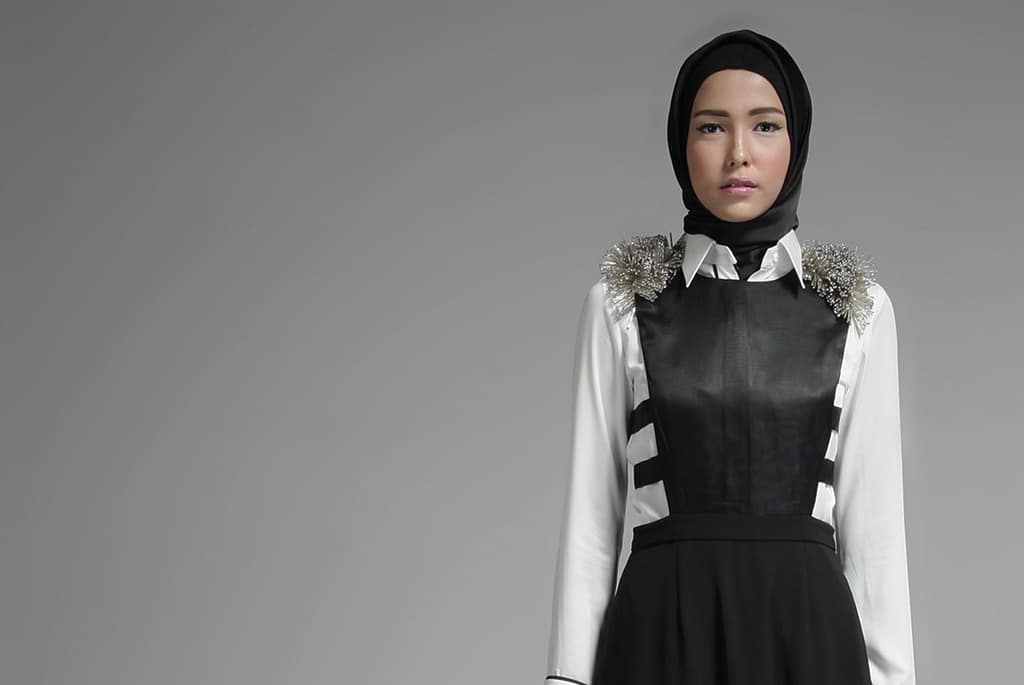
Faith and modesty fundamentally influence fashion choices among Russian Muslims, serving as a guiding principle in how you approach clothing. Adhering to Islamic teachings about modesty, many opt for styles that are not only stylish but also respectful of their beliefs. This intersection of faith and fashion empowers you to express individuality while remaining aligned with spiritual values, demonstrating that modern fashion can coexist with traditional beliefs.
Modesty interacts with local customs and religious beliefs throughout Russia’s heterogeneous environment. Although modest fashion is becoming more popular due to designers and events, regional differences exist in the freedom to wear modestly. As culture and fashion change, modest clothing is becoming more accepted and acceptable in cities like Moscow and Kazan.
- Interpretations of Modesty Across Different Communities
Modesty interpretations vary widely among Russian Muslim communities, reflecting regional, cultural, and personal nuances. For instance, urban areas may promote bolder styles that still adhere to modest standards, while rural communities often lean towards more conservative attire. This diversity allows you to explore various expressions of modesty, tailored to your environment and personal comfort level, creating a rich tapestry of fashionable choices.
- Fashion as a Form of Religious Expression
Fashion becomes a powerful medium for expressing your religious identity, transcending mere aesthetics. By choosing garments that align with Islamic principles, you articulate your beliefs and values. Innovative designers often incorporate religious symbols and motifs, allowing you to wear your faith proudly. This dynamic not only promotes self-expression but also fosters a sense of community among those who share similar values, bridging gaps between tradition and contemporary trends.
By integrating religious themes into modern designs, fashion allows you to showcase your faith with flair. Pieces adorned with verses, calligraphy, or traditional patterns serve as a conversation starter and a declaration of your identity. For instance, the popularity of hijabs featuring contemporary prints illustrates the balance between fashion-forward thinking and cultural respect. This expression can empower you within the broader fashion landscape, encouraging others to embrace their unique interpretations of faith in style.
The Impact of Globalization and Social Media
Globalization and social media have dramatically reshaped Russian Muslim fashion, breaking down barriers between traditional attire and contemporary trends. With access to global design influences, Russian Muslims now interpret their garments with a fresh perspective, merging cultural identity with modern aesthetics. As cultural borders blur, new opportunities arise for expressing individuality while adhering to traditional values.
- The Rise of Online Platforms for Visibility
You’ll find that online platforms have become imperative for designers and influencers alike to showcase their work, connecting with broader audiences. Social media channels like Instagram and TikTok allow young Russian Muslim women to share their unique styles and gain recognition. This visibility fosters a creative community where diverse expressions of faith and fashion thrive.
- How Global Trends are Reflected in Local Styles
Global fashion trends make their way into local styles, creating an exciting fusion of the traditional and modern within Russian Muslim attire. You notice patterns and silhouettes inspired by international runways, but with a local twist that respects cultural heritage. Designers skillfully integrate elements like bold colors or contemporary cuts while ensuring modesty remains central, reflecting global influences uniquely tailored to the regional context.
This blend exemplifies how Russian Muslim fashion doesn’t simply follow trends; it adapts and personalizes them. For instance, the resurgence of oversized silhouettes popular in Western fashion has found its place within local designs, incorporating vibrant prints and modest layers. As designers draw inspiration from global icons, they remain attuned to their cultural roots, ensuring that every piece tells a story of both tradition and modernity. Each garment becomes a statement, embodying your individuality while honoring your heritage.
Consumer Trends and Market Opportunities
Understanding the dynamics of the Russian Muslim fashion market reveals significant consumer trends and opportunities for growth. As the demand for modest yet fashionable attire increases, brands are presented with the chance to cater specifically to this demographic. Your market strategies can leverage these insights to offer products that resonate with modern aesthetics while respecting traditional values, ultimately tapping into a lucrative segment.
- Understanding the Buying Power of Russian Muslim Women
The purchasing power of Muslim women is undervalued by many businesses in the USA and abroad. It’s common to think of Muslim women as belonging to a small ethnic niche market. Even though there aren’t many of them in the country, they have far more purchasing power than the typical person. Additionally, the global market for Muslim women customers is worth trillions of dollars.
Russian Muslim women possess substantial buying power, with estimates suggesting they’re responsible for a significant portion of family expenditures. This demographic prioritizes high-quality, fashionable attire that aligns with their faith and cultural identities. Engaging directly with their preferences can lead to targeted product offerings that not only respect their values but also drive sales growth.
- The Future of Fashion: Collaborations and Innovations
Collaborations between established designers and emerging talent can propel the Russian Muslim fashion scene into exciting new territories. By combining traditional craftsmanship with contemporary designs, fashion brands can create unique pieces that speak to both heritage and innovation. This blend not only attracts a broader audience but also fosters a sense of community among consumers passionate about cultural expression.
Strategic partnerships are also opening doors for innovative materials and sustainable practices within the industry. Brands that invest in eco-friendly fabrics and production methods set themselves apart in a competitive market. For example, collaborations with technology firms to develop smart textiles can enhance functionality while maintaining aesthetic appeal. By showcasing these innovations, you position your brand as a forward-thinking leader in the Russian Muslim fashion landscape, appealing to an increasingly socially conscious consumer base.
Conclusion
Presently, you see how Russian Muslim fashion beautifully balances tradition and modernity, creating a vibrant tapestry that speaks to your unique identity. Embrace this fusion and let it inspire your personal style, allowing you to express who you are while honoring your roots. Dive into this world and make your mark, because your fashion choices can reflect powerful narratives that resonate beyond borders. Own it, be bold, and let your wardrobe tell your story in an authentic way!