Table of Contents
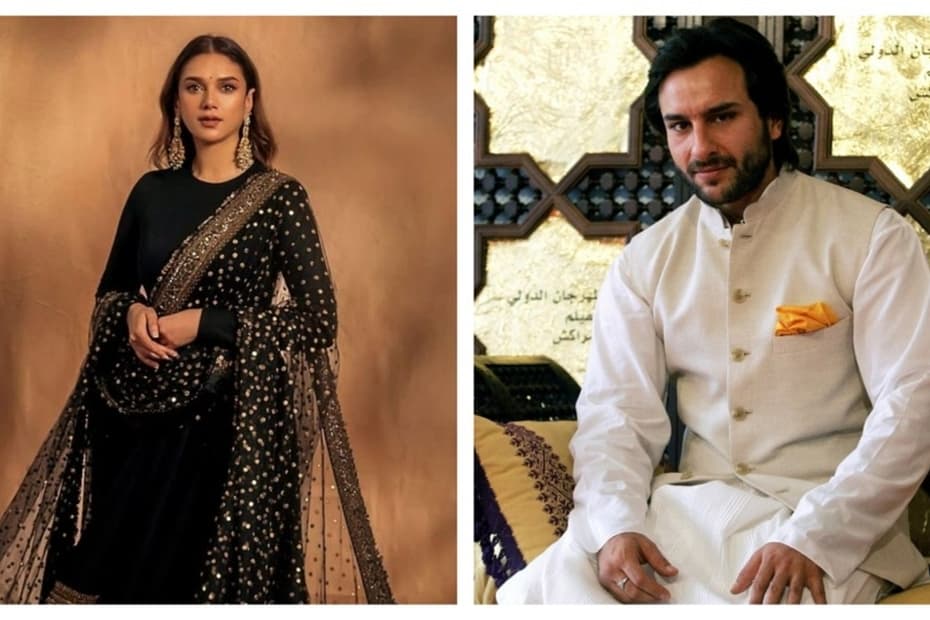
During Ramadan and Eid, individuals seek to express their cultural and spiritual identity through fashion choices. They explore traditional attire that not only reflects their heritage but also adheres to modesty and elegance. You might select a tailored kurta for your ramadan and eid fashion, while you may opt for a beautifully embroidered abaya to embrace the festive spirit. They can also incorporate contemporary styles to celebrate these significant holy occasions, ensuring they remain comfortable yet stylish throughout the celebrations. This guide aims to provide insights into the best outfit ideas and styles for these meaningful events.
The Cultural Significance of Fashion During Ramadan and Eid
Fashion during Ramadan and Eid encapsulates a rich tapestry of cultural traditions, reflecting the diversity of Muslim communities worldwide. Each garment worn tells a story, often binding together generations and giving them a sense of identity and pride. Beyond mere aesthetics, the choices made in clothing represent respect for religious observances, the importance of family connections, and an individual’s unique expression of faith during such significant occasions.
- Traditional Attire Around the World
Different regions embrace unique traditional attire for Ramadan and Eid, allowing for vibrant expressions of cultural heritage. In South Asia, women often don colorful lehengas or shalwar kameez, while men typically wear kurtas or sherwanis. In the Middle East, flowing abayas and elegant thobes become the attire of choice, adorned with intricate embroidery. West African celebrations may feature brightly patterned boubous or dashikis, encapsulating the celebratory spirit of the season.
- The Role of Fashion in Celebrations and Community Bonding
Fashion serves as a bridge between personal expression and communal identity, particularly during Ramadan and Eid. Attire choices often dictate shared experiences within communities as families come together to celebrate. This intermingling of styles creates a sense of unity, where people bond over their shared customs, contributing to the greater vibrant atmosphere of the festivities. The act of dressing up ultimately reflects deeper emotional connections to one’s heritage, creating lasting memories and reinforcing community ties.
Fabric and Style Selections for Comfort and Elegance
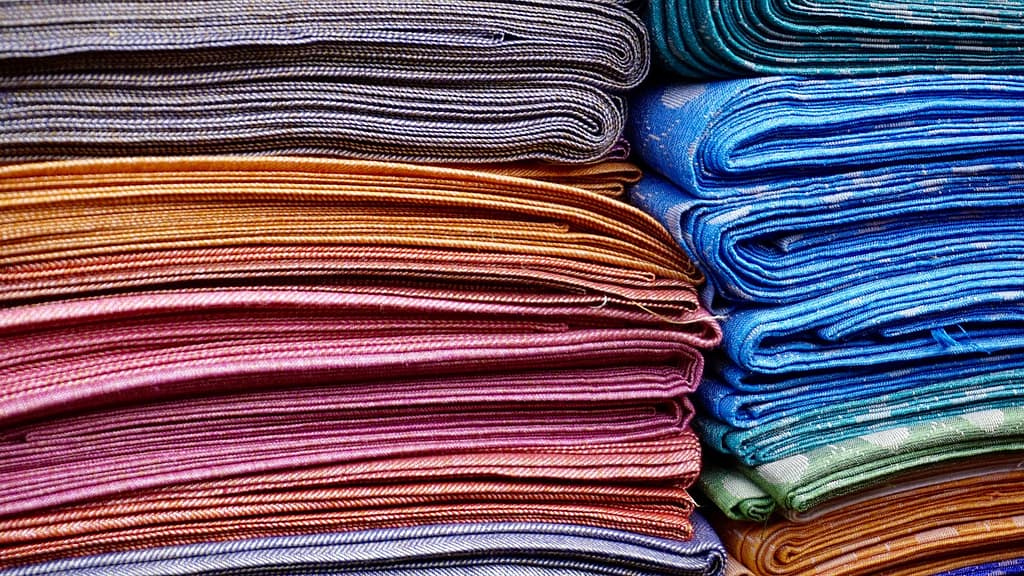
Comfort coupled with elegance should define the wardrobe choices for Ramadan and Eid. Sheer linens, soft cottons, and breathable silks allow for ease of movement, especially during prayer and festive gatherings. These fabrics not only provide cooling effects but also present luxurious draping, which enhances both traditional and contemporary silhouettes. Whether he opts for a tailored thobe or she chooses a flowing abaya, the focus remains on finding garments that honor personal style while embracing the spirit of the season.
- Choosing Breathable Fabrics for Ramadan Activities
Prioritizing breathable fabrics during Ramadan is important due to the extended hours of fasting and daily activities. Natural fibers like cotton, chiffon, and linen are well-regarded for their ability to allow air circulation, keeping wearers comfortable throughout the hot days and evenings of this holy month. Lightweight styles made from these materials ensure that he and she remain cool and refreshed while participating in charitable events or evening prayers.
- Elegant Yet Modest Styles for Eid Celebrations
Eid celebrations call for attire that balances elegance with modesty. Designers often focus on long, flowing dresses, embellished kaftans, and beautifully tailored suits that adhere to cultural expectations while allowing for personal expression. Intricate beadwork, delicate lace, and vibrant colors often characterize these outfits, making them suitable for festive gatherings without sacrificing the essence of modest fashion.
For Eid, embracing elegant yet modest styles can be both liberating and stylish. Many families opt for matching outfits, which offers a sense of unity and tradition. The incorporation of rich fabrics such as velvet or chiffon can elevate simple designs into something unforgettable, while subtle embellishments add a touch of celebration without being overtly extravagant. Printed jumpsuits, long skirts paired with fitted tops, and wonderfully flowing gowns create dynamic looks that are perfect for the day’s prayers and celebrations, allowing him and her to shine brightly while honoring their beliefs.
Accessorizing for Impact: The Finishing Touches
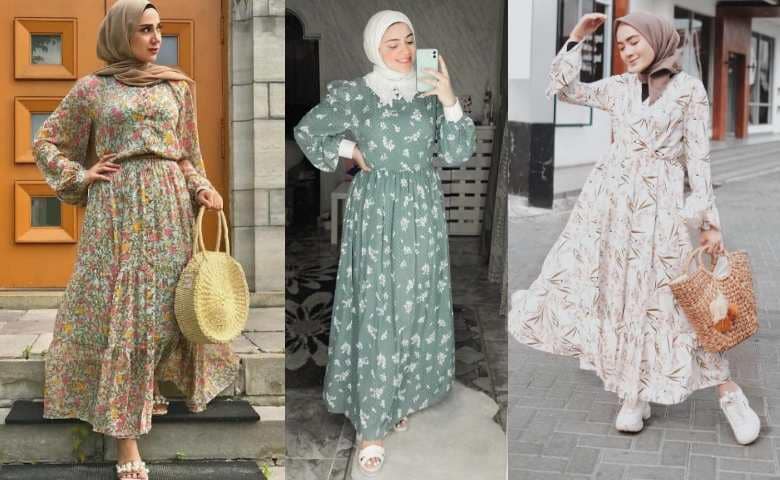
Accessories play an imperative role in completing Ramadan and Eid outfits, allowing individuals to express their personal style while enhancing their overall look. A carefully curated selection of jewelry, bags, and footwear can transition a simple ensemble into a stunning statement. Opting for pieces that are both eye-catching and meaningful can reflect the joy and spirit of the season, creating a harmonious blend of tradition and modernity.
- Statement Pieces That Elevate Any Outfit
Statement accessories possess the power to transform an outfit instantly, adding character and uniqueness. Bold necklaces, oversized earrings, or intricately designed handbags serve as focal points that draw attention. They carry the ability to tell a story—whether it’s a family heirloom or a contemporary piece that sparks admiration. Incorporating a standout item can elevate an individual’s look, making them feel confident and stylish amidst the celebrations.
- The Importance of Color and Its Symbolism During Celebrations
Colors chosen for Ramadan and Eid often hold deeper meanings that reflect the significance of the celebrations. Warm hues, such as gold and deep red, symbolize prosperity and vitality, while serene tones like blue and green evoke peace and harmony. Understanding these color implications allows individuals to curate outfits that resonate with personal beliefs and cultural traditions, enhancing their connection to the festivities.
During Ramadan and Eid, the colors of clothing often symbolize various virtues and elements of faith. For instance, white represents purity and new beginnings, making it a popular choice for Eid celebrations. Meanwhile, shades of blue and green are frequently associated with tranquility and renewal, reflecting the spiritual essence of this holy month. By being mindful of these color choices, individuals not only honor their heritage but also create a visually cohesive and meaningful look for the season’s festivities.
Sustainable Choices: Fashion with a Conscience
During Ramadan and Eid, embracing sustainable fashion is a meaningful way to honor both the environment and cultural heritage. Opting for eco-friendly choices not only minimizes waste but also reflects a commitment to ethical practices within the fashion industry. Many individuals are now turning to sustainable fabrics, classic designs that transcend seasons, and garments designed for longevity, ensuring their outfits remain relevant beyond the celebrations.
- Supporting Local Artisans and Sustainable Brands
Shedding light on local artisans and sustainable brands can create a ripple effect of positive impact in communities. By choosing to shop from local markets or eco-conscious fashion labels, they not only support economic growth but also preserve traditional craftsmanship. These artisans pour their skills and stories into every piece, ensuring each garment carries a sense of authenticity that mass-produced items often lack.
- Eco-friendly Fabrics and Upcycling Ideas
Exploring eco-friendly fabrics and upcycling ideas presents a treasure trove of options for those looking to celebrate sustainably. Many brands now utilize organic cotton, linen, and Tencel, materials that have lower environmental footprints compared to conventional fabrics. Upcycling involves taking old garments and transforming them into stylish new pieces, presenting an opportunity to express creativity while reducing textile waste.
Creating outfits from eco-friendly fabrics like organic cotton and hemp can make a significant difference, as these materials require fewer resources and produce less pollution. Upcycling not only enhances the lifespan of clothing but allows for personalized and unique fashion statements during Ramadan and Eid. For instance, transforming an old kurta into a charming bag or repurposing a lost patchwork into a striking scarf not only showcases individuality but also highlights a commitment to reducing textile waste.
Celebrating Individuality: Personalizing Your Look for Ramadan and Eid
While traditional attire lays the foundation of Ramadan and Eid fashion, personal touches elevate one’s unique style. By infusing elements of individual flair, celebrants can express their personalities without deviating from cultural roots. Whether it’s customizing accessories or selecting color palettes that resonate on a personal level, individuality shines through even in the most communal of celebrations.
- Infusing Personal Style into Traditional Wear
Creating a distinct look can be achieved by altering traditional garments. Adding a unique belt, incorporating a favorite fabric, or choosing a style that complements one’s body type enhances both comfort and individuality. He or she might also opt for vibrant color combinations or intricate embroidery that reflects personal taste, ensuring that their traditional outfit stands out during festivities.
- Experimenting with Trends While Honoring Cultural Roots
The modern fashion landscape presents a wealth of trends that can be harmoniously integrated into traditional fasting and celebration attire. For example, pairing a classic kaftan with contemporary sneakers can create a chic, comfortable look. Additionally, layering pieces such as a stylish jacket over an ethnic dress helps bridge cultural heritage with trendy aesthetics, appealing to both comfort and style.
Incorporating trendy elements while maintaining a respect for cultural customs allows individuals to create outfits that feel both fresh and meaningful. For instance, mixing fabrics like denim with traditional silks offers a modern twist while retaining respect for heritage. Moreover, choosing pieces that highlight current design trends—such as oversized silhouettes or bold prints—enables wearers to embrace contemporary fashion, all while celebrating the significance of Ramadan and Eid. This thoughtful balance promotes a sense of confidence and connection during the holy celebrations.
Final Words
From above, it is clear that Ramadan and Eid fashion holds significant importance in expressing cultural identity and personal style during these holy celebrations. Individuals should prioritize comfort while selecting their attire, which often includes traditional garments like kaftans, thobes, or embellished dresses. They may also choose to accessorize thoughtfully, ensuring their outfits are modest yet stylish. Ultimately, the key is for them to feel confident and respectful, allowing their fashion choices to reflect the joyful spirit of these sacred occasions.