Table of Contents
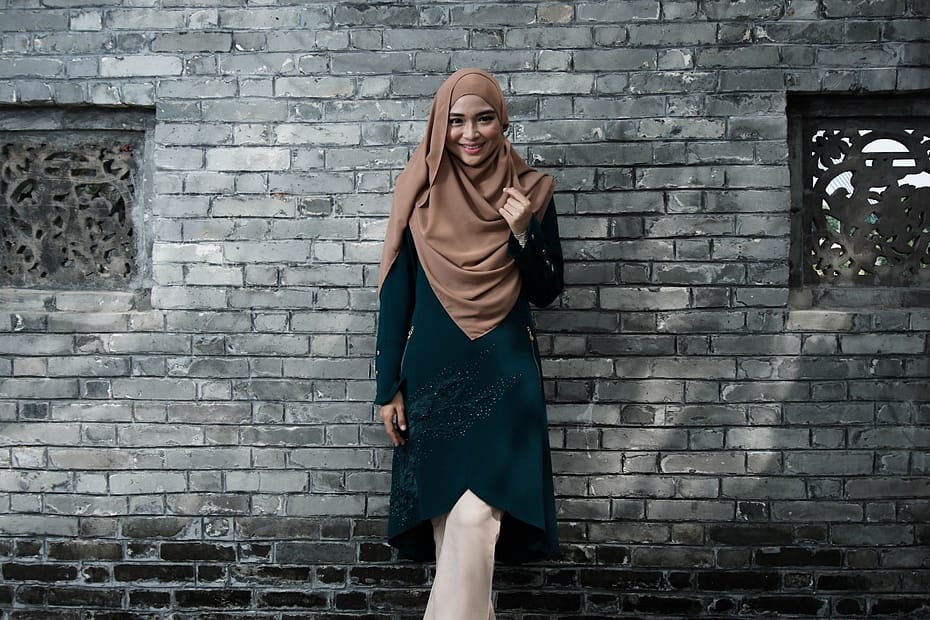
There’s a vital connection between modest dressing and comfort, especially when navigating the challenges of hot climates. As you explore the world of Muslim fashion, it’s necessary to consider how your clothing choices can keep you cool while adhering to your style and values. In this blog post, you’ll discover practical tips and breathable fabric recommendations that allow you to maintain modesty without sacrificing comfort in sweltering temperatures. Embrace your unique fashion sense while also respecting cultural and religious principles in everyday life
The Principles of Modest Fashion
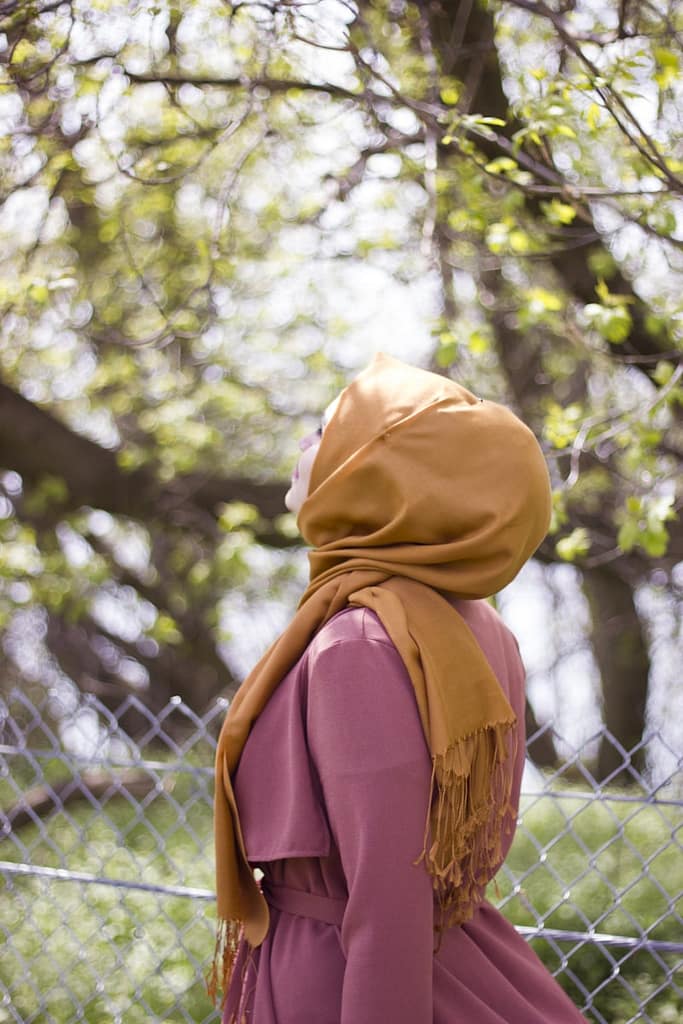
While modest fashion prioritizes the values of humility, self-respect, and dignity, it also allows for personal expression through clothing. You can adhere to these principles by choosing garments that cover the body adequately while still reflecting your unique style. This approach encourages you to embrace both comfort and elegance, particularly in hot climates, as you seek to balance cultural and personal aesthetics without compromising your values.
Cultural Variations in Muslim Dress
Behind the principles of modest fashion lies a rich tapestry of cultural expressions. Muslim dress varies significantly across regions, influenced by local traditions, climates, and personal interpretations of modesty. You may find that styles range from the flowing abayas of the Middle East to the colorful shalwar kameez of South Asia, showcasing how diverse cultures infuse their own identities into modest attire.
Significance of Modesty in Islam
Behind the concept of modesty in Islam lies a profound spiritual significance that extends beyond mere clothing choices. Modesty is viewed as a reflection of one’s inner character and consciousness of God. You are encouraged to dress in a way that not only fulfills religious obligations but also promotes self-respect and the dignity of yourself and others.
For instance, the practice of modest dressing is deeply rooted in the belief that personal attire should not draw undue attention or objectify the individual. By choosing to dress modestly, you contribute to a culture of respect and mindfulness, fostering an environment where your character and actions take precedence over your appearance. This emphasis on modesty serves to empower you to engage with the world confidently, knowing that your worth is not contingent on your outward presentation.
Challenges of Dressing Modestly in Hot Climates
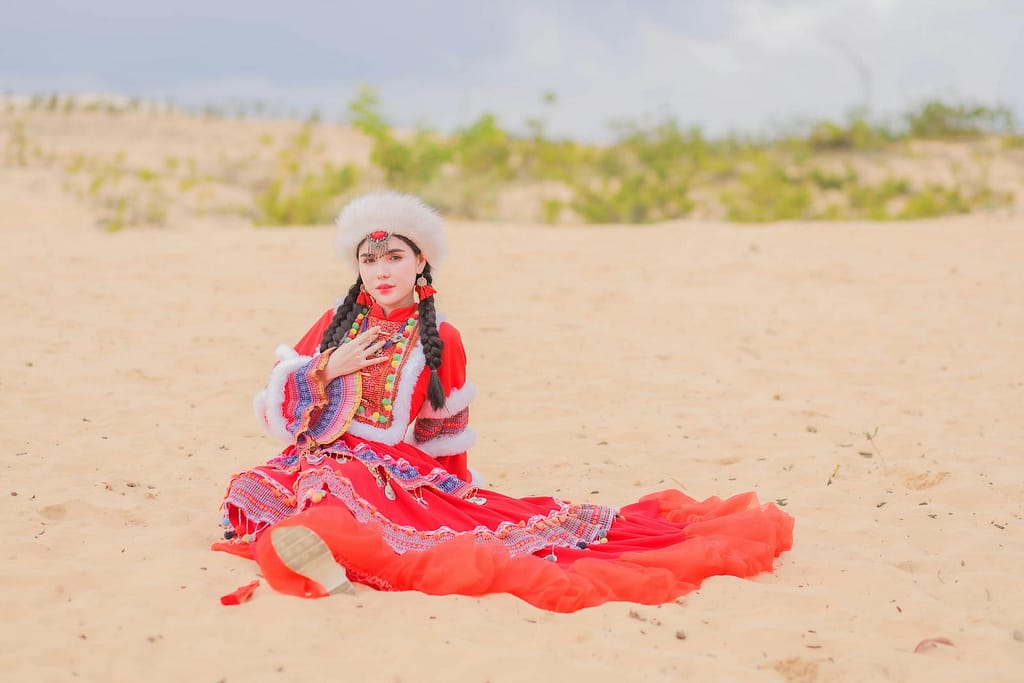
Clearly, dressing modestly in hot climates presents various challenges, from maintaining comfort to balancing personal style with cultural expectations. As temperatures soar, you may find it difficult to find suitable clothing that allows for airflow while still adhering to modesty. It becomes imperative to consider how to combine functionality with your personal fashion sense without compromising on your values or comfort during sweltering days.
Humidity and Temperature Considerations
Humidity can significantly impact your daily comfort when choosing modest attire. Here’s a breakdown of factors to consider:
Humidity and Temperature Factors
| High Humidity | Increases perspiration, leading to discomfort in heavier fabrics. |
| High Temperatures | Heat can cause fatigue; lightweight options are preferable. |
Practical Fabric Choices for Comfort
Challenges arise in selecting the right fabrics that provide both comfort and breathability in hot weather. Lightweight, natural fibers often offer the best options for keeping you cool while looking stylish. Dressing modestly in hot climates can is not a difficult thing to do if you know what materials make you comfortable.
But opting for fabrics like cotton, linen, or moisture-wicking materials can enhance your comfort significantly. These textiles allow your skin to breathe while absorbing sweat, ensuring you feel fresh throughout the day. Additionally, loose-fitting garments in lighter shades can help reflect sunlight, making it easier for you to stay comfortable while maintaining modesty in any environment.
Sustainable Fashion Choices
Assuming you prioritize eco-conscious choices in your wardrobe, adopting sustainable fashion practices can have a positive impact on both the environment and your personal style. By selecting garments that emphasize sustainability, you can contribute to a more responsible fashion industry while maintaining your modest aesthetic. Whether it’s choosing versatile pieces or supporting ethical brands, your fashion choices can reflect your values without compromising on style.
Eco-Friendly Materials
Among the various aspects of sustainable fashion, the choice of eco-friendly materials plays a significant role. Example for fabrics such as organic cotton, linen, and Tencel, which are not only breathable and comfortable in hot climates but also produced with less environmental impact. These materials ensure that your modest outfits remain stylish while promoting sustainability.
Ethical Manufacturing Practices
By supporting brands that practice ethical manufacturing, you ensure that your fashion choices align with your values. This involves choosing companies that prioritize fair labor practices, safe working conditions, and environmentally friendly production processes. By doing so, you contribute to a fashion industry that respects the rights of workers and the planet. Wear dressing modestly in hot climates is a good choice.
Fashion has a significant impact on global labor practices, and it is crucial to choose brands that advocate for ethical manufacturing. When you opt for companies that prioritize workers’ rights, fair wages, and safe working conditions, you contribute to a more equitable industry. Additionally, supporting local artisans and fair-trade initiatives not only boosts the economy but also reduces the environmental footprint associated with shipping and production. By making informed choices, you can wear your values proudly and inspire others to do the same.
Adapting Styles for Climate
Unlike traditional styles that may not consider climate variations, adapting your wardrobe is imperative for comfort. In hot climates, seek out lightweight, breathable fabrics that allow air circulation while maintaining a modest aesthetic. Incorporate long, loose-fitting garments that shield you from the sun while keeping you cool.
Aim for light colors that reflect sunlight rather than absorbing it, and consider incorporating layers that can be easily removed as temperatures rise throughout the day. Muslim clothing is sometimes avoided in hot climates because it will cause the body to sweat a lot. But by choosing the right materials, wearing Muslim clothes in hot climates is no longer a problem.
Layering Techniques
Against the common belief that layering is only suitable for colder climates, you can create chic and functional outfits suitable for heat. Opt for lightweight, sheer fabrics that can be layered without adding bulk. A long, light cardigan over a breathable tunic or dress can provide necessary coverage while allowing for airflow. Remember to choose pieces that are easy to remove as the temperature fluctuates throughout the day.
Breathable Designs and Trends
With the demand for modest fashion growing, many designers are embracing breathable materials and innovative trends suited for hot climates. Fabrics like cotton, linen, and moisture-wicking blends not only offer comfort but also elevate your style. Look for designs that incorporate features like ventilation, side slits, and open-weave textures. These elements allow for better airflow while maintaining your desired modesty, ensuring you stay cool and stylish in the heat.
Further enhancing your wardrobe with breathable designs can keep you comfortable without sacrificing style. Seek out brands dedicated to producing ethical and functional pieces that reflect your values while also catering to climate needs. Experiment with various cuts, colors, and patterns that not only suit your personal taste but also adapt to the environment. Embrace the blend of fashion and function, ensuring you feel great, no matter the temperature.
Influential Figures in Muslim Fashion
After exploring the diverse expressions of Muslim fashion, it is necessary to highlight the influential figures who have shaped this vibrant industry. Designers, bloggers, and activists have emerged as key voices, advocating for a harmonious blend of cultural identity and personal style. These pioneers inspire you to embrace modesty while encouraging creativity and self-expression in your wardrobe choices.
Designers Promoting Modesty
Any designer can make a significant impact on the perception of modest fashion. Many contemporary Muslim designers focus on creating stylish garments that cater to modesty without sacrificing elegance. These talented individuals recognize your desire for fashionable attire that aligns with your values, showcasing that modesty can be both chic and versatile.
Social Media’s Role in Modern Muslim Fashion
Figures in the digital space have transformed how you engage with Muslim fashion. Social media platforms foster a community where influencers share their interpretations of modest style, breaking barriers and promoting inclusivity.
Another trend emerging from social media is the direct interaction between designers and consumers, allowing you to give feedback and influence future collections. Influencers often showcase how to incorporate traditional elements into contemporary outfits, helping you discover new ways to express your identity. The ability to connect with like-minded individuals empowers you to explore diverse styling options, proving that modest fashion is a dynamic and evolving space that embraces all voices.
Future of Muslim Fashion in Relation to Climate
Despite the challenges posed by rising temperatures, the future of Muslim fashion looks promising as designers are increasingly aware of integrating climate considerations into their collections. You will begin to see innovations that prioritize breathable fabrics and sustainable practices, ensuring that you can maintain both your modesty and comfort in any climate. With a growing demand for environmentally conscious clothing, Muslim fashion is poised to evolve in exciting ways that align with global sustainability efforts.
Innovations and Adaptations
With the advent of new materials and techniques, fashion designers are exploring innovative ways to adapt traditional Muslim clothing for hot climates. You can look forward to lighter fabrics, moisture-wicking technologies, and stylish cuts that enhance ventilation. Sustainable practices, such as upcycling and ethical sourcing, will also become more mainstream, allowing you to embrace modest fashion while being environmentally responsible.
The Intersection of Tradition and Modernity
Among the most exciting developments in Muslim fashion is the blend of traditional elements with contemporary styles. This fusion allows you to honor your cultural heritage while also expressing your individuality. You will find that designers are reinterpreting classic garments and incorporating modern aesthetics, which results in unique pieces that resonate with today’s wearers.
Fashion is continuously evolving, and this intersection of tradition and modernity creates a rich tapestry for your style choices. You may find traditional silhouettes being crafted from modern, technologically advanced fabrics that offer both comfort and performance. As you explore new collections, appreciate the artistry that respects historical contexts while pushing the boundaries of design. This synthesis empowers you to embody your identity with confidence and flair in any setting.
Final Words
With this in mind, you can navigate the delicate balance of dressing modestly while staying comfortable in hot climates. Choosing lightweight, breathable fabrics that cater to your personal style will not only keep you cool but also allow you to express your identity authentically. By understanding the intersection of Muslim fashion and climate needs, you can make confident choices that honor tradition and adapt to the challenges of warmer weather, ensuring that your wardrobe remains both stylish and practical.