Table of Contents
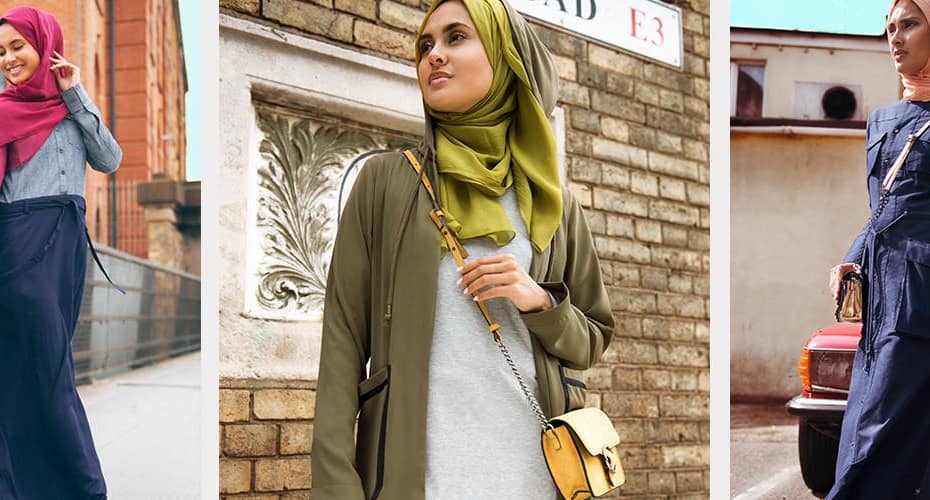
The market size for Islamic clothing reached an impressive USD 83.26 billion in 2023 and is projected to hit USD 129.73 billion by 2031, growing at a steady Compound Annual Growth Rate (CAGR) of 5.70%. Most of you might think Muslim fashion is all about tradition, but the reality is electric. You’re witnessing a cross-cultural collaborations that’s redefining style boundaries and pushing the envelope. With designers from diverse backgrounds collaborating, your wardrobe can reflect a vibrant mix of influences that speak to personal identity and global connection. This blog dives into how these collaborations are shaping trends you can’t afford to miss, transforming the way you think about Muslim fashion in today’s world.
The Fusion of Tradition and Innovation in Muslim Fashion
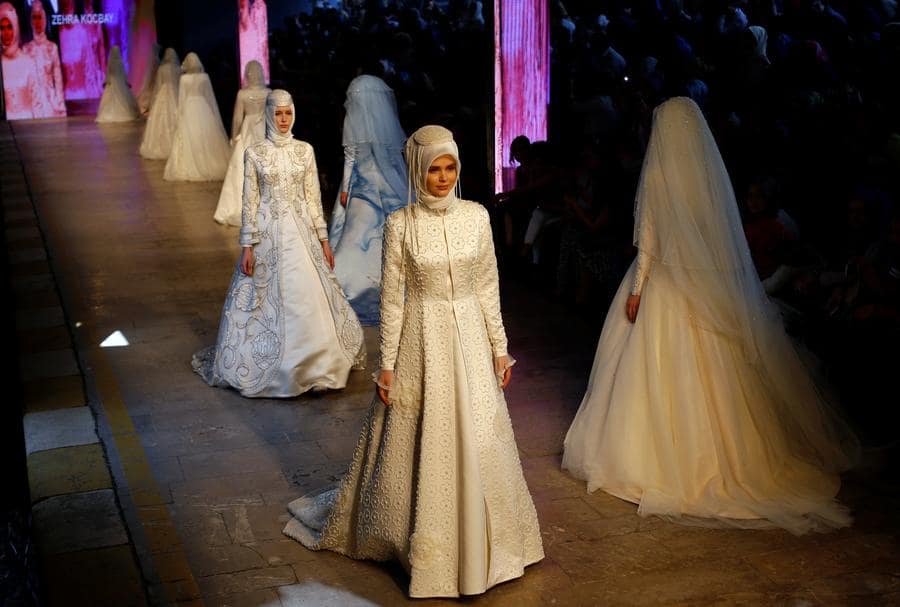
Muslim fashion is evolving, seamlessly blending traditional aesthetics with cutting-edge innovation to create a vibrant tapestry of style. Designers are not just preserving cultural heritage; they are reinterpreting it for a modern audience. This fusion allows you to experience fashion that respects its roots while addressing contemporary needs and desires, making every piece a conversation starter and a cultural statement.
- Traditional Aesthetics: A Cross-Cultural Collaborations Foundation
Each piece of Muslim fashion carries the weight of cultural significance, weaving together history and identity. Traditional garments like the hijab, abaya, and kaftan aren’t merely clothing; they represent centuries of artistry and societal values. You can see the influence of various cultures, from intricate embroidery to vibrant textile patterns, illustrating a rich narrative that connects generations.
The foundation of cross-cultural collaborations in Muslim fashion highlights unity through diversity by fusing traditions from different cultures into creative styles. It produces distinctive Muslim garments that embody tradition and contemporary influences by combining fabrics, patterns, and design philosophies. This foundation not only honors modesty but also showcases global creativity, enhancing the inclusivity and appeal of Muslim fashion worldwide. By engaging in such partnerships, designers create connections across cultures and cultivate mutual respect, all while influencing trends that appeal to a variety of communities in modern fashion.
- Innovative Designs: Bridging Heritage and Modernity
Innovative designers are harnessing technology and creativity to give traditional garments a fresh twist. You’ll see modern silhouettes, sustainable fabrics, and even smart textiles that transform the way these garments are worn, allowing for greater versatility and comfort. This evolution showcases a daring approach to design while staying true to spiritual and cultural principles.
Cutting-edge designs encourage you to think outside the box. For instance, brands like Huda Beauty and Annah Hariri are experimenting with 3D printing and eco-friendly materials, solidifying a commitment to sustainability while maintaining elegance. Fashion shows now feature diverse models wearing contemporary reinterpretations of classic attire, showcasing how these innovative designs resonate on global runways. You’re witnessing a cultural renaissance, where the future of Muslim fashion lies in its ability to embrace both heritage and modernity, ensuring that every generation feels represented and empowered.
Navigating the Global Marketplace: Opportunities and Challenges

Embracing the global marketplace opens doors to countless opportunities and challenges for Muslim fashion brands. As the industry continues to evolve, understanding cultural nuances and market dynamics has become imperative for driving successful strategies. Your ability to adapt and innovate will determine how well you thrive in various regions while facing competition from established players. Developing a keen insight into local trends and preferences allows you to capitalize on demand effectively.
- Expanding Online Retail Platforms
The boom in online shopping has transformed how Muslim fashion brands connect with global consumers. Digital platforms enable you to reach audiences beyond geographic boundaries, allowing direct access to niche markets. Successful brands leverage social media marketing and e-commerce websites to showcase their collections, thus expanding brand visibility and sales opportunities in major markets.
- Adapting to Diverse Consumer Needs
Muslim fashion is not monolithic; it encompasses a wide variety of cultural expressions and consumer preferences. Acknowledging the distinct needs of diverse demographics enables you to tailor your offerings effectively. Attention to regional styles, fabric preferences, and price sensitivity enhances your ability to resonate with consumers, fostering stronger brand loyalty and engagement.
Successful brands like Aab and Haute Elan have mastered the art of adaptation by incorporating regional motifs, understanding local fashion cycles, and creating collections that reflect modern trends while respecting cultural heritage. For instance, offering modest swimwear that caters to varying body types or creating abayas that incorporate contemporary styles allows you to meet the demands of consumers across different cultures. This localization strategy not only deepens customer connection but positions your brand as a go-to choice in a highly competitive marketplace.
Design Collaborations: Cultural Exchange at Work
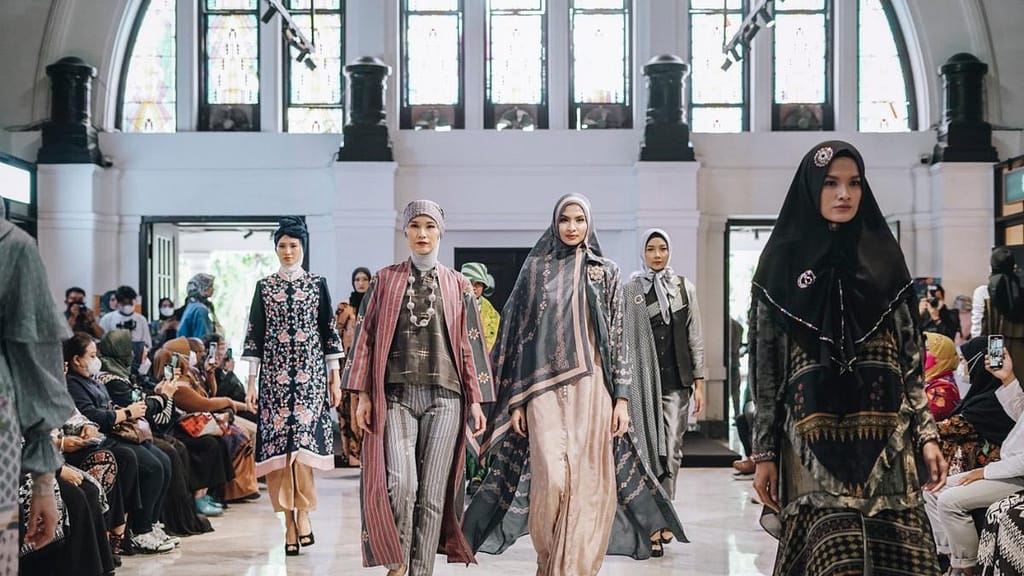
Design collaborations blur the lines between tradition and modernity, showcasing the power of cultural exchange. When international designers join forces with local artists, the result is a fusion of styles that reflects diverse heritage, pushing the boundaries of Muslim fashion. These partnerships encourage innovation while respecting age-old craftsmanship, leading to unique collections that resonate globally. The blending of narratives, motifs, and techniques opens a window to new markets, creating a dynamic conversation within the fashion industry.
- International Designers Partnering with Local Artisans
Global designers are increasingly recognizing the value of local craftsmanship, resulting in dynamic partnerships that elevate both creativity and cultural appreciation. You see collaborations that not only enrich the final product but also provide artisans with exposure and fair compensation, bridging the gap between high fashion and traditional techniques. This synergy cultivates authentic storytelling, allowing fashion enthusiasts worldwide to experience the rich tapestry of various cultures.
- The Role of Influencers in Shaping Trends
Influencers wield significant power in shaping Muslim fashion trends, often acting as the vital link between designers and consumers. As trendsetters, they amplify collection launches while introducing their followers to new cultural narratives. By featuring diverse brands on social media platforms, influencers showcase how traditional garments can be styled to fit contemporary lifestyles. With millions of followers, their endorsements create a ripple effect, accelerating acceptance and broadening the appeal of innovative designs.
By curating content that highlights unique fusion pieces, influencers make Muslim fashion accessible and desirable. Daily posts featuring modest yet stylish outfits draw attention, ensuring that your audience sees the transformation of traditional attire into mainstream fashion. Collaborations with brands result in capsule collections that reflect personal styles while respecting cultural roots, further engaging your community, like what happened in Indonesia Muslim fashion business. The power of influencers extends beyond mere promotion; they create dialogue, foster inclusivity, and redefine what Muslim fashion means in a global context, making it relevant to your life and aspirations.
Ethical Fashion and Sustainability Movements in Muslim Communities
Your choice of fashion can spark positive change within Muslim communities. The drive toward ethical fashion emphasizes values rooted in culture and faith, pushing for sustainable practices that align with Islamic teachings. This movement not only elevates the voices of local artisans but also encourages a global awareness around responsible consumerism, redefining what it means to be stylish and conscious at the same time.
- The Call for Conscious Consumption
You’re witnessing a shift where consumers prioritize ethical choices over fast fashion. This paradigm encourages mindfulness about sourcing, labor practices, and environmental impact. Engaging with brands that align with your values fosters community support and drives demand for transparency in production. It’s a movement that combines faith with fashion, urging you to be deliberate in your purchasing decisions.
- Innovations in Sustainable Fabrics and Production
Innovations in sustainable practices are transforming the fashion landscape in Muslim communities. You’ll find a surge in the use of eco-friendly fabrics like organic cotton, hemp, and bamboo, which are not just planet-friendly but also comfortable and durable. As designers embrace new technologies, techniques such as waterless dyeing and closed-loop production systems are emerging, minimizing waste and maximizing resource efficiency.
Brands are pushing the envelope by integrating innovative materials that offer both style and sustainability. Companies like Aday and Reformation are leading the way by producing chic, modest clothing using recycled polyester and other sustainable fabrics. Muslim designers are also experimenting with biodegradable textiles and non-toxic dyes, creating a vibrant intersection between tradition and modern eco-consciousness. One striking example is the collaboration between artisans from Indonesia and Turkish brands that resulted in elegant garments crafted from upcycled textiles, proving that sustainable fashion can be both ethical and fashionable.
The Future of Muslim Fashion: Predictions and Possibilities
The landscape of Muslim fashion is rapidly evolving, with trends leaning towards sustainability and inclusivity. As designers experiment with innovative materials and styles, you can anticipate a fusion of traditional elements with contemporary aesthetics. The demand for functional yet stylish pieces will likely drive the introduction of tech-infused clothing, enhancing your comfort and convenience while maintaining modesty. Expect more collaborations between established brands and emerging Muslim designers, pushing boundaries and challenging norms in the fashion industry.
- Growing Acceptance of Modest Fashion Worldwide
The global acceptance of modest fashion is surging, reshaping how you perceive style. Major retailers are now embracing modest lines, reflecting a broader cultural shift towards inclusivity. High-profile influencers and fashion icons are leading the charge, showcasing how chic and sophisticated modest wear can be. This acceptance isn’t just a trend; it demonstrates a growing acknowledgment of diverse identities within the fashion sphere, making modest fashion more accessible and aspirational.
- The Impact of Global Events on Fashion Trends
Global events significantly shape fashion narratives, acting as catalysts for change. Political movements, social justice initiatives, or even global crises resonate through the fashion industry, influencing your wardrobe choices. You’ve seen how events like the pandemic have accelerated online shopping trends and a shift towards more casual yet stylish designs. This interconnectedness of the world means that your fashion choices are increasingly informed by collective experiences and cultural dialogues.
In the wake of events like the pandemic and social justice movements, fashion has adapted dramatically. Brands have pivoted to reflect the values of sustainability and ethical consumption, as consumers, including you, increasingly prioritize brands that stand for social responsibility. This aligns with a rise in DIY culture, where personal expression through fashion has taken on new meaning. Events that spark dialogue and activism often lead designers to create lines that encapsulate these sentiments, allowing you to wear your beliefs proudly and stylishly.
Summing up
With these considerations, you can see that cross-cultural collaborations are not just influencing global Muslim fashion trends—they’re revolutionizing them. You have the power to tap into diverse perspectives and styles, allowing your brand to resonate with a wider audience. Embrace the richness of cultural exchanges and position yourself as a leader in this vibrant market. The future is bright, and your role in shaping it can be transformative. Get out there and create connections that elevate your fashion game to the next level.