Table of Contents
It’s time for you to probe how artificial intelligence is revolutionizing modest fashion. The global artificial intelligence market size was estimated at USD 371.71 billion in 2025 and is projected to reach USD 2,407.02 billion by 2032, growing at a CAGR of 30.6% from 2025 to 2032. As trends evolve and technology progresses, AI is becoming your secret weapon for personalizing style choices, enhancing creativity, and revolutionizing shopping experiences. You’ll discover how these advancements can empower you to express your individuality while staying true to your values. The future of modest fashion is here, and it’s driven by innovation—let’s explore how you can be a part of this exciting change!
The Intersection of AI and Fashion Design
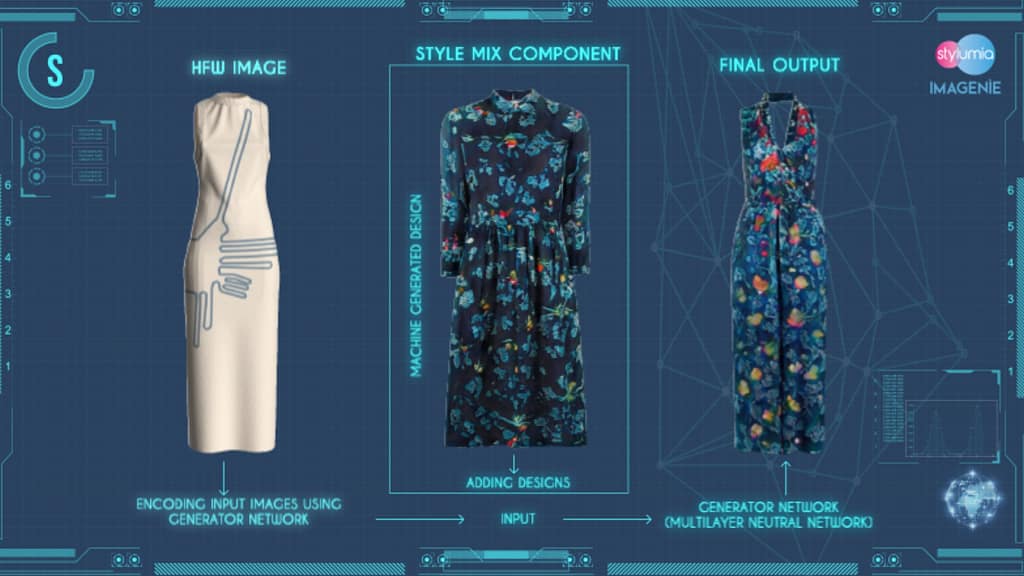
AI is transforming the fashion design landscape by employing advanced algorithms to analyze patterns, consumer behaviors, and style trends. By leveraging machine learning, designers can create collections that resonate with current market demands while minimizing waste. Technology platforms allow for rapid prototyping and visualization, enabling you to bring innovative ideas to life with unprecedented efficiency. This intersection of creativity and technology not only enhances design processes but also redefines how you engage with fashion on a global scale.
- The Role of Data in Trend Forecasting
Data is the backbone of trend forecasting in fashion, offering insights derived from consumer preferences and market patterns. Analyzing past sales data, social media activity, and even climate changes helps predict what styles will dominate future seasons. You can make informed design decisions, ensuring that your collections align with what consumers are actively seeking. Companies that use data-driven strategies report higher accuracy in predicting trends, streamlining inventory management, and ultimately boosting sales.
- Personalized Design: Artificial intelligence of Tailoring for Individual Needs
Personalization is at the forefront of consumer demand, and AI is facilitating tailored designs that cater to individual preferences. By leveraging user data, including past purchases and browsing habits, AI can suggest styles that are most likely to resonate with you. This technology creates a bespoke experience, aligning your tastes with available designs, allowing you to express your unique style without compromise.
Imagine having a digital assistant that understands your preferences, body shape, and even your lifestyle. AI can analyze thousands of patterns and styles to recommend outfits tailored specifically to you, transforming the often overwhelming shopping experience into something seamless and enjoyable. Brands are leveraging this capability to offer customizable options, from colors to fabric types, ensuring that what you wear truly reflects who you are. With AI, your fashion choices become not just about trends, but about celebrating your individual story.
Enhancing Sustainability in Modest Fashion
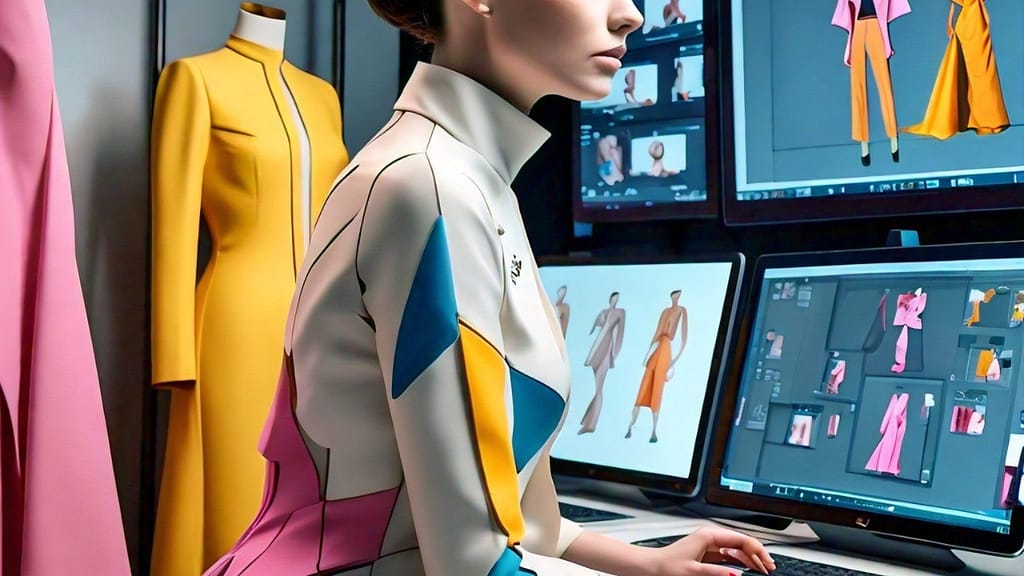
AI is not just about style; it’s a game changer for sustainability in modest fashion. By integrating advanced analytics into production processes, you can significantly reduce your carbon footprint and align with eco-conscious consumers. Brands are beginning to leverage AI to optimize supply chains and forecast demand, ultimately creating a more responsible fashion ecosystem. This shift towards sustainability can elevate your brand image while attracting ethically-minded shoppers.
- Eco-Friendly Materials and AI-Driven Innovations
The rise of eco-friendly materials is being accelerated by AI innovations, enabling you to explore sustainable fabrics that meet both aesthetic and ethical standards. Blockchain technology, powered by AI, ensures transparency in sourcing, helping you verify the origins of organic cotton or recycled polyester. This transparency can be a strong selling point, as you cater to the increasing demand for responsible fashion choices.
- Reducing Waste Through Predictive Analytics
Predictive analytics is your tool for minimizing waste, allowing producers to anticipate trends and adjust their inventory accordingly. By analyzing historical sales data, AI can help you forecast which designs will resonate, reducing overproduction and the associated waste. This strategic approach empowers you to make smarter decisions while keeping your brand sustainable and profitable.
Using predictive analytics, you can pinpoint sales trends with impressive accuracy. For instance, AI-powered tools can analyze social media engagement and customer feedback to forecast demand for specific styles or colors. Brands like Zara have successfully implemented these strategies, showcasing how data-driven decisions can lead to a reduction in unsold stock. By investing in such technologies, you’re not just minimizing waste; you’re paving the way for a truly sustainable fashion model. With every informed decision, you not only enhance your brand’s reputation but also contribute positively to the planet’s future.
Bridging Cultural Gaps with artificial intellifence-Enabled Tools

AI-enabled tools are paving the way for a more inclusive fashion industry, allowing designers to connect with various cultural aesthetics seamlessly. With machine learning algorithms analyzing cultural trends and consumer preferences, you gain insights that were previously unreachable. This tech-driven approach cultivates an environment where global modest fashion can thrive, creating collections that genuinely resonate with diverse markets. By harnessing AI, brands can effectively break down cultural barriers, catering to unique tastes while promoting acceptance and understanding across borders.
- Customization for Diverse Markets
Customization is key in meeting the diverse tastes of modest fashion consumers. AI technologies help you create tailored experiences, enabling brands to offer personalized recommendations based on individual cultural backgrounds and preferences. With access to localized data, AI systems can refine designs to suit specific rituals, celebrations, or modesty norms, making each collection feel relevant and authentic. Ultimately, this tailored approach not only satisfies consumers but builds loyalty and a deeper connection to brands.
- AI as a Cultural Interpreter in Fashion Choices
AI acts as a bridge, interpreting diverse cultural nuances in fashion. By analyzing social media interactions and cultural narratives, AI tools can decipher trends and styles that reflect your personal and community identities. Insights from these analyses guide brands in crafting designs that honor various cultures while ensuring your voice is heard. This technology transforms how fashion adapts to cultural diversity, facilitating a dialogue between consumer aspirations and designer interpretations.
AI’s role as a cultural interpreter involves analyzing vast amounts of data from different regions and demographics. By understanding and contextualizing cultural symbols, fashion brands can create meaningful pieces that resonate with you. For instance, a brand might discover that certain colors or fabrics symbolize celebration in one culture but signify modesty in another. This knowledge allows for designs that respect traditions while providing contemporary aesthetics, ensuring that what you wear feels authentic and truly reflective of your heritage. The result? A fashion landscape that respects and honors diversity like never before.
The Future of Retail: AI’s Influence on Shopping Experience
As technology evolves, so does your shopping experience. AI is redefining how you discover, explore, and purchase fashion that aligns with your values and style. From personalized interfaces to smart inventory management, retail is becoming an arena where customer engagement is driven by data-informed decisions. You’re not just a passive consumer; with AI, the entire retail landscape is designed to anticipate your needs and preferences.
- Virtual Dressing Rooms and Augmented Reality
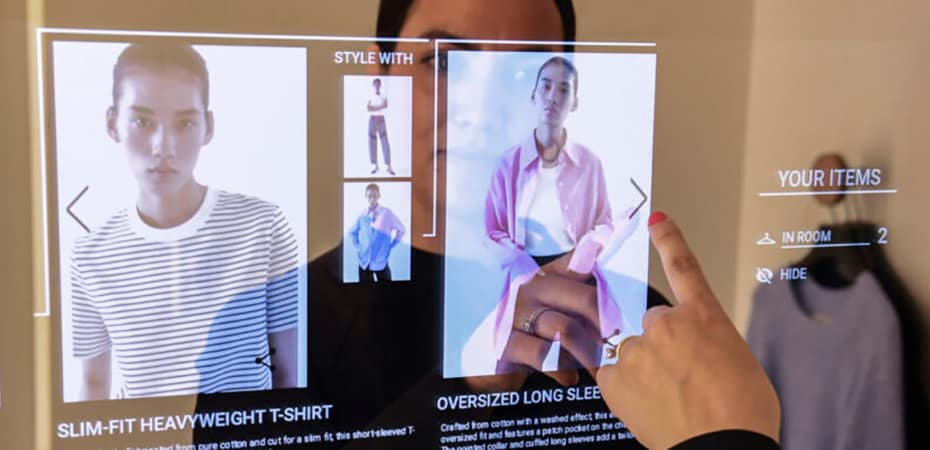
Virtual dressing rooms and augmented reality (AR) are redefining your try-on experience. Picture slipping on a dress from your couch, seeing how it fits, and even trying out different colors and styles without the hassle of returns. Brands are integrating AR tech to help you visualize outfits in real-time, making decisions quicker and enhancing your overall shopping journey.
- AI-Powered Recommendations and Consumer Behavior
AI-powered recommendations use data analytics to tailor suggestions based on your past behavior. When you browse an online store, a sophisticated algorithm analyzes your choices and preferences, presenting options that resonate with your unique taste. This not only streamlines the shopping process but also maximizes your likelihood of finding pieces you’ll love.
Harnessing vast amounts of consumer data, AI learns from your interactions and predicts future preferences, significantly enhancing user experience. For instance, platforms like Stitch Fix employ AI to curate clothing boxes based on previous purchases and likes, resulting in a personalized selection that feels almost effortless. Studies show that tailored recommendations can increase conversion rates by over 30%, proving that AI is not just a trend—it’s reshaping how you engage with fashion in meaningful ways. Your journey through retail will become increasingly intuitive, guiding you effortlessly toward your next favorite outfit.
Ethical Considerations in AI and Modest Fashion
As you navigate the complexities of AI in modest fashion, ethical considerations come to the forefront. The intersection of technology and cultural sensitivities requires a delicate balance. Brands must ensure that their algorithm-driven strategies respect modesty norms while providing personalized experiences. Transparency in AI processes, along with ethical sourcing of data, plays a vital role in earning consumer trust. You have to recognize that ethics in fashion is not just a side note; it’s a foundation for sustainable growth and community acceptance.
- Addressing Bias in Algorithms
Bias in algorithms can lead to significant disparities in fashion representation. If AI systems are trained on non-diverse datasets, they may overlook the unique preferences of modest fashion consumers. Innovations must focus on incorporating diverse inputs to generate inclusive designs and recommendations that resonate across various cultures and beliefs. You’ll want to ensure that your technology is inclusive, reflecting the rich tapestry of modest fashion enthusiasts worldwide.
- The Impact of Automation on Employment in the Fashion Industry
Automation through AI brings both opportunities and challenges for employment in the fashion sector. As brands adopt advanced technologies, the nature of jobs will inevitably change. While some traditional roles may face reduction, entirely new fields will emerge, focusing on tech-centric skills. Upskilling and reskilling initiatives will be imperative for workers to transition into these roles, ensuring that you can remain resilient in a transforming industry.
The shift towards automation in the fashion industry has already begun to redefine job roles. For instance, AI-powered production lines can maximize efficiency, reducing overhead costs and speeding up manufacturing processes. However, this efficiency might come at the cost of traditional craftsmanship jobs. While automation streamlines tasks such as pattern-making or inventory management, it also creates demand for tech-savvy professionals capable of managing and optimizing these systems. The key lies in embracing education and adaptability, helping you to survive and thrive amidst these changes.
Final Words
With these considerations, it’s clear that artificial intelligence has the potential to revolutionize modest fashion, giving you access to personalized styles that resonate with your values and lifestyle. Embrace the evolution and let AI help you discover new trends that align with your unique identity. The future of fashion isn’t just about clothing; it’s about creating a movement that empowers you to express yourself authentically, one outfit at a time. Dive in, adapt, and make your mark in this exciting space where technology meets personal expression.