
Table of Contents
As more people realize how important sustainable design is, it’s important to know what the future holds for this expanding movement as you navigate the world of eco-friendly Muslim fashion. You have the ability to combine sustainability with modesty while making decisions that are consistent with your principles. You can rethink what it means to wear modestly and be environmentally conscious by embracing cutting-edge materials and moral business practices. Get involved and learn how you can spearhead the movement in Muslim fashion toward a more fashionable and environmentally friendly future!
The Eco-Conscious Consumer: Shifting Demographics
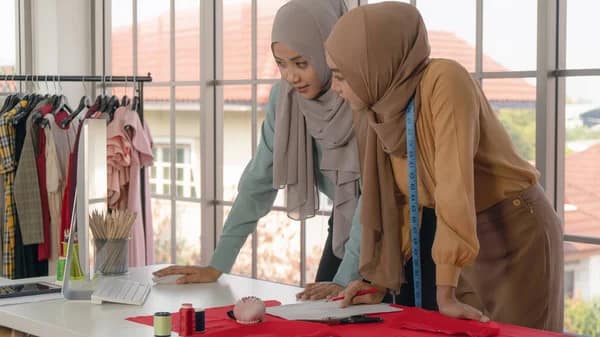
As awareness of environmental issues rises, the eco-conscious Muslim consumer is evolving. Young women, especially millennials and Gen Z, are leading this charge, prioritizing sustainability without compromising on style. They seek brands that align with their values, trading fast fashion for ethical choices that reflect their commitment to the planet. This generational shift creates a demand for innovative, eco-friendly designs that cater to their specific needs while respecting traditional concepts of modesty.
- Emerging Trends in Sustainable Shopping Among Muslim Women
Muslim women are redefining their shopping habits, gravitating towards brands that emphasize ethical practices and sustainable materials. They’re increasingly interested in capsule wardrobes that promote longevity over quantity, featuring versatile pieces that can transition seamlessly across seasons. The rise of rental services and thrift culture demonstrates a collective effort to reduce waste, allowing you to express your individuality while making environmentally responsible choices.
- The Role of Cultural Identity in Fashion Choices
Cultural identity significantly influences how you approach fashion, especially within the Muslim community. Fashion becomes a canvas for expressing your background and beliefs, often blending contemporary trends with traditional elements. By prioritizing modesty and sustainability, you choose styles that resonate with your cultural heritage while advocating for environmental stewardship.
You often find that cultural identity shapes not only the aesthetics of your wardrobe but also the brands you support. For instance, many are drawn to collections that incorporate traditional textiles or motifs, merging modern sustainability with historical significance. This practice fosters a connection to your roots, while simultaneously encouraging brands to adopt more eco-friendly practices, promoting a fashion narrative that respects both heritage and nature. Your choices echo a larger movement towards sustainability, proving that style, identity, and responsibility can coexist harmoniously.
Fashion Innovations: Pioneering Ethical Practices
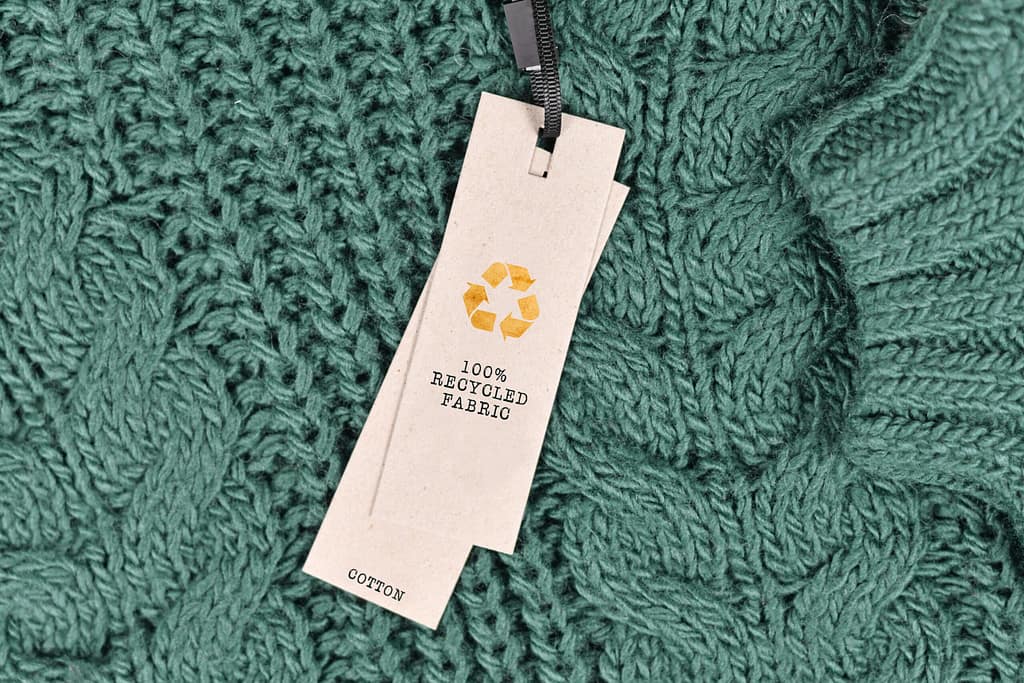
Sustainable fashion isn’t just a trend; it’s a movement slamming the doors on traditional practices and kicking open windows to the future. Innovators are leveraging tech to create eco-friendly alternatives that align with ethical values and high fashion. Brands are partnering with local artisans, utilizing blockchain for transparency and sourcing responsibly. Look for pioneering designers integrating community-driven models, proving that ethical fashion can be both stylish and impactful.
- Sustainable Materials: The Fabric of the Future
Your wardrobe can thrive on sustainable materials like organic cotton, Tencel, and bamboo, which drastically reduce water consumption and chemical use during production. These fabrics not only lessen your environmental footprint but also offer a luxurious touch against your skin. Brands are continuously exploring innovative options like lab-grown leather and recycled polyester, pushing the limits of what sustainable fashion can achieve without compromising style and comfort.
- Upcycling and Zero-Waste Techniques in Muslim Apparel
Upcycling and zero-waste techniques challenge the fast fashion model, promoting a culture where waste is minimized and creativity flourishes. By transforming discarded materials into chic Muslim apparel, you embrace unique pieces that tell a story while preserving the planet. Brands are experimenting with patterns that maximize fabric use, effectively reducing wastage and creating one-of-a-kind designs.
Upcycling isn’t just a clickbait; it’s a transformative approach reshaping Muslim fashion. By repurposing fabrics and garments, you contribute to a sustainable cycle, helping to minimize landfill waste while sporting styles that stand out. Consider brands offering curated collections created from surplus materials, featuring garments that blend tradition with innovation. You foster a sense of individuality and responsibility by choosing these unique pieces over mass-produced ones. Dive into this movement with designers launching campaigns that encourage customers to pass on their gently used items, weaving community into sustainable practice.
Traditional Meets Modern: Bridging Heritage with Sustainability

Embracing sustainability in Muslim fashion means honoring your roots while innovating for the future. Designers are now blending traditional fabrics and techniques with modern silhouettes, creating pieces that reflect both cultural identity and environmental consciousness. This approach not only revives the artisanal craftsmanship of your ancestors but also caters to contemporary aesthetics, allowing you to express modesty without compromising on style. Think of styles that seamlessly integrate handwoven materials with minimalist designs, proving that heritage and sustainability can coexist beautifully.
- Reviving Ancestral Techniques in a Contemporary Context
Incorporating ancestral techniques into modern design not only offers unique aesthetics but also promotes eco-friendly practices. Fashion brands are rediscovering time-honored skills like hand-dyeing and weaving, which reduce reliance on mass production and chemical processes. By using natural dyes and organic materials, your wardrobe can become a canvas showcasing rich cultural narratives, while supporting sustainable artisans who keep these traditions alive. This fusion ensures that you wear not just fabric but a story that honors heritage.
- Cultural Appropriation vs. Cultural Appreciation in Eco-Fashion
Understanding the fine line between cultural appropriation and cultural appreciation is important in the eco-fashion space. Appropriation occurs when elements of one culture are used by another in ways that are disrespectful or exploitative, often without acknowledgment or context. In contrast, appreciation involves honoring and respecting the cultural significance of designs and practices, ensuring that the original creators are recognized and benefited from their contributions.
Navigating the spectrum of cultural appropriation and appreciation is vital in fashion, especially when eco-friendly brands draw inspiration from diverse cultures. You can appreciate traditional designs by collaborating with artisans or sourcing ethically, ensuring that creators are compensated fairly. For example, the rise of brands partnering with indigenous communities to create sustainable collections highlights a respectful approach to borrowing cultural elements. Engaging in meaningful dialogue with communities not only enhances your understanding but also fosters respect and authenticity in your fashion choices.
Influencers and Industry Leaders: Shaping the Narrative

Influencers and industry leaders play a pivotal role in redefining eco-friendly Muslim fashion. They leverage their platforms to promote sustainable brands, advocate for ethical practices, and inspire their followers to make mindful choices. By showcasing eco-friendly styles that blend tradition with modern trends, they not only elevate sustainable fashion but also build a community that values responsibility and creativity in their wardrobe choices.
- Eco-Friendly Muslim Fashion Forward
Key players in eco-friendly Muslim fashion include visionary designers like Hana Tajima and brands like MODANISA that prioritize sustainability. These pioneers integrate ethical sourcing and eco-friendly materials into their collections, motivating a new wave of consumers to embrace sustainable styles. Collaborations with prominent influencers amplify their message, bringing attention to the importance of sustainability in a contemporary context.
- The Impact of Social Media on Sustainable Fashion Movements
Social media has revolutionized how sustainable fashion is perceived and consumed. Platforms like Instagram and TikTok allow influencers and designers to reach global audiences, showcasing eco-conscious collections in visually appealing ways. You can find countless hashtags dedicated to sustainable practices, making it easier to join the movement. Through user-generated content and brand partnerships, followers are inspired to adopt eco-friendly choices, fostering a stronger commitment to environmental awareness.
With millions of users sharing their sustainable fashion journeys, social media accelerates the visibility of innovative eco-friendly practices. Campaigns lead by popular figures can spark widespread interest, with viral posts creating trends that promote ethical brands. Data shows that brands with strong social media presence enjoy increased sales and loyal customer bases. As followers engage with the content, they become brand advocates, creating a ripple effect that drives greater adoption of sustainable fashion choices across diverse communities.
The Policy Perspective: Balancing Profitability with Ethics
As eco-friendly Muslim fashion continues to gain traction, brands face the challenge of aligning profitability with ethical practices. Navigating this landscape requires a commitment to sustainability while ensuring financial viability. Consumers increasingly demand transparency in sourcing and production methods, pushing companies to reevaluate their business models. By integrating ethical strategies, you not only foster consumer loyalty but also position your brand as a leader in the sustainable fashion movement.
- Regulations and Standards for Sustainable Fashion Brands
Compliance with regulations and establishing clear standards are vital for sustainable fashion brands. Governments are implementing stricter guidelines on textile waste and carbon emissions, influencing manufacturers to adopt greener practices. Brands that adhere to these regulations not only avoid penalties but also improve their market reputation. By obtaining certifications like GOTS or Fair Trade, you can signal responsibility to eco-conscious consumers, enhancing your brand value in a saturated market.
- The Economic Case for Investing in Green Fashion Solutions
Investing in green fashion solutions offers a compelling economic advantage. Sustainable practices can significantly reduce operational costs through energy efficiency, waste reduction, and resource conservation. Studies show that companies embracing sustainability see up to 25% decrease in operational costs over time. Additionally, consumers are willing to pay up to 20% more for eco-friendly products, making it clear that aligning your offerings with sustainability can boost your bottom line.
Brands that recognize the economic benefits of green fashion are leading the charge toward a more sustainable future. The global sustainable fashion market was valued at approximately $6.5 billion in 2024 and is projected to grow significantly, driven by conscious consumerism. By transitioning to sustainable practices, you position your brand to tap into this expanding market, potentially increasing your revenue and attracting a loyal customer base dedicated to ethical consumption. The balance of profitability and ethics not only fosters brand loyalty but also creates a lasting impact in the industry.
Conclusion
Considering all points, you have the power to drive the future of eco-friendly Muslim fashion. Embrace sustainable choices that reflect your values and style, pushing for innovation while supporting ethical brands. It’s about more than just clothes; it’s a statement of who you are. Dive into this movement with passion, engage with your community, and challenge the status quo. Your actions today shape tomorrow’s trends, so make them count. Own your impact, and let your wardrobe be a canvas for sustainability!