Table of Contents
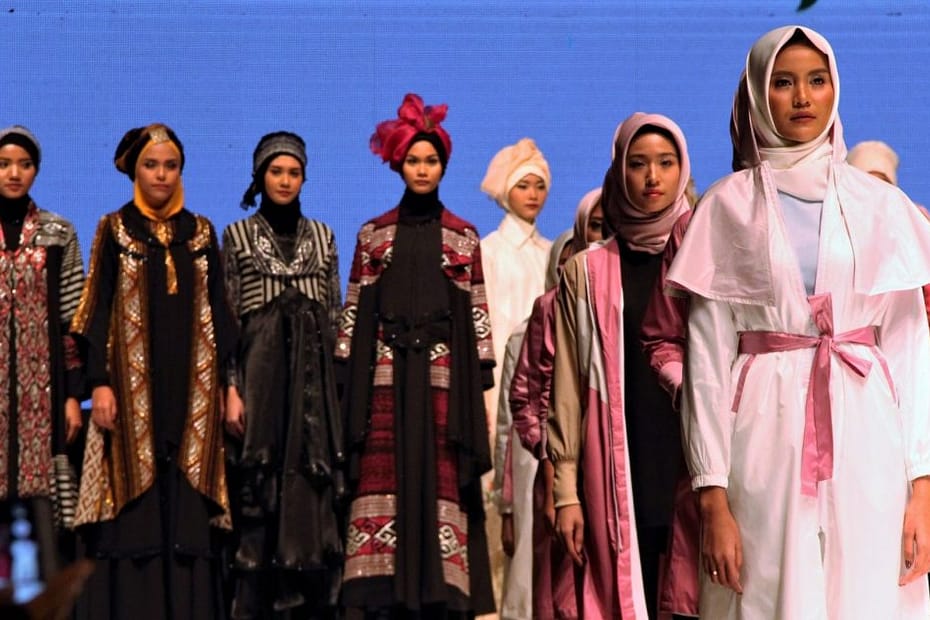
As top Muslim fashion houses gain global prominence, leading designers are utilizing creative business tactics to attract a varied audience. In order to satisfy the changing preferences of their clientele, they combine traditional aesthetics with modern trends. These fashion brands are successfully broadening their reach through the use of influencer partnerships and social media marketing. Moreover, she stresses the need for cultural sensitivity in their designs, alongside keeping prices competitive and using high-quality materials. This blog entry examines their navigation of the complex dynamics of the fashion industry to attain extraordinary success.
Cultural Roots Driving Fashion Choices
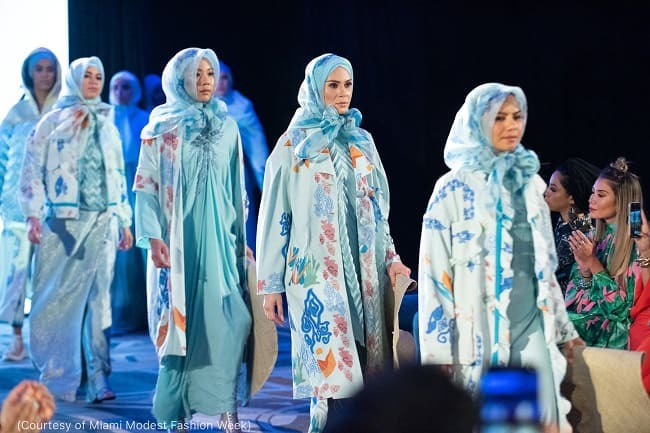
The influence of cultural roots on fashion choices within Muslim communities manifests in diverse styles that reflect both heritage and contemporary tastes. Designers draw inspiration from traditional attire, integrating motifs, colors, and textiles that resonate deeply with their cultural backgrounds. This approach not only celebrates individuality but also fosters a sense of belonging and identity among consumers looking for fashion that honors their traditions while meeting modern expectations.
- The Intersection of Tradition and Modernity
At the convergence of tradition and modernity, Muslim fashion houses navigate the delicate balance between honoring cultural heritage and appealing to contemporary consumers. Designers incorporate contemporary silhouettes, innovative fabrics, and vibrant palettes alongside classic designs, creating collections that are both timeless and relevant. This fusion not only attracts a broader audience but also encourages dialogue about the evolving nature of cultural expression in fashion.
- How Heritage Shapes Design Aesthetics
Heritage plays a pivotal role in shaping the design aesthetics of Muslim fashion, infusing collections with rich narratives and symbolisms that reflect cultural values. Patterns from historical textiles, traditional embroidery techniques, and color palettes inspired by local landscapes contribute to a unique visual language. By celebrating these elements, designers can create a strong emotional connection with their audience, as consumers often gravitate toward products that tell a story and carry personal significance.
The vibrancy of heritage is evident in the work of designers such as Zareen Khan, who expertly weaves the intricate designs of South Asian textiles into contemporary silhouettes. Similarly, the Middle Eastern brand Diyanah utilizes classical Arabic patterns to enhance modern cuts. These thoughtfully curated collections evoke nostalgia while appealing to younger generations craving stylish yet respectful attire. By infusing traditional aesthetics into modern frameworks, these fashion houses resonate profoundly with their customer base, fostering loyalty and commitment to cultural heritage through fashionable expression.
Innovative Marketing Strategies for Global Appeal
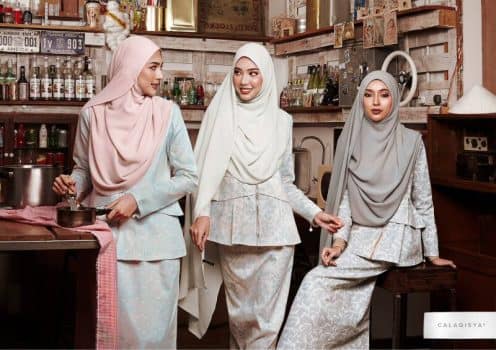
Top Muslim fashion houses are redefining their marketing strategies to capture a global audience by implementing innovative and engaging approaches. This forward-thinking mindset focuses on creating unique narratives around their brands, emphasizing inclusivity, sustainability, and cultural authenticity. By tapping into the global market, these fashion houses ensure their offerings resonate well with diverse consumer bases while maintaining a distinct identity that reflects their values.
- Leveraging Social Media Influencers in the Fashion Space
Harnessing the power of social media influencers has become an imperative tactic for Muslim fashion brands looking to expand their reach. Influencers, often viewed as cultural ambassadors, help amplify brand messages by connecting with their followers authentically. Collaborations with influencers such as Noor Tagouri and Dina Tokio exemplify how Muslim fashion houses can increase visibility and engagement through relatable, lifestyle-oriented content.
- Targeting Diverse Demographics Through Inclusive Branding
Inclusive branding is vital for Muslim fashion brands to connect with a wide array of consumers. These brands often focus on representing diversity within the community, incorporating various body types, ethnicities, and cultural backgrounds in their campaigns. This strategy not only appeals to a broader audience but also fosters authentic connections, ensuring customers feel seen and valued in the fashion narrative.
For example, brands like Aab and Haute Elan celebrate diversity by showcasing models from different backgrounds and pushing for a representation that goes beyond stereotypes. By creating collections that cater to various tastes and preferences, these fashion houses attract a wide demographic that embraces and identifies with their ethos. Furthermore, inclusive sizing and range play a significant role in appealing to consumers, ensuring that everyone, regardless of their shape or size, can find stylish, modest clothing that resonates with their personal beliefs and cultural heritage. This proactive approach enables Muslim fashion brands to cultivate a loyal customer base that appreciates their commitment to inclusivity and representation.
Sustainable Practices: The New Norm in Muslim Fashion
Sustainable practices have transitioned from a trend to a necessity in the Muslim fashion industry, as brands strive to meet both ethical standards and consumers’ growing environmental consciousness. Leading Muslim fashion houses now incorporate eco-friendly practices that reflect their commitment to sustainability, which resonates well with a customer base that values both style and social responsibility.
- Ethical Sourcing and Eco-Friendly Materials
Many top Muslim designers prioritize ethical sourcing and the use of eco-friendly materials in their collections. By opting for organic cotton, recycled fabrics, and dyes that are less harmful to the environment, these brands not only reduce their carbon footprint but also appeal to a clientele that is increasingly scrutinizing product origins and production processes.
- The Role of Transparency in Consumer Trust
Transparency plays a vital role in building consumer trust within the Muslim fashion segment. Brands that openly disclose their sourcing methods, manufacturing practices, and supply chain processes foster a sense of authenticity and reliability. For instance, by sharing behind-the-scenes content or detailed stories of artisans involved in production, they establish a direct connection with consumers, enhancing brand loyalty and encouraging repeat purchases.
Notably, the impact of transparency extends beyond consumer trust; it helps brands differentiate themselves in a competitive market. A 2020 survey indicated that 73% of millennials are willing to pay more for products from sustainable brands. Top Muslim fashion houses effectively leverage this by highlighting their ethical stories, thereby creating a narrative that not only showcases their values but also aligns with the desires of a conscientious consumer base. Enhanced transparency transforms purchasing decisions into a statement of personal ethics, thereby solidifying customer relationships while promoting a more sustainable industry overall.
Strategic Collaborations: Fusing Styles Across Cultures
The way Muslim fashion houses are teaming up with big-name brands lately? It’s honestly shaking things up in the style world. You’ve got these collabs blending all sorts of vibes—mixing old-school, traditional techniques with super modern looks. The results? Wildly fresh collections that you probably wouldn’t see coming. And it’s not just about making fancy clothes for a niche crowd, either. Suddenly, Islamic fashion’s getting its moment in the international spotlight, catching the eye of folks who might’ve never checked it out otherwise. You end up with this cool mash-up—a real cultural remix—that actually means something everywhere, not just in one corner of the world.
- Partnerships with Western Brands for Broader Reach
By partnering with established Western brands, top Muslim fashion houses extend their reach into new markets. This fusion often leverages the strengths of both parties—Western brands benefit from the rich cultural designs of Muslim fashion, while Muslim designers gain access to broader distribution channels. For example, a renowned Muslim designer’s collaboration with a high-street retailer may result in a capsule collection that showcases modest wear, significantly increasing visibility and sales.
- Showcasing Diversity: Fashion Weeks and Cultural Events
Fashion weeks and cultural events have become vital platforms for showcasing diversity in the Muslim fashion industry. Major events like New York Fashion Week and London Fashion Week now feature collections from Muslim designers, highlighting their unique contributions to the global fashion narrative. This visibility not only allows designers to present their work to influential audiences but also fosters an appreciation of cultural richness that modern fashion can offer.
These events serve as a melting pot of ideas, where Muslim designers can engage with both established and aspiring creators. For instance, during the most recent New York Fashion Week, several Muslim designers participated in a dedicated modest fashion show, which garnered significant media attention and engagement on social platforms. This level of representation is pivotal; it not only challenges conventional beauty standards but also inspires young creatives within Muslim communities, reinforcing the idea that diversity is an integral part of fashion’s evolution.
The Impact of Technology on Design and Retail
The integration of technology into the design and retail sectors has revolutionized the way Muslim fashion houses operate. Digital design tools enable designers to create intricate patterns and styles quickly, enhancing creativity while streamlining production processes. Furthermore, augmented reality and virtual fitting rooms are transforming customer experiences, allowing consumers to visualize how garments will look and feel, even before making a purchase.
- E-Commerce Trends Shaping The Future of Muslim Fashion
E-commerce is rapidly shaping the landscape of Muslim fashion, expanding market reach beyond traditional brick-and-mortar stores. Online platforms are now imperative for designers looking to connect with a global audience. Social media influencers play a crucial role, as they leverage platforms like Instagram and TikTok to showcase products, attracting diverse customers eager for stylish, modest attire.
- Utilizing Data Analytics for Consumer Insights
Data analytics is becoming a linchpin for Muslim fashion houses, providing invaluable insights into consumer behavior. By analyzing purchasing patterns and preferences, companies can tailor their offerings and marketing strategies to better align with customer desires. This data-driven approach helps in identifying emerging trends, optimizing inventory levels, and enhancing overall customer satisfaction.
Leading brands are employing sophisticated data analytics tools to monitor social media interactions, web traffic, and sales history, yielding precise insights into consumer demographics and preferences. For instance, brands like Haute Elan utilize this information to curate personalized shopping experiences, resulting in higher conversions and customer loyalty. The ability to predict fashion trends based on historical data allows these companies to stay ahead of the curve, ensuring they meet customer demands while optimizing their supply chains for efficiency and sustainability.
Conclusion
Alright, let’s just call it like it is—these top Muslim fashion brands? They’re not just tossing on a hijab and calling it a day. Nope. They actually get their audience, with all the messy, beautiful, complicated layers that come with it. They’re somehow juggling tradition and the latest trends—like, you’ll see a classic abaya next to something that could totally hit the Paris runways. Wild, right?
And the marketing? Honestly, it’s not just your basic Instagram posts. We’re talking collabs, influencers, eco-friendly fabrics… the works. They’re pulling in everyone from your ultra-conservative auntie to the TikTok crowd who wants to look fly and stay true to themselves. It’s kinda genius.
What really gets me, though, is how they manage to stay ethical and still keep things fresh. That’s tough. Most brands can’t even pull off one of those. These folks are basically rewriting the playbook on how to win in fashion without selling out. I mean, props where props are due—they’re not just following trends, they’re setting them.