Table of Contents
There’s a significant rise in demand for Muslim fashion, presenting lucrative opportunities for small and medium-sized enterprises (SMEs). As the global market for modest attire expands, entrepreneurs can tap into a diverse consumer base seeking innovative and culturally relevant designs. People should recognize the potential for growth in this sector by incorporating sustainable practices, leveraging technology, and understanding shifting consumer preferences. By aligning their offerings with the values and needs of Muslim consumers, SME in the growing muslim fashion sector can carve out a niche and thrive in this dynamic market.
The Burgeoning Demand for Modest Fashion
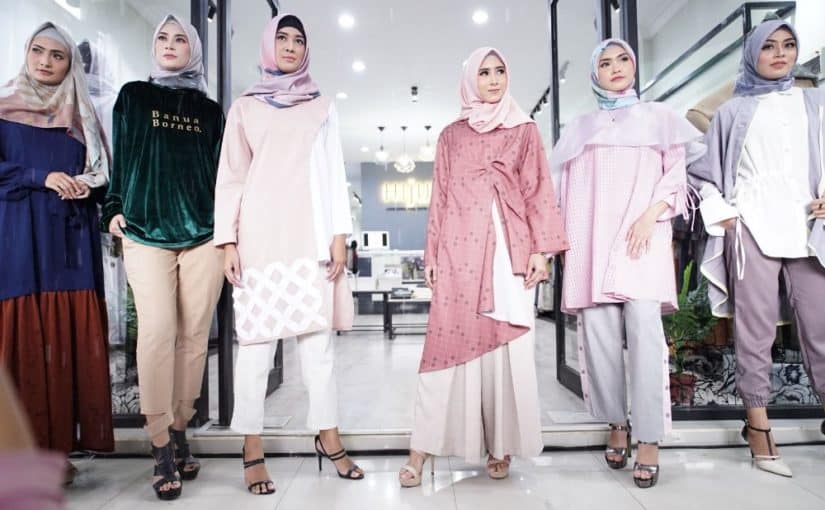
The global demand for modest fashion has seen exponential growth in recent years, transcending cultural and geographic boundaries. This sector is projected to reach a staggering $254 billion by 2023, driven primarily by young Muslim consumers seeking stylish options that adhere to their values. High-profile collaborations and collections from key brands are engaging the market, while unique and diverse styles are emerging to meet the varied preferences within modest wear. This expanding marketplace represents a major opportunity for SMEs looking to tap into a rapidly evolving fashion landscape.
- SME In The Growing Muslim Fashion Sector: Demographic Trends Boosting Growth
Statistics reveal a significant rise in the Muslim population, which is expected to grow to 2.2 billion by 2030, influencing global fashion trends. This demographic shift is marked by a younger consumer base, with over half being under the age of 30. They are seeking fashionable yet modest options that resonate with their identities, propelling the demand for this niche. As a result, brands that cater to these preferences can capitalize on a vast market ready to embrace innovation in modest fashion.
A larger trend in the fashion industry toward diversity and inclusivity is also reflected in the emergence of modest fashion. By embracing modest clothing options, fashion brands are acknowledging and celebrating the rich tapestry of cultural and religious identities that exist within their global customer base. This trend is likely to continue growing, as more brands recognize the importance of catering to a diverse range of fashion preferences and the significant market potential that modest fashion represents.
- Cultural Shifts and Changing Consumer Preferences
As societies evolve, so do fashion sensibilities. Today’s consumers prioritize ethical production practices, sustainability, and quality over mere brand names. Modest fashion aligns with these values, offering stylish alternatives that reflect personal beliefs while remaining socially responsible. This paradigm shift indicates that modest fashion isn’t simply a trend; it’s becoming integral to the values consumers uphold. Brands that harmoniously blend style with ethical practices will resonate more with this mindful demographic, ensuring long-term success in the marketplace.
Recent insights underscore the impact of cultural shifts on consumer preferences. Consumers are redefining modesty, advocating for inclusivity in fashion that respects diversity and showcases personal expression. With the rise of social media influencers championing modest fashion, aspirational content has fueled interest and demand for more accessible, trend-driven options. Furthermore, pop culture introductions of modest wear, along with high-profile endorsements from celebrities, have actively reshaped perceptions. As a result, SMEs that prioritize understanding and catering to these consumer sentiments will be well-equipped to thrive in this expanding sector.
Navigating Cultural Sensitivities in Design
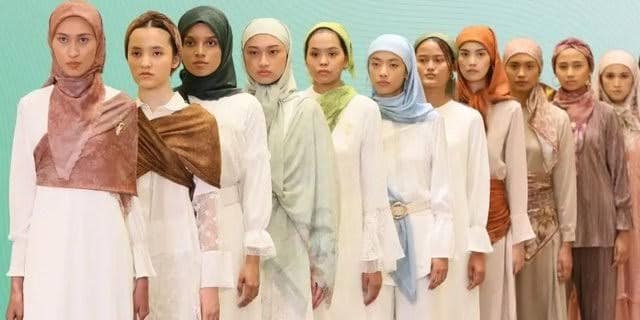
Designing within the Muslim fashion sector requires a deep understanding of cultural sensitivities. Fashion entrepreneurs must take into account varying interpretations of modesty, as well as the significance of traditional garments across diverse communities. By engaging directly with the target audience and conducting thorough research, SMEs can create products that resonate with their consumers while respecting their values and beliefs. Collaboration with local designers and cultural experts also enhances the authenticity and appeal of the collections.
- Balancing Tradition with Modernity
The ongoing struggle between the old and the new, where traditional behaviors are adjusted, reinterpreted, or adapted in the context of modernity, is what defines the interaction between tradition and modernity. Successful fashion labels blend traditional styles with modern aesthetics, appealing to a broader audience without alienating core consumers. By incorporating contemporary silhouettes and fabrics, they attract younger generations who may seek to express their identity through fashion while still adhering to their cultural values. This approach opens the door for versatile designs that fit various occasions while preserving modesty.
- Understanding Regional Variations in Style and Preference
A thorough grasp of regional variations in style and preference is necessary for SMEs looking to succeed in the Muslim fashion market. Different countries and communities embrace unique interpretations of modesty, influenced by cultural heritage, climate, and socio-economic factors. For instance, the hijab styles popular in Indonesia may differ significantly from those in Turkey or the Gulf States. SMEs can enhance their market presence by tailoring their designs and marketing strategies to accommodate these regional distinctions, allowing for a more personalized connection with consumers.
Consider how modest swimwear has seen a surge in popularity in different regions. In the Middle East, designs often focus on coverage and lightweight fabrics suitable for hot climates. The burkini has become a major trend in the realm of modest swimwear in recent years. The burkini, which combines comfort, style, and modesty, has gained popularity among Muslim women. In order to give readers a comprehensive grasp of this avant-garde swimwear, this essay will explore the burkini’s history, design, advantages, and cultural importance. In contrast, European and North American markets may prefer chic, sporty styles that cater to an active lifestyle. By recognizing these variations and catering to distinct consumer preferences, SMEs can develop targeted campaigns and product lines, thus enhancing their competitiveness in the diverse Muslim fashion landscape.
The Role of Technology in Shaping the Sector
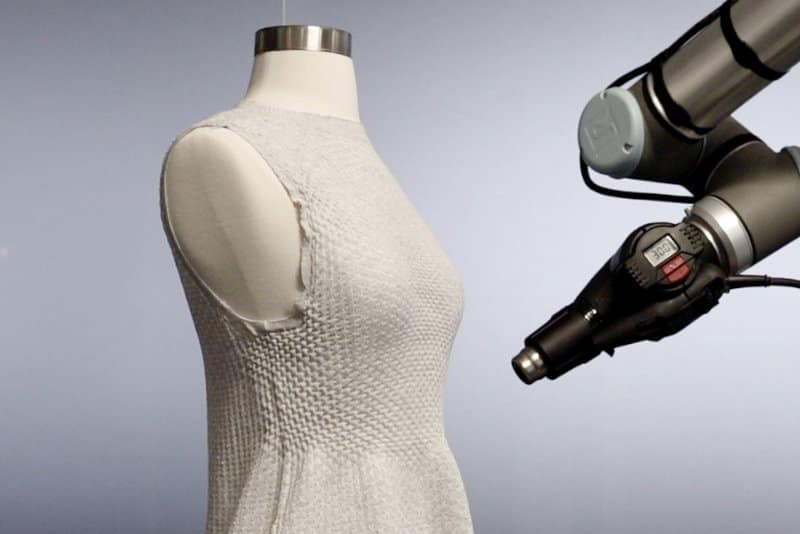
Advancements in technology are fundamentally transforming the Muslim fashion sector, creating new opportunities for SMEs. Digital innovations drive efficiency, enabling designers to streamline operations and enhance customer interactions. With the rise of artificial intelligence and data analytics, businesses can better understand consumer behavior and preferences, tailoring their offerings to meet specific market demands. Moreover, technology facilitates sustainable practices by promoting transparency in supply chains and enabling eco-friendly solutions.
- E-commerce and Digital Marketing Innovations
Leveraging e-commerce platforms and digital marketing strategies has become vital for SME in the growing muslim fashion sector. Online shopping has risen dramatically, with a notable 30% increase in global e-commerce sales during the past year. SMEs can tap into this trend by creating user-friendly websites, utilizing SEO strategies, and implementing targeted online advertising campaigns to reach their desired demographics effectively.
- Leveraging Social Media for Brand Development
Social media platforms serve as powerful tools for brand development within the Muslim fashion sector. By crafting visually appealing content that resonates with diverse audiences, SMEs can engage potential customers and foster a sense of community around their brands. Platforms such as Instagram, TikTok, and Facebook allow businesses to showcase their products, share customer testimonials, and collaborate with influencers, significantly amplifying their reach.
To effectively leverage social media, SME in the growing muslim fashion sector should focus on building authentic connections with their audiences. This involves engaging with customers through comments and direct messages while consistently providing valuable content. Special campaigns, like styling challenges or user-generated content features, can ignite community interaction, driving both brand loyalty and visibility. Additionally, monitoring analytics and tracking engagement metrics allows brands to refine their strategies, ensuring that they meet the evolving expectations of their consumer base and stay relevant in the competitive market.
Strategic Partnerships and Collaborations for SMEs
Strategic partnerships and collaborations can significantly enhance the visibility and reach of SME in the growing muslim fashion sector within the growing Muslim fashion sector. By engaging with various stakeholders in the industry, they can leverage resources, share knowledge, and tap into diverse consumer bases. Collaborative efforts enable SMEs to pool strengths and innovate in their offerings, ultimately driving growth in a competitive market. This synergy is particularly effective in expanding brand presence and catering to the unique preferences of Muslim consumers.
- Collaborating with Influencers and Designers
Forming alliances with influencers and established designers can amplify an SME’s brand awareness and authenticity. Engaging respected figures who resonate with the target audience allows for authentic product promotions, maximizing engagement and reach. Influencers provide an avenue to connect directly with consumers, while designers can lend credibility and style insights, enriching the brand’s identity and appeal.
- Building Relationships with Retailers and Distributors
Establishing strong relationships with retailers and distributors is pivotal for SMEs looking to expand their market presence. These partnerships not only facilitate better access to target markets but also enhance distribution channels. A solid retail network enables SMEs to position their products prominently, tapping into local insights and consumer behaviors.
Developing relationships with retailers and distributors involves not just negotiation but also nurturing mutual benefits. SMEs should focus on understanding the retailer’s needs and aligning their product offerings accordingly. By proposing exclusive collections or tailored promotional activities, SMEs can entice retailers to prioritize their inventory. Additionally, leveraging data analytics can help SMEs present compelling insights on market trends, showcasing their potential for driving sales, ultimately leading to long-term partnerships that benefit both parties.
Sustainability and Ethical Practices as Competitive Advantages
Focusing on sustainability and ethical practices not only aligns with the values of a growing consumer base but also positions SMEs to differentiate themselves in the competitive fashion market. As environmentally conscious shoppers look for brands that reflect their principles, integrating these practices can lead to increased brand loyalty and customer trust. By prioritizing sustainable materials and ethical production methods, SMEs can attract a dedicated clientele while simultaneously contributing to a more responsible fashion industry.
- The Rising Importance of Eco-Friendly Fashion
Increasing awareness of environmental issues has led to a significant shift towards eco-friendly fashion. Consumers, particularly Millennials and Gen Z, are placing higher value on brands that adopt sustainable practices. In fact, a 2021 survey found that 60% of consumers are more inclined to purchase from brands that demonstrate a commitment to sustainability, thus highlighting the potential for SMEs in this vital segment of the market.
Many respondents also stated that they have taken actions to lessen their impact on the environment. For example, 43% of Gen Zers and 47% of Millennials said they have taken action to conserve water, and 36% said they have begun using more energy-efficient modes of transportation rather than driving a car. Furthermore, nearly half of each group stated that they intend to buy an electric vehicle or hybrid in the future, and over a quarter of respondents stated that they have already upgraded their homes with more environmentally friendly features like solar panels or geothermal heating. Approximately 45% of respondents also stated that they plan to upgrade their homes in the future.
- Integrating Ethical Sourcing and Production Processes
Integrating ethical sourcing and production processes reflects a brand’s commitment to social responsibility. This includes ensuring fair labor practices, using non-toxic materials, and collaborating with suppliers who share the same ethical values. Such practices not only improve transparency but also strengthen brand reputation, appealing to socially-minded consumers who seek authenticity in their purchasing decisions.
To effectively integrate ethical sourcing and production processes, SMEs can prioritize partnerships with suppliers who embrace fair trade standards and local artisans. For instance, brands like Mara Hoffman and Eileen Fisher have successfully established supply chains that guarantee workers’ rights and environmental stewardship. Moreover, adopting certifications such as Fair Trade or Global Organic Textile Standard (GOTS) can enhance credibility while providing assurance to customers about the ethical integrity of their purchases. By embedding these values into their operations, SMEs can capitalize on the growing demand for responsible fashion, leading to enhanced market visibility and customer loyalty.
To wrap up
Presently, the growing Muslim fashion sector presents significant opportunities for SMEs eager to tap into a rapidly expanding market. As consumers increasingly seek stylish, modest, and culturally relevant attire, they can leverage this demand by creating innovative products that resonate with Muslim customers. By understanding their target audience and adapting to their unique needs, they can position themselves competitively. Furthermore, collaboration with influencers and participation in fashion exhibitions can enhance visibility, ultimately leading to growth and success in this vibrant industry.