
Table of Contents
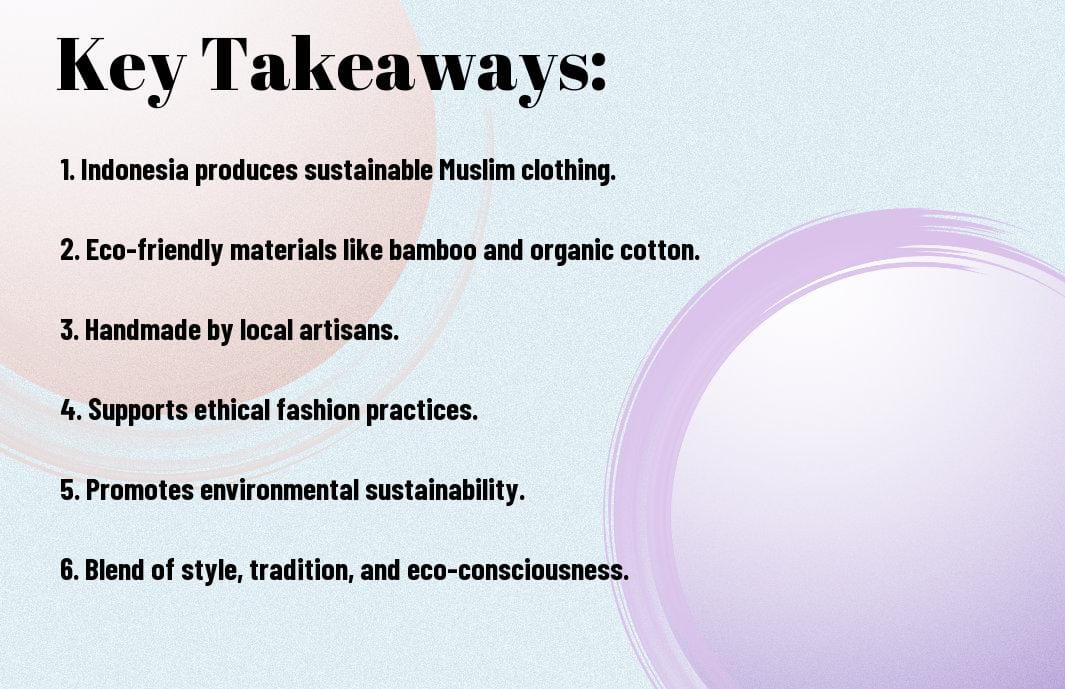
It’s no secret that the fashion industry has a significant impact on the environment. As awareness of sustainability grows, many clothing brands are shifting towards eco-friendly practices, including those in the Muslim fashion market. Indonesia, known for its rich culture and traditions, has emerged as a hub for sustainable Muslim clothing. From organic fabrics to ethical production methods, Indonesian brands are leading the way in creating stylish yet environmentally conscious garments for the modern Muslim consumer. In this blog post, we will explore the world of eco-friendly fashion, focusing on the sustainable Muslim clothing made in Indonesia.
Sustainable Materials in Muslim Clothing
If you are looking for eco-friendly materials in Muslim clothing, one option gaining popularity is Viscose Rayon. This material has been hailed as the darling of sustainable modest fashion due to its environmentally friendly production process. To learn more about Viscose Rayon, you can visit Viscose Rayon: Darling of Sustainable Modest Fashion.
Organic Fabrics and Their Usage
For those looking for sustainable options, organic fabrics like organic cotton, linen, and bamboo are excellent choices for Muslim clothing. These fabrics are grown without the use of harmful chemicals, pesticides, or fertilizers, making them healthier for the environment and for those wearing the garments. They are breathable, comfortable, and biodegradable, making them ideal for eco-conscious consumers.
Organic fabrics are often used in a variety of Muslim clothing items such as abayas, hijabs, and kurtas. Their versatility and soft texture make them a popular choice among those seeking sustainable and ethical fashion options in Indonesia and beyond.
Recycled and Upcycled Materials
Fabrics that are recycled or upcycled are also making a mark in sustainable Muslim clothing. These materials are created from recycled plastic bottles, discarded textiles, or other waste materials that are repurposed into new garments. By using recycled and upcycled materials, fashion designers can reduce waste and minimize their carbon footprint.
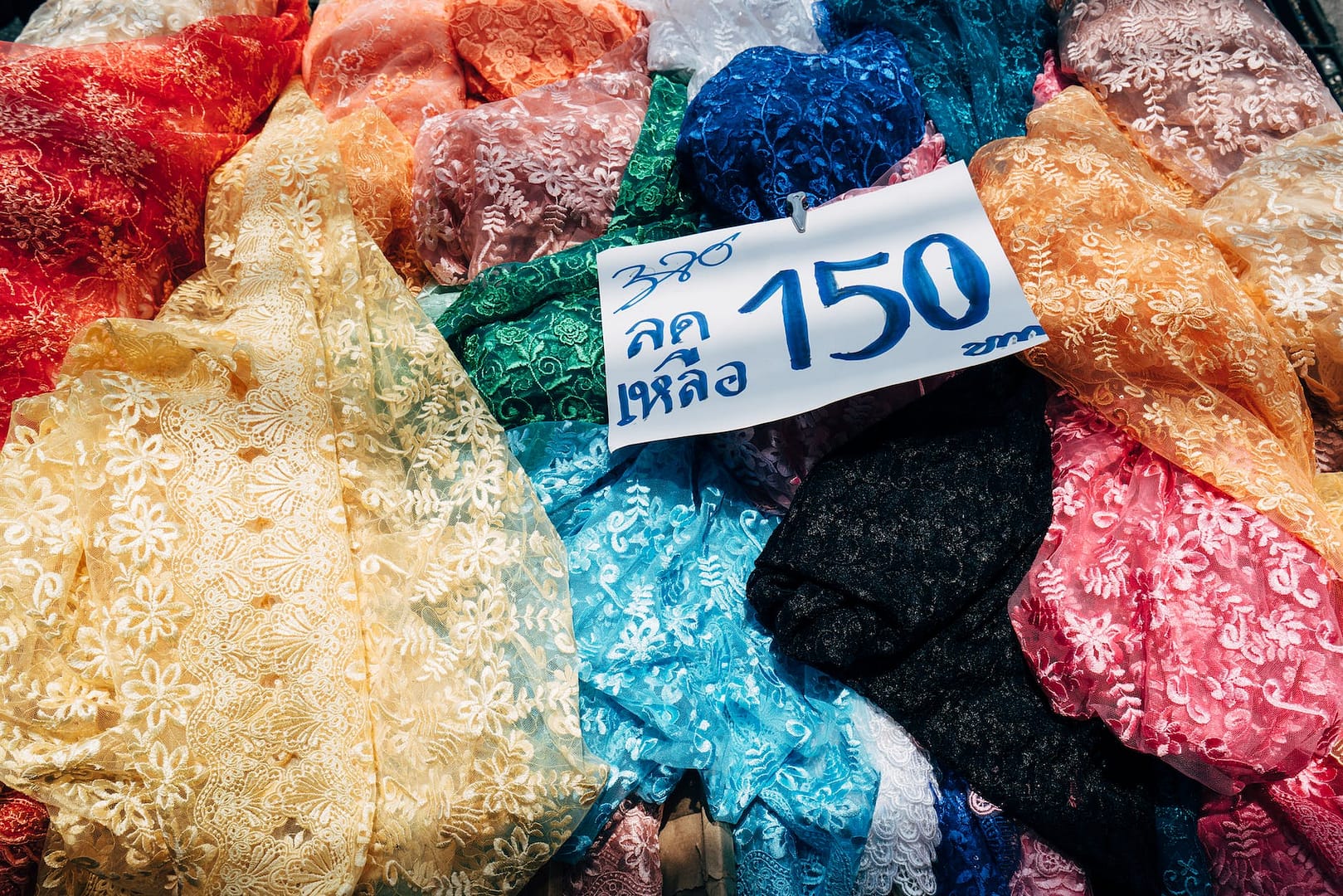
It is important to note that recycled and upcycled materials are not only environmentally friendly but also help in reducing the amount of textile waste that ends up in landfills. By incorporating these materials into Muslim clothing, designers are promoting a circular fashion economy that benefits both the planet and the people.
Ethical Manufacturing Processes
While the fashion industry is often associated with exploitative manufacturing practices, there is a growing movement towards ethical and sustainable production methods. In Indonesia, where the Muslim clothing industry thrives, many brands are committed to fair labor practices and environmentally conscious production techniques.
Fair Labor Practices in Indonesia
Ethical manufacturing in Indonesia involves ensuring that workers are treated fairly and paid a living wage. Brands that value fair labor practices provide safe working conditions, regular working hours, and respect the rights of their employees. By promoting transparency and accountability within the supply chain, these companies help to alleviate poverty and improve the lives of garment workers.
Efforts to combat exploitation in the Muslim clothing industry in Indonesia include implementing codes of conduct, conducting regular audits, and working with certified factories. By prioritizing the well-being of their workers, ethical brands set a positive example for the entire fashion industry.
Environmentally Conscious Production Techniques
An environmentally conscious approach to production involves minimizing waste, reducing energy consumption, and using sustainable materials. In Indonesia, eco-friendly fashion brands prioritize the use of organic fabrics, natural dyes, and renewable resources. By embracing innovative technologies and eco-friendly practices, these brands reduce their carbon footprint and contribute to a healthier planet.
Manufacturing Muslim clothing in Indonesia can have a significant environmental impact, but by adopting sustainable production techniques, brands can mitigate harm to the planet. From eco-friendly packaging to water-saving processes, every aspect of production is considered to ensure environmentally responsible practices.
Indonesian Designers and Brands Leading the Way
Unlike traditional fashion practices, the sustainable fashion movement in Indonesia is gaining momentum with a focus on eco-friendly materials and ethical production processes. To learn more about Sustainable Fashion Brands in Indonesia, visit here.
Pioneering Sustainable Muslim Fashion Labels
For Indonesian designers and brands, sustainability is not just a goal but a guiding principle in their fashion creations. Pioneering Sustainable Muslim Fashion Labels like X brand and Y brand are at the forefront of this shift towards eco-conscious practices. By using organic fabrics, promoting fair trade practices, and implementing zero-waste production techniques, these labels are setting new standards for the industry.
Innovative approaches to design and a commitment to social and environmental responsibility define these leading brands’ ethos. Their collections not only showcase creativity and style but also embody a deep-seated respect for the planet and its people.
Collaboration and Community Impact
Designers in Indonesia understand the power of collaboration and community impact in driving positive change within the fashion industry. Through partnerships with local artisans, sustainable initiatives, and educational programs, they are working towards a more ethical and sustainable future. This collaborative spirit fosters innovation and empowers communities to thrive while preserving their cultural heritage.
This dedication to community and sustainability extends beyond fashion shows and collections. Indonesian designers and brands are actively involved in grassroots projects that support environmental conservation and empower marginalized groups. By leveraging their influence and resources, they are making a tangible difference in the lives of individuals and the health of the planet.
Consumer Participation in Eco-Friendly Fashion
Now more than ever, consumers play a crucial role in the shift towards sustainable fashion. By making informed choices and supporting brands that prioritize ethical practices and environmental sustainability, individuals can drive positive change within the industry.
Understanding Product Lifecycle and Ethical Choices
Choices made by consumers have a direct impact on the entire lifecycle of a product. From the sourcing of raw materials to production, distribution, use, and disposal, each stage of the process can be influenced by the ethical decisions made by those purchasing and wearing the clothing.
By understanding the supply chain of fashion items and the ethical implications of different materials and manufacturing processes, consumers can make more informed choices that align with their values and support a more sustainable industry.
Ways to Support Sustainable Fashion
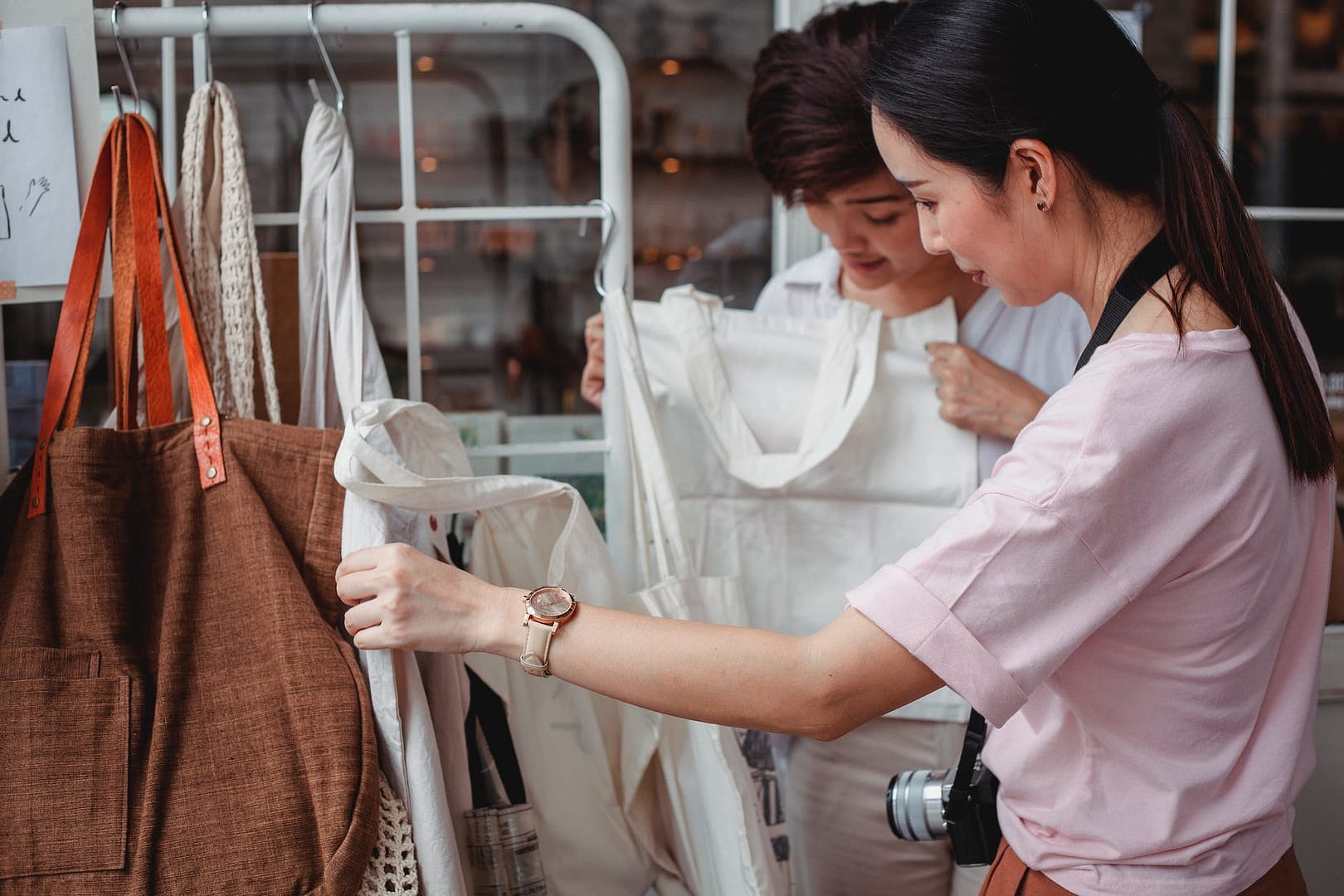
Choices such as investing in high-quality, timeless pieces, opting for eco-friendly materials like organic cotton or recycled fabrics, and supporting brands that prioritize fair trade practices and ethical production standards can all contribute to a more sustainable fashion ecosystem.
EcoFriendly Another way to support sustainable fashion is by embracing a ‘less is more’ mentality, focusing on versatile pieces that can be styled in multiple ways and have a longer lifespan in your wardrobe. This approach not only reduces waste but also encourages a more conscious consumption pattern.
Final Words
Summing up, Eco-Friendly Fashion in sustainable Muslim clothing made in Indonesia is a positive example of how the fashion industry can embrace environmentally conscious practices. Companies like EastEssence are leading the way in creating beautiful and modest Islamic clothing while being mindful of their impact on the planet. To explore a wide range of sustainable options, visit Modest Islamic Clothing Online by EastEssence for Muslim … and support the movement towards eco-friendly fashion in the Muslim community.
FAQ
Q: What is eco-friendly fashion?
A: Eco-friendly fashion, also known as sustainable fashion, refers to clothing that is made with environmentally friendly materials and processes. This type of fashion aims to reduce the negative impact of the fashion industry on the environment by using organic materials, recycling textiles, and minimizing waste in production.
Q: What makes Muslim clothing eco-friendly?
A: Eco-friendly Muslim clothing is typically made with organic or sustainably sourced materials such as organic cotton, bamboo, or hemp. These materials are grown without the use of harmful pesticides or chemicals, making them better for the environment. Additionally, eco-friendly Muslim clothing brands often prioritize fair labor practices and ethical production processes to ensure workers are treated fairly.
Q: How is sustainable Muslim clothing made in Indonesia different from regular clothing?
A: Sustainable Muslim clothing made in Indonesia differs from regular clothing in several ways. Firstly, it is made with eco-friendly materials and processes that have a lower impact on the environment. Additionally, these clothing pieces are often handmade by skilled artisans, promoting traditional craftsmanship and supporting local communities. Sustainable Muslim clothing brands in Indonesia also focus on preserving cultural heritage and traditions in their designs, creating unique and culturally significant pieces.