Table of Contents
Over the centuries, the intricate the art of batik has been deeply intertwined with Indonesian culture, showcasing beautiful patterns and designs that hold significant cultural meanings. In the world of Muslim fashion, these traditional Indonesian patterns have found a special place, adding a touch of heritage and elegance to modern Islamic clothing. Let’s research into the rich history and cultural significance of batik, and explore how it has become a cherished element in Muslim fashion around the globe.
The Historical Development of Batik
Little known to many, the art of Batik holds a deep-rooted significance in the cultural heritage of Indonesia. Dating back centuries, Batik has played a pivotal role in Indonesian artistry, with its intricate patterns and designs captivating audiences worldwide. According to Batik: The Forbidden Designs of Java, the craft of Batik was once deemed forbidden in Java, only to rise in prominence and become a symbol of Indonesian identity.
The art of batik originating from Java, this ancient craft symbolizes cultural heritage and identity. Each design tells a story, reflecting nature, folklore, and spirituality. Batik is celebrated globally, appreciated for its beauty and craftsmanship.
Early Origins and Influences
Batik has a rich history that dates back to ancient times, where it was believed to have originated in the Indonesian archipelago. Influenced by various cultures such as Chinese, Indian, and Arabic, Batik gradually evolved into a distinct art form with intricate designs and meticulous techniques. The process of Batik involves applying wax to fabric before dyeing it, creating beautiful patterns that are unique to each region and artisan.
The art of batik has significantly influenced Indonesian culture and fashion, symbolizing heritage and community identity. Its intricate designs inspire contemporary artists and designers, merging traditional techniques with modern aesthetics. Globally, batik promotes cultural appreciation, fostering connections between diverse communities and elevating Indonesia’s artistic presence on the world stage.
Evolution of Batik Patterns and Techniques
Patterns in Batik have evolved over the centuries, reflecting the changing cultural landscape of Indonesia. From traditional motifs inspired by nature and mythology to modern interpretations that incorporate geometric shapes and contemporary themes, Batik has continuously adapted to the tastes of different generations. The techniques used in Batik production have also seen advancements, with artisans experimenting with new methods to achieve innovative designs while preserving the traditional craftsmanship.
As Batik continues to evolve, it remains a symbol of Indonesian heritage and craftsmanship, with its intricate patterns and vibrant colors captivating fashion designers and enthusiasts worldwide. The cultural significance of Batik extends beyond its aesthetic appeal, representing a rich tapestry of traditions and stories that have been passed down through generations.
Batik in Muslim Fashion
There’s a rich history of Batik in Indonesia, with its intricate patterns and vibrant colors being a significant cultural symbol. In Muslim fashion, Batik holds a special place as it is often integrated into traditional attire and modern outfits. Both in traditional and contemporary contexts, Batik adds a touch of elegance and sophistication to Muslim fashion.
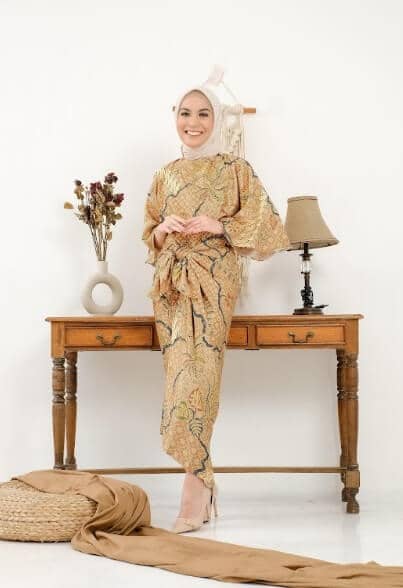
Check out our batik Muslim dress here.
Integration of Batik in Traditional Muslim Attire
Traditional Muslim attire often incorporates Batik in the form of headscarves, tunics, and sarongs. These garments are meticulously crafted with Batik patterns that hold symbolic meanings and cultural significance. For special occasions like weddings or religious ceremonies, traditional Batik attire is a popular choice among Muslim communities.
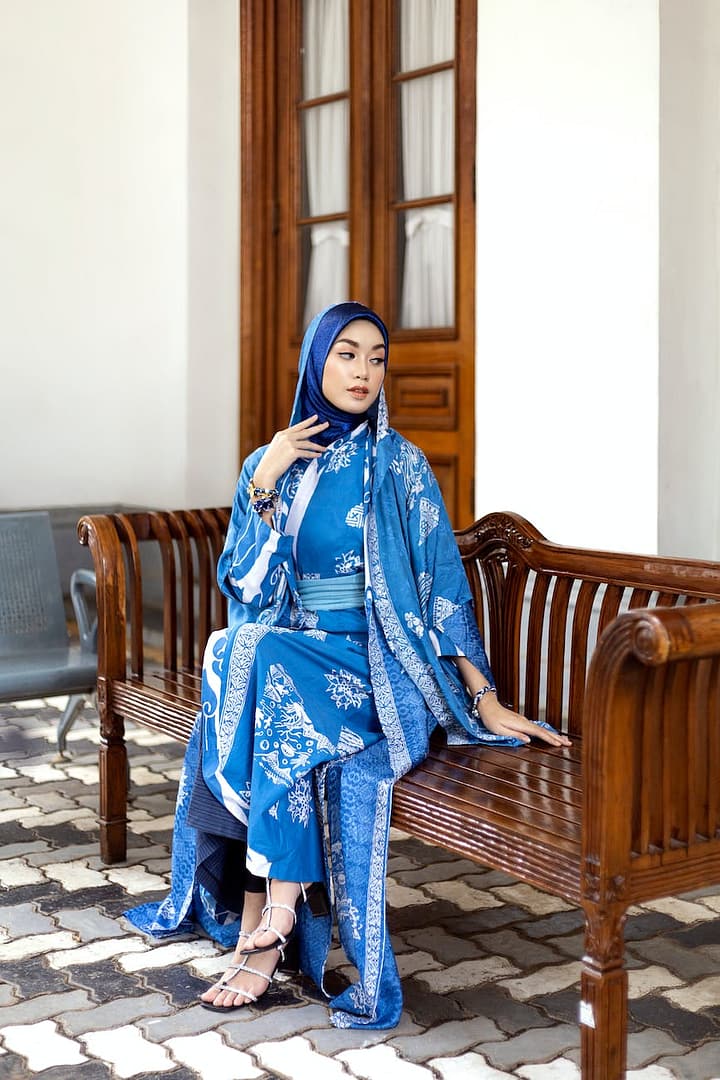
In modern times, designers have found innovative ways to blend the art of Batik with contemporary Muslim fashion. This integration has led to the creation of stylish Abayas, Hijabs, and even tailored suits for men, all featuring intricate Batik designs. The fusion of traditional Indonesian Batik with Muslim attire has created a unique fashion statement that is both culturally rich and aesthetically pleasing.
Contemporary Batik Trends in Muslim Fashion
Integration of Batik in contemporary Muslim fashion has seen a rise in popularity in recent years. Fashion shows and runways across the globe have showcased the versatility of Batik in creating modern, chic looks for the Muslim community. From casual everyday wear to high-end couture, Batik is now a staple in many Muslim wardrobes.
Batik Pattern Symbolism
Many consider batik to be more than just a type of textile art; it is a cultural expression rich in symbolism and meaning. Each batik pattern tells a story, reflecting the beliefs, values, and traditions of the Indonesian people. The intricate designs and motifs are not merely decorative, but carry deep spiritual significance.
Understanding the Meanings Behind Patterns
With roots in ancient Javanese philosophy and folklore, batik patterns often depict symbols ranging from flora and fauna to geometric shapes and mythical creatures. For example, the ‘parang’ motif symbolizes power and protection, while the ‘kawung’ motif represents harmony and balance. By understanding the meanings behind these patterns, we gain insight into the cultural heritage and spiritual beliefs of the Indonesian people.
Furthermore, different regions of Indonesia have their own unique patterns and motifs that hold specific meanings and serve as a form of cultural identity. The symbolism in batik patterns is a reflection of the community’s values, social hierarchy, and historical narratives, making each piece of batik not just a work of art, but a piece of living history.
The Role of Color and Design in Batik
Patterns in batik are not only about the motifs themselves but also about the colors used and the way they are arranged. Color plays a crucial role in conveying emotions and meanings in batik textiles. Traditional colors such as indigo blue, deep red, and earthy hues are derived from natural dyes and have symbolic significance.
The Process of Creating Batik
Unlike other forms of textile design, creating batik involves a unique process that has been practiced for centuries in Indonesia. To examine deeper into this intricate technique, you can refer to the Batik, Traditional Fabric of Indonesia: A Brief History | PDF. Understanding the steps involved in crafting batik can help us appreciate the artistry behind this traditional fabric.
Traditional Batik Making Techniques
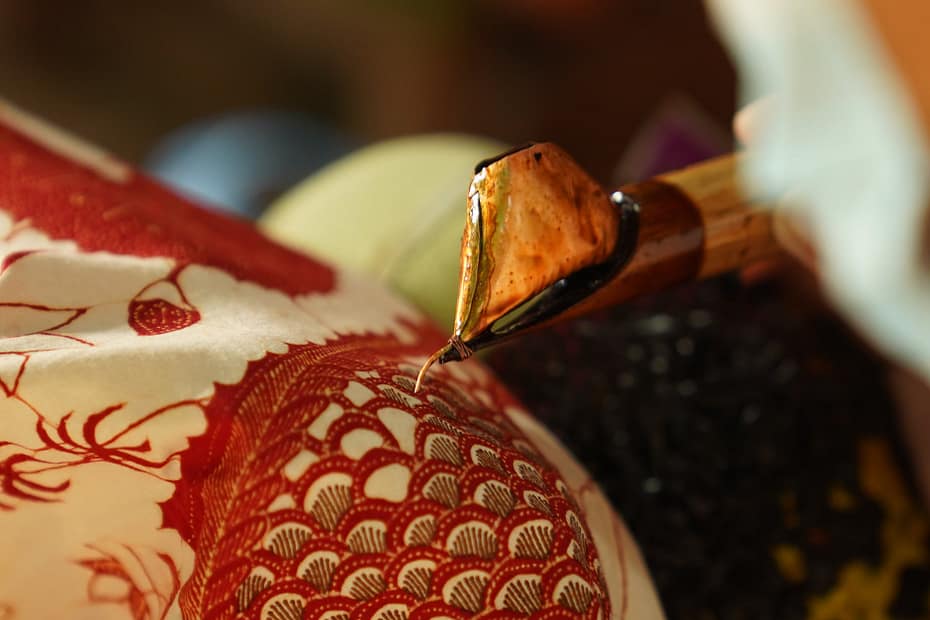
For centuries, traditional batik making techniques have been passed down from generation to generation in Indonesia. The process typically starts with a piece of plain cloth, usually made from cotton or silk. The design is drawn onto the fabric using a pencil or a tjanting, a tool that allows for intricate patterns to be created.
The next step is to apply wax to the areas of the fabric where the color should be resisted. This wax-resist dyeing technique ensures that the colors do not mix and bleed into each other. The fabric is then dyed with the desired colors, and the wax is removed to reveal the final pattern, resulting in a beautiful piece of batik art.
Innovations in Batik Production
Creating batik has evolved over the years with modern innovations in production techniques. While traditional methods are still widely practiced, advancements such as digital printing have made it easier to replicate intricate designs on a larger scale. Digital tools and machinery now play a significant role in the production of batik, allowing for more streamlined processes and the ability to experiment with new patterns and color combinations.
The integration of technology in batik production has opened up new possibilities for artists and designers, enabling them to push the boundaries of traditional batik design. With these innovations, the art of batik continues to thrive and evolve, blending traditional techniques with contemporary trends to create unique and visually stunning pieces.
Preserving Batik Heritage
Once again, the art of Batik holds a significant cultural value in Indonesia, especially in Muslim fashion. The intricate patterns and designs found in Batik have been a part of Indonesian heritage for centuries. To truly appreciate the role of Batik in Muslim fashion, it is important to understand its evolution over time. You can read more about this in The Evolution of Traditional Indonesian Fashion: From Past to …
Challenges in the Modern Era
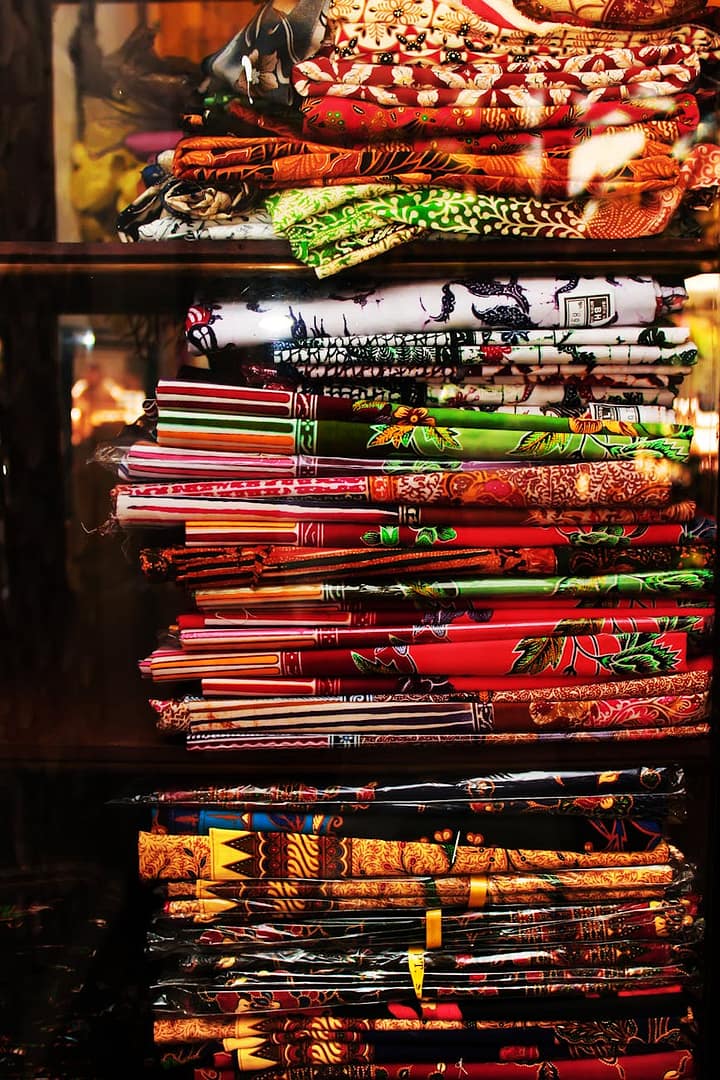
The preservation of traditional Batik patterns faces challenges in the modern era. With rapid globalization and the influx of fast fashion, there is a risk of diluting the authenticity of Batik designs. Mass production and imitation of Batik patterns without proper acknowledgment of its cultural significance can threaten the integrity of this traditional art form.
The commodification of Batik also poses a challenge, as commercial interests sometimes prioritize profit over cultural preservation. Additionally, the lack of awareness and education about the history and significance of Batik among the younger generation contributes to the diminishing value placed on this heritage craft.
Efforts towards Sustainable Practices
The efforts towards sustainable practices in the Batik industry are crucial for preserving its heritage. One of the key initiatives is promoting ethical sourcing of materials and ensuring the use of environmentally-friendly dyes in the production process. By adopting sustainable practices, artisans can reduce their impact on the environment and uphold the cultural integrity of Batik.
For instance, collaborations between designers and local Batik artisans can help create a platform for sustainable production. By supporting fair trade practices and empowering communities to continue their craft, the longevity of traditional Indonesian patterns in Muslim fashion can be ensured for future generations.
To wrap up
Presently, we have investigated into the intricate world of Batik, a traditional Indonesian art form that has become a staple in Muslim fashion. Through exploring the history, techniques, and significance of Batik, we have gained a deeper understanding of the beautiful patterns that adorn modern Islamic clothing. As designers continue to incorporate Batik into their creations, it is evident that this ancient the art of batik form will remain a timeless symbol of heritage and culture within the Muslim fashion industry.
FAQ
Q: What is Batik?
A: Batik is a traditional Indonesian textile art form that involves using wax and dye to create intricate patterns on fabric. It is known for its rich cultural heritage and symbolic meanings, often showcasing motifs inspired by nature, mythology, and local traditions.
Q: How is Batik traditionally made?
A: The process of creating Batik involves applying wax onto the fabric using a tool called a canting or stamping it with a copper stamp called a cap. The wax creates a barrier that prevents dye from penetrating the covered areas. This technique allows for the creation of intricate and colorful patterns on the fabric.
Q: How is Batik incorporated into Muslim fashion?
A: Batik has been a popular choice for Muslim fashion due to its cultural significance and intricate designs. Many designers use Batik fabrics to create modest and stylish clothing, such as hijabs, dresses, and tunics. The combination of traditional Batik patterns with modern silhouettes has made it a versatile and timeless choice for Muslim fashion enthusiasts.