Table of Contents
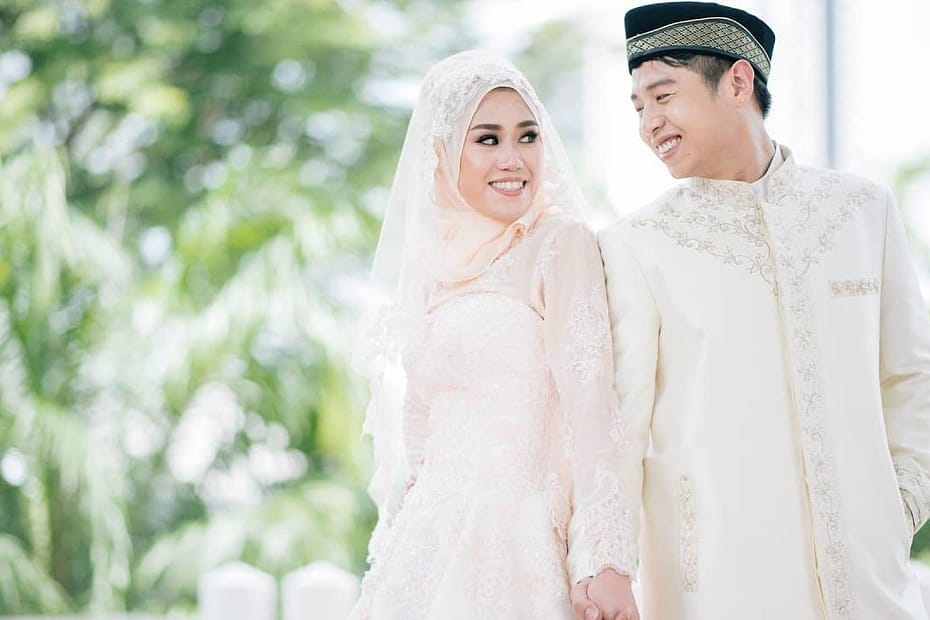
There’s a rich tapestry of meanings woven into symbolism behind traditional Muslim wedding dresses. These garments are not merely clothing; they embody cultural beliefs, spiritual values, and personal identities. She may don intricate designs that reflect her family’s heritage, while he might admire how the colors and patterns convey messages of prosperity and love. They often symbolize purity, joy, and the sacredness of marriage, with each detail carrying significance that connects individuals to their faith and community. Understanding this symbolism offers deeper insight into the values cherished within Muslim societies, making each wedding a deeply meaningful event.
Cultural Heritage Reflected in Fabric Choices
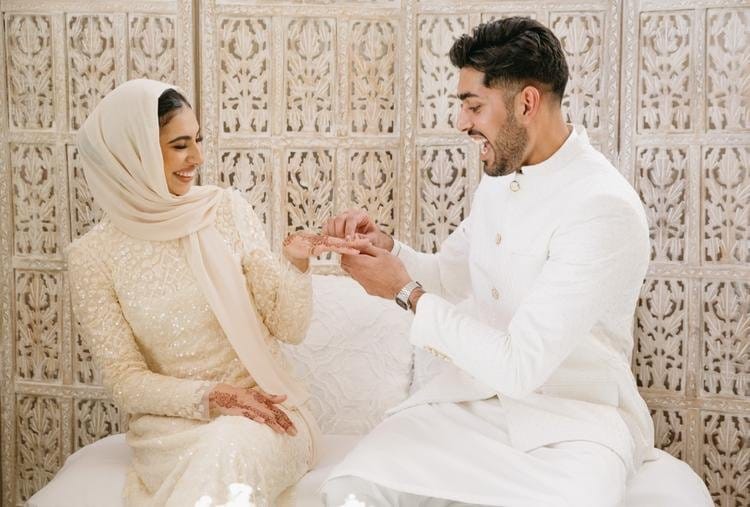
Traditional Muslim wedding dresses often showcase a deep connection to cultural heritage through the fabrics chosen. Rich materials like silk, satin, and brocade carry historical significance, reflecting the social status and artistic traditions of different regions. Many families select fabrics that have been passed down through generations, highlighting the importance of lineage and continuity. The intricate embellishments, such as embroidery and beadwork, further enhance the beauty of these garments and serve as a reminder of the craftsmanship that has endured over time.
- Regional Variations in Textiles
Textile selections for Muslim wedding dresses vary dramatically across regions, each bringing its unique cultural inflections. For instance, in South Asia, brides may adorn themselves in vibrant lehengas made from luxurious fabrics like silk and adorned with intricate zardozi work. Conversely, North African brides might favor lightweight, flowing gowns crafted from sheer fabrics that allow for breathability in warmer climates. These regional differences not only showcase the diversity of the Muslim world but also highlight how local materials and techniques influence bridal fashion.
- The Significance of Color in Muslim Bridal Attire
Color plays a pivotal role in traditional Muslim bridal attire, symbolizing various emotions and cultural meanings. Each hue is often chosen with care, as it may represent happiness, prosperity, or spirituality. For instance, deep red is widely associated with love and passion in many cultures, while gold signifies wealth and good fortune. In some cultures, white symbolizes purity, although it may carry different meanings depending on the local customs. Understanding these colors helps to enrich the symbolism behind each bridal ensemble.
Moreover, the choice of color can vary significantly based on cultural context. For example, in Pakistan, brides often wear bold hues like red or pink to symbolize their journey into marriage filled with love and vitality. In contrast, brides in Indonesia may favor pastel shades, which reflect elegance and serenity. The regional significance attached to each color underlines the intricate beliefs and hopes that surround the act of marriage, making the choices personal and profound.
Embroidery and Ornamentation: A Language of Its Own
Embroidery and ornamentation serve as a visual narrative in traditional Muslim wedding dresses, each stitch infused with deep symbolism that transcends mere aesthetics. The vibrant patterns and intricate designs often tell stories of heritage, unity, and aspirations for the couple’s future. Through the use of various techniques such as Zardozi and Resham, these garments transform into canvases of cultural expression, conveying messages that resonate within the community.
- Traditional Motifs and Their Meanings
Traditional motifs found in Muslim wedding dresses are rich with significance, often reflecting themes of nature, spirituality, and love. Common symbols include the floral pattern of the jasmine, representing purity and beauty, or the crescent moon and stars, signifying hope and guidance. Each design carries with it a historical narrative that reinforces the bride’s identity and connection to her cultural roots, making the dress not only a visual spectacle but also a poignant statement of values.
- The Role of Handcraftsmanship in Symbolism
Handcrafted elements are crucial in accentuating the symbolic nature of traditional Muslim wedding dresses. Artisans usually dedicate countless hours to each piece, reflecting not just skill but also the rich cultural legacy behind their craft. This meticulous attention to detail imparts a level of personalization and authenticity to the garment, allowing the bride to wear a piece of art that embodies both her personal story and her family’s values.
For instance, the intricate handwork often requires techniques passed down through generations, thus enveloping the bridal attire in a sense of history and continuity. This craftsmanship can also signify the love and dedication of the artisans, creating a unique bond between the dress and the bride’s family.
Dress Silhouettes: The Intersection of Modesty and Fashion
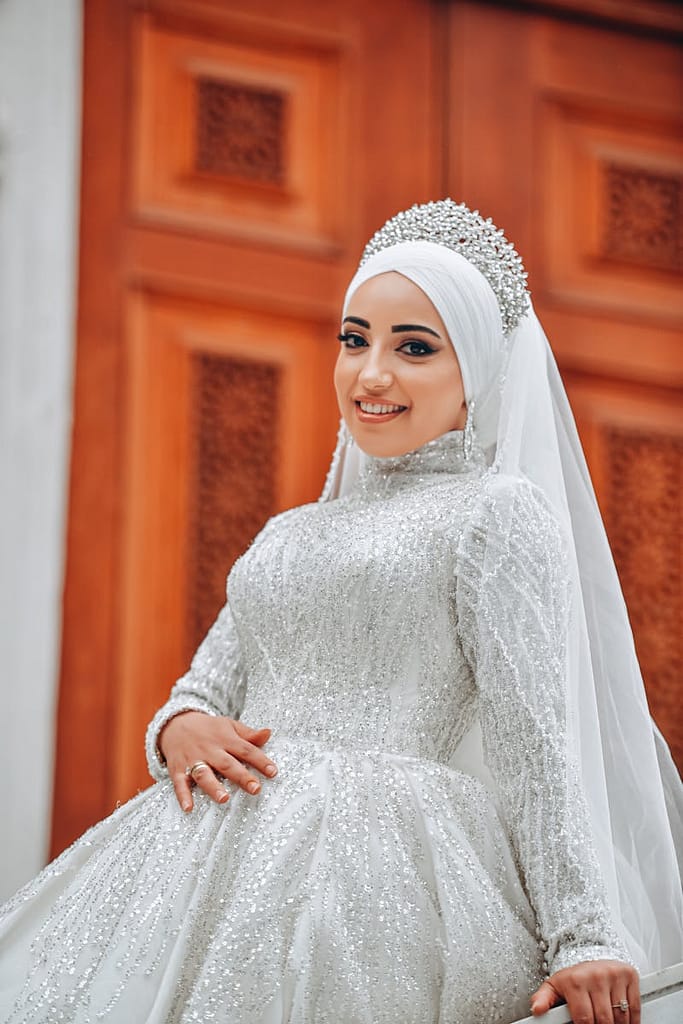
Dress silhouettes in traditional Muslim wedding attire expertly balance modesty and contemporary fashion trends. Flowing shapes such as A-line gowns, long flowing skirts, and loose-fitting dresses allow brides to embrace cultural norms while expressing personal style. The layered designs and structured fabrics provide elegance without compromising on comfort or the intent to maintain modesty, resulting in a captivating visual appeal that still adheres to traditional values.
- Traditional vs. Modern Interpretations
While traditional designs emphasize full garments with intricate layering and minimal skintight elements, modern interpretations often incorporate contemporary cuts, such as off-the-shoulder styles or high-low hemlines. This evolution reflects a blending of cultural heritage with global fashion influences, allowing today’s brides to choose styles that resonate with their personalities while respecting their traditions. Such adaptations can still preserve the important components of modesty and cultural significance.
- The Balance Between Comfort and Aesthetic Appeal
For many brides, achieving a balance between comfort and aesthetic appeal is important. Traditional Muslim wedding dresses are crafted with breathable fabrics and roomy silhouettes, allowing ease of movement during ceremonies and celebrations. Adorning these gowns with delicate details, such as lace or beading, enhances their elegance while ensuring that brides remain comfortable throughout their special day.
Striking the right balance between comfort and aesthetic appeal can dramatically impact a bride’s experience on her wedding day. Soft, lightweight fabrics like chiffon, silk, and georgette often play a prominent role in creating dresses that move gracefully while remaining easy to wear. Furthermore, thoughtful embellishments such as intricate embroidery remain lightweight, ensuring that the gown doesn’t become cumbersome. This harmony allows brides to engage fully in celebrations, dance, and enjoy their time with family and friends without feeling restricted or uncomfortable.
Rituals and Symbols Embedded in Wedding Attire
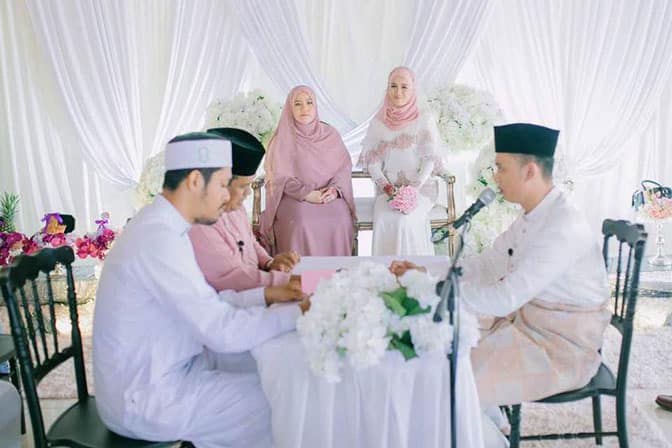
Traditional Muslim wedding attire is rich with rituals and symbols that reflect cultural heritage and personal beliefs. Each element of the outfit serves a purpose, whether to convey social status, express family traditions, or signify spiritual unity with their partner. The intricate designs and colors often tell a story about the couple’s background, with many drawing inspiration from regional heritage and historic practices. Consequently, every stitch and embellishment carries profound meaning, binding the couple to their cultural roots while celebrating their new life together.
- The Meaning Behind the Veil
The veil, often worn by the bride on her special day, is packed with symbolism, representing modesty and purity. Traditionally, it signifies a woman’s transition from her family to her husband’s household, symbolizing the spiritual connection established in marriage. The act of wearing a veil also reflects the bride’s intentions to honor Islamic values, enhancing her beauty while upholding her modest demeanor throughout the festivities and ceremony.
- Other Accessories: Cultural Significance and Use
In addition to the veil, various accessories play vital roles in enhancing the overall wedding ensemble. For instance, elaborate jewelry, such as gold bangles and intricate necklaces, symbolizes prosperity and the bride’s family’s wealth. The addition of henna designs on the hands and feet, known as mehndi, is a common practice that signifies joy and creativity, often celebrated at pre-wedding gatherings. Moreover, the use of colorful dupattas or shawls further enriches the attire, serving as a nod to traditional artistry and family legacy.
Beyond mere decoration, these accessories are carefully chosen to reflect not only personal style but also cultural identity. Gold jewelry often signifies cultural wealth and is believed to bring good luck to the couple, while regional variations in accessories highlight diverse customs within the Muslim community. For example, in South Asia, the bride might wear heavy, ornate jewelry paired with vibrant, richly embroidered attire, while in the Middle East, simpler, more elegant pieces may be favored. These choices underscore the fusion of individual expression and cultural tradition, making each wedding attire unique to the couple while remaining steeped in collective heritage.
The Evolution of Muslim Wedding Dresses in Contemporary Society
In modern times, Muslim wedding dresses have seen a remarkable transformation, blending traditional elements with contemporary aesthetics. Today’s brides often explore various styles and fabrics, reflecting their personal tastes while honoring their cultural heritage. The incorporation of innovative designs has led to a richer tapestry of choices, allowing them to express their individuality within the framework of tradition.
- Influences from Fashion Trends
Contemporary Muslim wedding dresses are increasingly inspired by global fashion trends, resulting in unique interpretations of traditional attire. Designers incorporate elements such as intricate beadwork, contemporary cuts, and vibrant colors, which enhance the gown’s overall elegance. This fusion often caters to a younger generation eager to embrace modernity while maintaining ties to their cultural roots.
- Maintaining Tradition While Embracing Change
As fashion evolves, many Muslim brides seek to balance traditional expectations with personal style. This is evident in the adaptation of classic silhouettes and fabrics, where traditional garments are reimagined with modern techniques and embellishments. The result is a striking combination of past and present, allowing brides to feel both culturally connected and fashion-forward on their special day.
The quest to maintain tradition while embracing change is prevalent among Muslim brides and designers alike. Many choose to incorporate heritage motifs, family heirlooms, or culturally significant colors into their attire, thus preserving a sense of identity. At the same time, they embrace modern aesthetics, such as off-the-shoulder designs or contemporary color palettes, creating a harmonious blend of tradition and innovation. This dance between honoring the past and celebrating the present highlights the adaptability of Muslim wedding attire in today’s society.
To wrap up
Hence, traditional Muslim wedding dresses are rich in symbolism, reflecting cultural identity, spirituality, and the profound significance of marriage. The colors, fabrics, and designs chosen often convey messages of purity, love, and prosperity, showcasing the couple’s values and heritage. By understanding these elements, one can appreciate the deeper meanings woven into each garment, which not only adorns the bride but also represents the unity and sanctity of the marriage bond in Muslim traditions.