Table of Contents
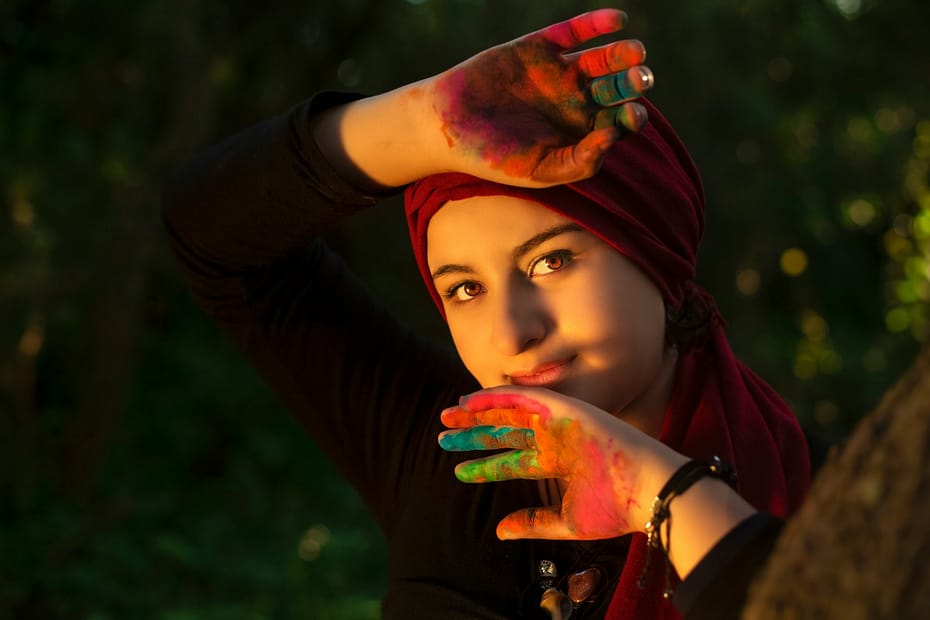
Many cultures across the world have embraced the hijab as a powerful symbol of identity and fashion. As you explore global hijab trends from Malaysia to Morocco, you’ll discover a rich tapestry of styles, colors, and fabrics that reflect local values and modern influences. This journey will not only enhance your understanding of hijab fashion but also showcase how diverse traditions come together to create unique expressions of beauty and self-expression. Dive into the fascinating world of hijabs and see how these trends can inspire your own wardrobe.
Historical Context of Hijab in Muslim Cultures
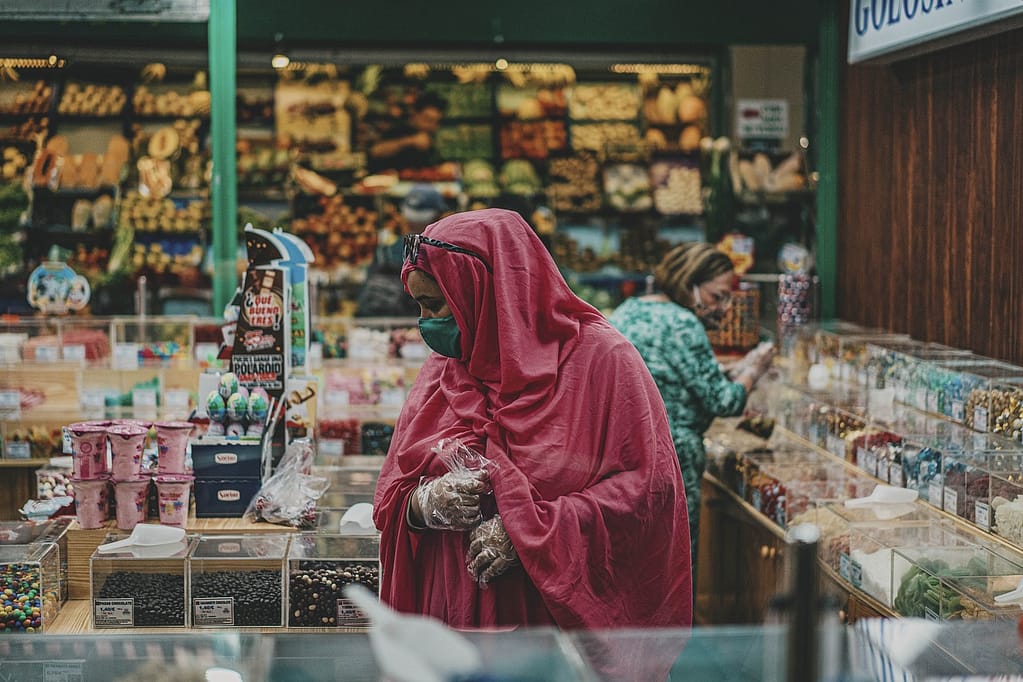
Before you explore the diverse hijab trends across the globe, it’s vital to understand the historical context of hijab in Muslim cultures. The practice of veiling can be traced back to early Islamic societies, where it was not just a symbol of modesty but also an embodiment of cultural, social, and religious identities. Over centuries, the significance of hijab has evolved, reflecting the changing dynamics within communities and their interpretations of faith and femininity.
GLOBAL HIJAB TRENDS
Context is pivotal in understanding traditional hijab practices. In many Muslim cultures, the hijab has been worn as a commitment to privacy and modesty, aligning with religious beliefs and local customs. Variations such as the niqab, chador, and dupatta illustrate how cultural influences shape hijab styles. Each type signifies not just personal choice but often a deeper connection to heritage and identity.
Evolution of Hijab Over the Decades
Hijab has significantly evolved over the decades, influenced by various sociopolitical and cultural factors. You’ll notice that fashion trends, global dialogues on feminism, and increased media representation have all played a role in shaping contemporary hijab styles. Today, women adapt hijab to express individuality while honoring their faith.
Also, as societal views shift, the designs and fabrics of hijab have diversified remarkably. From vibrant colors and patterns to high-fashion collaborations, today’s hijab is a canvas for personal expression. Engaging with global fashion trends, modern hijab wearers often blend timeless traditions with contemporary aesthetics, demonstrating that hijab can be both a statement of faith and a mode of personal style.
Regional Variations of Hijab: Malaysia
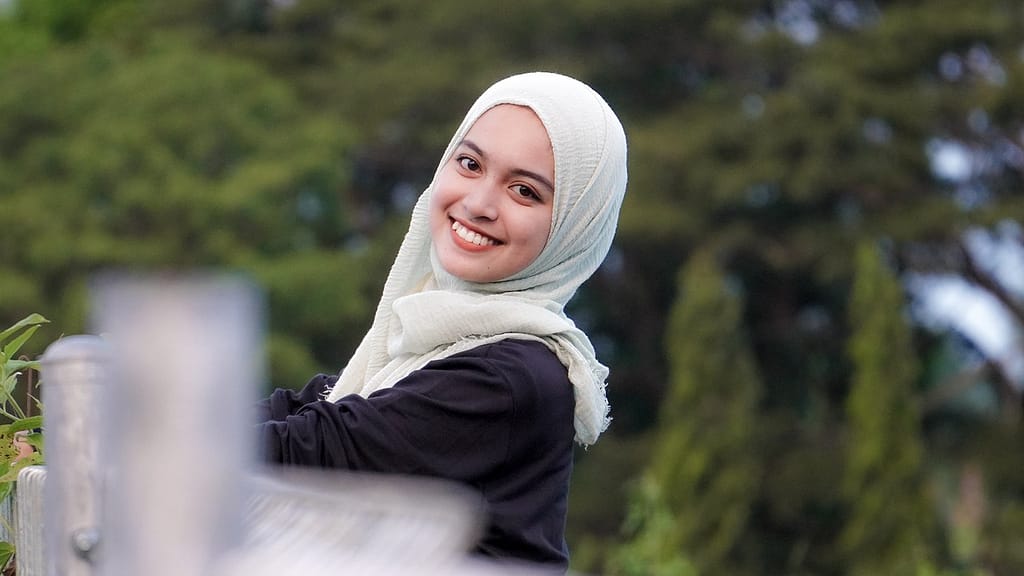
One fascinating aspect of hijab in Malaysia is its diverse styles that reflect the country’s rich cultural tapestry. The hijab here is often seen not only as a form of modesty but also as an expression of individual identity, seamlessly blending traditional motifs with modern fashion sensibilities. You will find that Malaysian women incorporate bright colors, intricate patterns, and various fabrics, making their hijab choices as much about personal style as about cultural significance.
Cultural Significance
Along with its role in modesty, the hijab holds deep cultural significance in Malaysia. It symbolizes a woman’s commitment to her faith while also reflecting her connection to Malaysian heritage. As you move through different regions, you’ll notice how local customs and ethnic diversity shape the ways women wear their hijabs. This rich history impacts how you perceive the style, turning the hijab into a cultural emblem and personal statement.
Modern Interpretations and Trends
Above traditional styles, modern interpretations of the hijab are gaining momentum in Malaysia, thanks to the influence of social media and fashion trends. Many designers are creatively merging contemporary elements with traditional fabrics, offering headscarves that cater to young, fashion-forward women. As you explore these trends, you’ll discover how Malaysian hijab fashion sets itself apart, all while preserving its significance in the daily lives of women.
Variations in modern hijab styles can encompass everything from chic, oversized silhouettes to intricate layering techniques. Many influencers and designers are championing unique accessories, such as embellished pins and brooches, which add flair to basic hijabs. You may also notice that many women are embracing minimalism, opting for simpler, more elegant looks that highlight their personal style over traditional adornments. Such trends not only reflect global influences but also foster a sense of community among women who share their styling tips and ideas online.
Regional Variations of Hijab: Morocco
While the hijab is often perceived through a universal lens, Morocco showcases unique cultural expressions that blend tradition with modernity. The Moroccan hijab, or “hbila,” varies significantly across regions, influenced by local customs, colors, and patterns. You will find that urban areas tend to embrace contemporary fashion, while rural communities maintain more traditional styles, reflecting the diverse identity and heritage of Moroccan women.
Historical Influences
Influences from various dynasties, such as the Almoravids and Almohads, have shaped Morocco’s sartorial landscape. The hijab evolved through time, incorporating Berber, Arab, and African elements reflective of the nation’s rich history. As you discuss its roots, you’ll uncover how these historical interminglings have created a distinct identity that transcends simple fabric.
Contemporary Styles and Influence
With Morocco being a cultural melting pot, contemporary hijab styles are vibrant and varied, often accentuated by bold prints and bright colors. You may notice that Moroccan women often experiment with fabrics and accessories, combining traditional techniques with modern design influences. This has resulted in a unique fashion statement that celebrates both modesty and expression, allowing you to embrace the diversity of hijab styles.
And as you explore further, you will see how international fashion trends have infiltrated Moroccan hijab culture, giving rise to hybrid styles. Fashion influencers and local designers play a significant role, showcasing these contemporary variations on social media platforms. This dynamic blend allows you to appreciate a modern take on the hijab while maintaining the cultural essence that is inherently Moroccan.
Global Influences on Hijab Trends
After exploring the varying styles of hijabs across different cultures, you’ll discover how global influences significantly shape these trends. As social movements and cultural exchanges evolve, so do the interpretations and designs of hijabs. Elements from fashion capitals blend with traditional motifs, allowing wearers to express their identity while staying connected to a broader narrative within the global fashion industry.
Social Media and the Fashion Industry
To understand the contemporary hijab trends, you must consider the role of social media and the fashion industry. Platforms like Instagram and TikTok provide an accessible space for influencers to showcase diverse hijab styles, fostering a community that values both tradition and modernity. This digital footprint significantly impacts your perception of fashion, allowing you to draw inspiration from a myriad of styles that celebrate individuality.
Celebrity Endorsements and Collaborations
Against this backdrop of social media influence, celebrity endorsements and collaborations have become prominent in shaping hijab trends. These well-known figures lend their influence, bridging the gap between high fashion and everyday wear. Their styles not only reach wider audiences but also empower individuals to embrace hijab fashion in innovative ways.
A key aspect of these endorsements lies in the visibility they provide. When celebrities don hijabs, they showcase them in fashionable ways that resonate with followers. Collaborations with major fashion labels also introduce fresh designs tailored to contemporary tastes. This not only elevates the hijab as a fashion statement but also underscores its significance in cultural expression, allowing you to explore styles that align with your personal taste while acknowledging your heritage.
The Role of Fashion Weeks and Modest Fashion Shows
Keep an eye on the evolving landscape of fashion weeks and modest fashion shows, as they serve as significant platforms for diverse styles. These events celebrate the beauty of modest attire and encourage inclusivity within the fashion industry. By showcasing innovative designs that blend contemporary trends with traditional elements, these shows help redefine perceptions of modest fashion, allowing you to explore unique styles from designers worldwide.
Expansion of Modest Fashion Market
After witnessing a growing demand for modest clothing, the modest fashion market has expanded significantly. You can now find a variety of brands and designers offering stylish options that cater to different tastes, needs, and occasions. With the rise of social media and influencers, this market is gaining visibility, encouraging more retailers to consider versatile lines that appeal to your personal style while respecting cultural values.
Key Designers and Their Contributions
Role models in modest fashion are redefining the industry’s landscape. You might find that several key designers have successfully merged functionality with style, showcasing how modest clothing can be both chic and practical. Their collections often draw on a myriad of cultural influences, ensuring a rich tapestry of options available to you.
Modest fashion designers are pivotal in bridging the gap between tradition and modernity. They create pieces that not only reflect diverse backgrounds but also cater to your individual expression through style. By introducing innovative fabrics, cuts, and color palettes, these designers encourage you to embrace modesty while still making a fashion statement. Collaborative efforts among these creatives have resulted in initiatives that promote sustainability and ethical fashion practices, enhancing your shopping experience while aligning with values that matter to you.
Societal Perceptions and Challenges
Despite the growing acceptance of hijabs worldwide, societal perceptions and challenges persist. Many women face discrimination and prejudice based on cultural stereotypes. These misunderstandings can lead to social exclusion and stigmatization of hijab-wearing individuals, impacting their personal and professional lives.
Stereotypes and Misunderstandings
Stereotypes often overshadow the diverse expressions of hijab across cultures. You may encounter a range of misconceptions when discussing this topic.
- Hijab as oppression
- Uniformity of style and purpose
- Lack of individuality among hijab wearers
- Connection to terrorism or extremism
- Misunderstanding religious freedom
Any dialogue that aims to debunk these stereotypes can foster a deeper understanding of the complex narratives behind each hijab-wearing woman.
Empowerment and Identity through Hijab
Behind the fabric of a hijab lies a strong sense of empowerment and identity. For many women, wearing a hijab symbolizes personal choice, spirituality, and self-expression. It connects them to their cultural roots while allowing them to navigate the modern world with confidence.
Empowerment through hijab is not merely about adhering to a religious norm; it reflects autonomy and personal conviction. You might find that for some, it is a statement of individuality and resilience, challenging societal norms that seek to define women’s identities. By embracing hijab, women not only assert their beliefs but also redefine their roles within society, promoting a message of strength and unity while encouraging dialogue about the significance of personal expression and cultural diversity.
Conclusion
Summing up, understanding global hijab trends from Malaysia to Morocco offers you valuable insights into how cultural, social, and fashion influences shape personal expression among Muslim women. You can appreciate the rich diversity and creativity in hijab styles that cater to different tastes and preferences while fostering a sense of identity and belonging. By exploring these trends, you can enrich your own wardrobe and connect more deeply with the global community of hijab-wearers.