Table of Contents
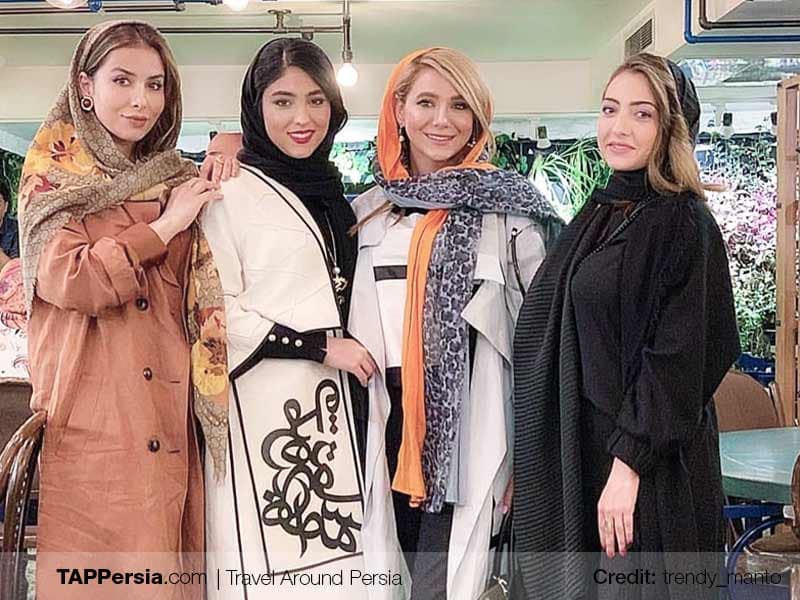
It’s fascinating to explore the rich history of Persian influence on Muslim fashion, a topic that reveals the intricate ways in which culture and style intersected throughout centuries. Discover that Persian aesthetics have permeated various aspects of Islamic attire, from textiles to patterns, shaping the identity of Muslim fashion across diverse regions. She notes how historical trade routes and interactions between Persian and Muslim cultures facilitated this exchange, leading to unique garments that speak to both elegance and modesty. They research into specific examples that illustrate the lasting impact of Persia on contemporary Muslim fashion today.
Persian Influence on Muslim FashionLThe Cultural Tapestry of Persia
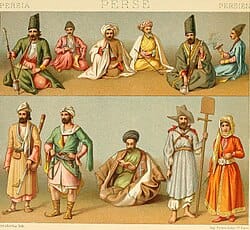
The vibrant culture of Persia weaves a complex tapestry, rich in artistry and tradition, which has significantly influenced Muslim fashion throughout the centuries. The melding of diverse artistic expressions, from intricate designs to soft, flowing fabrics, has created a distinct style that continues to inspire contemporary fashion. Persian culture celebrated opulence and attention to detail, reflected in attire that incorporated symbolic motifs and ornate embellishments. This legacy endures, as modern Muslim fashion often draws on these enduring elements, showcasing the deep-seated connection between Persian artistry and Islamic sartorial practices.
- Historical Roots of Persian Textiles
Pondering the historical roots of Persian textiles reveals a heritage steeped in craftsmanship that dates back thousands of years. Techniques such as weaving, dyeing, and embroidery were perfected in Persia, producing luxurious fabrics like silk and brocade. These textiles were not merely functional; they were statements of culture and status, adorned with elaborate patterns and motifs inspired by nature, mythology, and the spiritual world. Artisans in cities like Isfahan and Kashan became celebrated for their sophisticated creations, establishing Persia as a textile powerhouse that would influence surrounding regions and beyond.
- The Role of Trade in Fashion Dissemination
Trade played a pivotal role in the dissemination of Persian fashion, connecting distant lands and cultures. Through intricate trade routes, Persian textiles reached markets in Europe, Central Asia, and the Middle East, where they were prized for their quality and aesthetic appeal. This exchange not only introduced Persian styles but also allowed for the fusion of local artisanship with Persian influences, leading to a unique evolution of fashion across continents. Persian carpets, garments, and accessories became symbols of prestige and were often sought after by elite classes, signaling the profound impact of economic interplay on cultural attire.
Merchants ventured across perilous terrains, transporting coveted textiles that showcased intricate designs and rich colors. For instance, Persian silk garments, embellished with gold thread and unmatched artistry, found their way into the wardrobes of European nobility during the Renaissance, elevating local styles by integrating Persian elements. This fusion not only enriched local fashion but also facilitated a cultural exchange that left an indelible mark on global sartorial traditions, demonstrating how trade and fashion are inextricably linked throughout history.
The Interplay of Religion and Fashion
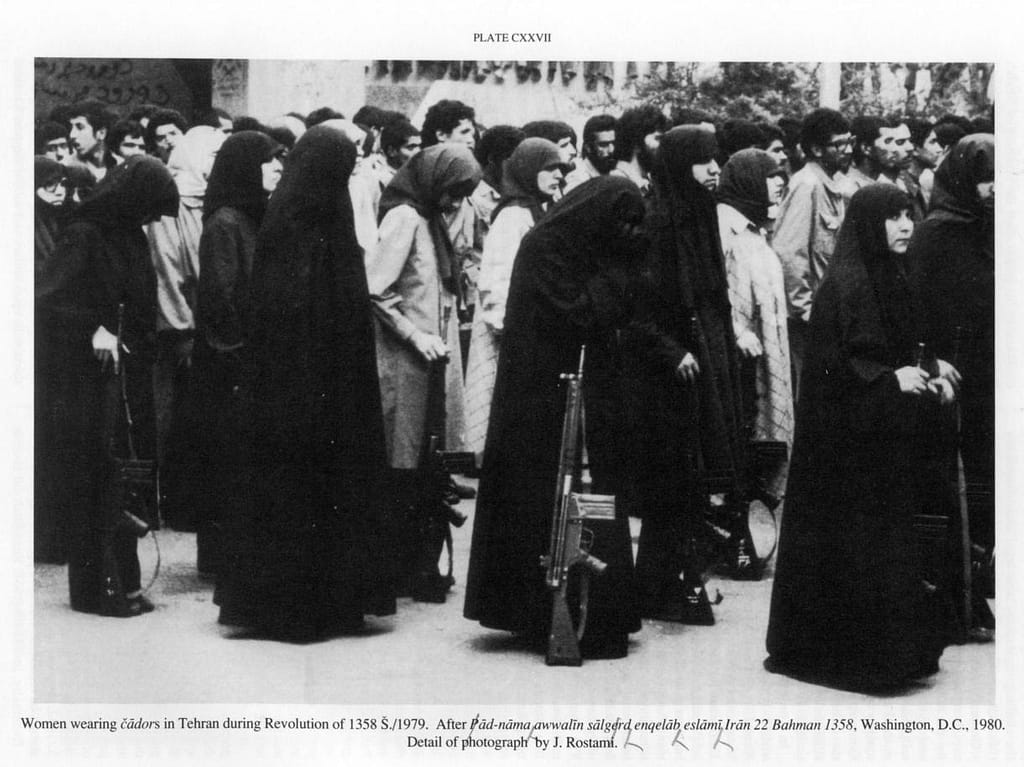
Fashion within the Muslim world has long been intertwined with religious principles, shaping attire in striking ways. This relationship creates a delicate balance between personal expression and adherence to Islamic values, where modesty is often a guiding principle influencing design, fabrics, and cuts. As communities evolve, so too do interpretations of appropriate dress, reflecting both local customs and broader cultural exchanges.
- Islamic Principles Shaping Dress Codes
Islamic teachings emphasize modesty, leading to distinct dress codes within Muslim communities. The Quran and Hadith set forth guidelines that suggest loose-fitting clothing that covers the body adequately. For example, women are encouraged to wear hijabs, while men often opt for long garments. These principles serve to foster a sense of community identity, while allowing for regional variations that reflect local traditions and lifestyles.
- Persian Ambiguities: Bridging Tradition and Modernity
The Persian influence on fashion incorporates a fascinating blend of historical tradition and modernity, resulting in a unique style that resonates with many today. Within Persian society, traditional garments like the chador and qabā have seen adaptations, with contemporary designers incorporating vibrant patterns and luxurious fabrics. This shift demonstrates how cultural heritage can be preserved while evolving with the times, creating a dynamic fashion landscape that celebrates both past and present.
In recent decades, Persian fashion has deftly navigated the complexities of tradition and modernity, particularly as globalization has introduced new influences. Avant-garde designers in cities such as Tehran and Isfahan showcase innovative silhouettes while honoring centuries-old motifs and craftsmanship. This fusion can be seen in modern interpretations of the traditional Persian veil, where designers integrating bold colors and contemporary fabrics appeal to younger generations. This blending of old and new not only sustains cultural identity but also provides individuals in a globalized world with a means of self-expression rooted in heritage, highlighting the versatility found within Persian fashion.
Persian Aesthetics in Muslim Attire
Painstakingly rich in detail and artistry, Persian aesthetics have profoundly influenced Muslim attire throughout history. Clothing styles often reflect intricate designs that blend elegance with functionality, showcasing the craftsmanship and creativity of contemporary and historical artisans. This aesthetic tradition emphasizes flowing fabrics, beautifully tailored cuts, and ornamental embellishments that reflect the cultural significance of elegance and modesty within Islamic values.
- Iconic Patterns and Motifs in Muslim Clothing
The symbolism in patterns and motifs serves a significant role in Muslim clothing, with many designs rooted in Persian heritage. Iconic geometric patterns, floral designs, and calligraphy are prevalent, representing beauty and spirituality. These designs often convey themes of nature and divine inspiration, reflecting a deep connection with the universe and the Islamic faith.
- Color Significance: Beyond Aesthetics
Colors in Muslim fashion carry complex symbolism that transcends mere aesthetic appeal. Specific hues not only convey cultural identity but also express spiritual meanings intertwined with religious traditions.
Colors such as green hold a special place, representing paradise and spirituality, while blue often symbolizes protection and tranquility. The use of red is frequently associated with strength and vitality, whereas black can represent mourning or elegance, depending on the context. These color choices often vary by region, revealing the local culture’s influence, historical significance, and ethnic identity in the garments worn. As such, Persian-inspired colors become vehicles for expressing a rich tapestry of beliefs and traditions within the diverse Muslim world.
The Evolution of Persian Influences in Contemporary Fashion
Persian aesthetics have transformed significantly over time, continually merging with modern sensibilities while retaining their cultural essence. Designers today often draw upon ancient motifs, intricate embroidery, and elaborate color palettes that echo the traditional craftsmanship of Persian garments. This evolution reflects a blend of old and new, crafting pieces that resonate not only with cultural heritage but also with contemporary fashion trends. Influences can be seen in high fashion runways, streetwear, and everyday attire, highlighting how Persian influence is reimagined in today’s world.
- Resurgence of Traditional Styles in Modern Regalia
Contemporary fashion has experienced a notable return to traditional Persian styles, with designers creating collections that celebrate classic silhouettes. Garments such as the long tunic known as the ‘kamkhwab’ and the elegantly draped ‘chador’ have been reinterpreted in innovative ways, ensuring they appeal to a modern audience. This blending of tradition and modernity allows wearers to connect with their heritage while embracing current fashion sensibilities, making these once-passé styles relevant once more.
- Globalization’s Role in Reviving Persian Sartorial Heritage
Globalization has served as a catalyst for revitalizing Persian sartorial heritage, fostering cross-cultural exchanges that enrich the fashion landscape. Designers from various backgrounds have begun to appreciate and incorporate Persian elements into their works, leading to collaborative efforts that celebrate this rich history. Fashion weeks around the world now showcase collections that fuse Persian artistry with global trends, facilitating a broader understanding and appreciation of these cultural artifacts.
The rise of social media platforms has further amplified this revival, enabling designers to share their creations with a global audience. Fashion influencers and stylists are increasingly pairing contemporary outfits with traditional Persian accessories, creating a hybrid style that resonates with diverse audiences. Furthermore, e-commerce platforms facilitate the availability of traditional Persian textiles and designs in international markets.
Fashion Icons: Modern Figures Who Embrace Persian Influence
Contemporary fashion has seen a revival of Persian-inspired aesthetics through various influential figures. These icons have redefined style by incorporating elements from rich Persian heritage, promoting a cross-cultural dialogue that resonates globally. They serve as bridges connecting age-old designs to modernity, leveraging their platforms to celebrate and share the intricate beauty of Persian artistry with diverse audiences.
- Celebrities Championing Persian-Inspired Designs
Numerous celebrities have emerged as advocates for Persian-inspired designs, using their influence to mainstream these rich traditions. Notably, stars like Gigi Hadid and Rihanna have donned ensembles featuring intricate Persian embroidery or vibrant prints, showcasing the beauty of this heritage at high-profile events. Their enthusiastic embrace of such designs not only garners attention but elevates Persian craftsmanship in the global fashion narrative.
- Designers Merging East and West
Innovative designers are increasingly blending Eastern and Western elements, creating collections that celebrate Persian aesthetics while appealing to contemporary tastes. This fusion results in fresh interpretations of traditional patterns and silhouettes, leading to unique pieces that resonate with a broad audience.
Designers like Reem Acra and Naeem Khan stand at the forefront of this movement, often drawing inspiration from Persian motifs, luxurious fabrics, and intricate handwork. They harmoniously marry these timeless elements with modern styles, resulting in a fresh yet familiar aesthetic. For instance, Acra’s collections frequently feature fluid silhouettes adorned with Persian-inspired embellishments, while Khan integrates rich textile techniques reminiscent of Persian art into his designs.
Summing up
On the whole, she highlights that the rich history of Persian influence on Muslim fashion is marked by intricate designs, vibrant colors, and cultural synthesis. Note that this legacy, stemming from ancient Persia, has shaped clothing styles across various regions, blending traditional elements with contemporary interpretations. They acknowledge that the evolution of these fashion trends reflects broader historical contexts, illustrating the lasting impact of Persian artistry on the Muslim world. As a result, Persian influence continues to enrich modern Muslim fashion, making it a dynamic and culturally significant field.