Table of Contents
You may have seen the kufi hat, a timeless piece of headwear that transcends cultural boundaries and generations. Originating from various African and Middle Eastern cultures, this versatile accessory has been embraced for both its historical significance and stylish design. Whether you’re looking to make a fashion statement or honor a tradition, the kufi offers a unique blend of elegance and personal expression. Discover the fascinating background, style variations, and modern adaptations of the kufi, and learn how you can incorporate this iconic piece into your wardrobe.
The History of the Kufi

To understand the significance of the Kufi, one must probe into its rich history. This traditional hat, often associated with Islamic culture, has roots that trace back to ancient civilizations in Africa and the Middle East. Worn by men and, in some cultures, women, the Kufi serves as both a symbol of religious devotion and a marker of cultural identity. As you explore the Kufi’s past, you will appreciate its continued relevance in today’s fashion scene.
Origins and Cultural Significance
With a history dating back centuries, the Kufi hat originated in various parts of Africa and the Middle East. Historically, it has symbolized piety, respect, and cultural pride, often worn during religious ceremonies and daily activities. As you discover its origins, you will see how this humble accessory has become deeply woven into the social fabric of numerous communities.
Evolution Through Time
By bridging traditional craftsmanship with contemporary styling, the Kufi has evolved significantly. Initially crafted from wool or cotton and predominantly worn by men of faith, the Kufi now embraces various fabrics, colors, and designs, appealing to a broader audience. As you explore this evolution, you will find that modern designers have reinterpreted the Kufi, transforming it into a versatile piece that resonates with today’s fashion enthusiasts.
Time has allowed the Kufi to transcend its original religious and cultural boundaries, adapting to meet the tastes and preferences of diverse populations. In its journey through different eras, the Kufi has been embraced by fashion icons and streetwear enthusiasts alike, which illustrates its versatility and enduring appeal. As you incorporate the Kufi into your wardrobe, you will not only be wearing a stylish hat but also a piece of history that symbolizes resilience and cultural richness.
Kufi Designs and Variations

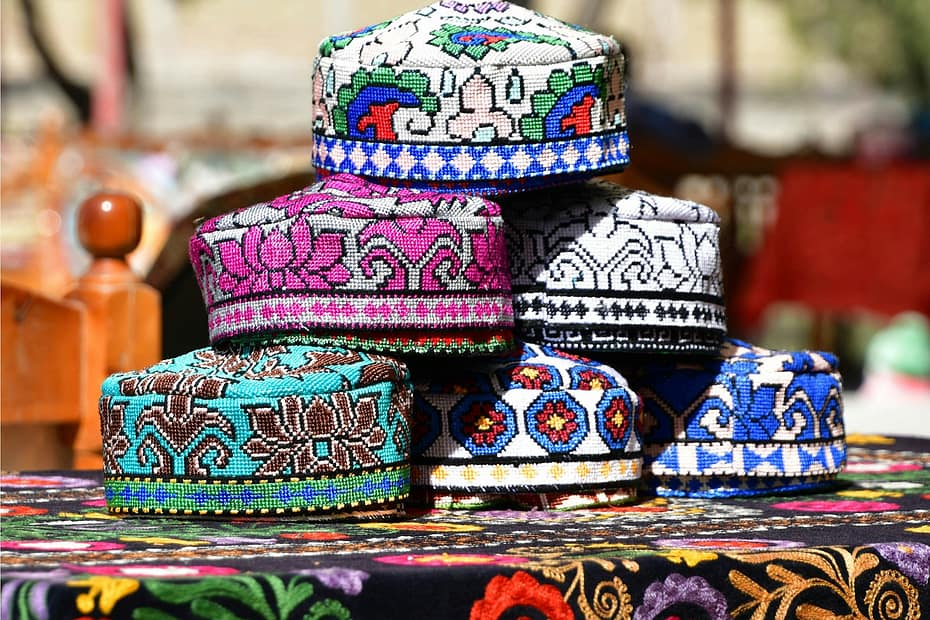
If you’re exploring the world of kufi hats, you’ll discover an impressive variety of designs and styles that reflect rich cultural heritages. From traditional patterns to contemporary adaptations, each kufi tells a story, allowing you to express your personal style while honoring history. Whether you prefer intricate embroidery or bold, minimalist looks, there’s a kufi that aligns with your aesthetic and cultural identity.
Traditional Patterns
Before the rise of modern designs, kufis were often adorned with traditional motifs inspired by Islamic art and culture. These patterns might include geometric shapes, floral designs, and intricate calligraphy, representing spiritual beliefs and artistic expression. Each design carries significance and serves as a connection to a historical past, enriching your experience when you wear a kufi.
Contemporary Styles
Around the globe, modern kufi styles have emerged, blending traditional elements with contemporary fashion trends. These designs may incorporate vibrant colors, innovative materials, and unique shapes that appeal to a wider audience. You’ll find kufis that suit various occasions, from casual wear to more formal events, adding versatility to your wardrobe.
Patterns vary widely in contemporary kufi designs, allowing you to experiment with your look. From sleek and simple designs that accentuate your outfit to bold, eye-catching patterns that make a statement, contemporary kufis offer something for everyone. You can easily pair them with both traditional attire and casual outfits, showcasing your personal style with confidence and flair.
The Kufi in Modern Fashion
There’s an undeniable charm to the Kufi, which has woven its way into contemporary fashion, transcending cultural boundaries and appealing to diverse audiences. Designers are increasingly incorporating this traditional hat into their collections, showcasing its versatility as both a standalone statement piece and a complementary accessory. You may find the Kufi in street style looks, formal attire, or even at music festivals, reflecting its adaptability and the way it resonates with younger generations seeking authenticity in their fashion choices.
Influence on Global Fashion Trends
Below the surface, the Kufi’s influence on global fashion trends is profound. Its rich heritage and unique designs have inspired countless fashion designers worldwide, blending traditional craftsmanship with modern aesthetics. As you explore various fashion scenes, you may notice elements drawn from the Kufi making their way into high-end collections, casual wear, and even athleisure, showcasing its far-reaching impact.
Celebrity and Cultural Endorsement
Against this backdrop, numerous celebrities have embraced the Kufi, further elevating its status in modern fashion. From musicians to actors, you might see some of your favorite stars wearing the Kufi, integrating it into their personal styles while promoting cultural appreciation and awareness. Their choice to wear this distinctive piece not only highlights its aesthetic appeal but also celebrates its cultural significance.
Global recognition of the Kufi is amplified by its endorsement from influential figures within the entertainment industry. As you observe various red carpet events or public appearances, you’ll likely spot celebrities donning the Kufi as a statement of cultural pride and fashion-forward thinking. This visibility not only encourages you to explore the Kufi’s stylish potential but also serves as a catalyst for broader discussions about cultural heritage in fashion. Embracing the Kufi in your wardrobe can foster a sense of connection to its rich history while simultaneously aligning your style with contemporary trends.
The Kufi’s Role in Religious Practices
Many people recognize the Kufi as more than just a hat; it serves a significant role in various religious practices within Islamic culture. Traditionally, men wear the Kufi during prayer and other religious gatherings, emphasizing the importance of modesty and reverence. Wearing it reflects your identity as part of the community and your commitment to faith, showcasing the blend of tradition and modernity in everyday life.
Symbolism in Islamic Culture
Against the backdrop of Islamic tradition, the Kufi embodies spirituality and symbolizes faith. Wearing this hat signifies adherence to religious obligations and the respect Muslims hold for their cultural heritage. It serves as a reminder of the values and principles that guide your everyday life and spiritual journey.
Usage in Ceremonial Events
Kufis are often adorned during wedding ceremonies, religious festivals, and significant life events, adding a touch of formality and cultural pride. You may notice that these occasions create a collective sense of community, where wearing a Kufi unites individuals in celebration and solemnity.
With the Kufi’s deep-rooted significance, it becomes a focal point in ceremonial events, bridging the gap between tradition and modern-day practices. You’ll find this headwear not only enhances your appearance but also enriches the experience of special occasions. By donning a Kufi during such events, you contribute to the vibrancy of cultural expression and strengthen your bonds with others who share similar values and beliefs.
Craftsmanship and Materials
After exploring the Kufi’s rich history, it’s important to appreciate the craftsmanship and materials that contribute to its unique appeal. Each Kufi is a testament to the skill of artisans who use high-quality fabrics, often blending traditional techniques with modern innovations. Whether crafted from cotton, wool, or synthetic materials, your Kufi reflects the dedication to both form and function, ensuring it not only looks good but also stands the test of time.
Traditional Craft Techniques
After centuries of evolution, the crafting techniques used to make Kufis have remained largely unchanged. Artisans carefully create the hats by hand, often incorporating traditional methods passed down through generations. This meticulous process ensures that each Kufi is not just a garment but a piece of wearable art which captures your personal style and connection to cultural heritage.
Sustainable Sourcing Practices
Sourcing materials for your Kufi often involves a commitment to sustainability. Many artisans prioritize the use of natural fibers and dyes, which minimize environmental impact while supporting local communities. This approach not only preserves traditional craftsmanship but also aligns with a growing demand for eco-friendly fashion choices.
But the focus on sustainable sourcing goes beyond simply using eco-friendly materials. Many Kufi producers work directly with local farmers and suppliers, promoting fair trade practices and ensuring that artisans receive fair compensation. This creates a positive economic cycle that empowers communities and enhances the authenticity of your Kufi. By choosing a Kufi made through sustainable practices, you are supporting a fashion choice that respects both culture and the planet.
How to Choose and Care for Your Kufi
Now that you’re ready to embrace the elegance of the kufi, it’s important to understand how to select and maintain it. Choosing the right kufi involves considering factors such as fit, material, and style while also ensuring that it complements your personal wardrobe. Proper care will help to prolong the life of your kufi, allowing you to enjoy it for years to come.
Selecting the Right Fit and Style
An ideal kufi should fit comfortably on your head without feeling too tight or too loose. When opting for your kufi, consider the material—cotton for breathability, wool for warmth, or embroidered designs for added flair. Try on various styles to find one that not only suits your personality but also enhances your overall look.
Maintenance and Cleaning Tips
Along with selecting the right kufi, proper maintenance is key to ensuring its longevity. Clean your kufi regularly to remove dirt and oils, and store it in a cool, dry place when not in use. Here are some tips to keep your kufi looking great:
- Gently hand wash your kufi with mild detergent.
- Avoid exposing it to direct sunlight for extended periods.
- Do not machine wash or tumble dry.
Knowing how to care for your kufi can help maintain its shape and quality.
But if your kufi gets stained, address it immediately to avoid permanent marks. Use a damp cloth and a gentle cleaner for spot treatment. Here are a few additional tips:
- Always air dry your kufi; never place it on a heater.
- Occasionally steam your kufi to remove wrinkles.
- Gently reshape your kufi after washing to maintain its original form.
Knowing these maintenance tips ensures that your kufi continues to serve as a stylish and meaningful accessory.
Conclusion
Presently, the Kufi stands as a testament to the rich cultural heritage while seamlessly integrating into modern fashion. By incorporating this traditional hat into your wardrobe, you not only celebrate a unique piece of history but also express your individual style. Whether worn during religious observances or as part of everyday attire, the Kufi can enhance your look with its distinct charm. Embrace the versatility of the Kufi and let it be a conversation starter that connects you with a broader cultural narrative.