Table of Contents
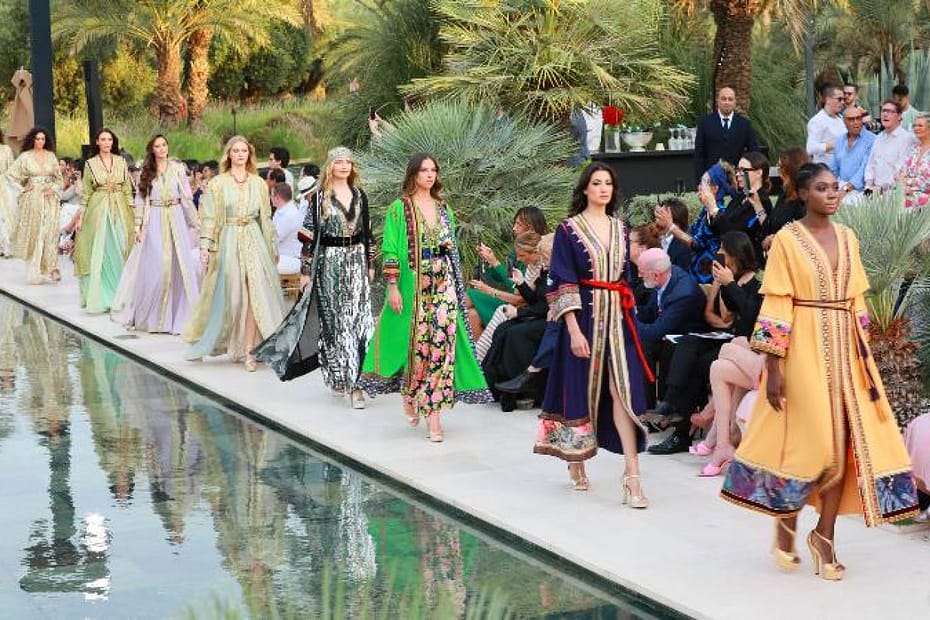
Morocco, a nation known for its rich history and lively culture, boasts a fashion sector that skillfully combines modernism and tradition. The country’s varied background, which includes Berber, Arab, Andalusian, and French influences, is captivatingly reflected in Moroccan design. This article explores the fascinating realm of Moroccan fashion, where the past and present meet harmoniously to produce a distinctive and classic tapestry.
It’s the perfect time for you to investigate how Morocco transformed itself into a powerhouse for Muslim clothing innovation. You’ll discover the blend of tradition and modernity that fuels this vibrant fashion scene, showcasing creativity that’s not just about looks but also about identity. Get ready to explore the influences, the emerging designers, and why this North African country is the go-to place for stylish, impactful Muslim fashion. Your perspective on what clothing can mean will shift as you uncover this dynamic journey.
The Historical Tapestry of Moroccan Fashion
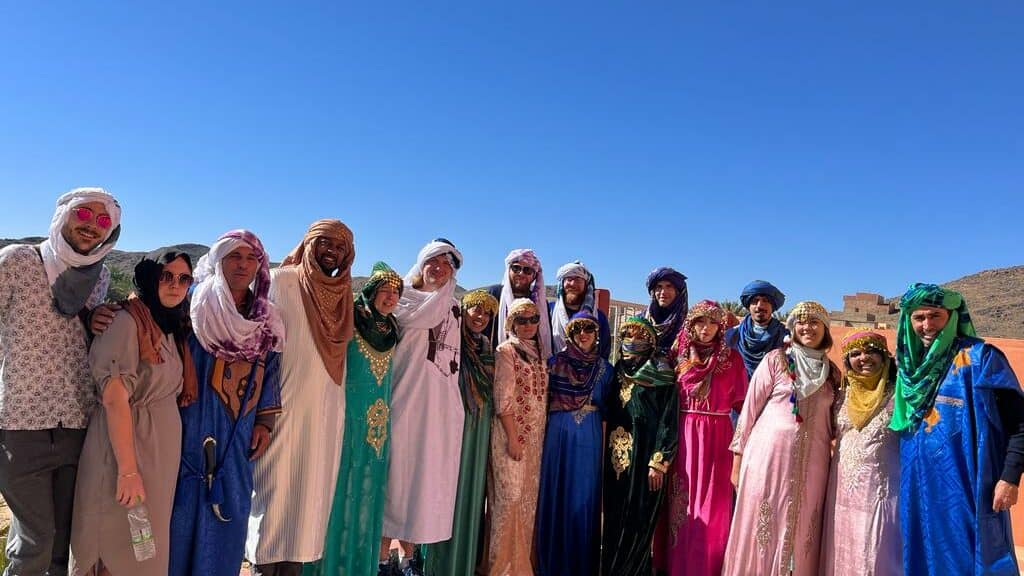
Moroccan fashion weaves together a vibrant historical tapestry influenced by various cultures and eras. Each thread represents a different characteristic, from the intricate embroidery of traditional garments to the vibrant colors reflecting the nation’s diverse geography. This unique blend of heritage has positioned Morocco as a significant player in the fashion scene, where history and modernity coexist harmoniously, showing that the past is not just a memory but a living inspiration.
Moroccan traditional attire is still deeply ingrained in the country’s traditions and culture. While industrialization has changed many parts of the world, some Moroccan regions continue to adhere to their traditional dress traditions. The essence of Moroccan clothing has remained constant over the years, despite changes in textiles and fashion. Regions proudly showcase a variety of clothing styles derived from ancient traditions.
- The Influence of Berber and Arab Cultures
Berber and Arab cultures jointly shape Morocco’s clothing identity, fusing ancient traditions with contemporary styles. Berber artisans hold a reputation for their intricate craftsmanship and mastery of textiles, while Arab influences bring a sense of elegance and sophistication. This intersection is evident in the lively patterns, textures, and designs that define Moroccan attire, making it both culturally rich and visually captivating.
- The Role of Trade Routes in Shaping Styles
The ancient trade routes crossing Morocco acted as conduits for diverse cultural exchanges, vital in shaping distinct clothing styles. Merchants and travelers brought fabrics, colors, and techniques from distant lands, enriching local fashion with an eclectic mix of influences. Silk from Asia, wool from Northern Africa, and spices from the Middle East all added layers to the intricate designs you see in Moroccan traditional garments today.
Trade routes were a melting pot of innovations, influencing styles and materials from all corners of the globe. For example, the trans-Saharan trade not only provided access to rare textiles but also integrated motifs and craftsmanship from sub-Saharan Africa. An vast trans-Saharan commercial system peaked between 1200 and 1450. massive camel and merchant caravans that move products between the desert’s “shores.” Trade across the Sahara connected the great kingdoms of West Africa to the Mediterranean and Indian Ocean regions, starting with the Arab conquests in the seventh century.
As a result, the traditional kaftans you admire today often showcase a harmonious blend of influences and techniques, embodying centuries of cultural dialogue. This interplay of local artistry and foreign inspiration highlights Morocco’s role as a historical and cultural crossroads, making its fashion scene a dynamic expression of global connections.
The Rise of Modern Textile Innovation in Morocco
Morocco’s textile industry is undergoing a transformation, merging traditional craftsmanship with modern technology. Local artisans are embracing techniques like digital printing and advanced weaving methods that elevate traditional designs while meeting contemporary demands. Major cities such as Casablanca are now home to innovative textile hubs where creativity and technology flourish together, creating a new market for both domestic and international buyers seeking unique, quality products.
The introduction of Islam in the seventh century significantly altered Moroccan dress. Because Islamic doctrines promoted modesty in attire, both men’s and women’s clothing became more loose-fitting. During this period, the djellaba, a long, hooded robe, became a fashionable and useful choice for daily wear. Each location has a particular design, with regional customs reflected in the various colors and ornaments.
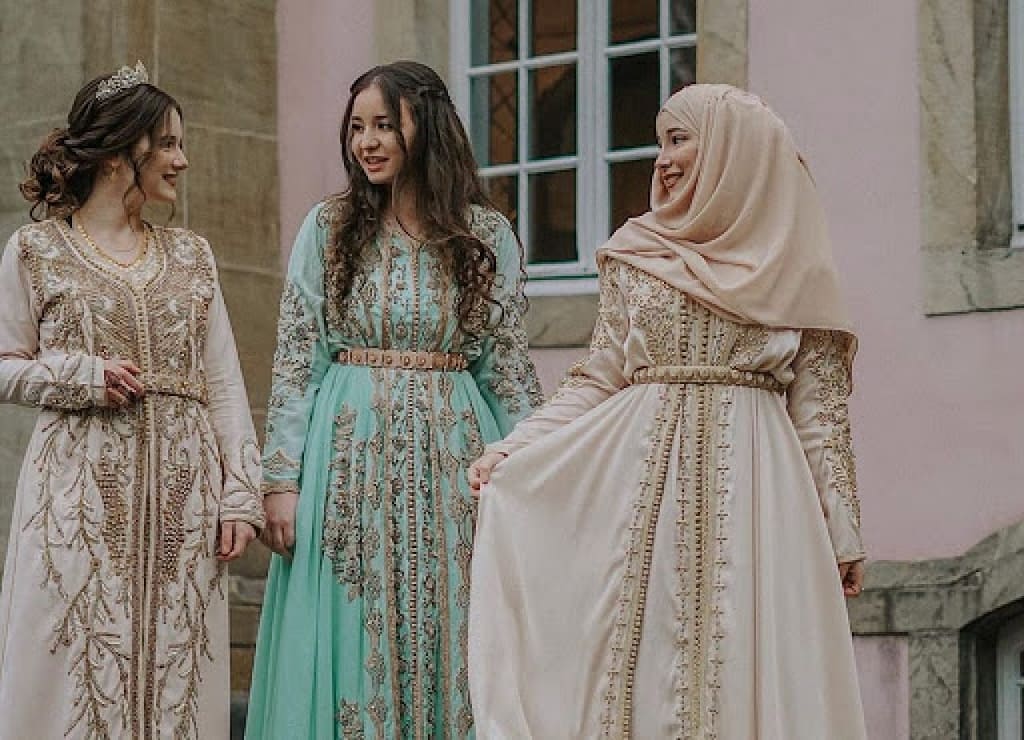
The kaftan became a symbol of sophistication and elegance and also gained popularity, especially among women. The kaftan, which is made of opulent materials and embellished with elaborate embroidery, is frequently worn to festivals and weddings.
- Pioneering Sustainable Materials and Techniques
Moroccan traditional attire is an amazing art form created by skilled craftspeople. These talented people use ancient techniques to carefully embroider clothing with elaborate motifs, weave textiles, and stitch outfits. Each piece they make is distinct, embellished with colorful designs and individual touches that the artisan’s hand has added.
Sustainability has taken center stage in Morocco’s textile sector, with forward-thinking designers experimenting with eco-friendly materials and processes. Organic cotton, recycled fibers, and natural dyes are being incorporated into fashion lines, significantly reducing environmental impact. This shift not only appeals to eco-conscious consumers but also sets a precedent for responsible production in the region, amplifying Morocco’s role in the global sustainable fashion movement.
- The Impact of Global Fashion Trends on Local Craftsmanship
Global fashion trends are now interwoven with Morocco’s rich textile heritage, resulting in a vibrant fusion of styles and techniques. This interaction has allowed local artisans to infuse traditional motifs with contemporary aesthetics, leading to unique pieces that resonate on a global scale. The demand for such hybridized products has driven innovation and trained a new generation of craftspeople to meet the evolving market needs.
As international designers and brands increasingly integrate Moroccan textiles into their collections, local craftsmanship continues to evolve. Influences from global runways can be seen in the way Moroccan artisans experiment with color combinations and silhouettes, creating wearable art that reflects both global styles and local traditions. For instance, collaborations with European fashion houses have introduced improved production techniques while retaining the authenticity of Moroccan craftsmanship. This synergistic relationship not only boosts the local economy but also ensures that traditional skills thrive in a modern context.
Entrepreneurs Igniting the Muslim Clothing Movement

Your drive fuels a vibrant movement in Morocco’s Muslim clothing sector. Entrepreneurs are stepping up, crafting fresh designs that reflect cultural heritage while appealing to modern sensibilities. This innovative spirit is evident in the emergence of numerous brands that challenge conventional norms, blending traditional textiles with contemporary styles. It’s not just about clothing; it’s a statement of identity and empowerment. Each new collection tells a story, captivating audiences both locally and globally, setting the stage for Morocco as a prominent player in the Muslim fashion market.
- Profiles of Key Innovators and Their Brands
Highlighting the innovators, you’ll find names like Amina Tazi, whose brand marries traditional Moroccan designs with high-fashion aesthetics, and Youssef El Mani, known for eco-friendly approaches in his lines. Their unique perspectives not only redefine Muslim fashion but also resonate with a diverse consumer base. Each brand is a reflection of personal journeys, cultural expressions, and a commitment to sustainability, making them vital players in this evolving landscape.
- How Business Incubators Are Fostering Growth
Business incubators in Morocco are instrumental in nurturing the next wave of fashion entrepreneurs, providing crucial resources, mentorship, and networking opportunities to help launch and grow their brands. These incubators focus on collaboration, ensuring that creative minds can innovate without constraints while gaining practical insights.
Business incubators like “The Hive” and “Startup House” have created ecosystems that support emerging talent through workshops and mentorship programs. You gain access to industry workshops, expert advice, and networking events that are crucial for growth. They often provide funding opportunities, equipping you with the resources to bring your ideas to life. By connecting you with established designers and entrepreneurs, these incubators facilitate valuable collaborations and partnerships, giving you the tools needed to thrive in a competitive market. The result is a dynamic community that continuously pushes boundaries and reinvents the Muslim clothing landscape.
Navigating Challenges in the Muslim Fashion Industry
Your journey in the Muslim fashion industry will undoubtedly uncover challenges that require innovative thinking and adaptability. The market demands a balance between traditional values and modern aesthetics, pushing designers to navigate a landscape that often feels narrow yet filled with opportunities. Issues like sourcing ethical materials, maintaining cultural sensitivity, and adapting to consumer preferences are just a few hurdles to overcome as you carve out your niche in this thriving sector.
- Balancing Tradition with Modern Consumer Demands
You’ll find that creating designs that respect tradition while appealing to modern consumers is no easy feat. The challenge lies in integrating contemporary trends without losing the essence of cultural identity. Successful brands emphasize authenticity, crafting pieces that resonate with both older generations who value heritage and younger consumers seeking style and relevance.
- Overcoming Stereotypes and Misconceptions
| Stereotype | Reality |
| Muslim clothing is all the same | There’s a rich diversity in styles and designs. |
| Non-Muslims can’t wear modest fashion | Modest fashion is for everyone, fostering inclusivity. |
| Islamic attire is outdated | Modern designs incorporate contemporary trends and fabrics. |
| Misconceptions fuel market limitations | Addressing misconceptions expands market potential and creativity. |
Overcoming stereotypes is imperative in promoting a more inclusive narrative surrounding Muslim clothing. Engaging with both Muslim and non-Muslim audiences is key. Fashion weeks or pop-up shops featuring diverse Muslim designers can help illustrate the vibrant, creative potential of the industry. Documentaries or articles focused on individual stories can dismantle preconceived notions while promoting understanding and appreciation for the fashion’s cultural roots.
- Any collaborative projects can bolster visibility and acceptance.
| Strategy | Outcome |
| Collaborations with influencers | Broader reach and challenge stereotypes. |
| Workshops and education | Increase knowledge and appreciation of the industry. |
| Authentic storytelling | Promote diverse narratives within the fashion space. |
| Social media campaigns | Enhance engagement and awareness. |
| Community involvement initiatives | Strengthened connections, further dismantling stereotypes. |
Bridging Cultures: The Global Appeal of Moroccan Muslim Clothing
Moroccan Muslim clothing transcends borders, drawing attention from style-conscious individuals worldwide. The blend of traditional craftsmanship and modern aesthetics resonates with diverse cultures, making these garments a staple in global fashion trends. Whether it’s the vibrant colors of a caftan or the intricate designs of a hijab, Moroccan attire embodies a unique fusion that attracts admirers far beyond North Africa.
- The Role of Social Media in Brand Building
Social media has become your primary battleground for establishing a brand presence. Platforms like Instagram and TikTok allow Moroccan designers to showcase their creations visually, reaching a global audience instantly. Engaging content, influencer partnerships, and authentic storytelling amplify your brand narrative, creating a dynamic online community around your fashion identity.
Social media now plays a crucial role in the development of Muslim fashion firms by offering a platform for product promotion, audience engagement, and brand image creation. Brands can collaborate with influencers, provide style suggestions, and provide behind-the-scenes looks that appeal to consumers of modest fashion on platforms like YouTube, Instagram, and TikTok. Viral campaigns and clever hashtag tactics can help local firms become well-known worldwide.
- Collaborations with International Designers and Influencers
Partnering with international designers and influencers elevates your brand visibility and credibility in the crowded fashion market. Strategic alliances amplify your reach and create buzz around your products, enabling you to tap into established fan bases and diverse markets.
By collaborating with renowned designers, you gain insights that help refine your craft and aesthetic. For example, Moroccan brand Ghalia has teamed up with high-profile influencers like Halima Aden, creating capsule collections that combine Western fashion sensibilities with Moroccan heritage. This synergy highlights your clothing’s adaptability while making a statement in global fashion events. Brands embracing such collaborations see significant boosts in engagement, with social media mentions increasing by up to 200%, demonstrating the impact of cross-cultural creativity.
Conclusion
As a reminder, you’ve witnessed how Morocco transformed into a hotspot for Muslim clothing innovation, driven by cultural richness and adaptive creativity. You can see how local artisans and designers blend tradition with modernity, setting trends that resonate globally. This unique fusion empowers you to express your identity through clothing while embracing a vibrant community. It’s not just about fashion; it’s about celebrating your values in style. Keep an eye on Morocco, because the innovative spirit there is only just getting started, and you won’t want to miss out on what’s next!