Table of Contents
Clothing design in the Muslim world is deeply intertwined with the rich heritage of Islamic art, reflecting cultural values and spiritual beliefs. As you explore the world of Muslim attire, you’ll discover how intricate patterns, calligraphy, and symbols contribute to the aesthetics and significance of each piece. Understanding Islamic art’s influence will enhance your appreciation for the thoughtful designs that resonate with identity and tradition, allowing you to connect with the profound history embedded in every garment.
Historical Influence of Islamic Art
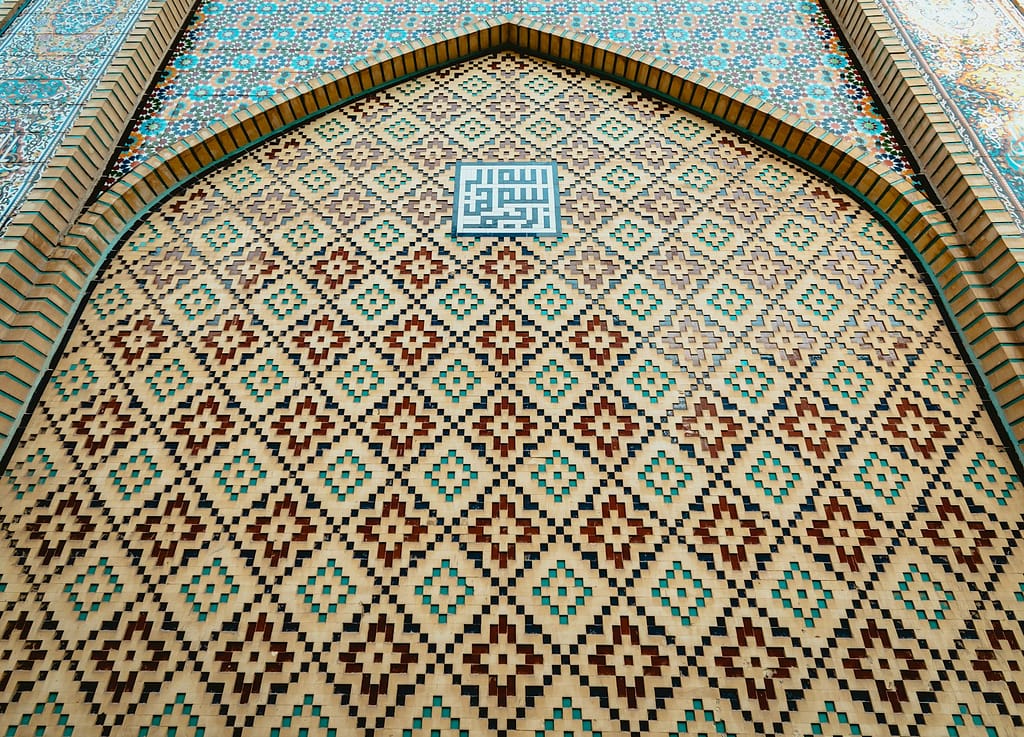
Your understanding of Muslim clothing design is incomplete without recognizing the historical influence of Islamic art. This art form has shaped expressive textiles and garments throughout centuries, intertwining religious beliefs, cultural heritage, and aesthetic principles. The patterns and motifs originating from Islamic art have permeated clothing design, creating garments that are not merely functional but deeply symbolic and reflective of Islamic values.
Origins and Evolution
By tracing the origins and evolution of Islamic art, you’ll discover its roots in early Islamic history, where art was used to express faith and culture. Over time, this art form evolved, incorporating influences from various regions, including Persia, Spain, and North Africa, resulting in a rich tapestry of styles. This evolution is evident in contemporary Muslim clothing designs that draw on these historical precedents.
Key Artistic Elements
Along with the historical context, key artistic elements play a significant role in the design of Muslim clothing. These elements include intricate geometric patterns, vibrant color palettes, and calligraphic motifs that convey religious messages and cultural identity.
It is vital to understand that these artistic elements serve both aesthetic and symbolic purposes. Geometric patterns, for instance, often represent the infinite nature of Allah, while vibrant colors can convey emotional resonance. Calligraphy, another crucial aspect, frequently features verses from the Quran, making the garments not only visually appealing but also spiritually meaningful. This blend of art and craftsmanship ensures that each piece of clothing embodies a rich narrative, providing wearers with a profound connection to their faith and heritage.
Cultural Significance of Clothing in Islam
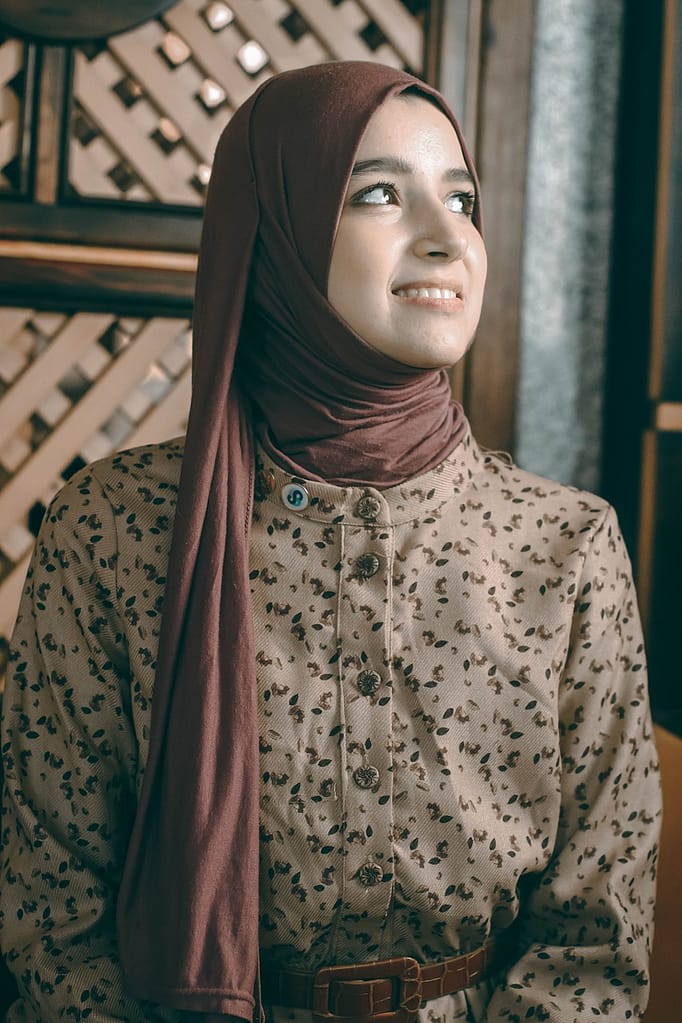
Now that you’ve explored the intricate connection between Islamic art and clothing design, it’s necessary to understand the cultural significance of clothing in Islam. Clothing is more than mere fabric; it carries deep spiritual and cultural meanings. It reflects your identity, beliefs, and adherence to Islamic teachings. In many Muslim communities, clothing is a way to express your faith, respect for traditions, and an embodiment of communal values, underscoring the harmony between spirituality and daily life.
The Concept of Modesty
One of the foundational principles guiding Islamic clothing is the concept of modesty, known as ‘haya’. This principle emphasizes covering the body in a way that respects both the self and others. Through your clothing choices, you can showcase your commitment to modesty, which is necessary for promoting dignity and self-respect in a society where appearance can often overshadow inner qualities.
Regional Variations
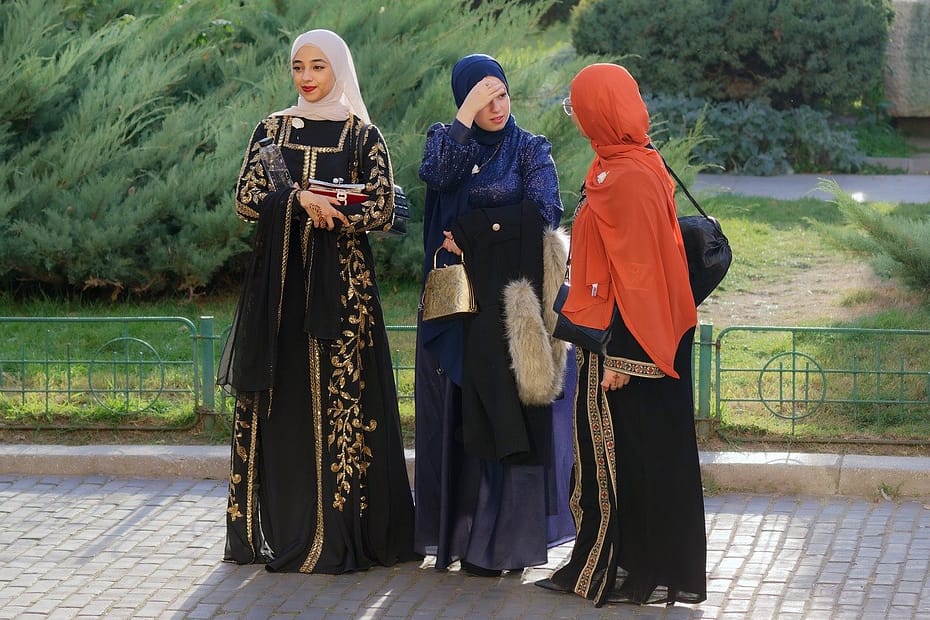
Against this backdrop of modesty, regional variations in clothing styles emerge, influenced by local cultures and climates. Each region brings unique elements to the design and function of clothing, reflecting how diverse interpretations of Islamic teachings can coexist. From the flowing abayas in the Middle East to the colorful salwar kameez in South Asia, these variations enrich the Islamic fashion landscape.
Hence, when looking at regional variations, you’ll find that Islamic clothing not only serves the purpose of modesty but also celebrates cultural identity. The blend of traditional materials with contemporary designs speaks to a larger narrative of adaptation and evolution, as global influences shape how you express your faith through clothing. This diversity allows you to choose garments that resonate with your personal beliefs while honoring your cultural heritage. It’s fascinating how Islamic clothing represents a mosaic of styles, each telling its own story while maintaining a shared commitment to the ideals of modesty.
Key Features of Islamic Art in Clothing Design
Assuming you are exploring the influence of Islamic art on clothing design, you should note several key features that stand out. These include:
- Geometric patterns
- Floral motifs
- Calligraphy
- Symmetry and balance
- Rich textures
- Bold colors
Any of these elements can enhance your understanding of how Islamic art shapes clothing aesthetics.
Patterns and Motifs
For Islamic clothing design, patterns and motifs play a vital role in conveying cultural and spiritual significance. The intricate geometric designs and floral arabesques reflect the values of harmony, eternity, and divine beauty, which are central to Islamic art. These patterns are not only visually appealing but also serve to establish a sense of identity and connection to tradition in modern fashion.
Color Palettes
At the heart of Islamic clothing design are the color palettes, which often incorporate rich and vibrant hues that resonate with the spiritual and cultural essence of the faith. Common colors include deep blues, emerald greens, fiery reds, and golden yellows, each symbolizing various aspects of life, spirituality, and nature.
The use of color in Islamic art is intentional and meaningful. Each shade can evoke specific emotions or highlight certain features of the garment, encouraging a deeper connection to one’s cultural roots. This thoughtful application of color allows designers to blend tradition with contemporary style, creating clothing that speaks to both personal and collective identity in the Muslim community.
Material and Texture in Islamic Clothing
Once again, the significance of material and texture in Islamic clothing cannot be underestimated. These elements not only influence the aesthetic appeal but also reflect cultural values, modesty, and functionality. You will find that traditional garments often prioritize natural fibers, which contribute to breathability and comfort while adhering to Islamic principles. The interplay of different textures adds depth to your attire, making it both visually stimulating and authentically representative of your heritage.
Traditional Fabrics
Beside the artistic elements, traditional fabrics are vital in shaping the identity of Islamic clothing. Garments are often crafted from materials like cotton, silk, and wool, which have been cherished for generations. As you explore these fabrics, you’ll notice how they offer not only a rich tactile experience but also a connection to the cultural narratives woven into your attire.
Modern Innovations
An exciting aspect of Islamic clothing today is modern innovations that blend tradition with contemporary design. New technologies and fabrics are being utilized to enhance comfort and versatility, giving you a unique edge in your wardrobe choices. As you navigate the world of Islamic fashion, you’ll discover options that are not only stylish but also practical for various occasions.
Innovations in Islamic clothing design have led to the development of breathable, moisture-wicking fabrics and stretch materials that offer greater ease of movement. You can now enjoy garments that retain the essence of traditional styles while embracing functionality for modern life. Furthermore, the incorporation of sustainable materials is a growing trend, allowing you to make environmentally conscious choices without compromising on aesthetic appeal. The fusion of high-tech textiles with intricate Islamic patterns showcases the potential for creativity and individuality in your wardrobe.
Intersections of Fashion and Faith
Unlike mainstream fashion, Islamic clothing design intertwines cultural heritage and spiritual expression. This merging creates a unique aesthetic that honors religious beliefs while simultaneously allowing for personal style. You may find that this intersection often leads to designs that reflect both modesty and elegance, allowing individuals to express their faith through visually appealing attire.
Contemporary Interpretations
The fusion of traditional Islamic art with modern fashion trends has led to innovative clothing lines that resonate with today’s Muslim consumers. You can see how contemporary designers reinterpret motifs and patterns, creating pieces that maintain a connection to heritage while catering to current tastes.
The Role of Designers
Among the key players in the conversation around Islamic fashion are the designers, who play a significant role in shaping and evolving the landscape of modest clothing. You ought to recognize how these creative minds integrate cultural elements with contemporary trends, fostering a dialogue that respects both tradition and innovation.
To understand the impact of designers in this realm, consider their ability to balance personal expression and cultural significance. You will find that they often collaborate with artisans to incorporate traditional techniques, ensuring authenticity while appealing to a broader audience. This approach not only refreshes the relevance of Islamic art in modern design but also highlights the importance of diversity in the fashion industry, enriching your understanding of style and cultural representation.
Global Impact of Islamic Clothing Designs
Keep in mind that Islamic clothing designs have transcended cultural boundaries, influencing fashion markets worldwide. From modest silhouettes to intricate patterns, the essence of these designs resonates with diverse audiences. The global uptick in demand for modest fashion reflects a growing appreciation for the rich heritage of Islamic art embedded in clothing, showing how faith-based aesthetics can redefine contemporary wear.
Influence on Western Fashion
Among the various influences trending in Western fashion, Islamic clothing has carved out a significant niche. Designers are increasingly incorporating elements such as draping techniques, bold colors, and intricate embellishments that pay homage to Islamic artistry. This blend not only diversifies Western wardrobes but also promotes inclusivity, allowing you to explore styles that resonate with a broader audience.
Cross-Cultural Collaborations
After observing this global phenomenon, it’s clear that cross-cultural collaborations have flourished, bridging the gap between Islamic and Western fashion. Designers from various backgrounds come together to create collections that highlight a fusion of styles, inspiring you to appreciate the nuances in each culture’s approach to clothing.
Western designers have actively sought partnerships with Muslim artists and fashion influencers, merging traditional Islamic aesthetics with contemporary design principles. This synergistic approach helps you discover unique clothing pieces that not only respect cultural origins but also foster dialogue about diversity and representation in fashion. By embracing cross-cultural collaborations, you engage in a shared narrative that celebrates the beauty of different heritages while promoting a more inclusive industry.
To wrap up
Considering all points, the influence of Islamic art in Muslim clothing design is profound and multifaceted. You can see how intricate patterns and vibrant colors not only enhance the aesthetic appeal but also reflect cultural values and spiritual significance. By understanding these elements, you can appreciate how they shape your own wardrobe choices, embodying both tradition and personal expression in your style. Embracing this art form enriches your connection to rich histories while ensuring your clothing resonates with your identity.