Table of Contents
People often wonder how to coordinate their hijab with the rest of their outfit effectively. This blog post offers insightful tips on mastering color coordination that can elevate any ensemble. By understanding the principles of color theory and taking note of fabric patterns, you can express her personal style while ensuring a harmonious look. Whether opting for bold contrasts or subtle hues, there are various strategies to create a cohesive outfit that showcases her unique flair and cultural heritage.
Decoding Color Theory for Hijab Styling
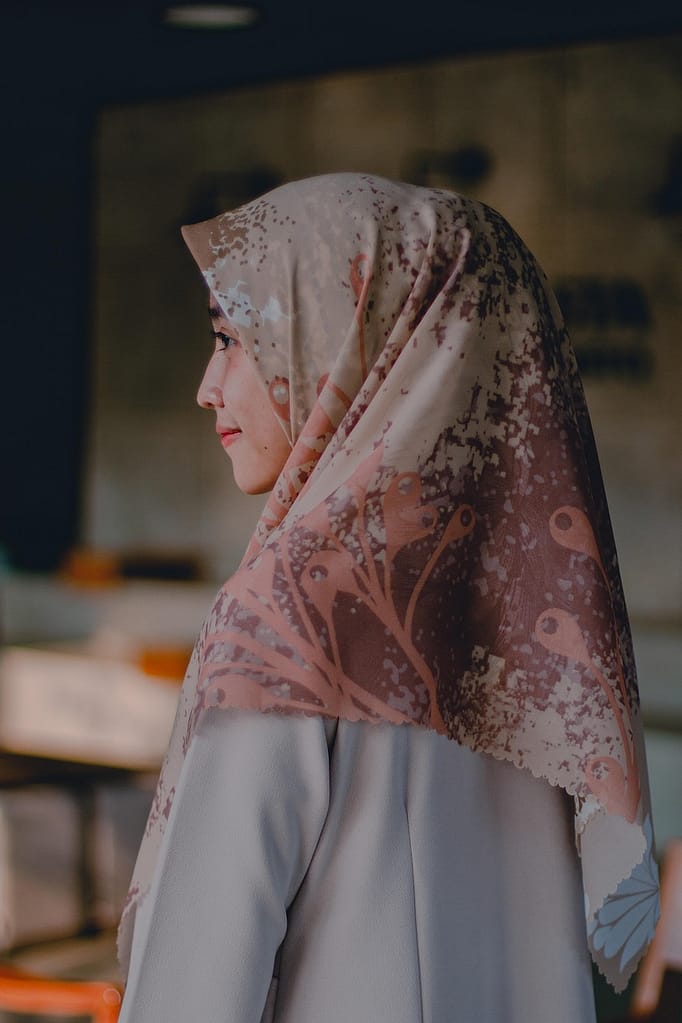
Understanding color theory can elevate hijab styling to a new level. By grasping the principles of color harmony and contrast, one can create stunning looks that not only enhance personal style but also reflect individual personality. This knowledge allows her to mix and match colors in a way that feels cohesive, ensuring the hijab complements the entire outfit rather than clashing with it.
- The Emotional Impact of Colors
Colors evoke emotions and convey messages, often beyond spoken words. For instance, blue is associated with calmness and stability, while red exudes passion and energy. Incorporating colors that resonate positively can boost confidence and influence the mood of the wearer. By choosing hijabs in colors that align with desired emotional expression, you can enhance both outfit and overall well-being.
- Understanding the Color Wheel and Complementary Hues
The color wheel is a visual representation of colors arranged according to their chromatic relationship. It offers insights into primary, secondary, and tertiary colors, emphasizing how they interact. Complementary hues, located opposite each other on the wheel, enhance each other’s vibrancy. For example, pairing a deep green hijab with a soft pink outfit creates a visually stunning contrast, making both pieces pop beautifully.
Complementary hues not only enhance the visual appeal of an outfit but also help create balance and unity in styling. When you chooses a hijab in a color that complements her outfit, it draws attention to both the facial features and the overall look. Using the color wheel, she can explore various combinations, experimenting with different shades and tints to discover what suits your style best. Recognizing the significance of these color relationships allows her to create striking ensembles that reflect you unique aesthetic.
Seasonal Color Trends and Their Significance
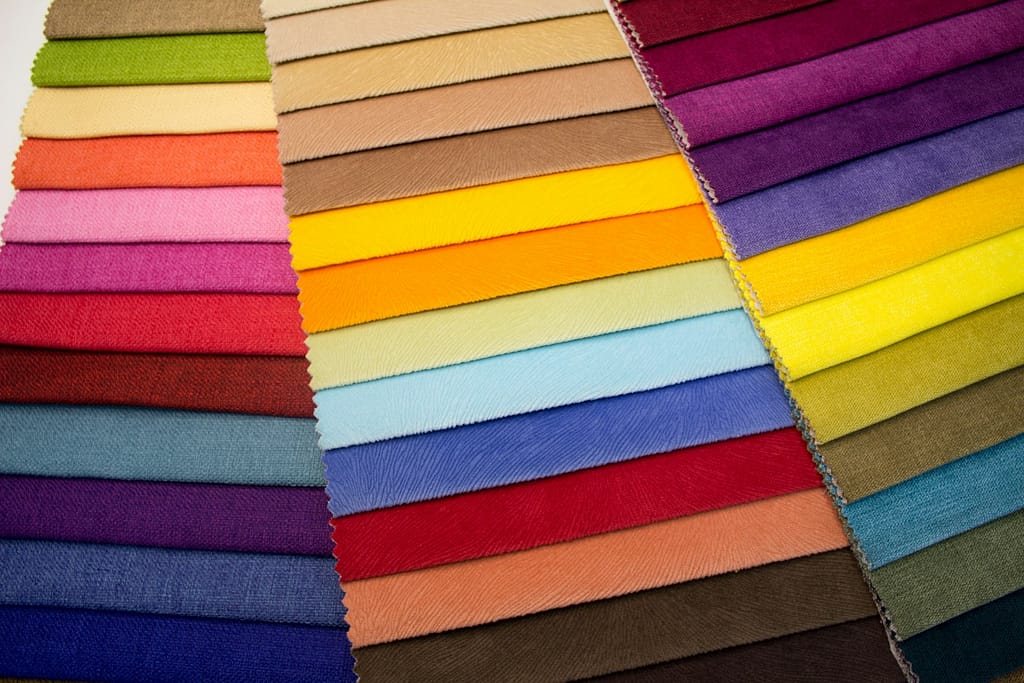
Seasonal color trends reflect the changing atmosphere, with specific hues resonating with each season’s essence. Spring often brings pastels that echo blooming flowers, while summer embraces vibrant shades reminiscent of sunlit days. Autumn palettes shift towards warm earthy tones, and winter typically showcases deep jewel tones and icy pastels. These seasonal colors not only influence fashion choices but also impact mood and expression, allowing individuals to align their wardrobes with the time of year.
- How Seasons Influence Color Choices
Seasons directly shape color choices based on natural elements and cultural associations. Spring encourages light greens and soft pinks, evoking renewal, while summer radiates bright yellows and ocean blues. As leaves fall, autumn welcomes deep reds and browns that mirror the scenery, promoting warmth and coziness. Winter’s chill inspires rich purples, blues, and whites, reflecting the tranquility of snow and ice. By adapting to these seasonal cues, individuals can curate outfits that resonate with the world around them.
- Incorporating Seasonal Palettes into Your Wardrobe
Choosing to incorporate seasonal palettes into one’s wardrobe enhances style versatility and creates a cohesive look. For instance, layering lighter and darker tones in the spring can highlight brightness, while incorporating deeper shades during winter can evoke warmth and elegance. One effective strategy is to select a few key pieces that embody the essence of each season, allowing the wearer to build outfits that seamlessly blend color trends with personal style. This approach not only saves shopping time but also nurtures creativity in outfit styling.
Being mindful of seasonal palettes allows she to experiment with new colors while maintaining a balanced wardrobe. For example, investing in a few versatile hijabs in shades that complement her seasonal choices can elevate her outfit game. Pairing a light pastel hijab with a floral dress in spring or a rich burgundy scarf with a cozy sweater in autumn creates harmonious looks that feel both stylish and seasonally appropriate. Staying attuned to current trends also opens doors for mixing textures and patterns, infusing fresh energy into her wardrobe with each passing season.
Textures and Patterns: A Sensory Approach to Matching
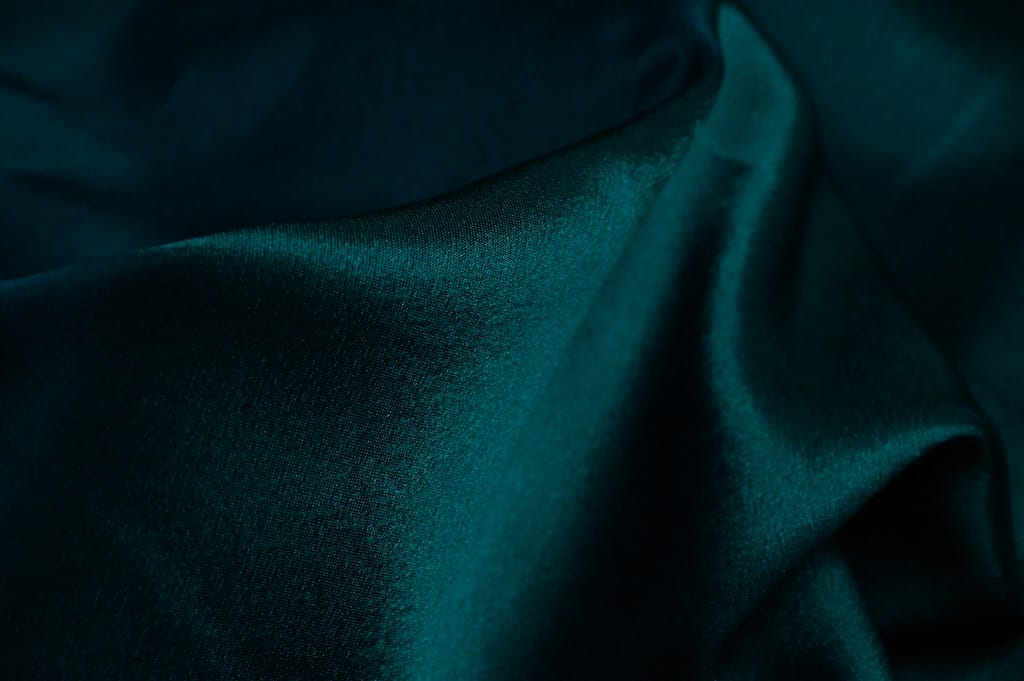
Incorporating various textures and patterns into an outfit adds depth and visual interest, creating a sensory experience that elevates the overall look. A delicate lace top paired with a soft jersey hijab can bring out the intricate details of both pieces, while mixing materials like denim with silk adds a modern aesthetic. Different textures can also enhance or soften the outfit’s mood; for example, lightweight fabrics evoke a breezy vibe ideal for warmer months, while thicker, cozier textiles are perfect for autumn and winter styling.
- Balancing Solid Colors with Patterns
Artfully pairing solid colors with patterns creates a dynamic outfit without overwhelming the senses. A bold floral hijab complements a fitted solid-color dress beautifully; the key lies in choosing colors present in the hijab to maintain harmony. For instance, a navy dress would look stunning when matched with a hijab featuring navy hues intertwined with brighter shades like coral or mustard. This approach ensures that the eye is drawn across the outfit fluidly rather than fixating on one element.
- Choosing the Right Fabric for a Cohesive Look
Fabric selection plays a significant role in achieving a unified look. The texture and drape of fabrics can influence how colors and patterns interact with each other. Fabrics like chiffon or crepe offer a soft, flowing silhouette that pairs well with structured materials like cotton or denim, ensuring a balanced appearance. She might opt for lightweight materials during hotter months and switch to heavier fabrics, like wool or knit, as temperatures drop, ensuring a perfect blend of comfort and style throughout the seasons.
For example, pairing a flowing silk hijab with a tailored blazer creates an elegant contrast that appeals to both aesthetics and comfort. This combination allows for the hijab’s softness to juxtapose against the rigid structure of the blazer, achieving an effortlessly chic look. Additionally, selecting fabrics that work well together will influence not only the visual appeal but also the functionality of the outfit, ensuring she feels confident and stylish, no matter the occasion.
Accessorizing: The Finishing Touch
Accessorizing can transform an outfit from ordinary to extraordinary, especially when pairing pieces with a hijab. Choosing the right accessories means amplifying the color palette and style of the ensemble. Selecting pieces that complement the hijab can create a polished appearance, allowing for personal expression while remaining grounded in cultural sensibilities.
Selecting Accessories that Enhance Your Hijab
Accessories should harmonize with the hijab’s color and texture for maximum impact. For instance, if a hijab features floral patterns, incorporating jewelry with similar hues or floral designs can provide a cohesive look. Scarves, brooches, and statement earrings can be used to elevate the outfit, but they must not overpower the hijab’s inherent beauty.
- Footwear and Outerwear: Harmonizing the Complete Outfit
Footwear and outerwear play a significant role in rounding out an outfit. Whether it’s a tailored trench coat or stylish ankle boots, these elements must align with both the hijab and the overall color scheme. Ankle boots in a muted tone can add sophistication, while a brightly colored jacket can become a statement piece, enhancing the visual story.
Completing the look with thoughtfully chosen outerwear is necessary, especially during transitional seasons. For example, a long, flowing duster can complement a casual ensemble, especially when its shades resonate with the hijab. Footwear choices should also echo the hijab’s color scheme; nude or metallic tones can elongate the leg and serve as versatile elements, while bold colors can infuse personality. Overall, creating harmony between all aspects of the outfit showcases a refined sense of style that resonates with the wearer’s individuality.
Overcoming Common Color Coordination Challenges
Even the most seasoned fashionistas can struggle with color coordination at times. She may find herself torn between bold hues and subtle shades, or unsure of how to blend colors harmoniously. In such moments, utilizing a color wheel can provide clarity by illustrating complementary and analogous color schemes, guiding her in making confident choices. Additionally, practicing with different outfits can help her build a stronger sense of which colors work well together and which combinations to avoid.
- Tips for Mixing and Matching
Combining colors doesn’t have to be daunting; simple strategies can lead to stunning results. You can start with a neutral base and incorporate pops of color through her hijab. Choosing colors within the same family can create a cohesive look. Below are some practical tips for her:
- Utilize a color wheel for guidance.
- Start with neutrals and build with accent colors.
- Choose colors in the same palette for harmonized outfits.
- Experiment with different textiles to match color intensity.
- Consider the occasion to guide her choices.
- Any outfit can benefit from a touch of accessories to tie elements together.
- Creating Outfits for Various Occasions
You can adapt hijab outfit combinations based on the event—be it a casual outing, work setting, or formal gathering. Each occasion presents an opportunity to showcase her personality through her outfit and hijab style. For casual events, light fabrics and playful colors can express vibrancy, whereas classic silhouettes and elegant fabrics work best for formal affairs. Additionally, integrating accessories that complement the overall color scheme enhances versatility and style. By tailoring her attire to fit the mood and formality, she consistently feels confident and chic.
Summing up
From above, it is clear that matching a hijab with the perfect outfit relies on understanding the principles of color coordination. You should consider her outfit’s colors, patterns, and styles to create a harmonious look. By using complementary tones and balancing bold hues with neutrals, you can achieve a refined appearance. They should also explore various fabrics and textures to enhance their overall ensemble. Ultimately, the right combination of hijab and attire not only reflects their personal style but also respects the cultural significance of the hijab.