Table of Contents
It’s fascinating to explore Central Asian fashion and its unique expressions of modest apparel. The region boasts a rich tapestry of cultural influences that shape its diverse clothing styles, from intricate embroidery to vibrant textiles. They celebrate tradition while incorporating modern aesthetics, making Central Asian fashion a hidden gem on the global stage. Shedding light on these enchanting garments reveals not only their beauty but also the stories and heritage behind them. This post explores into the distinctive elements of Central Asian fashion, showcasing the artistry and elegance found in modest attire.
The Cultural Tapestry of Central Asian Fashion
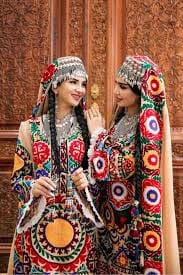
Central Asian fashion is a vibrant reflection of the region’s rich cultural tapestry. Each garment tells a story, combining traditional techniques with contemporary influences. The intricacies of designs, patterns, and colors are not merely aesthetic choices but carry deep historical meanings and showcase the unique identities of various ethnic groups, including Uzbeks, Kazakhs, and Tajiks.
- Historical Influences that Shaped Modesty
Historical events, such as the Silk Road’s trade routes, have significantly impacted the modest clothing styles in Central Asia. The exchange of textiles and fashion ideas led to the blending of cultures, where garments often featured intricate embroidery and embellishments, reflecting the artisans’ skills and societal values regarding modesty and femininity.
- Contemporary Trends Reflecting Traditional Roots
Recent years have witnessed a resurgence of interest in traditional Central Asian attire, with designers creatively merging modern silhouettes with age-old craftsmanship. Many young designers incorporate brightly colored fabrics, detailed embroidery, and sustainable materials in their collections, catering to a global audience while honoring their heritage. Events like Fashion Week Tashkent highlight these innovative approaches, showcasing a range of modest fashion that celebrates cultural identity while appealing to contemporary styles.
Craftsmanship Par Excellence: Artisanal Techniques
The exquisite craftsmanship found in Central Asian fashion reflects a deep-rooted heritage. Skilled artisans meticulously combine techniques passed down through generations, elevating each garment into a work of art. Intricate weaving, embroidery, and dyeing methods showcase their dedication to preserving cultural identity while appealing to contemporary aesthetics. Techniques such as ikat weaving and suzani embroidery are emblematic of the region’s status as a cradle of artisanal innovation, ensuring that every piece tells a story of heritage and creativity.
- Textile Innovations from Age-Old Practices
Innovative textile techniques originating from Central Asia reveal a brilliant fusion of historical methods and modern interpretations. Crafting fabrics like silk and cotton involves meticulous hand-spinning and dyeing processes that utilize natural pigments, lending authenticity to each piece. These artisans not only draw inspiration from their ancestors but also experiment with current fashion trends, resulting in unique textiles that resonate with the contemporary consumer while honoring traditional practices.
- Reviving Forgotten Crafting Methods
Efforts to revive forgotten crafting methods have gained momentum in Central Asia, breathing new life into time-honored techniques. Artisans are increasingly seeking to reacquaint themselves with age-old methods that risked fading into obscurity. By collaborating with local communities and engaging in workshops, today’s makers ensure that traditional skills such as felting and intricate beadwork are not lost to the passage of time. These initiatives have sparked interest not only among consumers seeking authentic fashion but also among a new generation of artisans eager to learn the craft.
The revival of forgotten crafting methods in Central Asia plays a vital role in sustaining cultural identity and promoting economic growth. Often, these techniques were overshadowed by mass production, leading to a decline in traditional skills. Artisans are now hosting workshops and classes, attracting young talent and preserving their heritage. For instance, a recent initiative in Uzbekistan saw an increase in the number of apprentices learning the intricacies of block printing and natural dyeing. By focusing on sustainability and ethical practices, this revival serves as a bridge between the past and future, ensuring that the rich tapestry of Central Asian fashion continues to thrive.
Faces of Fashion: Groundbreaking Designers
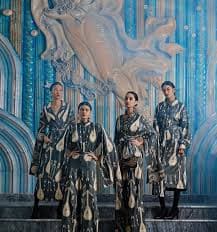
Central Asia is home to an array of innovative designers who are not only redefining cultural norms but are also elevating modest fashion to an art form. These visionaries blend traditional aesthetics with contemporary flair, creating unique pieces that resonate with a global audience, showcasing their rich heritage while appealing to a diverse clientele.
- Pioneering Voices Transforming the Industry
Among the trailblazers are designers who challenge societal standards through their bold interpretations of modest wear. They use their platforms to advocate for inclusivity, often incorporating sustainable materials and ethical practices. Their work engages a new generation of fashion enthusiasts eager to embrace both style and substance.
- Emerging Talents Redefining Modesty
Emerging talents in Central Asia are pushing boundaries by blending traditional techniques with modern trends. They craft garments that appeal to a younger market while staying true to cultural roots. This fusion of old and new creates a vibrant interpretation of modest fashion that garners attention both locally and internationally.
These emerging designers often draw inspiration from their personal experiences and surroundings, leading to unique collections that tell a story. For instance, a designer might incorporate traditional textiles or motifs into high-fashion silhouettes, appealing to those who appreciate cultural narratives in their attire. Collaborations with artisans ensure that local techniques remain relevant, allowing for continuous evolution in the modest fashion landscape. Additionally, they showcase their work through social media platforms, engaging a global audience and challenging the status quo of fashion norms. This creates not only a marketplace for their designs but also a community that embraces diversity and individuality through modest apparel.
Fashion Festivals and Regional Showcases: Platforms for Expression
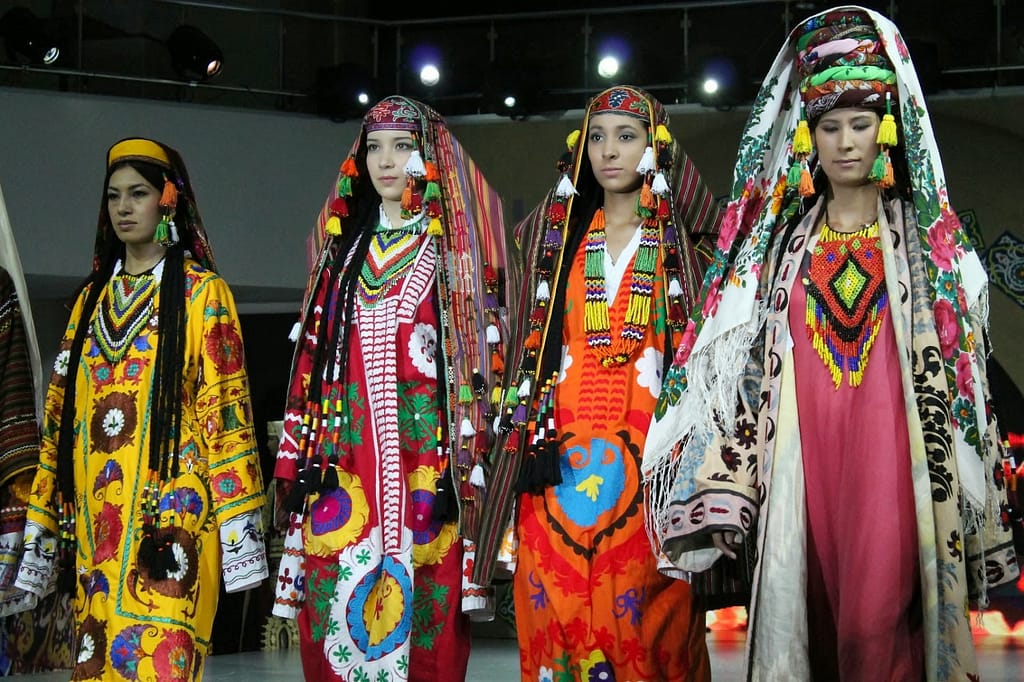
Fashion festivals in Central Asia serve as vibrant platforms where designers, artisans, and performers unite to celebrate their cultural heritage through apparel. These events showcase a variety of styles that blend traditional motifs with contemporary design, providing designers an opportunity to express their unique perspectives. They foster collaboration among local talents, attracting attention from international media and fashion enthusiasts, thus broadening the horizons of Central Asian fashion on a global stage.
- The Role of Local Events in Fashion Promotion
Local events such as fashion shows and cultural festivals significantly contribute to the promotion of Central Asian fashion. They bring together emerging designers and seasoned professionals, encouraging networking and skill-sharing. Additionally, these gatherings allow local artisans to present their craftsmanship to a broader audience, helping to cultivate appreciation for traditional techniques while driving interest in modern interpretations of modest apparel.
Global Perspectives: How Central Asian Fashion is Perceived Abroad
Central Asian fashion is increasingly recognized on the global stage, celebrated for its rich symbolism and artistic expressions. International fashion critics often highlight the distinctiveness of styles, noting the intricate patterns and textiles that tell stories of cultural identity. Brands such as Kasta and Diltora have gained traction, showcasing how modern influences can harmonize with traditional aesthetics, ultimately challenging preconceived notions of modest fashion.
This growing interest in Central Asian fashion abroad showcases a promising shift in the fashion landscape. Designer Dulya’s innovative collection inspired by ancient nomadic culture received praising reviews during Milan Fashion Week, breaking barriers and attracting a diverse clientele. Furthermore, collaborative projects between Central Asian and Western designers emphasize the potential of these culturally rich designs, allowing a cross-pollination of ideas that enhances global fashion narratives.
Sustainable Practices in Central Asian Fashion
In Central Asia, sustainable practices are becoming increasingly important as designers and artisans emphasize eco-friendly methods in garment production. By prioritizing natural materials, such as organic cotton and local wool, they not only preserve traditional craftsmanship but also address contemporary environmental challenges. Many fashion houses are gaining recognition for their commitment to sustainability, making strides towards a more responsible future in the industry.
- Eco-Friendliness: A Necessity Rooted in Tradition
Central Asian culture has long embraced sustainable practices through natural dyeing techniques, hand-weaving, and the use of local materials. Artisans often rely on sustainable agriculture, utilizing wool from local sheep herders and plant-based dyes to minimize environmental impact. This deeply rooted tradition serves as a reminder to today’s designers about the importance of preserving both heritage and ecology in their craft.
- The Shift Toward Circular Fashion Models
Embracing circular fashion models is becoming commonplace among emerging Central Asian designers. This involves creating garments that can be reused, recycled, or upcycled, promoting longevity rather than disposability. By adopting these principles, they work to reducse waste and extend the life cycle of their creations, showcasing a commitment to sustainability while still appealing to modern consumers who increasingly value ethical fashion choices.
Central Asian designers are exploring innovative approaches to circular fashion, including repair services, upcycled textiles, and take-back schemes encouraging customers to return former purchases. For instance, one designer launched a line of accessories crafted from fabric scraps, converting waste into chic products. This not only elevates the creative process but also fosters a culture of responsibility and resourcefulness. Through these initiatives, designers address the pressing issues of textile waste while offering consumers stylish, eco-conscious options that honor local craftsmanship.
Conclusion
Summing up, Central Asian fashion represents a rich tapestry of modest apparel that deserves greater recognition. They highlight unique textiles and traditional designs that not only honor cultural heritage but also offer a refreshing perspective on contemporary modest fashion. Appreciate the intricate craftsmanship, while he admires the fusion of functionality and beauty. As enthusiasts explore these hidden gems, they will undoubtedly discover a wealth of inspiration that transcends geographical boundaries, enriching the global modest fashion landscape.