Table of Contents
In the coming years, you will witness the potential of blockchain technology to transform the modest fashion supply chain. It’s not solely a matter of trends; it involves transparency and trust regarding your purchases. Picture having instantaneous knowledge of the origins of your clothing, eradicating waste, and guaranteeing ethical manufacturing methods. This is your opportunity to adopt a movement that values quality and integrity, while also attracting a mindful consumer demographic. Let’s examine how this cutting-edge technology can change your way of engaging with modest fashion and help build a more sustainable future..
Decoding Supply Chain Transparency
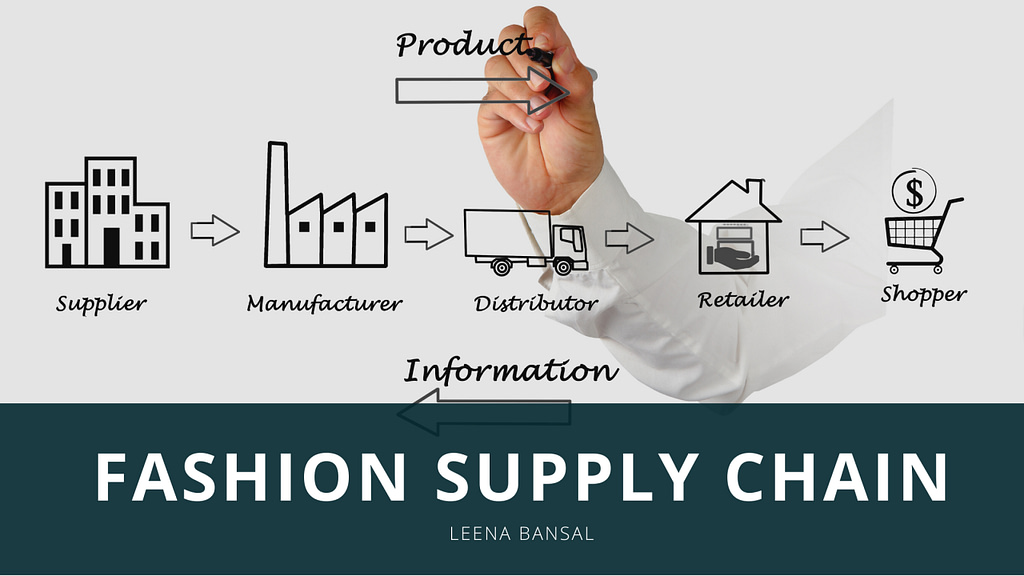
Supply chain transparency sheds light on the journey of your garments, from raw materials to retail shelves. With the rise of ethical consumption, consumers demand clarity regarding sourcing and manufacturing practices. Blockchain technology empowers you to track your fashion items effortlessly, providing a clear and accessible record of each step in the production process. This visibility fosters accountability among manufacturers and cultivates deeper connections between consumers and brands.
- The Role of Blockchain in Enhancing Traceability
Blockchain streamlines traceability by creating a permanent, publicly accessible record of every transaction within the supply chain. This ledger track ensures you can verify the origin of materials, the manufacturing process, and even the distribution methods. For instance, Patagonia utilizes blockchain to trace its organic cotton, enabling you to see exactly where and how your clothing is made, reinforcing the brand’s commitment to sustainability and ethical practices.
- Building Consumer Trust through Immutable Records
Immutable records provided by blockchain instill trust in your fashion purchases. Every transaction is securely recorded and cannot be altered, giving you confidence in the authenticity of the information. Brands that leverage this technology are more likely to cultivate loyal customers, as you’re naturally drawn to transparency. A study by IBM found that 73% of consumers are willing to pay a premium for brands that offer complete transparency in their supply chain practices.
Immutable records create an unchangeable history that ensures brands can’t misrepresent their sourcing or production ethics. When you see a blockchain-backed claim—like fair labor practices or sustainably sourced materials—you’re not just taking a brand’s word for it; you have access to verifiable data. This leads to greater skepticism towards brands that fail to provide transparency, effectively elevating the standards for the entire industry. As trust grows, so does your loyalty, making your investment in modest fashion not just a purchase, but a meaningful choice aligned with your values.
Rethinking Ethical Sourcing

Incorporating blockchain technology fundamentally reshapes ethical sourcing within the modest fashion supply chain. By ensuring transparency at each step, you can trace the origin of materials and verify fair labor practices, giving you confidence in your purchasing decisions. This not only meets consumer demand for ethical products but also encourages brands to maintain accountability, fostering a sustainable environment where ethical sourcing becomes the norm rather than the exception.
- How Blockchain Facilitates Fair Trade Practices
Blockchain offers a decentralized ledger that records transactions in real-time, making it easier for you to authenticate fair trade practices. You can confidently trace the journey of materials from producers to consumers, verifying that each stakeholder is compensated fairly. With this transparency, ethical brands can differentiate themselves, allowing you to make informed choices that align with your values.
- Empowering Artisans and Small Manufacturers
Blockchain technology provides artisans and small manufacturers with unprecedented access to global markets. By eliminating middlemen, they can directly engage with you, the consumer, ensuring that they receive a fair price for their craftsmanship. Moreover, smart contracts streamline transactions, guaranteeing that payment is made upon delivery, thus solidifying trust and enhancing their financial stability.
Artisans and small manufacturers, once sidelined in the traditional supply chain, now find a voice through blockchain. Empowered by this technology, you can discover unique, handcrafted pieces directly from creators worldwide. For instance, platforms like Provenance and VeChain connect consumers with artisans, promoting equitable trade practices. As a result, artisans are able to reinvest their profits into their communities, fostering economic growth and preserving traditional craftsmanship. When you choose to support these makers, you’re not just buying a product; you’re investing in the future of ethical fashion and empowering entire communities.
Streamlining Inventory Management

Furthermore, blockchain streamlines inventory management, providing unprecedented efficiency in tracking and managing stock levels. With real-time data on product availability, suppliers can closely monitor inventory, ensuring timely restocking and reducing the risk of overproduction. This technology minimizes delays, saves time, and enhances overall supply chain agility, allowing modest fashion brands to respond swiftly to changing consumer demands.
- Real-time Insights into Product Movement
Blockchain technology offers you real-time insights into product movement, transforming how you manage your inventory. Every transaction and movement is recorded on an immutable ledger, allowing you to track garments from production to sale with pinpoint accuracy. This visibility helps you identify potential bottlenecks, optimize logistics, and avoid costly disruptions, ensuring your products reach the market without unnecessary delays.
- Reducing Overhead Costs and Waste through Smart Contracts
Smart contracts play a vital role in cutting overhead costs and reducing waste throughout your modest fashion supply chain. By automating transactions and agreements based on preset criteria, these contracts eliminate the need for intermediaries, effectively lowering transaction costs. You benefit from enhanced efficiency, as payments and shipment schedules execute automatically when conditions are met, minimizing human error and delays.
Implementing smart contracts can significantly enhance your operational efficiency by automating routine processes. For instance, if a shipment meets its delivery schedule and quality standards, payment is automatically released to the supplier, fostering trust and accountability. Research shows that companies utilizing smart contracts can reduce supply chain costs by up to 30%, freeing up resources to invest in quality design and innovation within your modest fashion line. Adopting this technology not only streamlines operations but also creates a sustainable model, lowering waste through improved inventory forecasting and demand alignment.
Navigating Regulatory Challenges
As blockchain integrates into the fashion supply chain, a maze of regulatory challenges emerges. You must stay ahead of evolving policies that govern digital transactions, data privacy, and product transparency. Countries are increasingly drafting rules that demand rigorous compliance with sustainability and ethical practices. Failing to navigate these waters could result in hefty fines and brand damage.
- Compliance and Accountability in Fashion Supply Chains
Regulatory compliance in fashion requires you to adopt stringent standards across your supply chain. Blockchain ensures accountability by creating a secure, immutable record of all transactions, allowing you to trace every material from its origin to the final product. This transparency not only enhances compliance but also reinforces your brand’s commitment to ethical practices and consumer trust.
- Preparing for Future Regulations and Standards
Staying proactive in understanding potential future regulations shapes your strategic approach. Keeping abreast of trends in sustainability and transparency will allow you to innovate rather than react. Engage with industry forums and collaborate with stakeholders to anticipate and adapt to new standards, ensuring your supply chain remains resilient and compliant.
Anticipating future regulations demands a forward-thinking mindset. By harnessing data insights from blockchain, you’ll identify emerging trends and align your operations with anticipated legal requirements. Regular audits and updates to your practices will position you not just as a compliant brand, but as an industry leader. Collaborating with tech partners can enhance your adaptability, allowing you to implement solutions that meet regulatory changes seamlessly. This proactive stance not only protects your business but also amplifies your brand reputation in an increasingly conscientious market.
Crafting a Sustainable Fashion Future
Building a sustainable fashion future hinges on innovative solutions that prioritize environmentally friendly practices. Blockchain technology catalyzes this shift by enabling transparent, traceable sourcing and production methods, ensuring that every step of the supply chain aligns with eco-conscious values. As you explore new business models, integrate blockchain to create not just accountability, but a lasting impact on the planet.
- The Intersection of Blockchain and Eco-friendly Practices
Blockchain opens up a new realm of sustainable practices by providing a decentralized ledger that tracks materials from origin to production. This transparency fosters ethical sourcing of raw materials, allowing you to validate your supply chain’s integrity. By leveraging blockchain, your brand can authentically promote eco-friendly practices, ensuring customers know their purchases contribute to sustainability.
- Consumer Demand for Ethical Fashion Solutions
Your customers increasingly seek fashion that reflects their values, compelling brands to respond with ethical solutions. Data shows that 66% of consumers are willing to pay more for sustainable brands, driving you to rethink your approach. Integrating blockchain can enhance your credibility by reassuring customers that their purchases support responsible practices in the fashion industry.
Addressing consumer demand for ethical fashion involves understanding specific preferences and values that drive purchasing decisions. Studies indicate that millennials and Gen Z are particularly invested in sustainability, often scrutinizing brand transparency and authenticity. They favor companies that communicate their ethical initiatives clearly. By adopting blockchain, you can offer verifiable details about sourcing, manufacturing conditions, and labor practices, ultimately enhancing your brand loyalty and setting you apart in a competitive market. Emphasizing these practices not only meets consumer expectations but also positions your brand as a leader in the sustainable fashion movement.
Final Words
Taking this into account, you have the power to revolutionize the modest fashion supply chain through blockchain. Embrace transparency, traceability, and efficiency; your brand’s integrity and connection with customers will skyrocket. By leveraging this technology, you’re not just keeping up with trends—you’re setting them. So, take the leap, innovate boldly, and watch your impact unfold. This isn’t just business; it’s about creating a movement that resonates with values and authenticity.