Table of Contents
Consider how you could improve your look in the current Muslim fashion landscape by incorporating the vivid hues and elaborate designs of Andalusian art. Spain’s Andalusia region is the birthplace of creative and cultural manifestations, especially those influenced by Moorish architecture, flamenco music and dance, and traditional crafts. You have this amazing chance to combine your individuality with history to make a distinctive and culturally rich fashion statement. Explore the realm of Andalusian influences and learn how to add this exquisite artwork to your wardrobe to honor a timeless artistic tradition while making your style stand out.
The Cultural Legacy of Andalusian Art
The Royal Alcazar is the ideal place to view Andalusia’s distinctive blend of architecture, which includes Moorish, Gothic, Baroque, and Renaissance styles. The cultural legacy of Andalusian art integrates rich historical narratives and diverse influences, shaping both the aesthetic sensibility and spiritual expressions found in contemporary Muslim fashion. This unique blend of Moorish, Christian, and Jewish artistic traditions emphasizes how your wardrobe can reflect a tapestry of history, storytelling through vibrant colors, geometric forms, and intricate designs.
- Elements and Techniques of Andalusian Aesthetics
You can see the mesmerizing elements of Andalusian aesthetics in the meticulous tile work, delicate calligraphy, and lush textiles that define this art form. Intricate geometry, floral motifs, and calligraphy are hallmarks of Andalusian aesthetics, which combine Islamic, Christian, and Jewish elements to create a rich visual legacy. Horseshoe arches, muqarnas (ornamental vaulting), and arabesque patterns are important components that are frequently found in old buildings like the Alhambra.
Techniques like inlaid woodwork, stucco carving, and tile mosaic (zellij) showcase symmetry and expert craftsmanship. Water and light were used to enhance the spiritual and sensual richness of courtyards. Through the fusion of cultural heritage with sophisticated, classic manifestations of beauty and refinement, these artistic principles—which are based on harmony and balance—continue to influence modern design, including Muslim fashion today. The use of vibrant color palettes and intricate motifs not only captivates but also serves as an inspiration for modern attire, inviting you to explore layering techniques and patterns that pay homage to this artistic heritage.
- Historical Significance and Influence on Global Culture
Andalusian art’s historical significance lies in its ability to create a melting pot of cultural exchanges, influencing various artistic movements around the world. This art form helped shape the Renaissance in Europe, as artists adapted the intricate designs and techniques introduced by Muslim artisans. Today’s fashion scene mirrors this historical tapestry, as designers channel the spirit of Andalusia, bringing forth creations that not only inspire, but also reconnect you with a profound legacy.
From the intricate tile patterns that graced the palaces of Alhambra to the detailed embroidery found in contemporary garments, Andalusian art has cast a long shadow over global culture. It sparked movements such as the Renaissance, as European artists were profoundly inspired by its ornamental styles and structural innovations. You witness its influence today in diverse fashion collections that turn to these age-old designs, weaving tradition into modernity. This cultural exchange remains a dynamic force, ensuring that the legacy of Andalusian art continually shapes your understanding of style and identity across the globe.
Bridging Past and Present: Andalusian Inspirations in Muslim Fashion
Andalusian art plays a pivotal role in modern Muslim fashion, linking centuries of cultural expression to contemporary design. You see this blend when designers draw on the region’s Moorish architectural elements and vivid colors, seamlessly integrating them into current styles. Using lace, embroidery, and tile patterns as focal points connects the past with your everyday wardrobe, making each piece not only stylish but deeply meaningful.
- Key Visual Motifs and Patterns in Contemporary Designs
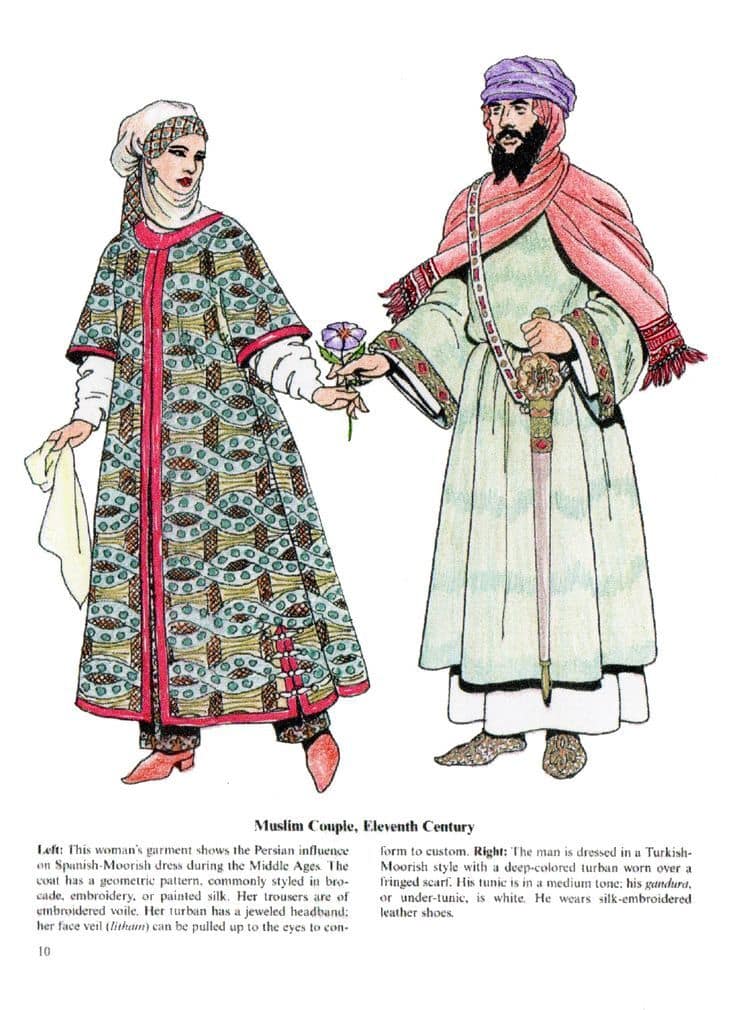
Bold geometric patterns, intricate floral designs, and vibrant color palettes dominate contemporary Muslim fashion, echoing the timeless motifs of Andalusian artistry. You find these visual elements in garments that merge tradition with modern silhouettes, creating a refreshing yet historically rich aesthetic that stands out in any setting. Andalusian fashion designs of today combine heritage and contemporary style by significantly referencing historical visual aspects. Islamic art-inspired geometric designs give textiles and embroidery symmetry and equilibrium.
Calligraphic elements give designs and accessories cultural depth, while floral arabesques lend flow and grace. The elaborate layouts and vivid hues of tile-inspired motifs, which are reminiscent of Alhambra mosaics, reflect artistic tradition. Additionally, designers incorporate horseshoe arch and latticework designs into contemporary jewelry elements, scarves, and silhouettes. The outcome is modest yet elegant designs that appeal to Muslim fashion fans worldwide by fusing traditional Andalusian creativity with contemporary fashion trends.
- The Role of Heritage in Modern Fashion Innovation
Heritage serves as a powerful underpinning in modern fashion, inspiring contemporary designers to innovate while honoring their roots. Your experience in wearing fashion that reflects rich history makes each choice an expression of identity and connection to the past. Look at brands reviving ancient techniques like hand-weaving and zardozi embroidery, demonstrating that heritage is more than nostalgia; it fuels creative boundaries.
Fashion is a dynamic playground where heritage breathes new life into contemporary styles. Designers leverage traditional techniques to craft unique pieces that resonate with modern sensibilities, allowing you to celebrate your cultural identity. For instance, the use of recycled fabrics rooted in Andalusian art transforms heirloom patterns into sustainable fashion statements, making your wardrobe both stylish and responsible. This fusion of old and new is not just a trend; it’s a movement that inspires authenticity in how you express yourself through clothing.
The Role of Social Media in Reviving Andalusian Influences
Social media is transforming the way Andalusian art influences contemporary Muslim fashion, allowing trends to reach a global audience. Platforms like Instagram and TikTok showcase vibrant styles that celebrate historical motifs, breathing new life into traditional designs. This digital revolution enables designers and fashion enthusiasts to connect, share inspirations, and collaborate, ultimately rekindling interest in the rich visual language of Andalusian culture.
- Platforms as Catalysts for Cultural Exchange
Social media platforms serve as dynamic hubs for cultural exchange, where ideas flow freely and creativity knows no borders. Users from diverse backgrounds share content inspired by Andalusian aesthetics, sparking dialogue and innovation. This environment fosters a sense of community that amplifies appreciation for the heritage embedded in contemporary fashion, making it accessible and relatable.
- Influencers Leading the Charge in Fashion Trends
Fashion influencers play a vital role in popularizing Andalusian-inspired designs, acting as trendsetters and educators. Their ability to integrate cultural influences into everyday looks amplifies visibility, ensuring that traditional patterns and colors resonate with younger audiences. With millions of followers, these influencers leverage their platforms to reshape perceptions, infusing modern fashion with a sense of historical richness.
For instance, influencers like Amina Muaddi and Leena Asad incorporate Andalusian elements into their collections and styling, creating outfits that reflect both elegance and cultural homage. By sharing their looks with engaging captions and professional-quality images, they inspire their followers to embrace the art’s vivid colors and intricate details. Their content doesn’t just highlight outfits; it educates audiences about the meanings behind designs, making the ancient modern and relevant in today’s fashion landscape.
The Economic Impact: Fashion as a Vehicle for Cultural Preservation
Based on research, fashion transcends mere clothing; it serves as a platform for preserving cultural heritage. By embedding traditional motifs and craftsmanship into contemporary designs, you not only uplift artisans but also connect with a rich history. The economic benefits extend beyond the marketplace, fostering community engagement and promoting sustainable practices. As you embrace these designs, you actively contribute to the survival of Andalusian art, ensuring its legacy endures while stimulating economic growth in the fashion industry.
- Market Growth Associated with Heritage-Inspired Apparel
The demand for heritage-inspired apparel has surged, with the global ethnic wear market projected to reach $185 billion by 2034. Consumers are increasingly seeking unique, meaningful pieces that tell a story. By integrating Andalusian art into your wardrobe, you tap into this thriving market while celebrating rich cultural narratives. This growth not only provides opportunities for fashion brands but also highlights the importance of cultural authenticity in consumer choices.
- The Role of Artisans and Ethical Fashion Practices
Artisans play a pivotal role in the production of heritage-inspired apparel, infusing each piece with skill and tradition. Supporting these craftsmen allows you to contribute to ethical fashion practices, where fair wages and sustainable materials are prioritized. Engaging with artisans not only revives traditional techniques but also fosters community pride. By choosing to invest in such fashion, you’re not just making a style statement; you’re making a positive impact.
Working with artisans enriches the fashion landscape by ensuring that traditional techniques are not lost to modern production methods. Your choice to purchase handmade, ethically produced pieces promotes a cycle of respect and appreciation for craftsmanship. This relationship between you and the artisans emphasizes the value of their skill, transforming their work into a resource for cultural sharing and economic viability. As you don these garments, each thread tells a story of heritage and dedication, connecting you to a broader narrative of sustainability and social responsibility.
Perspectives on Identity: Fashion as a Cultural Statement
Your style isn’t just about what you wear; it’s a powerful reflection of your cultural roots and identity. Fashion serves as a canvas, allowing you to express the rich tapestry of influences from your lineage. Contemporary Muslim fashion showcases this beautifully, blending traditional elements with modern aesthetics to create a striking narrative of self. It’s about wearing your story, your beliefs, and your heritage, showcasing that identity can evolve while still honoring the past.
- Personal Narratives of Designers and Consumers
The personal accounts of Muslim fashion designers and buyers demonstrate the close relationship that exists between creativity, identity, and faith. Designers frequently talk about how they find inspiration in spirituality, cultural tradition, and the desire to combine current style with modesty. Their creations, which strike a balance between changing fashion trends and religious ideals, are reflections of individual journeys. Customers, however, describe how Muslim design enables them to adopt modesty without compromising style or uniqueness. Both groups emphasize common experiences of pride, self-expression, and cultural representation through social media and testimonies, which makes Muslim fashion an effective storytelling tool for a variety of international cultures.
- The Intersection of Fashion, Faith, and Individual Expression
Muslim fashion exhibits a vibrant fusion of creativity and spirituality at the nexus of fashion, faith, and personal expression. Wearing modest clothing enables people to embrace their ethnic identity and personal flair while upholding religious values. Designers create works that strike a mix between innovation and tradition, ranging from bold, artistic statements to minimalistic elegance.
Many people use clothes as a means of self-expression, combining traditional sensibilities, ideals, and contemporary sensibilities. Modest fashion has become a diverse platform for individualism, cultural pride, and spiritual authenticity globally, thanks to the compatibility between faith and fashion, which enables Muslim consumers to boldly navigate global trends without compromising their values.
Final Words
In conclusion, it is impossible to ignore the influence of Andalusian art on modern Muslim dress. It’s about aggressively expressing your identity and appreciating your ancestry, not simply about appearances. By incorporating such elaborate patterns and rich, colorful motifs into your outfit, you’re not only honoring your heritage but also advancing your sense of style. Make it personal by allowing your ancestry to influence your style choices, and observe how it changes how you perceive the world. Take ownership of it!