Table of Contents
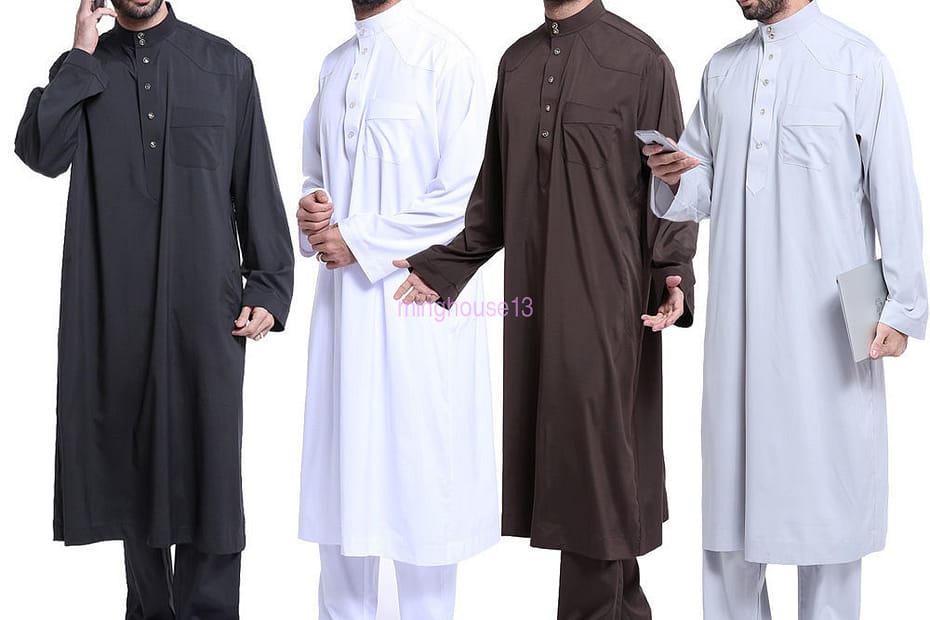
Like any other cultural expression, Muslim men’s fashion has undergone significant transformations, reflecting societal changes and individual identities. Observe how traditional attire, such as the jubilant jubbas, has gradually incorporated modern influences, leading to the rise of contemporary styles like jubbas to streetwear. Note that this evolution not only highlights the diversity within Muslim communities but also challenges stereotypical perceptions of what Muslim men can wear. They are driven by a desire for both style and identity, bridging the gap between heritage and modernity.
The Historical Roots: From Jubbas to Traditional Attire
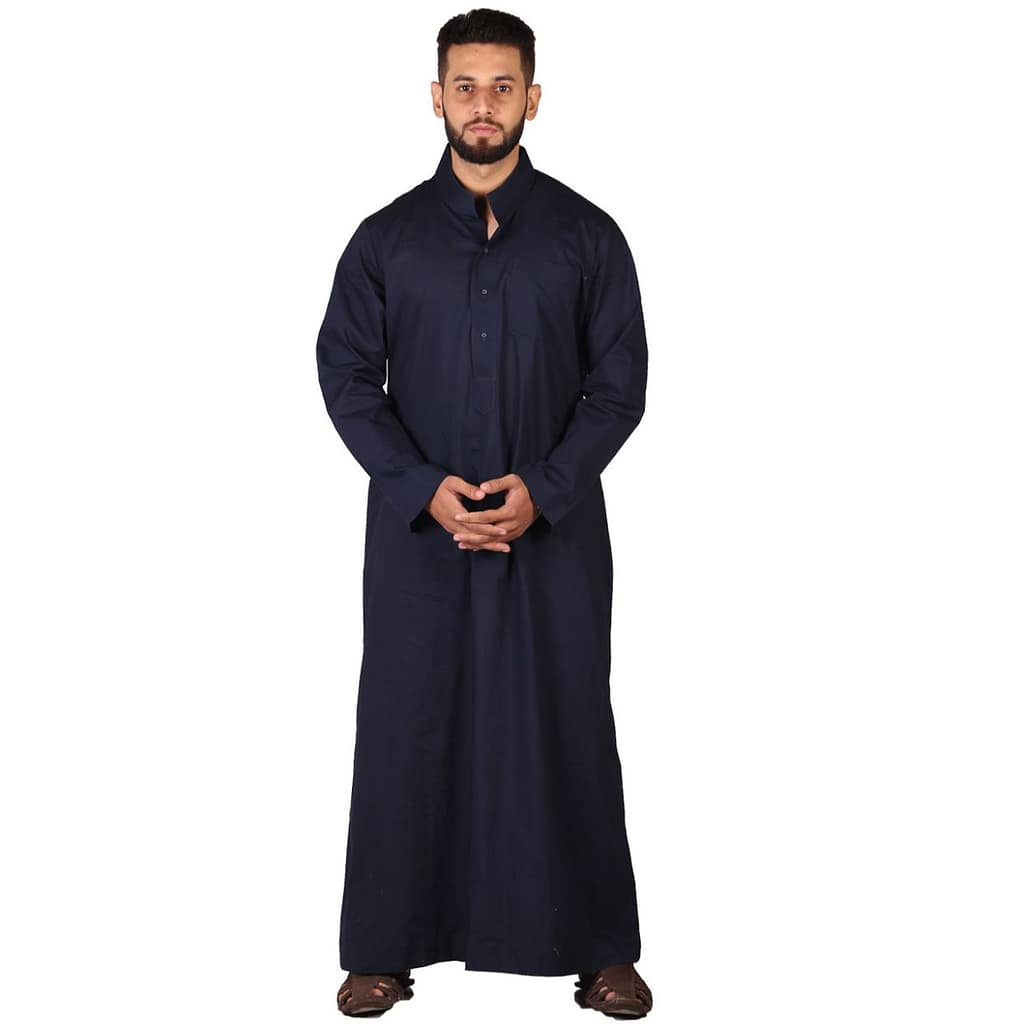
The journey of Muslim men’s fashion is deeply anchored in historical practices, with the jubba serving as a central figure in traditional attire. Originating from the Middle East, the jubba has evolved over centuries, often selected for its modesty and elegance. Crafted from lightweight fabrics, it became a staple among scholars, leaders, and merchants, symbolizing respect and lineage. Variations emerged across regions, reflecting local cultures and traditions while maintaining a strong connection to Islamic values of modesty and dignity.
- Celebrating Cultural Heritage: The Significance of the Jubba
The jubba stands as a proud emblem of cultural identity and religious adherence among Muslim men. Its significance goes beyond mere clothing; it encapsulates centuries of tradition and respect for heritage. Worn during significant occasions, such as weddings and religious ceremonies, the jubba reinforces community bonds and a sense of belonging. By incorporating local designs and artisanal craftsmanship, wearers not only honor their roots but also contribute to the preservation and celebration of their cultural narratives.
- Shift to Modern Influences: How Globalization Redefined Muslim Fashion
Globalization has profoundly altered the fashion landscape for Muslim men, heralding a new era marked by eclectic styles and influences. Exposure to international trends and the increasing availability of diverse clothing options have prompted a shift from traditional garments to modern interpretations of Islamic attire. Fashion shows and collaborations between designers worldwide have sparked creativity, blending contemporary aesthetics with cultural values.
This transformation was accelerated by social media platforms, where influencers and designers showcase innovative styles that resonate with younger audiences. For instance, contemporary Muslim brands introduced streetwear elements fused with traditional pieces. The incorporation of graphics, prints, and relaxed silhouettes signifies a move towards comfort and self-expression while maintaining cultural roots. Such adaptations emphasize that Muslim men can embrace both their faith and the rapidly changing global fashion scene, creating a unique identity that is both stylish and respectful.
Streetwear Revolution: Merging Tradition with Contemporary Style
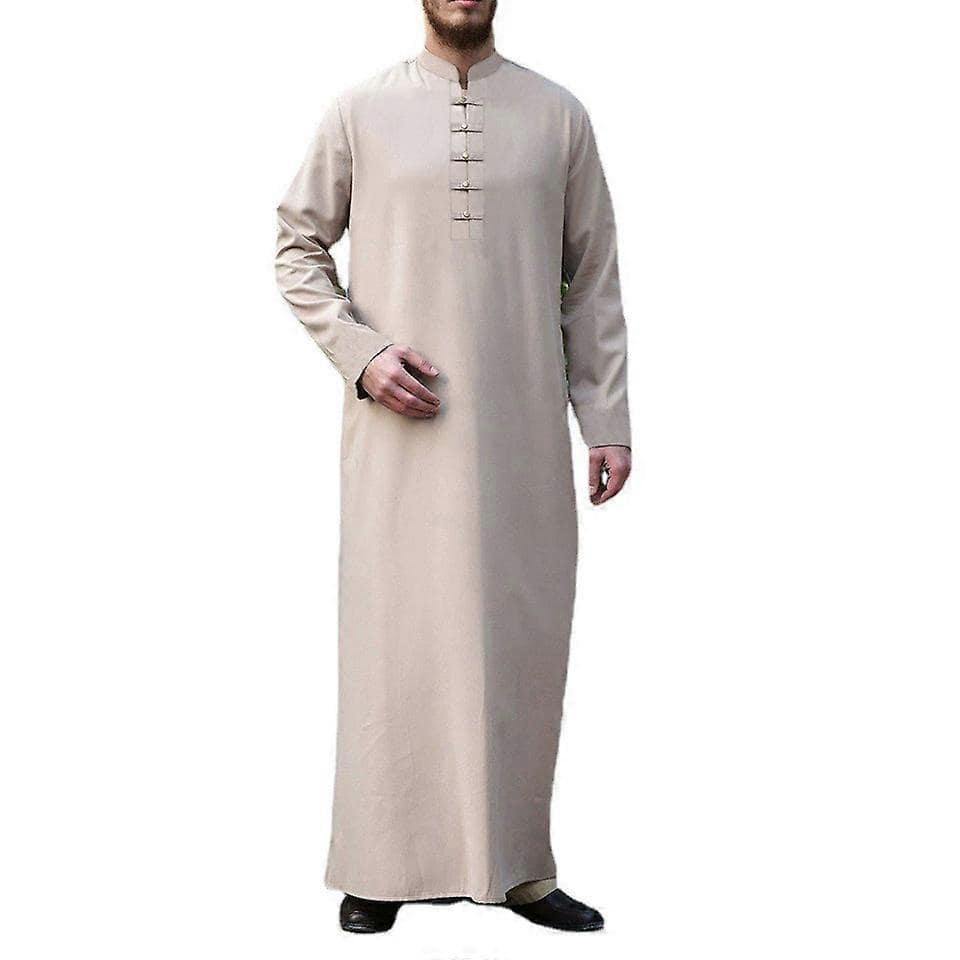
The fusion of traditional aesthetics with modern streetwear marks a pivotal moment in Muslim men’s fashion. Designers are increasingly blending the influences of cultural heritage with contemporary trends, resulting in innovative pieces that maintain respect for tradition while appealing to the younger generation. Jubbas and thobes have been reimagined—crafted from breathable fabrics in vibrant colors, often embroidered or adorned with unique graphics. This new sartorial evolution reflects a daring embrace of individual expression while also resonating with deep-rooted cultural significance.
- The Rise of Urban Culture: Influences of Hip-Hop and Skate Fashion
The convergence of urban culture into fashion has significantly shaped Muslim men’s attire. Hip-hop’s vibrant, expressive style, along with the relaxed, effortless vibes of skate fashion, has inspired many young Muslim men to adopt these elements into their wardrobes. Streetwear’s comfort and functionality meet aesthetic appeal, allowing them to express their identity boldly. Baggy pants, oversized tees, and sneakers adorned with unique patterns and motifs have become staples, enabling a distinctive blend of cultural and personal expression.
- Iconic Streetwear Brands: Pioneers of Muslim Men’s Fashion Evolution
Several brands have emerged as leaders in reshaping Muslim men’s fashion through streetwear, effectively bridging the gap between tradition and modernity. Notable names like Bape, Supreme, and Off-White have set trends that cater not only to mainstream tastes but also embrace the nuances of Muslim identity. These brands inspire a sense of belonging and allow designers to cater to a diverse audience, integrating Islamic principles with modern sensibilities.
Iconic brands like Ahlam, DTMN, and Zayaan have gained traction by delivering collections that harmoniously merge streetwear aesthetics with Islamic values. Ahlam, for instance, features clothing with subtle references to traditional attire while incorporating urban motifs that resonate with a younger audience. DTMN leans into the casual yet chic vibes present in contemporary streetwear while respecting cultural heritage by offering garments that ensure modesty. Zayaan has also carved a niche by highlighting sustainable practices, appealing to eco-conscious consumers who seek style within the framework of ethics.
The Role of Digital Platforms: Social Media’s Impact on Style
Digital platforms have transformed fashion for Muslim men, enabling real-time engagement with style evolution and cultural exchange. Through social media channels like Instagram, TikTok, and Pinterest, individuals can now curate their aesthetics and share their interpretations of traditional garments blended with contemporary trends. As influencers showcase their unique styles, they spark conversations and motivate followers to experiment with their dress, promoting a dynamic dialogue in an ever-changing fashion landscape.
- Influencers and Cultural Ambassadors: Shaping Trends in Real Time
Influencers have become crucial figures in shaping trends within Muslim men’s fashion. They organically blend tradition with modern styles, showcasing how traditional wear can fit seamlessly into everyday wardrobes. Whether through styling jubbahs with sneakers or introducing new fabrics and cuts, these cultural ambassadors cater to diverse audiences, inspiring countless individuals to embrace their identities through fashion.
- E-commerce and Global Reach: Access to Diverse Fashion Choices
The rise of e-commerce has opened up unprecedented access to diverse fashion choices for Muslim men. Today, online platforms provide a plethora of brands from around the globe, allowing consumers to explore eclectic styles that reflect their cultural heritage while adapting to modern trends seamlessly. Shoppers can find everything from bespoke jubbahs to streetwear-inspired outfits with just a few clicks, revolutionizing how fashion is accessed and consumed.
With increased availability comes an expansion in the representation of Muslim fashion on a global scale. Websites like Modanisa and ASOS’s specific categories for modest wear cater to various tastes, reinforcing a sense of community among shoppers. Moreover, small businesses leveraging social media for marketing find audiences across continents, creating a marketplace that thrives on cultural appreciation and diversity. This global reach empowers Muslim men to showcase their personal aesthetics while making informed fashion choices that resonate with contemporary attire and traditional influence alike.
The Intersection of Faith and Fashion: Navigating Modern Sensibilities
Many Muslim men today skillfully navigate the delicate balance between their faith and contemporary fashion trends. This intersection is becoming increasingly significant, with Muslims embracing styles that respect religious guidelines while also allowing room for personal creativity and expression. As they blend traditional elements with modern aesthetics, these men are demonstrating that religious adherence does not preclude a stylish and dynamic wardrobe. The ability to harmonize one’s beliefs with personal style is emblematic of the ever-evolving nature of cultural identity within the Muslim community.
- Religious Guidelines Adapted: Balancing Modesty with Style
Modesty remains central to Muslim men’s fashion, yet designers are ingeniously adapting religious guidelines to modern sensibilities. While maintaining coverage and appropriateness, pieces often embrace contemporary cuts, colors, and patterns. The incorporation of breathable fabrics and versatile silhouettes allows Muslim men to express their identity without compromising on religious values, striking an impressive equilibrium between traditional modesty and the vibrant palettes of modern fashion.
- The Personal Expression Revolution: Fashion as a Form of Identity
Fashion has emerged as a profound avenue for personal expression among Muslim men, with styles transforming into statements of identity. Trends reflect not just sartorial choices but also cultural pride, social consciousness, and individual narratives. By mixing and matching various influences—whether inspired by hip-hop, street culture, or local traditional styles— these men craft a unique visual language that speaks to their beliefs and backgrounds.
The influence of digital platforms and social media cannot be understated in this personal expression revolution. Muslim men across the globe share their eclectic fashion journeys, which not only fosters a sense of community but also encourages others to embrace their individuality. Figures like model and influencer Ahmed Majdi showcase the ability to blend modesty with cutting-edge designs, offering inspiration to many. As personal identity becomes increasingly intertwined with style, the freedom to experiment with one’s attire reflects a nuanced understanding of faith in contemporary society.
Forward-Looking Trends: The Future of Muslim Men’s Fashion
The future of Muslim men’s fashion is poised for exciting transformations, embracing a blend of cultural heritage and contemporary influences. With a growing emphasis on individuality and expression, designers are likely to create styles that resonate with the aspirations of the younger demographic while respecting traditional values. Innovations will emerge from collaborations between established designers and emerging talents, crafting garments that merge functionality with aesthetic appeal. This evolving landscape will not only redefine identities but also broaden the acceptance of diverse forms of self-expression within the Muslim community.
- Sustainability and Ethical Fashion: Emerging Movements Within the Community
Within the Muslim community, there is a burgeoning movement towards sustainability and ethical fashion that reflects a conscientious approach to consumption. As awareness about environmental impacts grows, Muslim men are increasingly opting for brands that prioritize eco-friendly materials and fair labor practices. This shift is evident in the rise of labels that incorporate recycled fabrics and traditional techniques, ensuring that fashion choices align with their values and beliefs, paving the way for a more responsible industry.
- Innovation in Design: The Role of Technology in Shaping New Aesthetics
Technology is reshaping the aesthetics of Muslim men’s fashion through innovative design practices. Brands are utilising digital tools for fabric printing, 3D modeling, and augmented reality, allowing for unique creations that blend traditional influences with modernity. Emerging techniques like computer-aided design (CAD) enable designers to produce intricate patterns and custom fits, enhancing both functionality and style. These advancements not only streamline production but also inspire the exploration of new textiles, paving the way for more experimental approaches that resonate with contemporary sensibilities.
This embrace of technology goes beyond mere aesthetics; it facilitates a deeper connection between consumers and the design process. For instance, platforms utilizing virtual fitting rooms allow individuals to visualize how garments would look on them, bridging the gap between online shopping and personal engagement. Additionally, blockchain technology is emerging as a tool for ensuring transparency in the supply chain, appealing to ethically-minded consumers.
Summing up
On the whole, the evolution of Muslim men’s fashion from traditional jubbas to contemporary streetwear reflects a dynamic interplay of culture, identity, and modernity. Embrace variety of influences, adapting to personal and societal changes while retaining core elements of tradition. Explain how these shifts signify a broader conversation about diversity and expression within the Muslim community. They acknowledge that this transformation is not merely about clothing but serves as a canvas for expressing individuality in an increasingly globalized world. Thus, Muslim men’s fashion continues to innovate while honoring its rich heritage.