Table of Contents
Fashion is evolving at breakneck speed, and you need to be ready for what’s next. The fashion industry is increasingly leveraging virtual reality (VR) technology to develop and promote products while enhancing consumer experience. This trend aligns with the global rise in VR adoption within fashion businesses, which is projected to grow at a Compound Annual Growth Rate of 13.4% from 2021 to 2026.
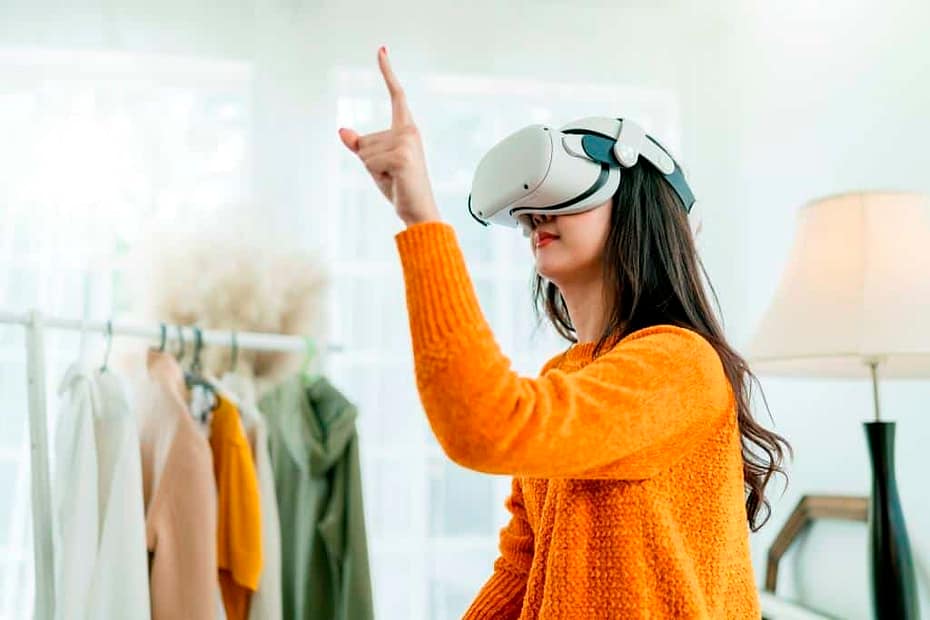
Imagine stepping into a virtual store where you can try on hijabs, abayas, and tunics from the comfort of your home. Virtual reality has the potential to revolutionize your shopping experience by offering personalized fit, style exploration, and a taste of the latest trends without the hassle. It’s not just about clothes; it’s about creating a new way for you to express your identity and connect with your culture. Are you ready to embrace the future?
The Rise of Virtual Reality in Retail
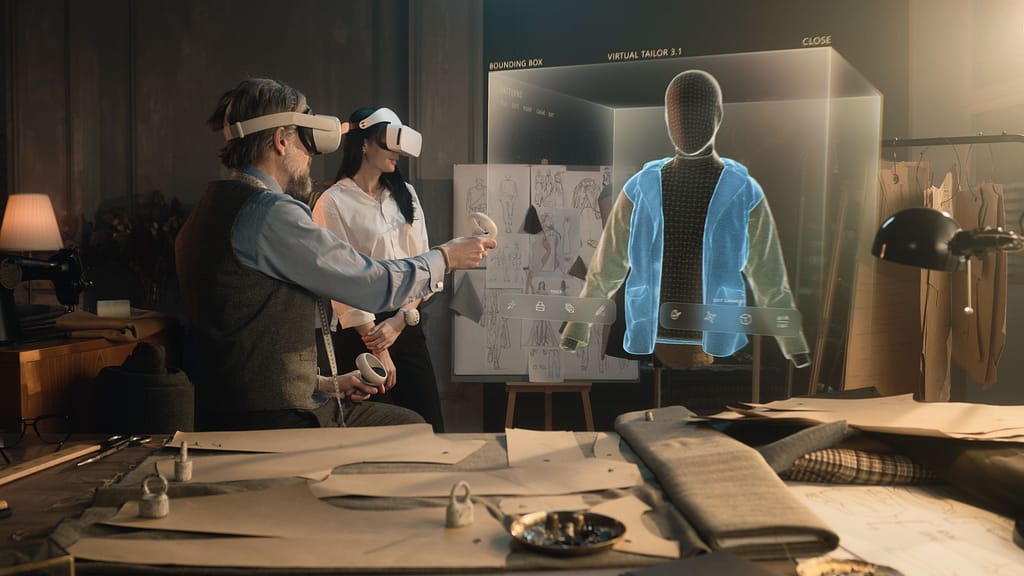
Virtual reality is revolutionizing the retail landscape, offering immersive experiences that engage consumers like never before. Brands are leveraging VR to create virtual showrooms, allowing customers to explore products within a simulated space. This transformation captures consumer interest, enhancing how you shop by merging physical and digital worlds. You can now try on clothes virtually, experience fit and style without the hassle of a changing room, ultimately reshaping your purchasing decisions.
- Evolution of Virtual Shopping Experiences
Virtual shopping has come a long way from static online catalogs to interactive, lifelike environments. Early 2D online stores have evolved into 3D experiences that allow you to navigate virtual showrooms and interact with products. These advancements create a more personal and engaging shopping experience, empowering you to visualize how clothing fits and looks on your body. Incorporating social elements in these experiences enables you to shop alongside friends, enhancing decision-making through shared opinions.
Although online buying is quick and simple, it hasn’t provided the same experience as in-store shopping for years. The visual shopping experience is the result of merchants’ gradual shift in focus, which involved utilizing technology to improve user experiences and integrating user interface designs, services, and customer care. Customers have chosen to shop in-store rather than online, particularly for larger purchases and/or customized items, because they now anticipate a connected shopping experience, which has previously been challenging to provide via online marketplaces (sometimes leading to increased returns).
- Key Players and Innovations in VR Technology
Several key players are driving the VR innovation wave in retail, such as Oculus, Shopify, and Magento. These companies are pushing the boundaries of virtual experiences, integrating artificial intelligence and machine learning to personalize your shopping journey. Oculus has created devices that provide high-quality visuals and interactive features, while Shopify and Magento offer platforms for retailers to create their own immersive storefronts. The combination of these technologies enhances user engagement, making shopping more intuitive and enjoyable for you.
These key players are not just delivering hardware but also creating ecosystems that fuel innovation. For instance, brands like Nike and IKEA utilize Oculus’s VR technology for virtual showrooms, letting you visualize products in your environment. Additionally, advancements in haptic feedback technology give you tactile sensations, making digital interactions feel more real and satisfying. Companies investing in AR and VR are continuously updating their offerings, ensuring you enjoy a seamless, futuristic shopping experience that meets your expectations every time.
Cultural Sensitivity: A Virtual Reality Challenge
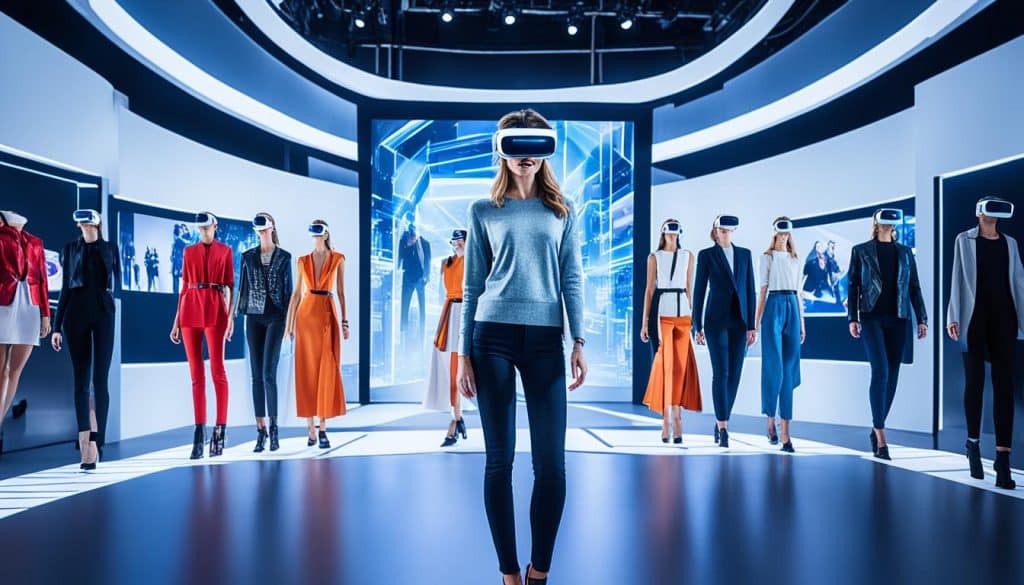
Delivering virtual reality experiences that honor Muslim cultural norms requires a deep understanding of complex dress codes. Balancing style with the principles of modesty presents a unique hurdle for brands venturing into this space. You must respect traditions while using VR to showcase your products, ensuring that your virtual avatars and environments resonate with authentic Islamic aesthetics. Missteps in representation can alienate consumers, making cultural sensitivity not just a checkbox but a pillar for successful engagement.
- Navigating Islamic Dress Codes through VR
Your approach to Islamic dress codes through VR must be both informed and respectful. Highlighting styles that align with modesty while showcasing diversity within the Muslim community will resonate strongly. Create environments where shoppers feel comfortable immersing themselves in different outfits, reflecting the rich variety of Islamic fashion, from vibrant hijabs to elegant abayas, tailored for various cultural contexts.
A fresh approach to navigating Islamic clothing regulations while investigating contemporary fashion trends is provided by virtual reality (VR). Users can virtually try on modest apparel, such as abayas, jilbabs, and hijabs, through immersive simulations, making sure the styles adhere to religious standards before making a purchase. Without ever leaving their homes, consumers can mix old and modern styles, personalize their wardrobes, and see them in lifelike environments thanks to virtual reality platforms. Additionally, this technology assists firms in educating consumers about the religious and cultural facets of Islamic dress. VR is influencing the future of Muslim apparel experiences globally by fusing innovation and modesty to make purchasing more engaging, educational, and inclusive.
- Successful VR Engagements with Muslim Consumers
Engagement with Muslim consumers through VR has seen success in brands that prioritize authenticity and inclusivity. Incorporating elements that celebrate Islamic fashion helps foster a connection, as seen with brands like ASOS and H&M, which have launched virtual collections tailored specifically for this audience. Through targeted campaigns and collaborations with Muslim influencers, you can establish credibility and trust, paving the way for a vibrant shopping experience that reflects the identity of your consumers.
Brands achieving success in VR have invested in research and partnerships with Muslim designers and influencers to gain insight into consumer preferences. For instance, Marketer’s research highlights that 78% of Muslim shoppers value brands that demonstrate cultural understanding and respect. By implementing immersive storytelling techniques—like virtual fashion shows featuring diverse models—you can captivate your audience and drive sales. Engaging your customers with personal stories showcases the values behind each garment, solidifying loyalty and trust in your brand within the Muslim community.
Enhancing Personalization with Virtual Fitting Rooms
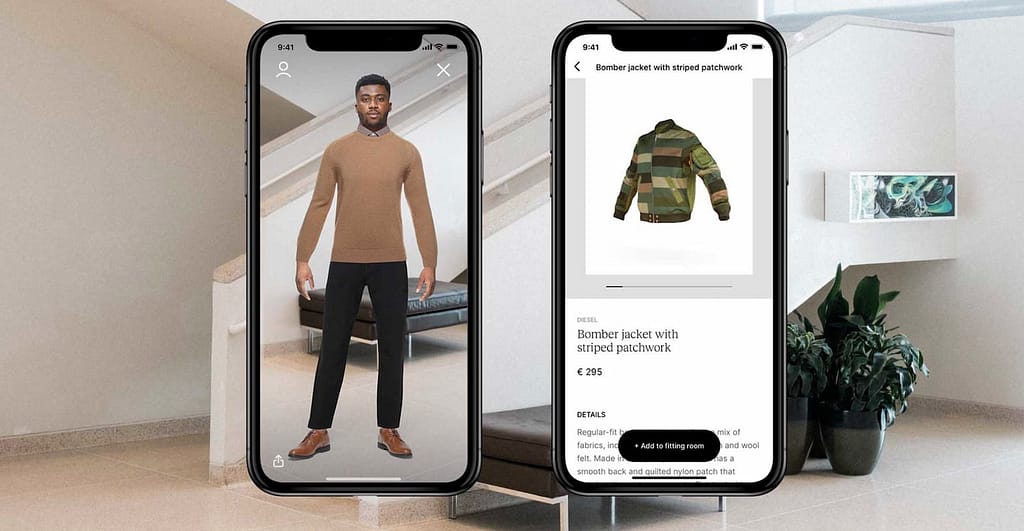
Virtual fitting rooms transform the shopping experience by allowing you to try on clothes in a digital environment. This technology analyzes your body shape and dimensions, helping you visualize how various garments will fit without the hassle of physical trials. Enhanced with augmented reality, you can mix and match unique outfits to reflect your personal style while respecting cultural standards. The result? A tailored shopping experience that feels personal, engaging, and convenient.
- Addressing Fit and Size Disparities
Size discrepancies often create a frustrating barrier in shopping, especially within Muslim attire where fit is paramount. Virtual fitting rooms target this issue by allowing you to input your measurements, ensuring that garments are styled specifically for your body type. This minimizes the uncertainty around sizes and provides you with a more accurate representation of how clothing will look, boosting confidence in your purchase decisions.
Muslim fashion businesses’ approach to fit and size differences is being revolutionized by virtual reality (VR). Before making a purchase, customers can use virtual try-ons and 3D body scanning to check how modest clothing, hijabs, and abayas fit their individual body types. This guarantees comfort while adhering to modesty standards, minimizes returns, and lessens sizing guessing. Brands can also use VR to provide inclusive sizing ranges and customize designs to meet the needs of a wide variety of customers. By combining technology with fashion, VR creates a personalized shopping experience where style, fit, and faith-based requirements align seamlessly, setting a new standard for convenience and customer satisfaction in the modest fashion industry.
- The Role of AI in Tailoring Fashion Choices
Artificial intelligence plays a game-changing role in personalizing your fashion experience. By analyzing past purchases and preferences, AI algorithms curate clothing suggestions that resonate with your unique taste and cultural sensitivities. They can even provide insights on trending styles within the Muslim community, empowering you to discover new looks while keeping your individual style front and center.
AI-driven algorithms go deeper than simple recommendations; they monitor various data points such as your browsing habits and feedback loops to refine suggestions dynamically. Imagine a setup where the system learns your liking for modest cuts, specific colors, or patterns and continuously evolves to present you with options tailored just for you. This level of personalization means fewer returns, elevated satisfaction, and a more efficient shopping journey that feels custom-made for your lifestyle.
Economic Impact: Redefining the Muslim Clothing Market
Virtual reality is set to transform the economic landscape of the Muslim clothing market, creating unique opportunities for brands to engage with consumers in immersive environments. As you explore VR platforms, you’ll witness innovative retail experiences tailored to your needs. This shift can attract substantial investments, bolstering local artisans and emerging designers while challenging traditional retail giants. The intersection of technology and culture in this evolving market presents a dynamic realm for growth, driving a new wave of economic activity within the community.
- Opportunities for Local vs. Global Brands
Local brands can leverage virtual reality to showcase unique cultural narratives, enhancing their visibility through virtual storefronts. Meanwhile, global brands can use VR to offer personalized shopping experiences that cater to diverse Muslim communities, navigating cultural sensitivities effectively. This balancing act allows you to choose between supporting local craftsmanship or accessing international trends, enriching your shopping experience.
- The Future of E-Commerce in the Muslim Community
The integration of VR in e-commerce might redefine how you engage with brands and shop for clothing. As e-commerce platforms become increasingly tailored to cultural preferences, you’ll find an enhanced ease in discovering modest fashion that’ll suit your style. With platforms investing in AR and VR technologies, expect hyper-personalized shopping experiences that resonate with your values and aesthetics.
The future of e-commerce in the Muslim community leans heavily on technology, catering to your preferences and lifestyle. Merchants will likely implement AI-driven recommendations alongside VR try-on features, facilitating a seamless shopping journey with offerings specifically designed for modest fashion. This evolution satisfies growing demands for both convenience and cultural fidelity, ensuring you enjoy a diverse range of options that speak to your identity while expanding the global reach of Muslim fashion.
Consumer Behavior: Shifting Paradigms
As virtual reality reshapes the landscape, your shopping habits may evolve significantly. You’ll find yourself prioritizing experiences over mere transactions. This paradigm shift is evident in how you approach purchases, favoring immersive, interactive methods that not only engage but also inform your fashion choices. The allure of trying on clothing virtually and experiencing different fabrics through VR technology makes shopping not just easier but far more enjoyable.
- The Experience Economy and Muslim Shoppers
The experience economy targets your desire for meaningful interactions while shopping. For Muslim shoppers, this means finding clothing that aligns with cultural values and personal style. Virtual reality enables a rich environment where you can explore diverse styles and aesthetics within Islamic guidelines, all while enjoying an engaging and memorable experience. Shopping becomes less about the product itself and more about the journey you take to discover it.
- Building Brand Loyalty through Immersive Experiences
Immersive experiences create strong emotional connections between you and brands. With virtual reality, brands can offer personalized interactions, turning mundane shopping into an adventure. You’ll remember the excitement of virtually walking through a beautifully crafted bazaar, interacting with the pieces, and feeling a sense of community. These memorable encounters foster loyalty, as your positive experiences compel you to return to brands that understand your unique needs.
Brands that leverage immersive experiences have a competitive edge in fostering loyalty among Muslim shoppers. By creating virtual environments where you can engage with products that cater to both your cultural values and fashion sense, these brands build a connection that goes beyond the transaction. For example, a virtual tour of a collection showcasing modest wear in various scenarios allows you to envision how it fits into your lifestyle.
Summing up
As a reminder, virtual reality isn’t just a cool tech gimmick; it’s a game changer for your shopping experience in the world of Muslim clothing. Imagine trying on outfits right from your living room, visualizing styles that resonate with your identity, and discovering brands that truly understand your needs. VR can simplify your decision-making, save you time, and elevate your style game. Dive into this opportunity, embrace the future, and let VR redefine how you shop for clothing that reflects who you are.