Table of Contents
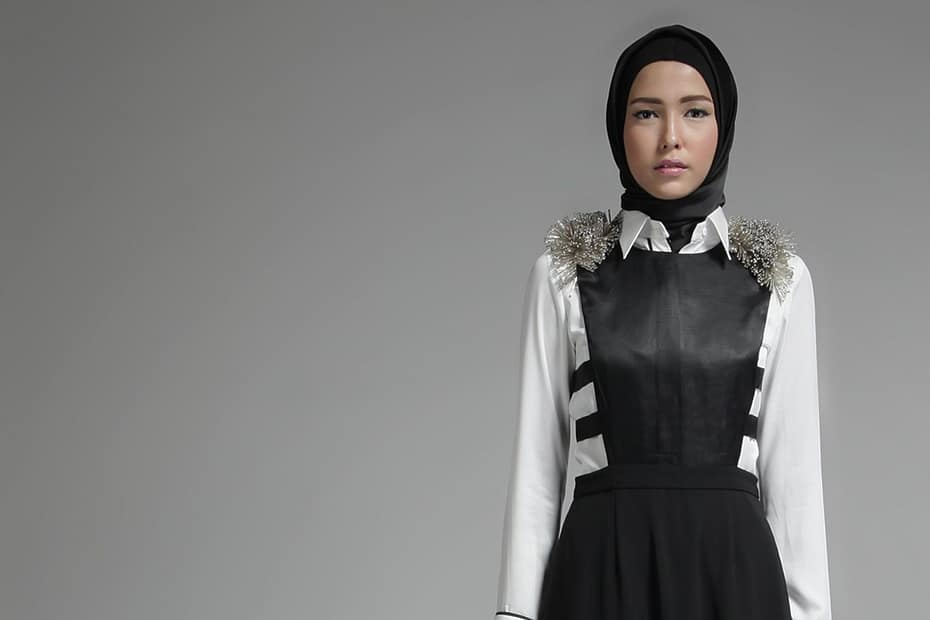
People have come forward as trailblazers, supporting Muslim-owned fashion brands that are making big waves on the international scene, just when the fashion market appeared to be saturated. In addition to reinventing modern fashion, these creative designers are encouraging modesty and cultural authenticity. Through their imaginative ideas, they show how fashion can unite disparate groups and celebrate uniqueness and tradition while serving as a catalyst for good change. The notable Muslim-owned fashion firms that are changing the scene and motivating the next generation are examined in this blog post.
Breaking Cultural Barriers: The Rise of Muslim Fashion Brands
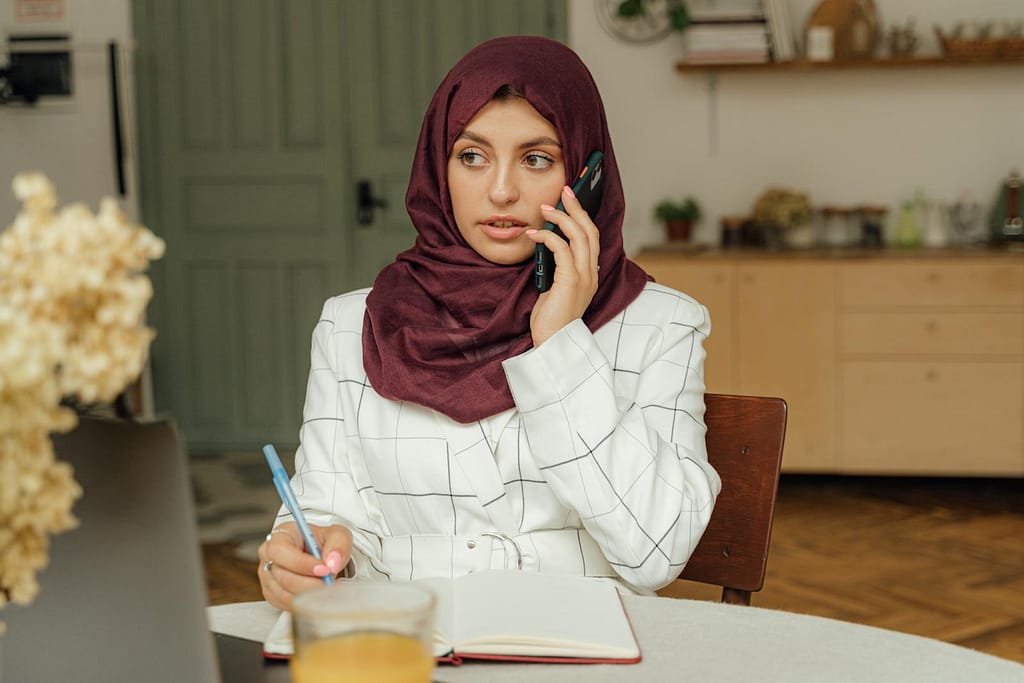
Muslim fashion brands are making their presence felt on global runways, deftly intertwining cultural heritage with contemporary design. As they rise, these brands challenge stereotypes and counter narratives about Muslim women, showcasing their empowerment through stylish yet modest clothing. The demand for inclusive fashion has sparked a vibrant marketplace where creative voices can flourish, enabling diverse representations within the fashion landscape. This evolution signifies a broader cultural shift, welcoming more identities into the fashion fold while advocating for respect and appreciation of various traditions.
- The Intersection of Faith and Fashion
At the crossroads of personal expression and religious beliefs, designers are crafting pieces that honor Islamic values while providing fashionable choices. They seamlessly blend traditional motifs with modern aesthetics, allowing individuals to express their faith without compromising their style. This fusion not only resonates with a diverse audience but also highlights the rich tapestry of cultural narratives embedded in each garment.
- Trailblazing Designers Redefining Modesty
Trailblazing designers like Hana Tajima and Annah Perry exemplify a new era of fashion where modesty is reimagined and celebrated. Their collections challenge the norms associated with traditional women’s attire, enhancing the notion that fashion can be both stylish and respectful. By using innovative fabrics and unique silhouettes, they push the boundaries, proving that modest clothing does not equate to mundane. Their designs cater to women seeking elegance without sacrificing their values, setting the stage for a broader acceptance of diverse styles.
Trailblazing designers have taken it upon themselves to redefine the boundaries of modest fashion through innovative and diverse collections. They focus on comfort and accessibility while infusing cultural elements, often drawing inspiration from global trends. Designers like Aab and Moka by MSH present a contemporary twist on traditional garments, showcasing how varying fabric choices and cuts can maintain modesty while embodying modern flair. By collaborating with influencers and leveraging social media, they create inclusive communities that encourage femme empowerment and bolster a cultural appreciation of modest design.
The Global Influence of Muslim Fashion: Trends and Transformations
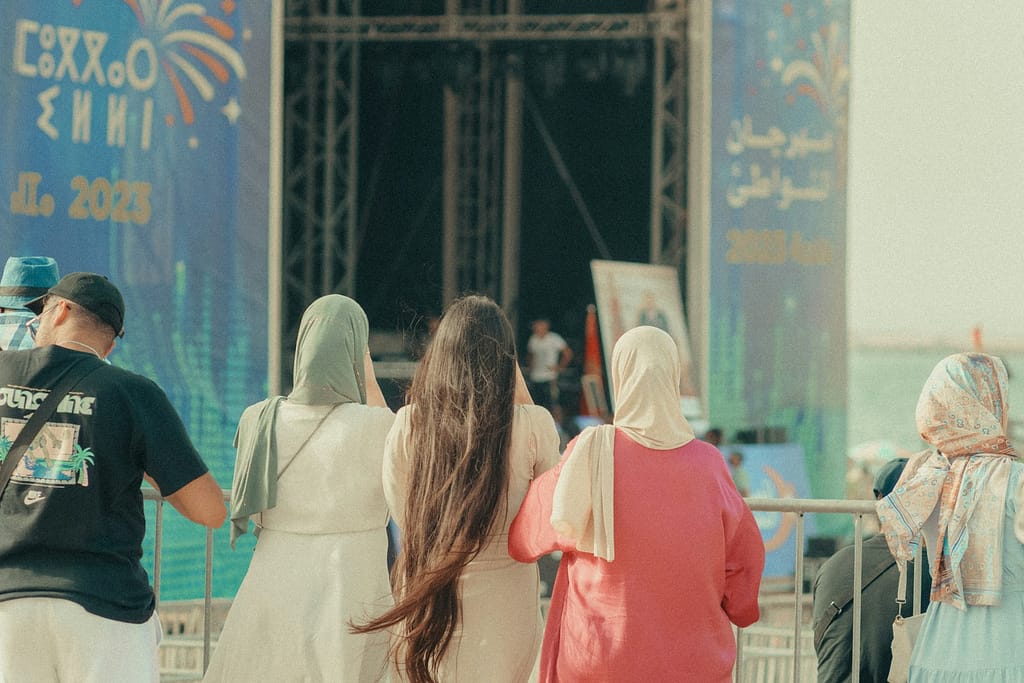
As Muslim fashion firms become more well-known on international stages, the fashion industry is undergoing a radical change. These firms are expanding their market presence by redefining styles for a variety of customers by fusing modern design with cultural storytelling. This development stresses inclusivity in a world that is becoming more interconnected, in addition to highlighting the growing popularity of modest fashion. Fashion may embrace cultural identity while satisfying contemporary expectations, as evidenced by the diverse aesthetics reflected by brands.
- Sourcing Inspiration from Heritage
Designers draw deeply from their cultural roots, infusing traditional patterns, textiles, and motifs into modern apparel. Heritage-inspired pieces resonate with both local and international audiences, bridging the gap between past and present. This unique blend fosters authenticity, allowing customers to connect with their heritage while celebrating contemporary trends. For instance, using the intricate embroidery techniques of South Asia or Middle Eastern calligraphy can elevate contemporary garments, giving them a distinctive mark of identity.
- The Role of Social Media in Brand Expansion
Social media platforms have transformed how Muslim-owned fashion brands market and connect with consumers globally. Leveraging Instagram, TikTok, and Pinterest, designers showcase their collections in visually compelling ways. User-generated content and influencer collaborations further amplify brand messages, driving organic engagement and wider reach. With the right strategies, brands can cultivate dedicated communities that champion their philosophies and aesthetics, leading to increased sales and brand loyalty.
By prioritizing visually appealing content and authentic narratives, these brands establish their authority while simultaneously expanding their customer base. Online campaigns can lead to high conversion rates, proving social media’s power in converting followers into consumers. As a result, this digital landscape not only boosts individual brands but also elevates Muslim fashion on a global scale, reshaping traditional paradigms in the fashion industry.
Sustainability Meets Style: The Ethical Edge of Muslim Brands
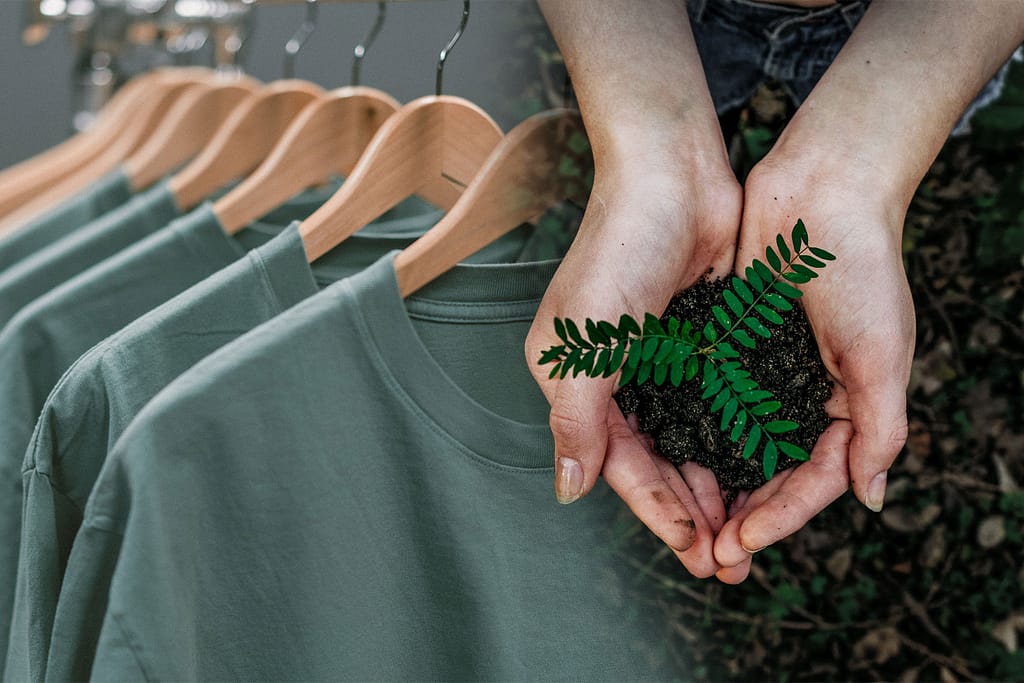
Muslim-owned fashion brands are leading the way in sustainability, merging style with ethics to create a significant impact on the industry. By prioritizing eco-friendly practices and responsible consumption, they challenge traditional fashion norms. These brands are redefining elegance with an emphasis on sustainable materials and ethical production methods, paving the path toward a more conscientious approach to fashion.
- Eco-Friendly Materials and Practices
A research found that Muslim fashion brands are committed to using eco-friendly materials, such as organic cotton, Tencel, and recycled fabrics. By prioritizing sustainable sourcing, they reduce waste and promote environmentally responsible production processes. Brands like Modanisa and Haute Hijab exemplify this commitment by incorporating biodegradable packaging and minimizing water consumption in their manufacturing practices.
- Empowering Communities Through Ethical Production
Ethically produced fashion not only uplifts the environment but also empowers local communities. Muslim-owned brands often partner with artisans and local manufacturers to ensure fair wages and safe working conditions. This collaborative approach strengthens local economies, preserves traditional craftsmanship, and promotes cultural heritage, creating a more sustainable future for fashion.
Collaborating with skilled artisans allows Muslim fashion brands to infuse authenticity into their designs while providing sustainable livelihoods. For example, brands like Zeynep Tosun focus on ethical production by directly engaging with artisans, ensuring they receive fair compensation for their craft. This not only supports artisans but also encourages more brands to prioritize ethical practices. As consumer demand for transparency grows, the emphasis on uplifting communities through ethical production is set to become a cornerstone of Muslim fashion’s ongoing evolution.
Navigating Challenges: The Realities of Running a Muslim Fashion Brand
There are obstacles in the way of managing a Muslim fashion brand. Designers often grapple with finding the right balance between honoring cultural authenticity and appealing to a broader audience. The intricacies of logistics can be daunting, ranging from locating supplies that are consistent with moral principles to meeting consumer needs. In addition, up-and-coming designers have to stay loyal to their vision and mission while navigating competitive business environments and shifting consumer tastes.
- Balancing Tradition with Contemporary Trends
Muslim fashion brands are often at the crossroads of tradition and modernity, striving to create pieces that are both culturally significant and trendy. Successful designers incorporate traditional motifs and craftsmanship while experimenting with contemporary cuts and styles. For instance, brands like Aab have seamlessly blended modern silhouettes with classic prints, thus appealing to the contemporary Muslim woman who values both heritage and style.
- Overcoming Prejudice and Misconceptions
Islamophobia and cultural misunderstandings can often pose significant barriers to Muslim fashion brands. Many entrepreneurs face the challenge of educating consumers about their designs, which are frequently misconceived as less fashionable. They encounter stereotypes about modesty and are often overlooked in mainstream fashion narratives. By actively engaging with audiences through social media and community events, many leaders in the Muslim fashion industry strive to reshape perceptions and highlight the diversity and vibrancy of Muslim attire.
Efforts to counteract these prejudices often involve sharing personal stories and cultural backgrounds that reflect the richness of Islamic traditions. Brands like Haute Elan do not shy away from showcasing the multifaceted narratives behind their collections, using platforms to detail the cultural significance of their designs. This transparency allows them to connect with consumers on a deeper level, fostering understanding and appreciation, ultimately helping to bridge gaps in perception and attract a more diverse clientele.
The Future is Bright: Emerging Talents to Watch
A new generation of designers is contributing to the richness of Muslim-owned fashion by pushing the bounds of creativity while simultaneously embracing their cultural background. These up-and-coming artists are challenging conventions, adding modern flair to classic styles, and making a name for themselves as important participants in the global fashion conversation. By highlighting the various stories within the Muslim community, their distinct viewpoints are poised to enhance not only their brands but the fashion industry overall.
- Innovative Concepts and Designs
Designer is crafting garments that challenge conventional silhouettes, blending modesty with modernity in striking ways. His collections experiment with sustainable materials, showcasing not just aesthetic appeal but also a commitment to ethical fashion practices. They prioritize inclusivity, offering ranges that cater to various body types while pushing the envelope of traditional designs, ensuring that each piece tells a story rooted in cultural identity.
- Collaborations that Strengthen Communities
Collaborative efforts among emerging Muslim fashion designers are becoming a key strategy in building robust communities. By partnering with local artisans, they are not only preserving traditional crafting techniques but also supporting economic development within their societies. These collaborations allow for the sharing of skills and resources, leading to innovative products that resonate with a larger audience while maintaining cultural integrity.
Such collaborations have been instrumental in connecting diverse groups within the fashion sphere. For instance, designers have teamed up with artisans in underprivileged areas to create unique, handmade accessories that complement their clothing lines. This approach fosters empowerment and allows artisans to share their craftsmanship on a broader scale, while also providing designers with authentic, culturally rich embellishments.
Summing up
Ultimately, the rise of impactful Muslim-owned fashion brands demonstrates the powerful intersection of cultural identity and global influence. Highlight how these brands not only challenge stereotypes but also enrich the fashion landscape with diverse narratives and innovative designs. Observe that through authentic representation and social responsibility, these entrepreneurs are redefining industry norms and setting new standards for inclusivity. They inspire a future where fashion transcends mere aesthetics, becoming a platform for meaningful dialogue and positive change within the global community.