Table of Contents
Let’s talk about the evolution of Muslim clothes! In this article, we will explore the fascinating journey of Muslim clothing, tracing its evolution from traditional attire to modern and trendy fashion. Muslim clothes have come a long way, reflecting not only religious beliefs but also cultural and societal changes. We will delve into the historical roots of traditional Muslim clothing, examining how it has transformed over time to embrace contemporary styles and trends. Join us as we unravel the rich tapestry of Muslim fashion and discover the fusion of tradition and modernity that defines it today.
Traditional Muslim Clothing
Hijab
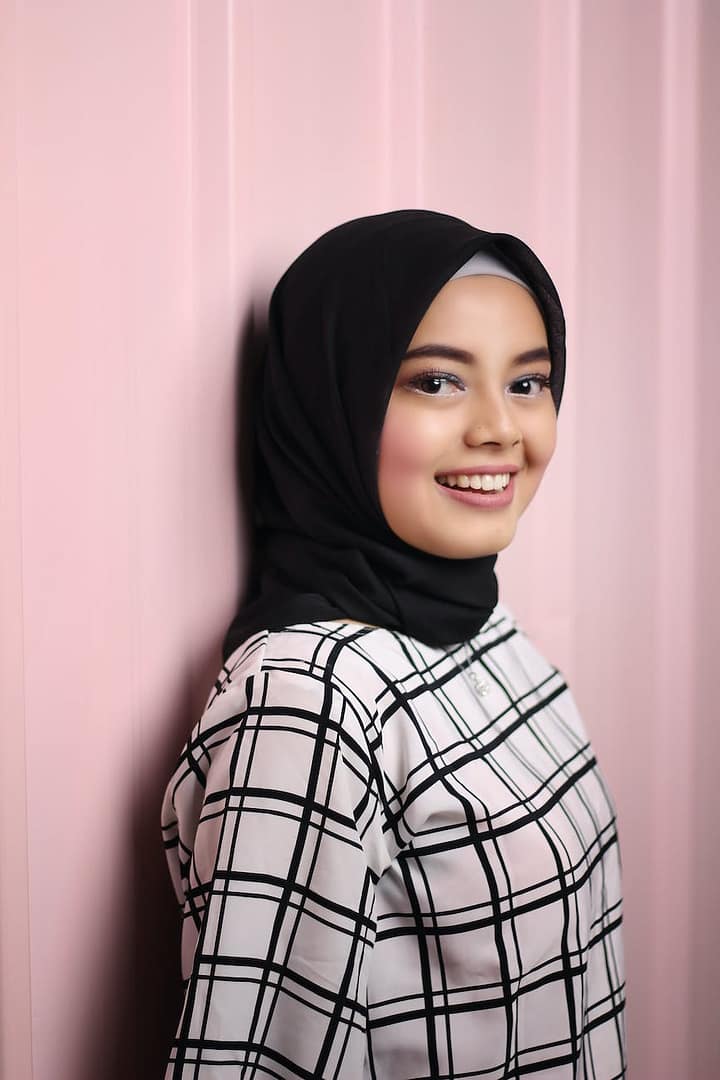
The hijab is a traditional Muslim headscarf worn by women as a symbol of modesty and privacy. It covers the hair, neck, and sometimes even the shoulders. The hijab comes in various styles and colors, allowing women to express their individuality while adhering to the Islamic dress code. It is an essential part of traditional Muslim clothing and has been worn for centuries.
Abaya
The abaya is a loose-fitting, full-length robe worn by Muslim women. It is typically black in color, although variations in design and embellishments are becoming more popular. The abaya is worn over regular clothing and serves as a modest outer garment. It is often made of lightweight fabric to ensure comfort, especially in warmer climates. The abaya is an iconic piece of traditional Muslim clothing and is worn in many countries across the world.
Thobe
The thobe, also known as a dishdasha or kandura, is a traditional garment worn by Muslim men. It is a long, loose-fitting robe that reaches the ankles and is usually made of lightweight fabric like cotton or linen. The thobe is commonly worn in the Middle East and other Muslim-majority countries. It is a symbol of cultural identity and is often paired with a head covering, such as a keffiyeh or ghutra. The thobe has evolved over time, with modern variations featuring different colors, patterns, and styles.
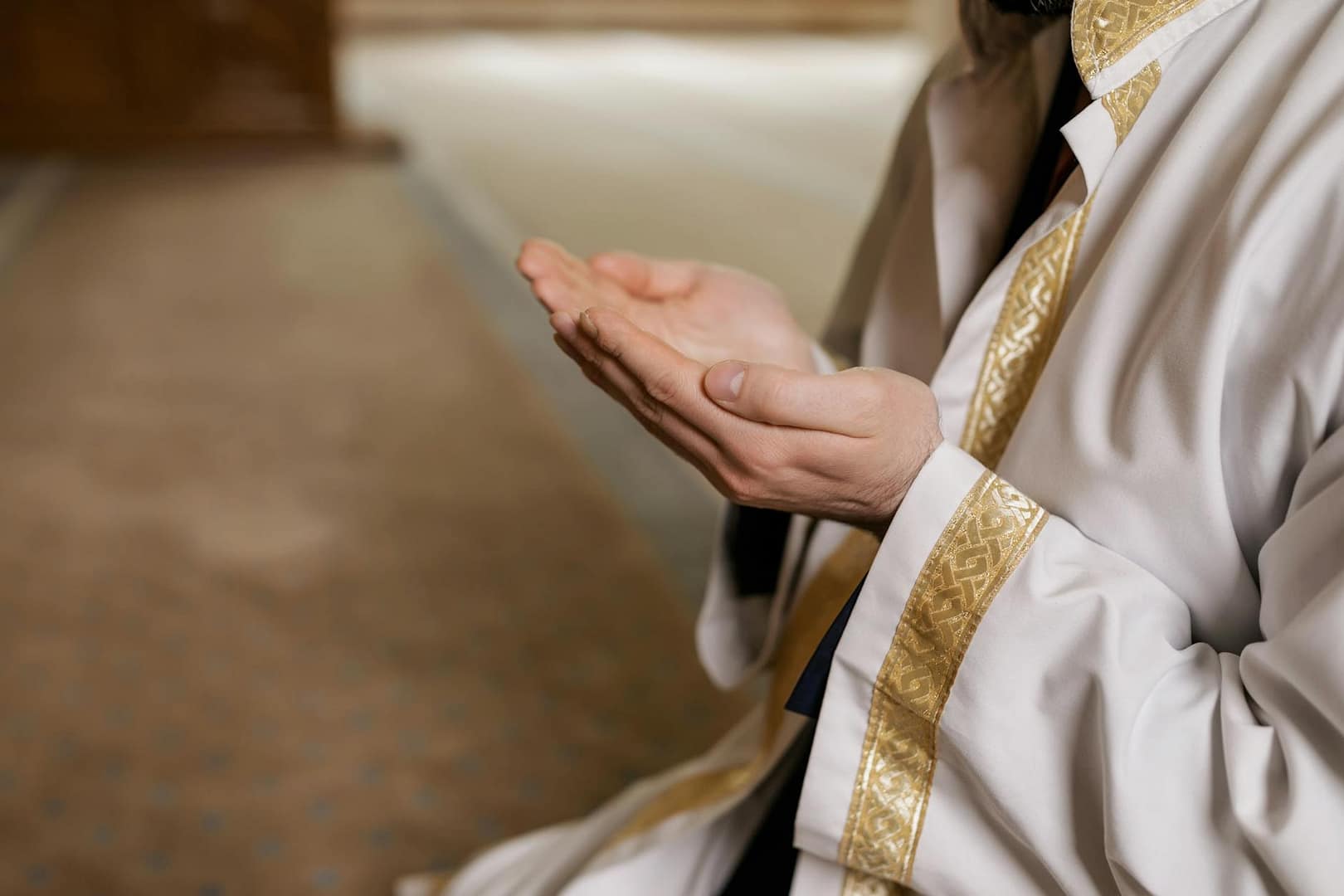
Traditional Muslim clothing, including the hijab, abaya, and thobe, reflects the values of modesty, cultural heritage, and religious identity. These garments have evolved over the years to incorporate contemporary fashion trends while maintaining their traditional significance. The diversity in styles and designs allows individuals to express their personal style while adhering to the principles of Islamic dress.
The Evolution of Muslim Clothes: Modern Muslim Clothing
Modest Fashion
Modest fashion has gained significant popularity in recent years, offering a wide range of modern clothing options for Muslim men and women. The concept of modesty in Islam is not limited to covering one’s body but also encompasses an overall sense of humility and decency. With the rise of modest fashion, Muslims have found innovative ways to express their faith while embracing contemporary trends.
Modest fashion designers have played a crucial role in revolutionizing Muslim clothing. They have successfully merged traditional Islamic values with modern aesthetics, creating stylish yet modest outfits. These designers understand the importance of preserving cultural identity while keeping up with evolving fashion trends.
To check out our Muslim clothes collections for your import business, click here. You can even request your own custom design!
Islamic Fashion Designers
Islamic fashion designers have brought a fresh perspective to the industry, showcasing their creativity and talent through their unique designs. They have introduced innovative silhouettes, patterns, and fabrics that cater to the needs of Muslim individuals seeking fashionable yet modest clothing options. By incorporating traditional elements, such as intricate embroidery or modest cuts, these designers have successfully bridged the gap between traditional and trendy Muslim clothing.
Moreover, Islamic fashion designers have also made significant efforts to cater to a diverse range of body types and personal preferences. They understand that modest fashion should be accessible to all, regardless of size or style preferences. As a result, they offer a wide variety of clothing options that can be customized to suit individual needs.
Influence of Social Media
The rise of social media platforms has played a pivotal role in promoting modern Muslim clothing. Influencers and fashion bloggers have utilized these platforms to showcase their personal styles, offering inspiration to others seeking fashionable yet modest outfits. Through their carefully curated content, they have encouraged Muslims to embrace their faith while staying fashionable.

Social media platforms have also provided a platform for modest fashion designers to showcase their collections and reach a wider audience. Muslim individuals seeking trendy clothing options can now easily discover and purchase garments from various designers, regardless of their geographical location. The power of social media has undoubtedly helped in the rapid growth and acceptance of modern Muslim clothing.
In conclusion, modern Muslim clothing has witnessed a significant evolution, thanks to the efforts of modest fashion designers and the influence of social media. The rise of modest fashion has allowed Muslim individuals to express their faith while embracing contemporary trends. With the continued efforts of Islamic fashion designers and the power of social media platforms, the future of modern Muslim clothing looks promising.
The evolution of Muslim clothes has witnessed a remarkable transformation from traditional to trendy styles. Through the incorporation of modern fashion elements, Muslim clothing has become more diverse, expressive, and inclusive. This evolution has not only allowed individuals to embrace their religious identity but has also empowered them to explore their personal style.
The availability of fashionable options has further bridged the gap between cultural heritage and contemporary fashion, enabling Muslim individuals to feel more confident and comfortable in their attire. As the fashion industry continues to evolve, it is crucial to appreciate the significance of these developments and celebrate the rich diversity of Muslim fashion. The journey from traditional to trendy Muslim clothes is a testament to the resilience, adaptability, and creativity of this vibrant community.