Table of Contents
Welcome to our guide on the fascinating world of Muslim fashion. In this article, we delve into the latest fashion trends, styles, and cultural significance of Muslim attire. From modest yet stylish hijabs to elegant abayas and everything in between, we aim to provide you with a deep understanding of the diverse and beautiful clothing choices embraced by Muslim men and women worldwide. Join us as we celebrate the intersection of fashion and faith, and discover the unique charm and versatility of Muslim clothing.
The Evolution of Muslim Fashion
Historical Influences on Muslim Fashion
Muslim fashion has a rich and diverse history that has been shaped by various historical influences. Throughout the centuries, Muslim clothing has evolved and adapted to reflect cultural, social, and religious changes.
One of the earliest influences on Muslim fashion can be traced back to the time of Prophet Muhammad in the 7th century. The Prophet’s teachings emphasized modesty and encouraged both men and women to dress in a way that covered their bodies and maintained their dignity. This led to the development of clothing styles that focused on loose-fitting garments and the use of fabrics that provided full coverage.
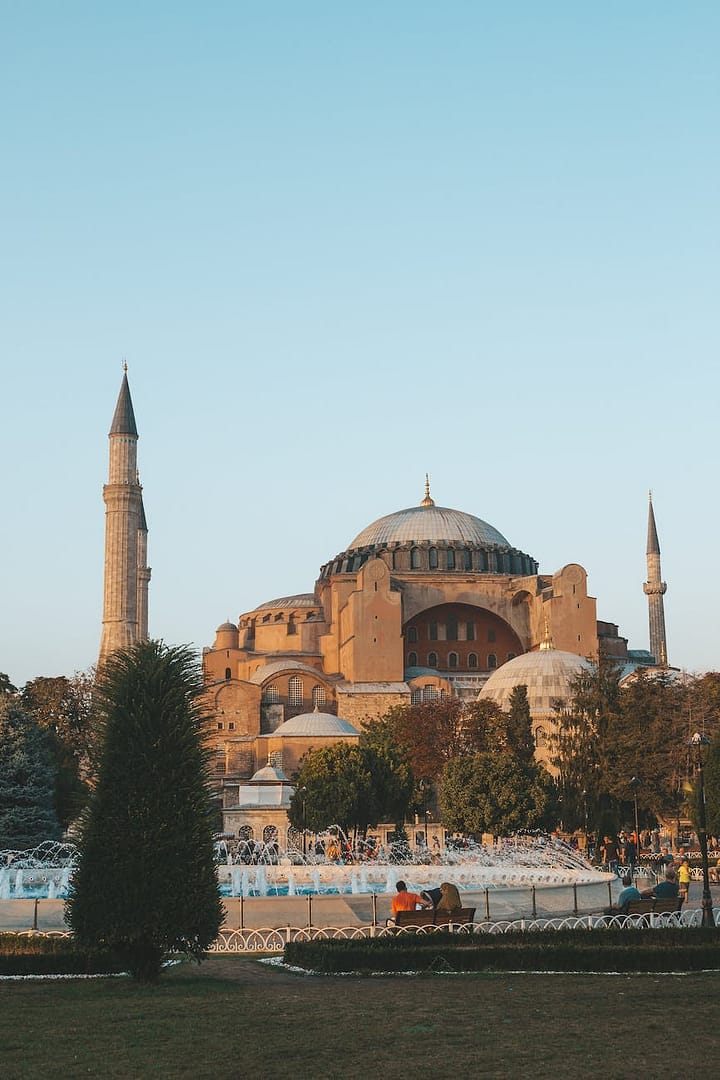
As Muslim communities expanded and interacted with different cultures, Muslim fashion began to incorporate elements from various regions. For example, during the Islamic Golden Age, which spanned from the 8th to the 14th century, Muslim fashion was heavily influenced by Persian and Byzantine styles. Intricate embroidery, luxurious fabrics, and elaborate patterns became prominent features of Muslim clothing during this period.
During the era of colonization, Muslim fashion faced additional influences from Western styles. The introduction of new materials and designs led to the fusion of traditional and modern elements in Muslim clothing. This period also witnessed the emergence of Muslim fashion designers who aimed to create garments that aligned with Islamic principles while also appealing to contemporary tastes.
Traditional Muslim Clothing
Traditional Muslim clothing varies across different regions and cultures, but it often shares common characteristics rooted in Islamic teachings. One of the most widely recognized traditional garments is the hijab, which refers to a headscarf worn by Muslim women. The hijab aims to cover the hair and neck, symbolizing modesty and adherence to Islamic values.
Other traditional clothing for women includes the abaya and the niqab. The abaya is a loose-fitting cloak that covers the entire body, while the niqab is a face-covering veil that leaves only the eyes visible. These garments are commonly worn in countries such as Saudi Arabia and the Gulf States.
For men, traditional clothing includes the thobe or dishdasha, which is a long robe-like garment. It is often worn with a head covering, such as a keffiyeh or a turban, depending on the cultural context.
Modern Trends in Muslim Fashion
In recent years, Muslim fashion has witnessed a surge in modern trends that blend contemporary styles with Islamic principles. The rise of social media and the increasing visibility of Muslim fashion influencers have played a significant role in promoting diverse and fashionable interpretations of Muslim clothing.
Many Muslim fashion designers have emerged, creating unique and stylish clothing options that cater to the needs of Muslim consumers. They focus on incorporating modesty, while also embracing current fashion trends. This includes the use of vibrant colors, innovative silhouettes, and modern prints, all while ensuring the garments provide appropriate coverage.
Furthermore, there has been a growing demand for sustainable and ethical Muslim fashion. Designers are increasingly exploring eco-friendly fabrics, fair-trade practices, and promoting body-positive messages. This shift reflects the evolving values of Muslim consumers who seek to align their fashion choices with their religious beliefs and their desire for a more sustainable future.
In conclusion, the evolution of Muslim fashion showcases a rich tapestry of historical influences, traditional clothing, and modern trends. From its roots in Islamic teachings to the fusion of cultural and global influences, Muslim fashion continues to evolve, adapt, and embrace creativity while upholding the values of modesty and identity.
Muslim Fashion and Identity
The Role of Fashion in Muslim Identity
Fashion plays a significant role in shaping the identity of Muslim individuals. Muslim fashion represents a unique blend of cultural heritage, religious beliefs, and personal expression. It goes beyond mere clothing choices and serves as a powerful tool for self-identification and representation.
Muslims around the world use fashion as a means to assert their religious and cultural identity. Through their clothing choices, they communicate their adherence to Islamic values and traditions. Modest fashion, in particular, is a key aspect of Muslim identity, as it reflects the principles of modesty, humility, and respect.
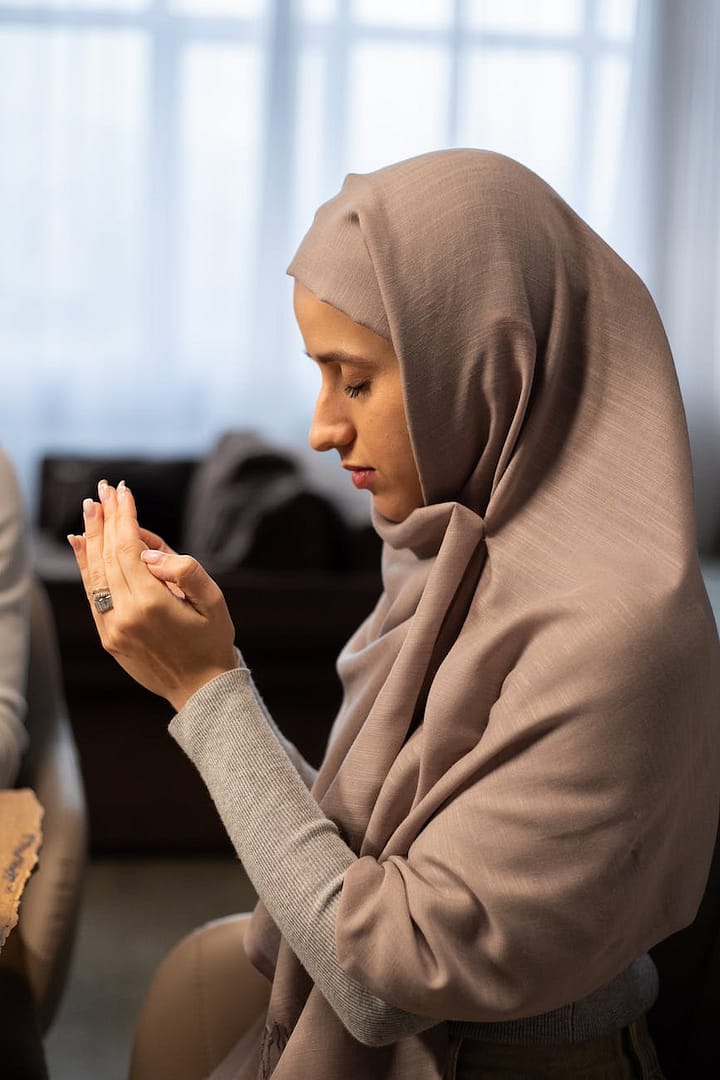
Muslim fashion allows individuals to showcase their pride in their religious beliefs and cultural heritage. It provides a platform for Muslims to express their identity in a diverse and multicultural society. Fashion serves as a visual representation of their faith, fostering a sense of belonging and unity within the Muslim community.
Challenges Faced by Muslim Fashion Designers
Muslim fashion designers often face unique challenges in the industry. One of the primary difficulties they encounter is the limited availability of Muslim-friendly clothing options. Mainstream fashion brands often neglect the modest fashion market, making it harder for Muslim designers to find suitable clothing items to work with.
Furthermore, Muslim fashion designers may face cultural appropriation or misinterpretation of their designs. It is crucial for designers to navigate the fine line between cultural appreciation and appropriation, ensuring that their creations respect the religious and cultural significance behind Muslim fashion.
Additionally, Muslim fashion designers may encounter financial constraints due to the niche nature of their market. The lack of investment and financial support for Muslim fashion brands can hinder their growth and sustainability. Overcoming these challenges requires resilience, innovation, and a supportive network within the fashion industry.
Muslim Fashion as a Form of Expression
Muslim fashion serves as a powerful form of self-expression for individuals within the Muslim community. It allows individuals to creatively combine their religious beliefs, cultural heritage, and personal style. Muslim fashionistas have embraced various styles and trends, demonstrating that modesty does not limit creativity or fashion-forwardness.
By incorporating unique patterns, colors, and fabrics, Muslim fashion designers and enthusiasts create visually stunning and culturally rich fashion statements. Muslim fashion has evolved beyond traditional clothing items, with designers experimenting with contemporary designs that cater to the needs and preferences of modern Muslim consumers.
Muslim fashion as a form of expression empowers individuals to celebrate their identity while staying true to their religious values. It challenges stereotypes and preconceived notions about Muslim women’s fashion, showcasing the diversity and vibrancy within the Muslim fashion industry.
In conclusion, Muslim fashion plays a vital role in shaping the identity of Muslim individuals. It serves as a means of self-expression, allowing Muslims to proudly showcase their cultural heritage and adherence to Islamic values. Despite the challenges faced by Muslim fashion designers, the industry continues to evolve, offering a platform for creativity, innovation, and cultural representation.
Global Impact of Muslim Fashion
Muslim Fashion in Western Countries
Muslim fashion has made a significant impact in Western countries, breaking barriers and challenging traditional fashion norms. With a growing population of Muslims in Western societies, there has been a rise in demand for stylish and modest clothing options that cater to their religious beliefs. This has led to the emergence of numerous Muslim fashion brands and designers who are creating innovative and trendy designs that appeal to a global audience.
Muslim Fashion and Cultural Exchange
Muslim fashion has played a crucial role in promoting cultural exchange and understanding between different societies. As Muslim fashion continues to gain popularity worldwide, it has become a symbol of diversity and inclusivity. The fusion of traditional Islamic clothing with contemporary fashion trends has resulted in a unique and vibrant blend of styles that transcends cultural boundaries. This cultural exchange through fashion has not only allowed Muslims to express their identity but has also encouraged dialogue and appreciation for different cultures.
Muslim Fashion and the Global Fashion Industry
The global fashion industry has recognized the immense potential of Muslim fashion and its impact on the market. Major fashion houses and brands have started embracing modest fashion, incorporating it into their collections and runway shows. This inclusion has not only opened up new business opportunities for Muslim fashion designers but has also broadened the fashion industry’s definition of beauty and style.
Muslim fashion has also influenced mainstream fashion trends, with designers taking inspiration from Islamic clothing elements such as loose silhouettes, modest necklines, and intricate patterns. This integration of Muslim fashion into the global fashion industry has resulted in a more diverse and inclusive representation of fashion, reflecting the changing dynamics of our society.
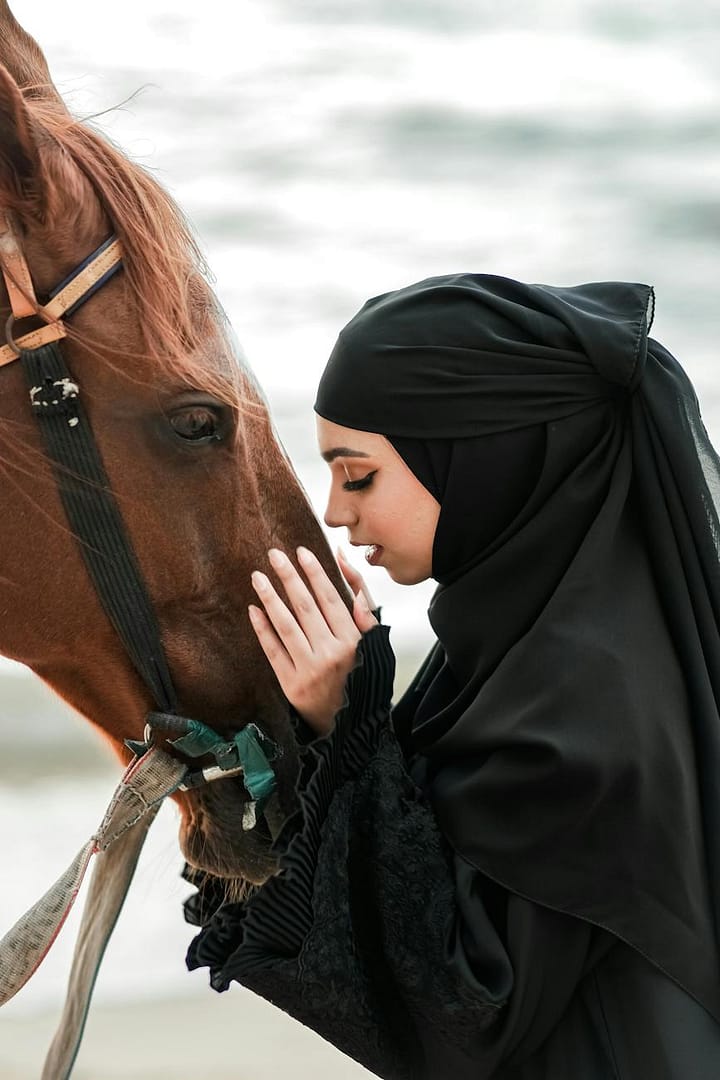
In conclusion, the global impact of Muslim fashion is undeniable. Its presence in Western countries, promotion of cultural exchange, and integration into the global fashion industry all contribute to its growing influence. Muslim fashion has not only empowered Muslims to express their identity but has also paved the way for a more inclusive and diverse fashion landscape.
In conclusion, the world of Muslim clothes fashion offers a diverse and evolving landscape that reflects the rich cultural heritage and individual creativity of Muslim communities across the globe. From traditional garments to modern interpretations, Muslim fashion has become a powerful medium of self-expression and identity. This article has explored the various elements and influences that shape Muslim clothing, highlighting the importance of inclusivity and understanding in the fashion industry. As the world becomes more interconnected, it is crucial to celebrate and appreciate the unique styles and narratives woven into the fabric of Muslim fashion. By embracing diversity and fostering dialogue, we can create a more inclusive and fashion-forward world for all.